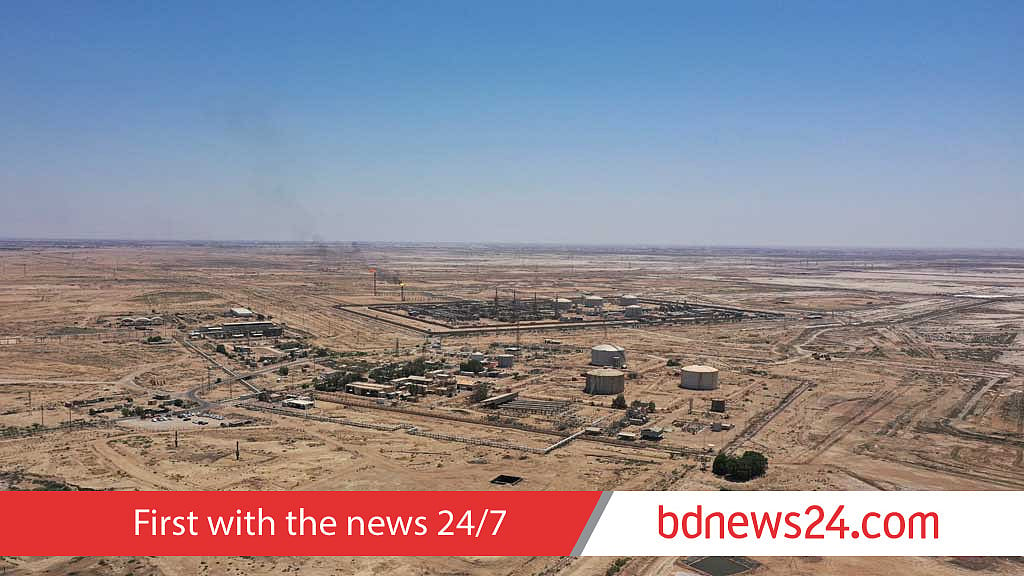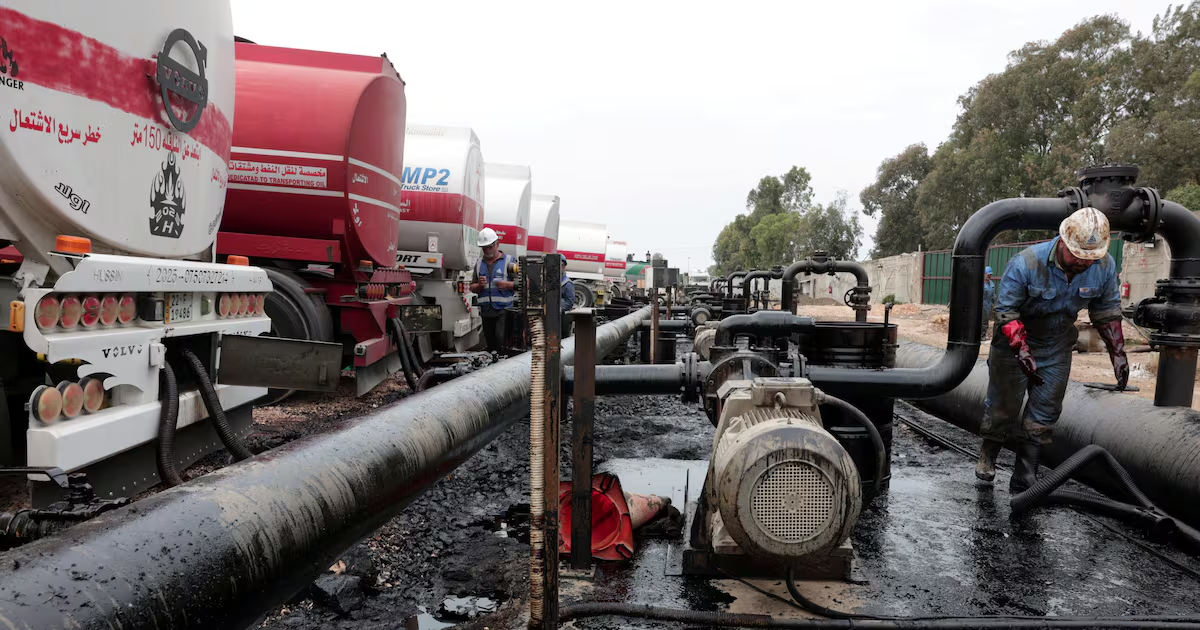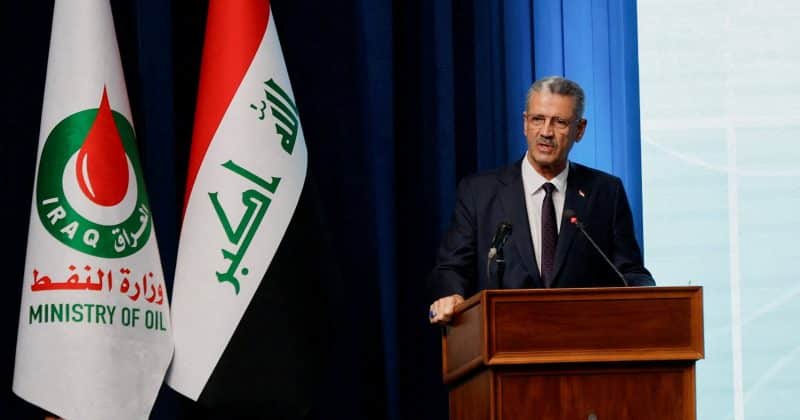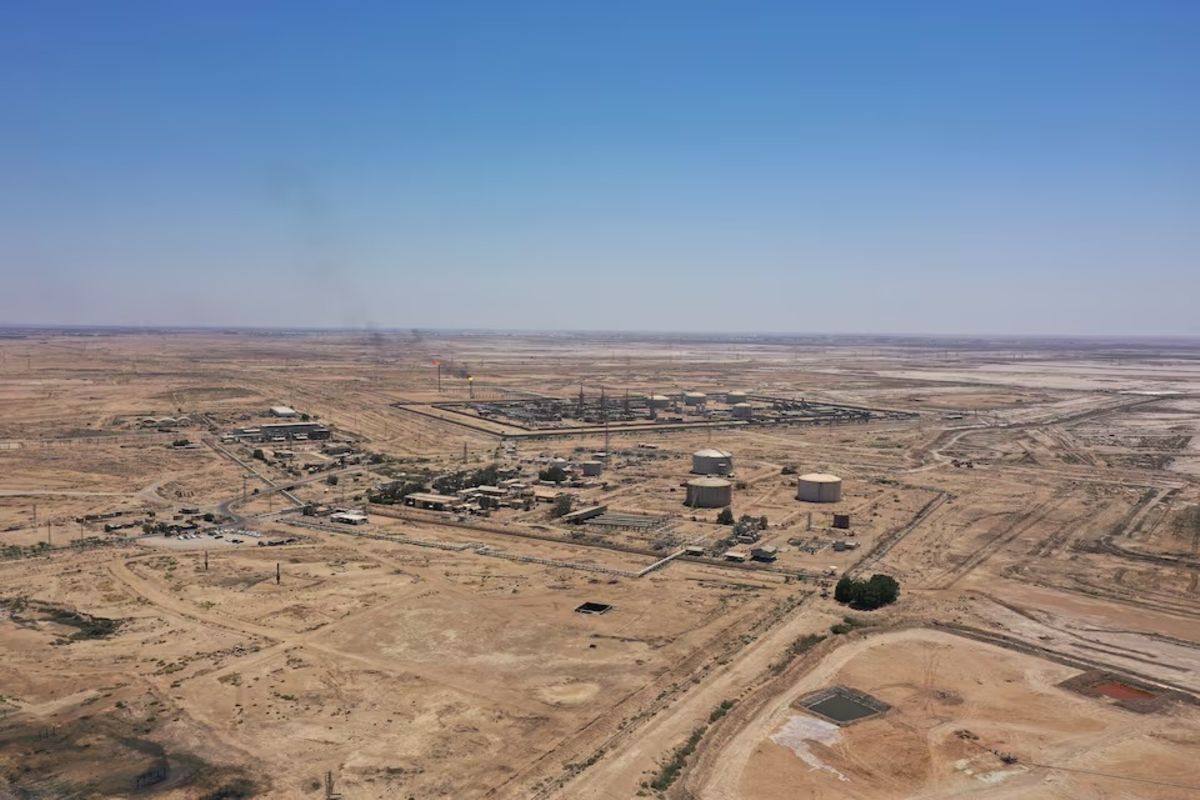
Iraq, the second-biggest producer in OPEC, reportedly threatened to leave the cartel if the oil quota isn’t significantly raised.The threats came shortly after the United Arab Emirates left the organization last month, saying that it wanted to boost its oil output. Iraq’s already struggling economy has borne through months of crisis, and a senior oil ministry official told Reuters that Iraq could leave if oil quotas aren’t significantly raised.Iraq denied the report, with its oil ministry saying Thursday that the reports “did not reflect the Iraqi government’s official position.” However, it stressed that OPEC needs to raise its oil quota.
Iraq’s departure would serve as a much bigger blow to OPEC than the UAE’s exit, as it produced a considerably smaller amount of oil. The organization was founded in Baghdad in 1960, with Iraq among its five founding members.Countries leaving OPEC aren’t unprecedented. Qatar, Indonesia, Ecuador, and Gabon previously left the organization, and before the UAE, the most recent departure was Angola in 2024.Iraq’s reported threats surprised analysts. Speculation had been raised about who might be next to leave after the UAE’s exit last month, but Iraq wasn’t typically floated as a candidate. Matt Smith, lead oil analyst at Kpler, told CNBC that Kazakhstan or Nigeria were the most likely next candidates to exit OPEC or OPEC+.While much of the Gulf is well on its way to diversifying its economies, Iraq has remained heavily reliant on oil. Oil revenue accounted for 53% of its real GDP in 2025, according to the World Bank, but this revenue is almost entirely reliant on transport through the Strait of Hormuz. Data from economic intelligence provider QuantCube Technology, provided to CNBC, showed that Iraq’s exports have almost completely halted since the outbreak of war with Iran.BELEAGUERED HEZBOLLAH USING RESPITE FROM CEASEFIRE TO REARM AND RECONSTITUTE: EXPERTSBaghdad is attempting to reduce its reliance on the strait. Earlier this month, the Iraqi cabinet approved a new pipeline to the Turkish port of Ceyhan, which could increase export capacity from 220,000 barrels per day to 770,000.In addition to its economic woes, Iraq is also paralyzed by a political crisis as the country is torn between the United States and Iran. Plans to rein in the pro-Iran Shiite Popular Mobilization Forces, a large militia network formed to combat ISIS, have encountered significant opposition from Iran and its supporters.