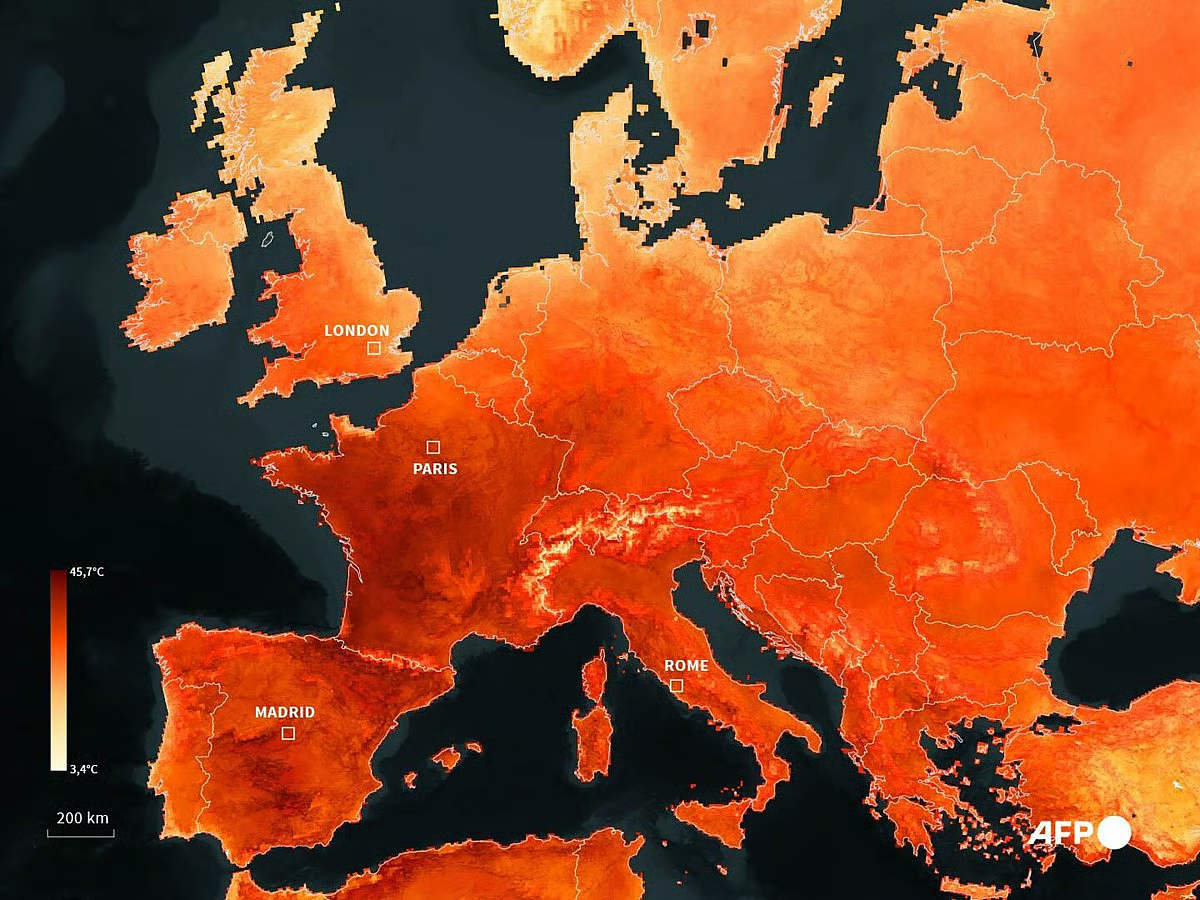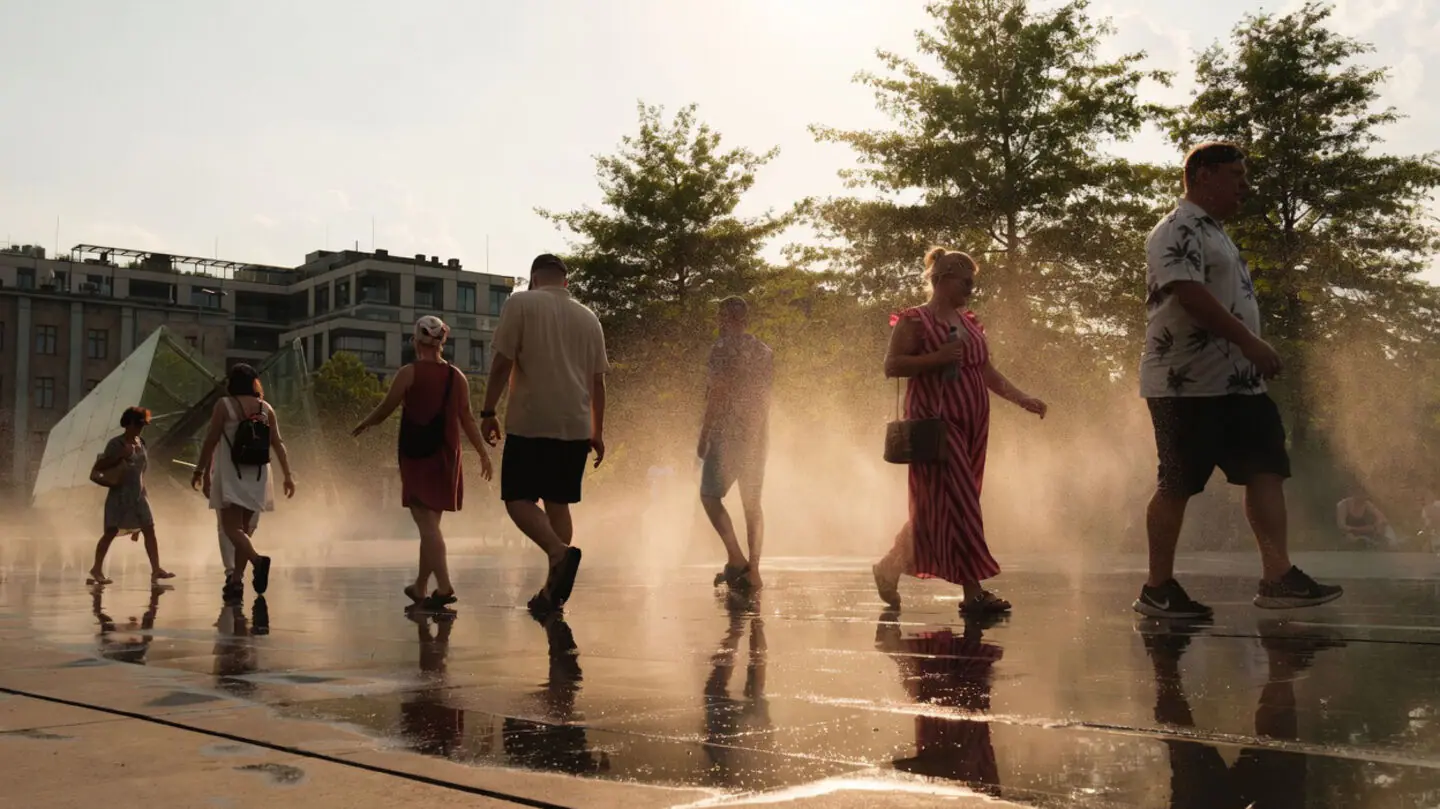
“There’s a sad inevitability to all of this, with scientists like me trotting out the same quotes year after year,” Friederike Otto, a professor of climate science at the Imperial College London who leads the World Weather Attribution, a group that works to link weather events to climate change, said in an email. “Simply put, we remain on a one-way trip towards a more dangerous future, and it’s time we hit the brakes.”
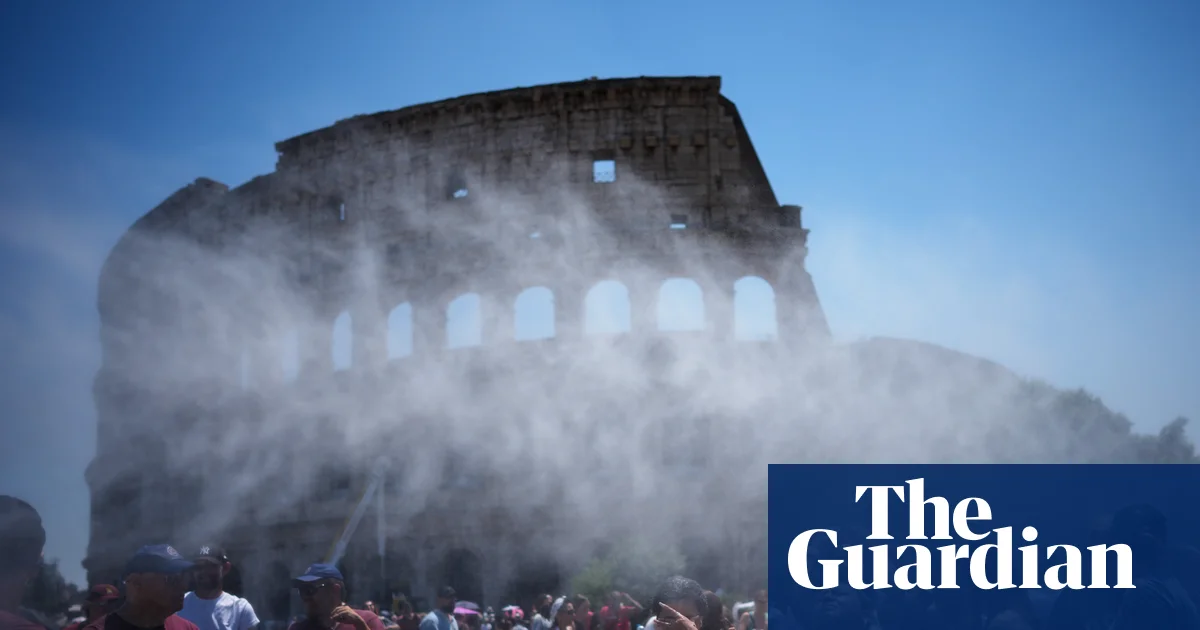
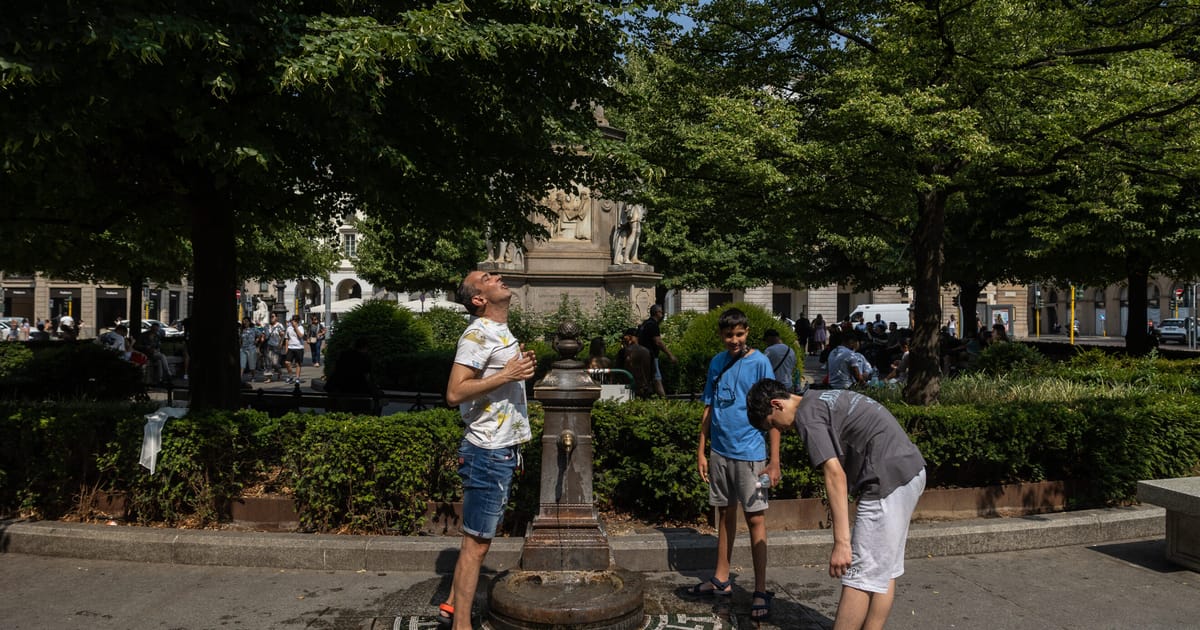
With the planet on track to exceed 1.5 degrees Celsius of human-induced warming, it is no surprise that extreme heat events increase in frequency, intensity, and duration, said Daniel Swain, a climate scientist at the California Institute for Water Resources at University of California, Los Angeles.
“A rising tide raises all boats,” he said. Climate warming doesn’t just worsen heat waves by increasing temperatures by a few degrees. For the most extreme events, scientists have found that a warmer climate can amplify meteorological feedback loops, further worsening heat waves and sometimes even leading to droughts.
In Western Europe, the incidence of a type of weather system called a blocking pattern—essentially an atmospheric traffic jam that can extend weather patterns—has increased, and scientists are currently researching the link between these patterns, human-induced global warming, and heat waves.