(Image credit: Shutterstock)
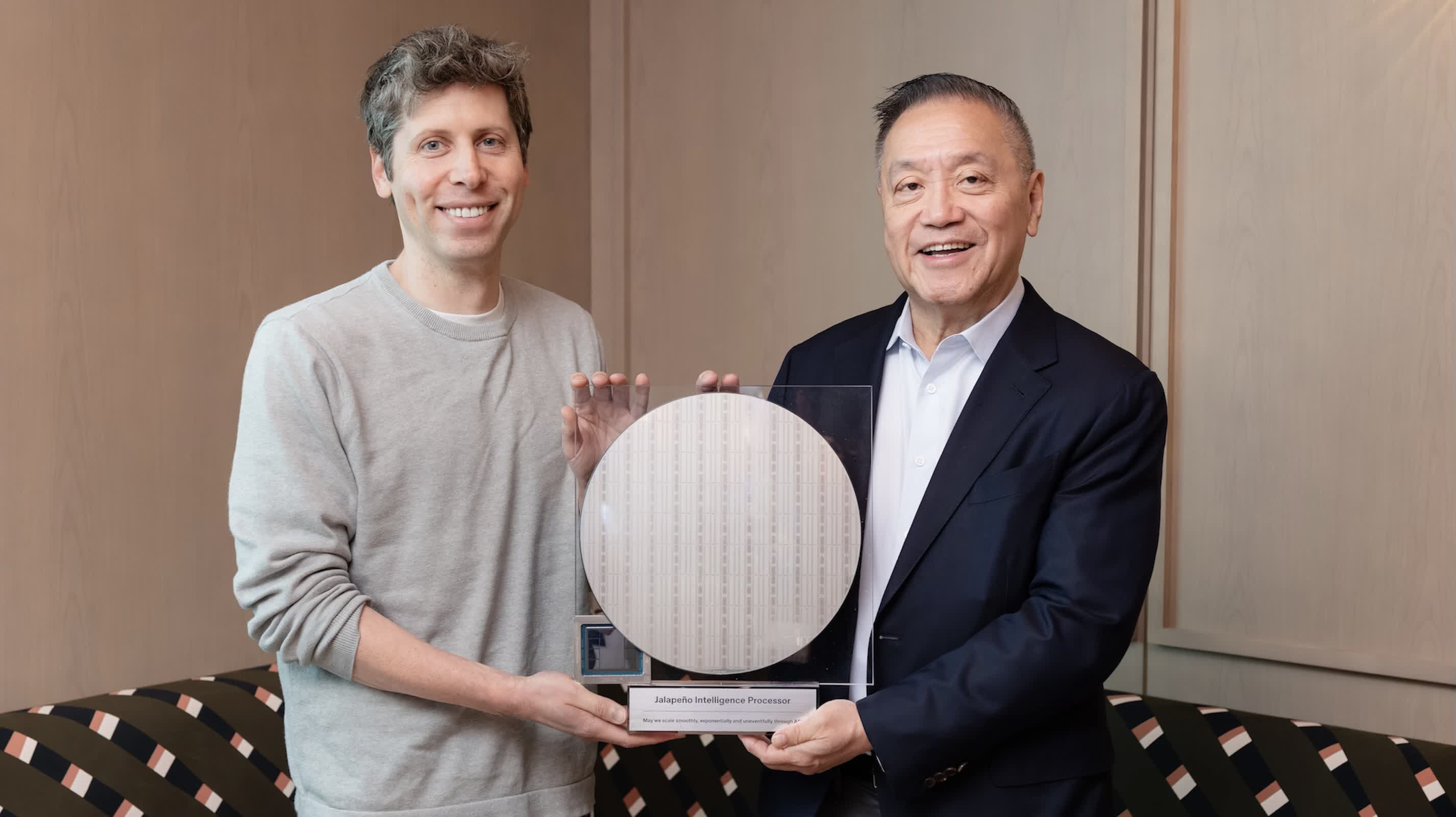
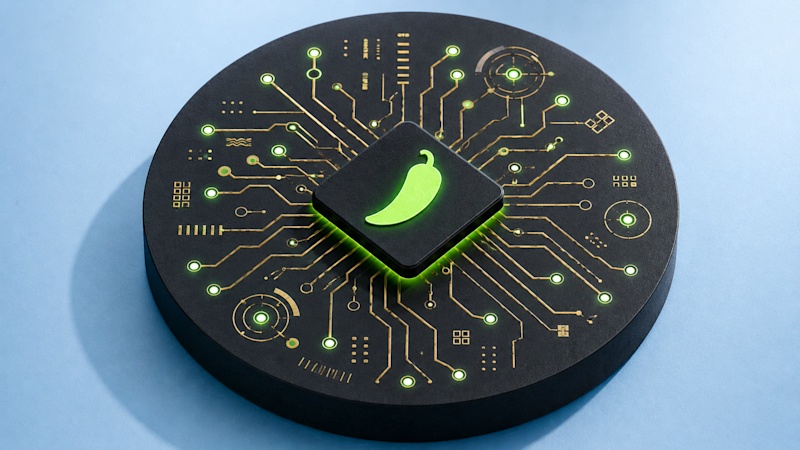
OpenAI has unveiled Jalapeño, its first custom-built AI processor, developed with Broadcom specifically to run the large language models that power ChatGPT. Unlike the graphics processors (GPUs) that dominate today's AI infrastructure, Jalapeño was designed from the ground up for one job: answering user prompts as quickly and efficiently as possible.This move is huge for the future of ChatGPT as the AI assistant could become faster, cheaper to operate and more reliable over the next few years.Why OpenAI built its own chipNvidia remains the undisputed leader in AI hardware, supplying the GPUs that train and run many of the world's most advanced AI systems. But those chips were designed to tackle a wide variety of computing workloads, not exclusively the task of serving billions of chatbot responses every day.Now Jalapeño takes a different approach. Instead of being a general-purpose processor, it's an inference chip, meaning its hardware is optimized specifically for generating answers after an AI model has already been trained. That's the part of the AI process you interact with every time you ask ChatGPT a question.According to OpenAI and Broadcom as reported by Reuters, the new chip was architected around the memory, networking and computing patterns used by modern large language models, allowing it to perform those workloads more efficiently than conventional hardware. Early internal testing suggests it delivers better performance per watt than today's leading AI accelerators, although independent benchmarks have not yet been released.Why this matters for ChatGPT usersIf OpenAI can answer more questions while using less electricity and fewer expensive chips, the economics of running ChatGPT begin to change. That doesn't necessarily mean your ChatGPT Plus subscription will suddenly become cheaper, but lower infrastructure costs could allow OpenAI to respond to prompts faster, support more users during peak demand, reduce outages caused by hardware shortages and roll out more capable AI models without dramatically increasing operating costs.In other words, beyond building a faster chip, OpenAI is making ChatGPT itself more scalable.Get instant access to breaking news, the hottest reviews, great deals and helpful tips.OpenAI is becoming more vertically integratedUntil now, OpenAI has largely relied on partners to provide the hardware powering its AI systems. By designing its own processors while continuing to build its own models and products, the company is gradually taking control of more of the entire AI stack.That's a strategy we've seen succeed elsewhere in technology. Companies that design both their hardware and software can optimize them to work together, improving performance while reducing long-term costs.OpenAI has described Jalapeño as the first step in a multi-generation compute platform, suggesting this won't be its last custom processor. To me, this looks more like an effort to reduce dependence on a single supplier while lowering one of OpenAI's biggest ongoing expenses.Nvidia still dominates AI training, and OpenAI continues to rely on Nvidia hardware across much of its infrastructure. Jalapeño is designed for inference, not to replace every GPU in OpenAI's data centers.The takeawayInterestingly enough, AI actually helped design the chip. The company says Jalapeño went from concept to production-ready design in just nine months, which is an unusually fast timeline for advanced semiconductor development.It's another reminder that AI isn't just writing code anymore, but increasingly, it's helping engineers build the hardware that future AI systems will run on.Although most users will never see Jalapeño, (they'll never need to), but they will . notice the results every time ChatGPT responds a little faster, serves a few more people or unlocks capabilities that were previously too expensive to run.Follow Amanda Caswell and stay ahead of the AI curve