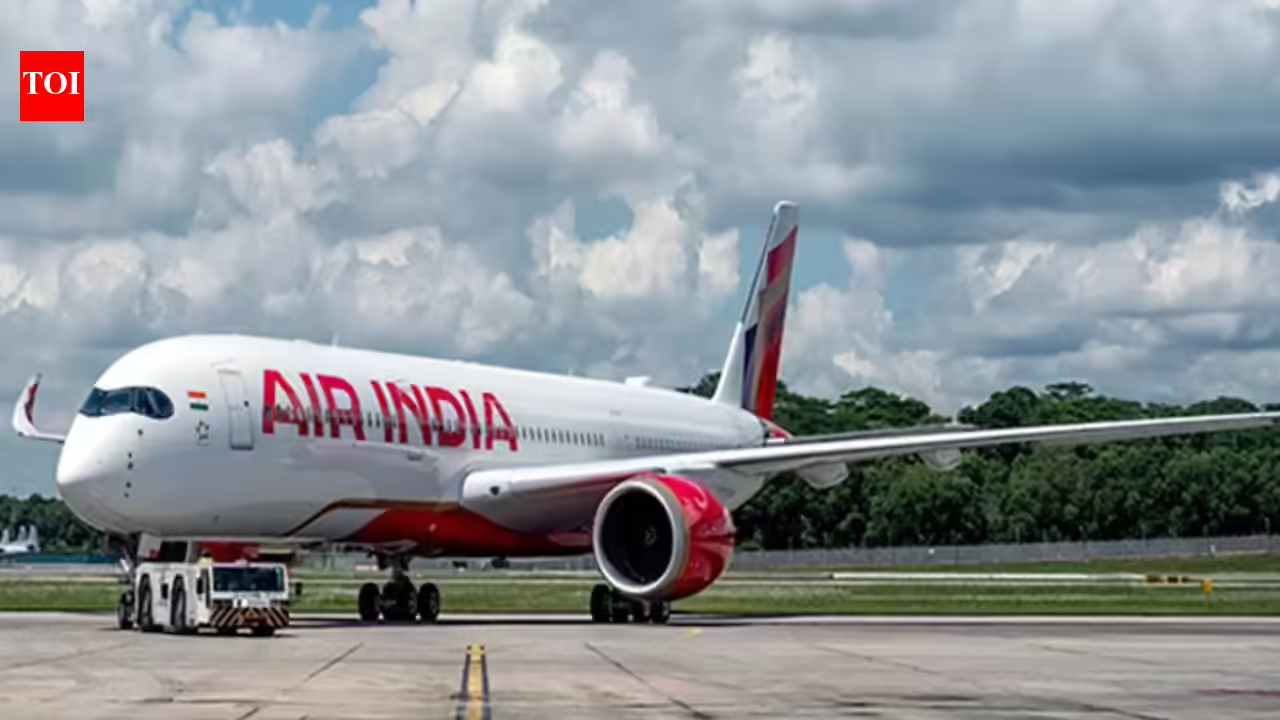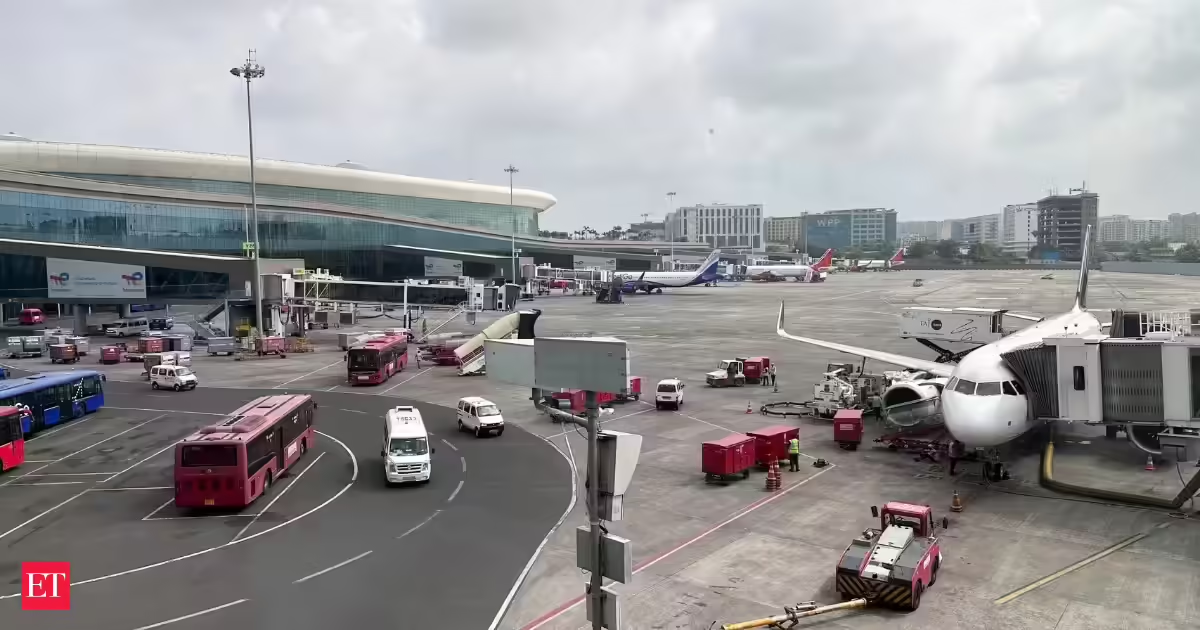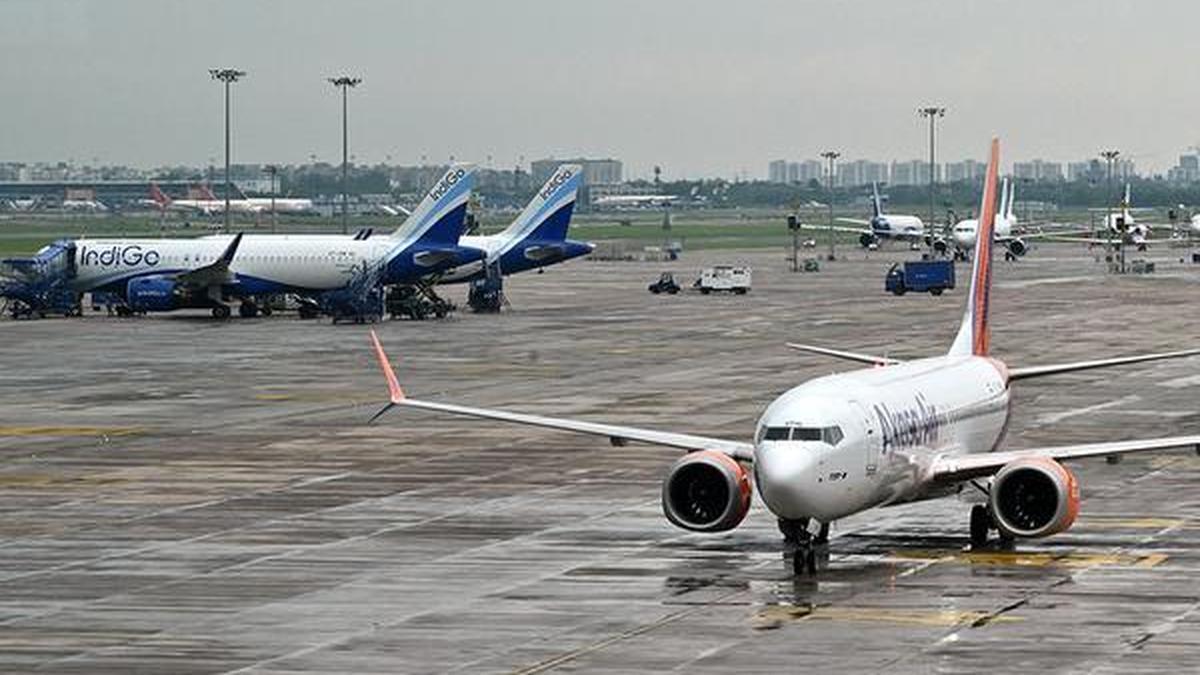
National capital’s IGI Airport expects the newly introduced hub-and-spoke model to strengthen its position as a transit gateway by enabling seamless international connectivity from Tier-II and III cities through Indian hubs.Speaking to businessline, Delhi International Airport Ltd’s Chief Executive Officer Pradeep Panicker said the initiative directly supports the Centre’s hub strategy.The strategy, he pointed out, is aimed at improving international travel access for passengers originating from smaller cities.“This initiative is extremely significant for Delhi Airport and India’s broader hub ambitions. It directly supports the Government of India’s India Hub Strategy, which aims to position Indian airports as global transit hubs,” he said.Integrated JourneyAccording to Panicker, passengers from cities such as Varanasi can now access international destinations through Delhi in a single integrated journey without completing immigration formalities at the hub airport.Besides, he said the model would help retain passenger traffic, economic value and aviation-related activity within India by reducing reliance on foreign transit hubs.The development comes as Air India commenced operations under the hub-and-spoke framework from Varanasi on June 25, while IndiGo is also expected to adopt the model.Under the framework, passengers travelling from designated spoke cities complete immigration and customs formalities at the originating airport and subsequently transit through the hub airport as international passengers.Till now, passengers from tier II and III cities were first travelling to major hub airports in the Middle East or South Asia to catch connecting onward flights.“Because these travellers are often unfamiliar with those transit airports, they frequently experience anxiety during their layovers,” he said.Airport CapabilityAs per DIAL, implementation of the model required extensive coordination among airports, airlines and government agencies, including immigration authorities, customs officials and security agencies.Furthermore, Panicker said one of the principal operational challenges involved segregating domestic and international passengers at the hub airport, given that international passengers would have already completed immigration and customs procedures at the spoke airport.Accordingly, authorities developed a new Standard Operating Procedure (SOP) assigning responsibilities across airports, airlines, Central Industrial Security Force (CISF), customs and immigration authorities.Additionally, Panicker said the framework has been designed as an airport-enabled capability rather than an airline-specific programme.While Air India is the launch partner for the first phase, the underlying infrastructure and operating processes have been designed to support participation by multiple domestic carriers over time.“We worked closely with the Ministry of Civil Aviation and the airline industry to design this as a scalable solution for the whole airport,” he said.In addition, discussions are underway with other Indian carriers regarding participation in the programme, he said adding that although the policy currently applies only to domestic airlines.Published on June 25, 2026
Delhi Airport sees hub-and-spoke model strengthening India’s aviation hub ambitions: DIAL CEO
Delhi Airport's hub-and-spoke model aims to enhance international connectivity and strengthen India's aviation position, says DIAL CEO.
430 words~2 min read