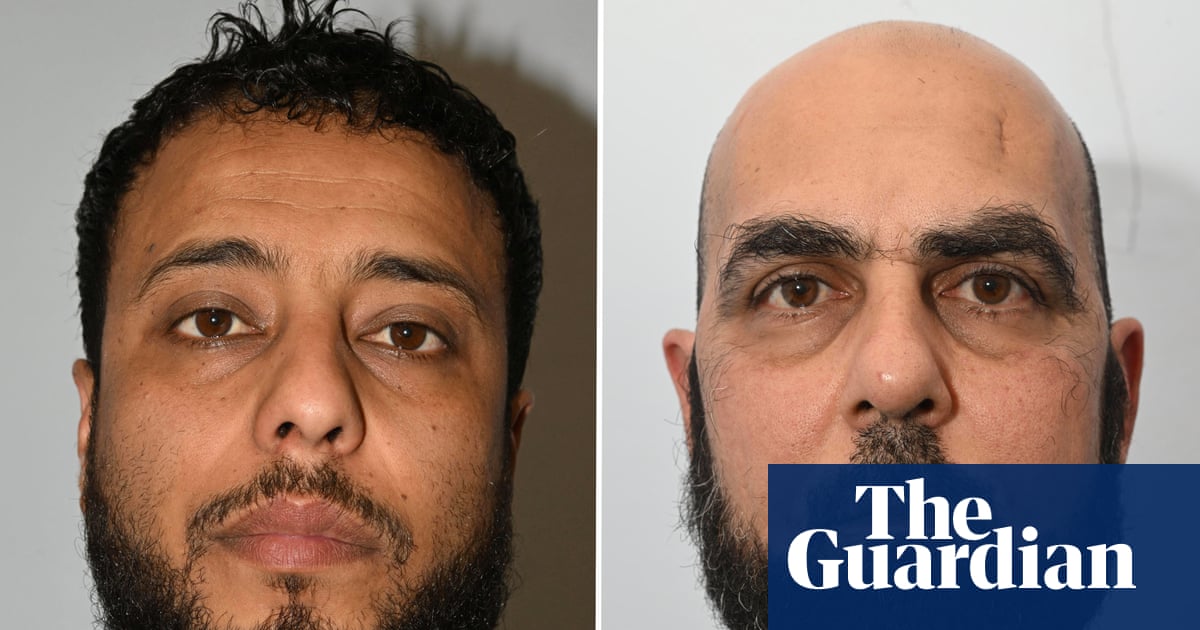
In the autumn of 2015, MI5 and the Metropolitan Police raided properties in north-west London. They found three tonnes of ammonium nitrate stockpiled by a man linked to Iran-backed Hezbollah. It was more explosive material than was used in the Oklahoma City bombing in 1995, the deadliest act of homegrown terrorism in US history.
It was one of the most serious terror plots disrupted on British soil that decade. But the public did not learn of it for four years.
The plot had been uncovered just months after Britain signed the Iran nuclear deal, and the working assumption inside Government, by several accounts, was that surfacing it risked derailing the diplomacy. The network responsible was never publicly named or confronted. Quiet diplomacy was bought with public silence.
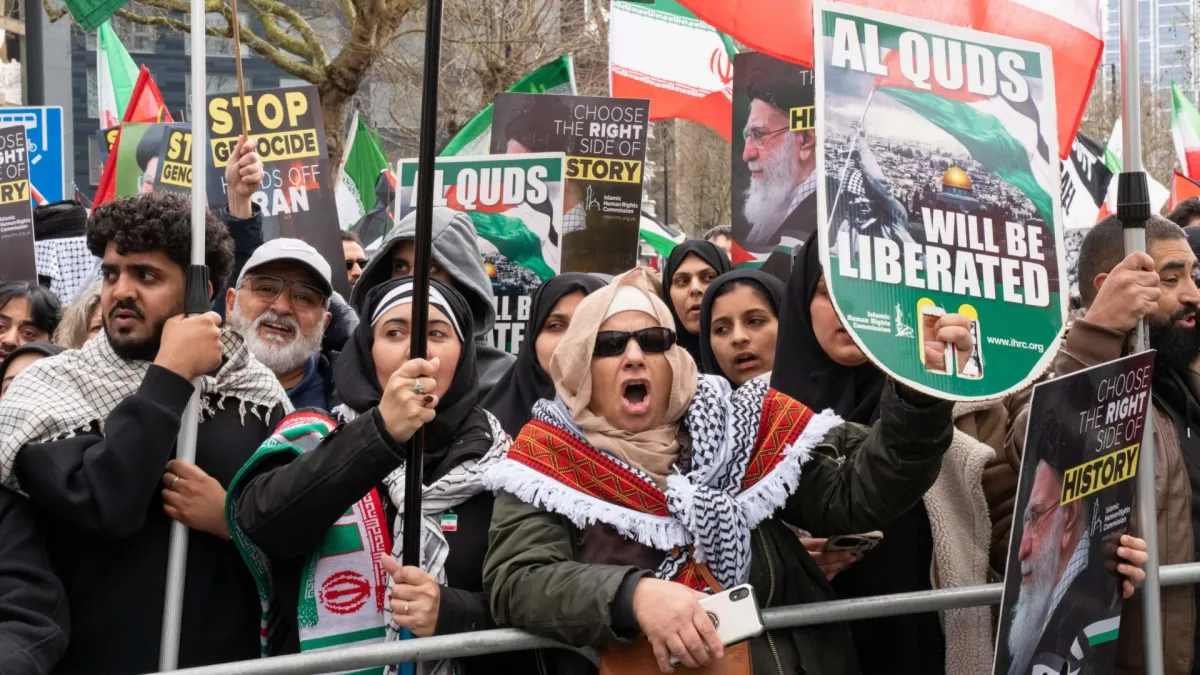
That silence had a cost beyond the plot itself. It signalled to Iran’s networks in Britain that the political will to confront them would bend whenever a deal was on the table. The years since have shown exactly what grows in that space: rising sectarianism, the steady mainstreaming of Islamic Revolutionary Guard Corps (IRGC) aligned political Islam, and a generation of younger British Muslims exposed to radicalising material with the regime’s fingerprints on it through social media and university societies.