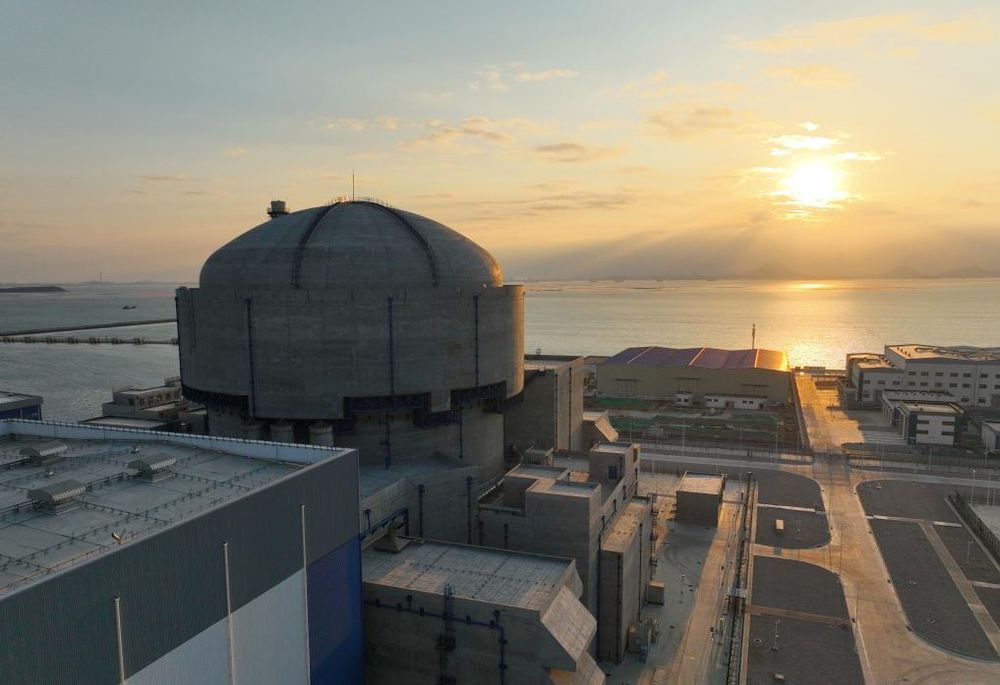
A drone photo taken on Jan. 1, 2026 shows a view of the second power generation unit of the Zhangzhou nuclear power project in Zhangzhou City, southeast China's Fujian Province.
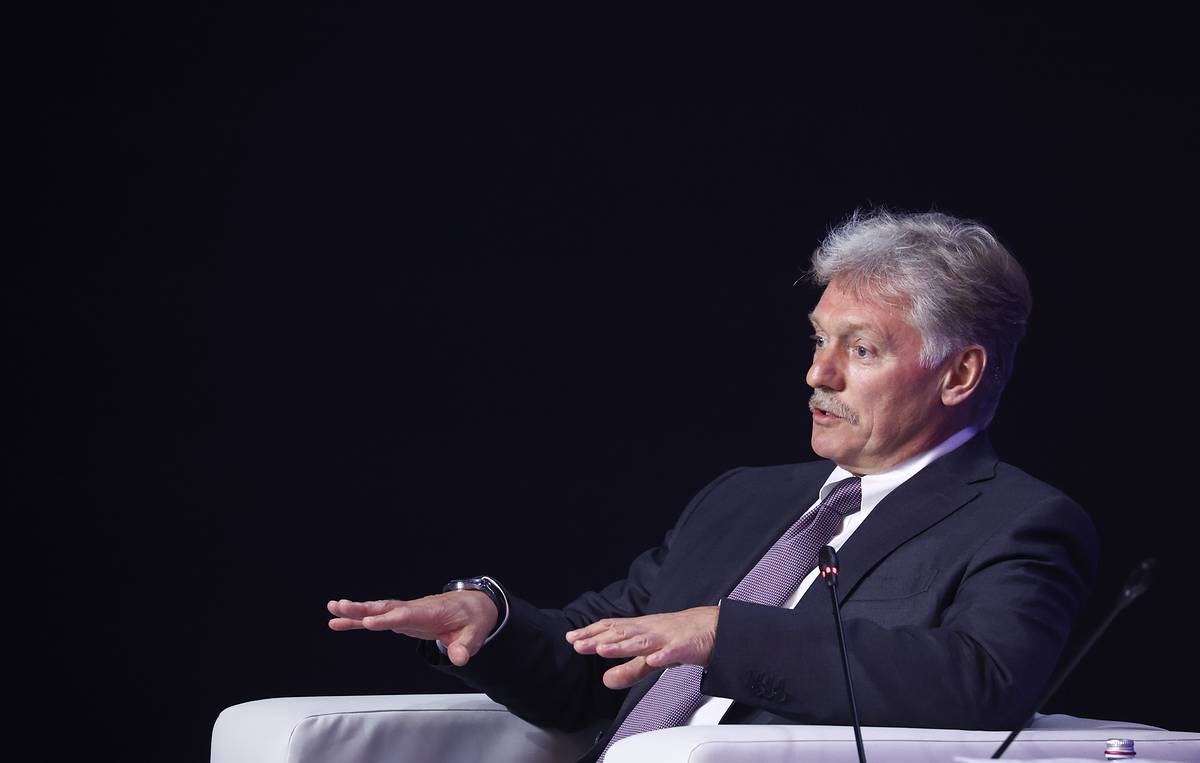
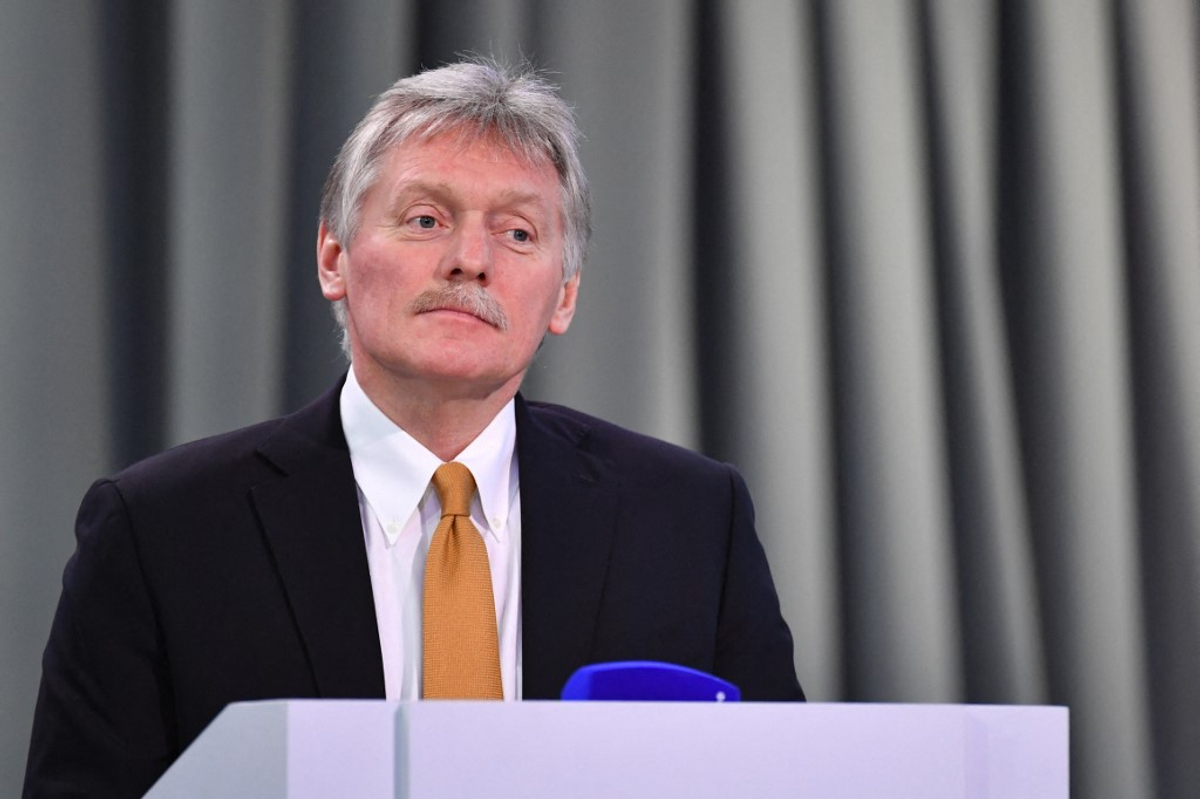
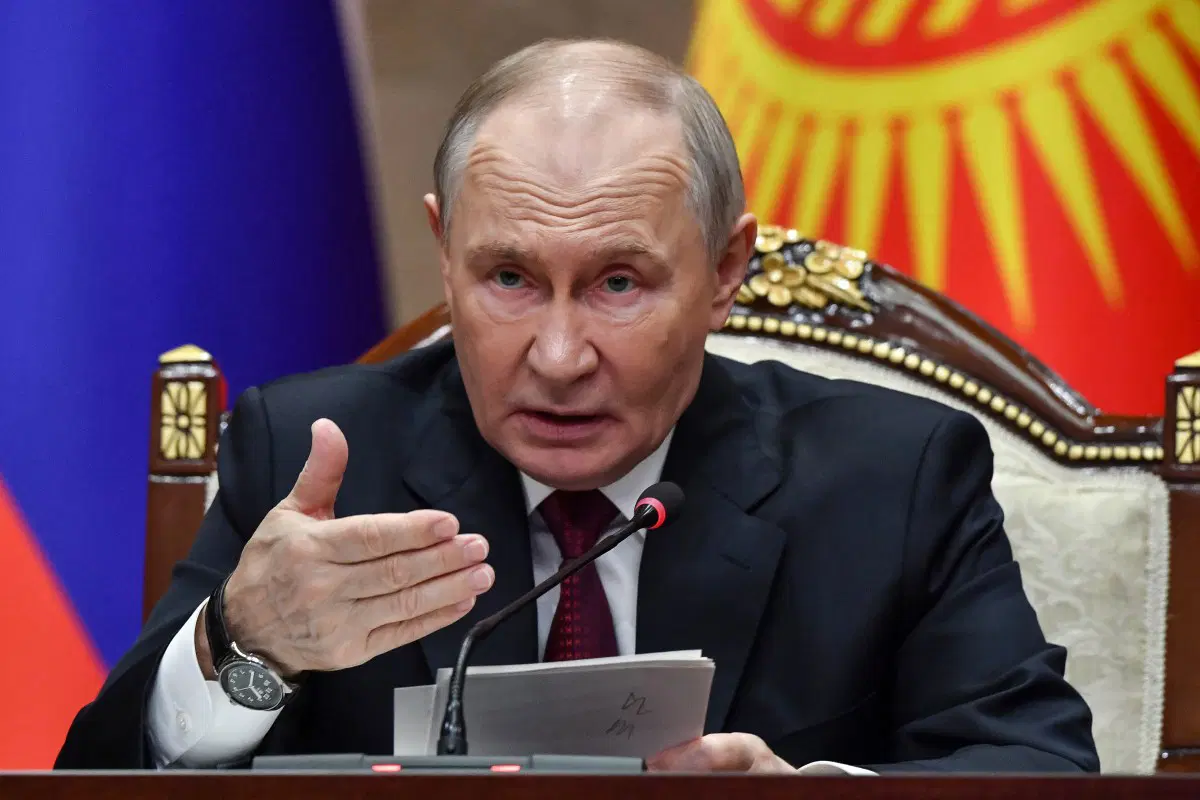
Speaking at a foreign policy forum in Moscow, the Kremlin’s spokesman Dmitry Peskov said that the global security system was “eroding.” Russia’s claim that nuclear weapons remain the only real barrier against global war is designed to sound blunt, even pragmatic. In one sense, it reflects an old strategic truth: for decades, the fear of mutual destruction has acted as a brake on direct confrontation between the world’s most powerful states. But in 2026, the more important question is not whether nuclear deterrence still matters. It is what it says about the state of international politics that the world has once again returned to it as its primary language of security.
The timing of the Kremlin’s remarks is significant. The expiry of New START, the last remaining nuclear arms control treaty between the United States and Russia, has removed the final formal cap on the world’s two largest nuclear arsenals. At the same time, tensions in the Middle East, including the direct confrontation between the United States and Iran, have pushed the nuclear question back into everyday geopolitical debate. Add to that the war in Ukraine, intensifying US-China rivalry, and renewed military spending across Europe and Asia, and it becomes clear that nuclear deterrence is no longer a Cold War relic. It is once again central to how major powers think about leverage, risk and survival.