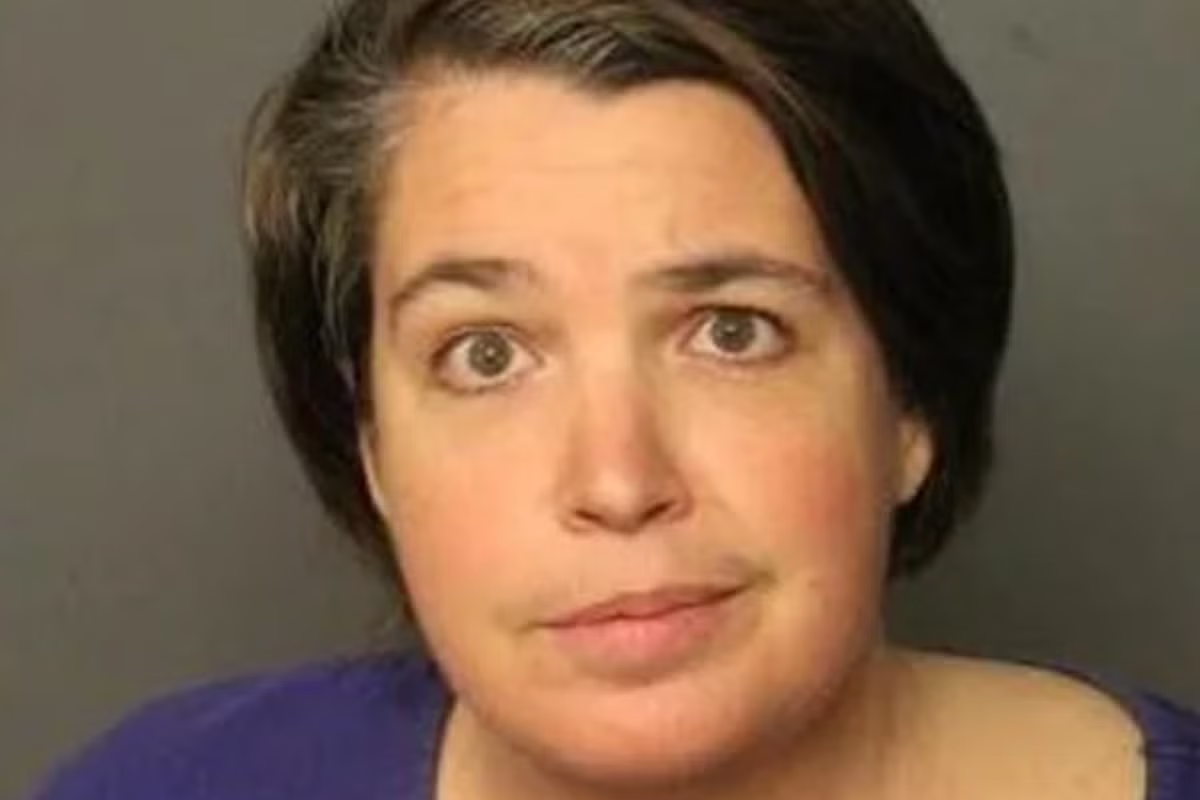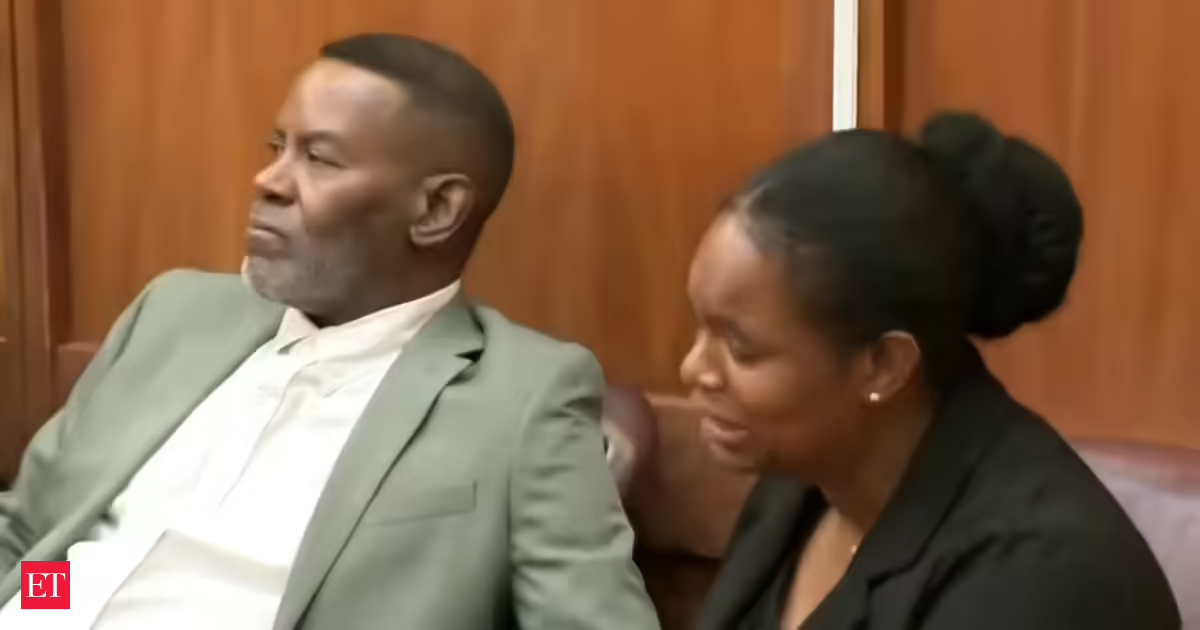
A Florida woman accused of drowning her 15-month-old daughter in a bathtub during an at-home religious ritual has been found not guilty by reason of insanity. The jury accepted arguments that she was suffering from severe delusions at the time of the incident. The 43-year-old Precious Bland said she drowned her baby in a bathtub due to a "psychotic episode" caused by COVID-19, according to local media reports.The ruling means she will not serve a traditional prison sentence and is instead expected to receive psychiatric treatment under court supervision. The case's ruling has sparked intense debate over mental illness, faith-based delusions, and criminal responsibility.ALSO READ: Pakistan shocker: French woman, five children held in isolation for 12 years rescuedIncident involved death of 15-month-old daughterAccording to court reports, the mother was accused of drowning her toddler daughter during what was described as an at-home baptism attempt. The tragic incident took place inside the family home and led to serious criminal charges being filed against her. The woman not just drowned her 15-month-old daughter in a bathtub but also stabbed her husband and teenage daughter, as per NBC Miami. ALSO READ: Muharram Date 2026Prosecutors argued that the act resulted in the child’s death and should be treated as a criminal offense, while the defense maintained that the woman was not mentally stable at the time. The incident happened on the night of August 23, 2021, at a home near Northwest 99th Street and 30th Avenue in West Little River.— CollinRugg (@CollinRugg) Disturbing delusional statement presented in caseOne of the most widely reported details from the case was a statement linked to the woman’s mental condition during the period surrounding the incident."Jesus Christ is coming and COVID is going to kill us all."The line has drawn significant public attention due to its reflection of the accused’s reported psychological breakdown and fear-driven delusions.Jury accepts insanity defenseAfter reviewing psychiatric evidence and testimony, the jury concluded that the defendant was not guilty by reason of insanity. This verdict means she will not serve jail time in a correctional facility. Instead, she will remain under medical and psychiatric supervision as determined by court authorities.Defense cites COVID-related paranoia and psychosisCourt reports indicate that the woman’s mental state included extreme paranoia and delusional beliefs tied to the COVID-19 pandemic, which were presented as key factors in her defense.She was described as believing she was acting under religious or apocalyptic pressure, forming the basis of the insanity plea. During the trial, defense attorney Larry Handfield argued Bland suffered a psychotic episode triggered by COVID-19. Handfield told NBC6 that Bland was experiencing command hallucinations, with voices telling her to baptize her family members, who were also infected with COVID-19.No prison sentence after verdictFollowing the jury’s decision, the woman will not serve jail time. Instead, she is expected to undergo ongoing psychiatric treatment, with her placement and supervision depending on future mental health evaluations.The case has raised broader questions about how courts handle defendants suffering from severe mental illness, particularly in tragic cases involving children.Legal experts note that insanity verdicts are rare and require strong evidence that the accused was unable to understand the nature or wrongfulness of their actions at the time of the incident.
“Jesus Christ is coming and COVID is going to kill us all”: Florida mother who drowned her baby in a bathtub and stabbed her husband, daughter found not guilty. Here's why
A Florida mother, Precious Bland, accused of drowning her infant daughter during a religious ritual has been found not guilty by reason of insanity. The jury accepted her defense that severe, COVID-19-induced delusions, including fears of an apocalypse, rendered her unable to understand her actions. She will now receive psychiatric treatment instead of a prison sentence, sparking debate on mental illness and criminal responsibility.
533 words~2 min read