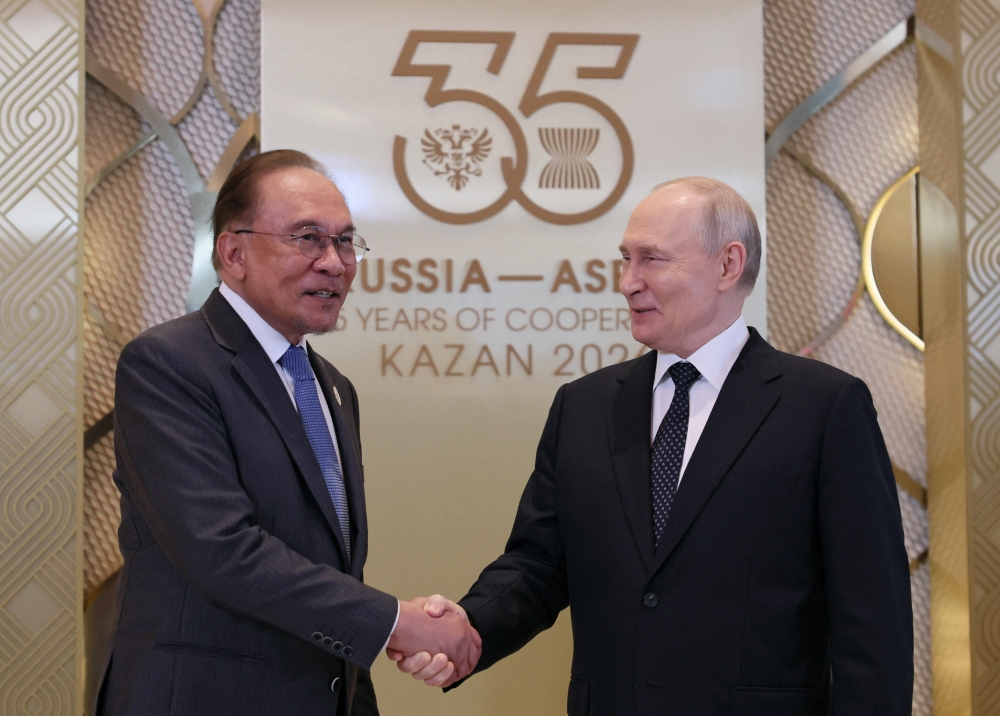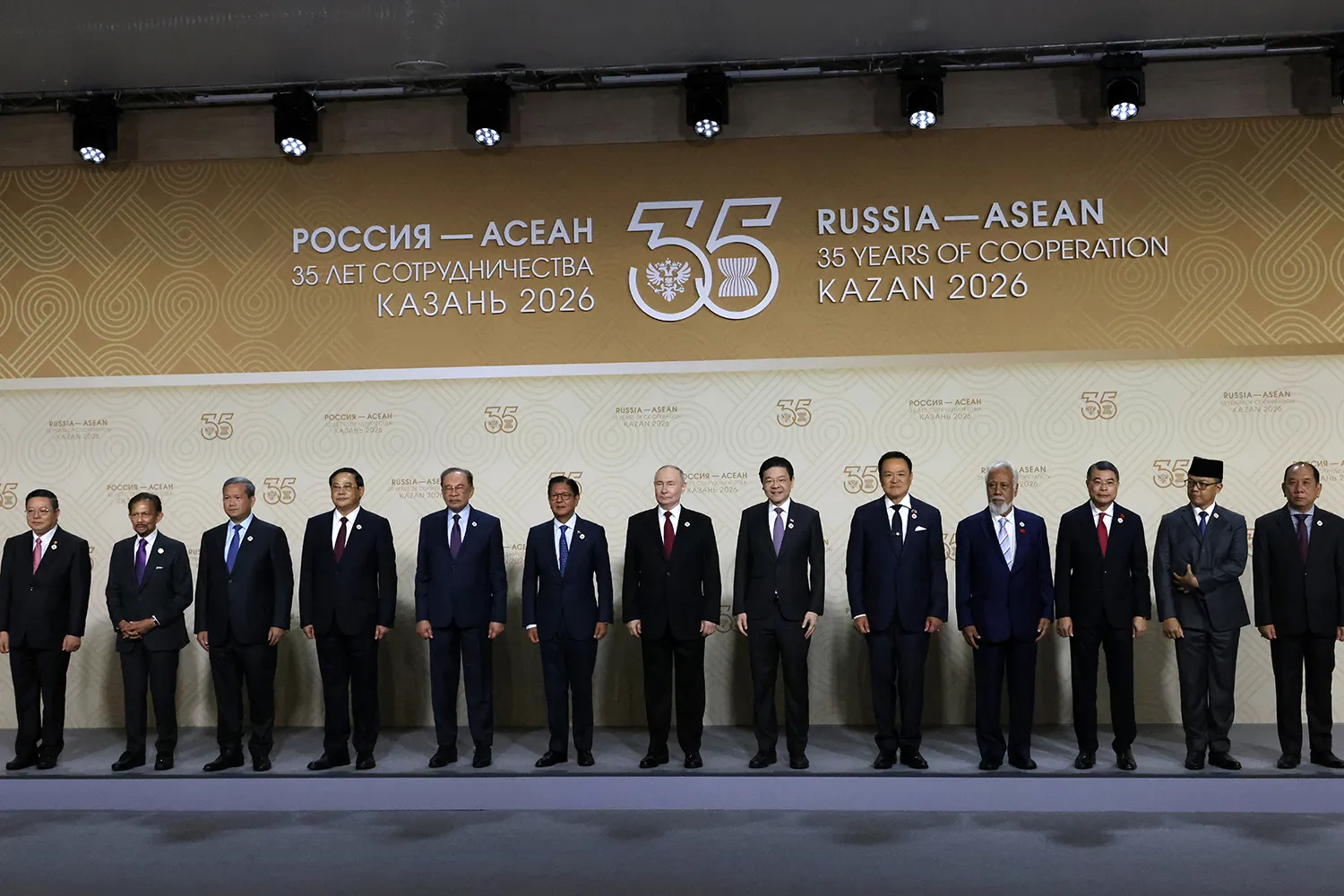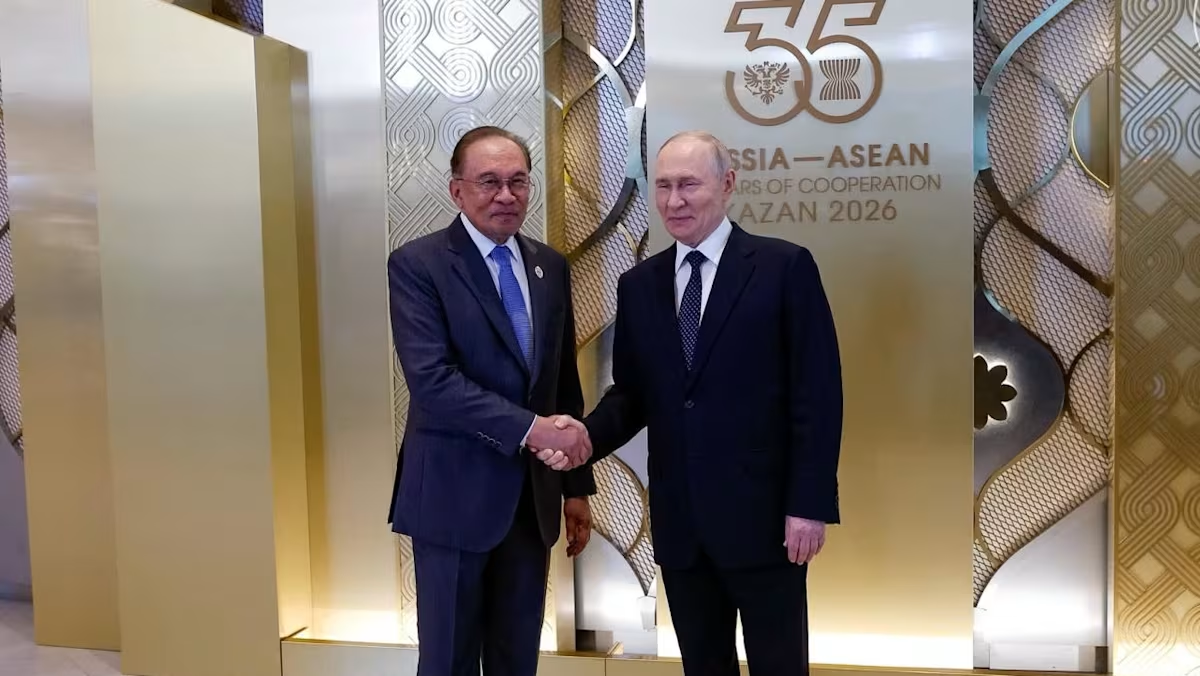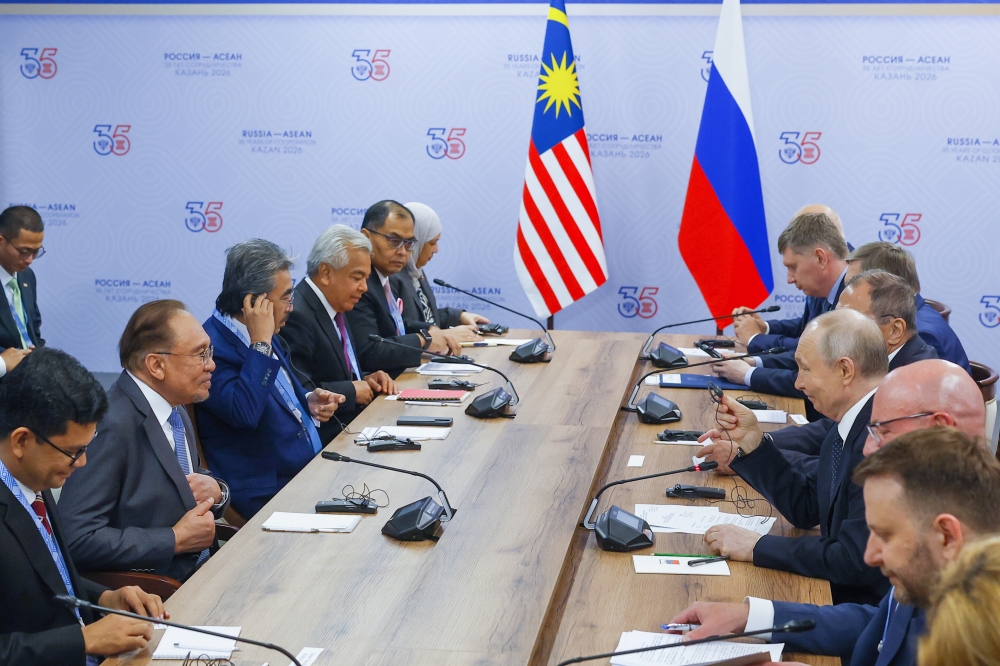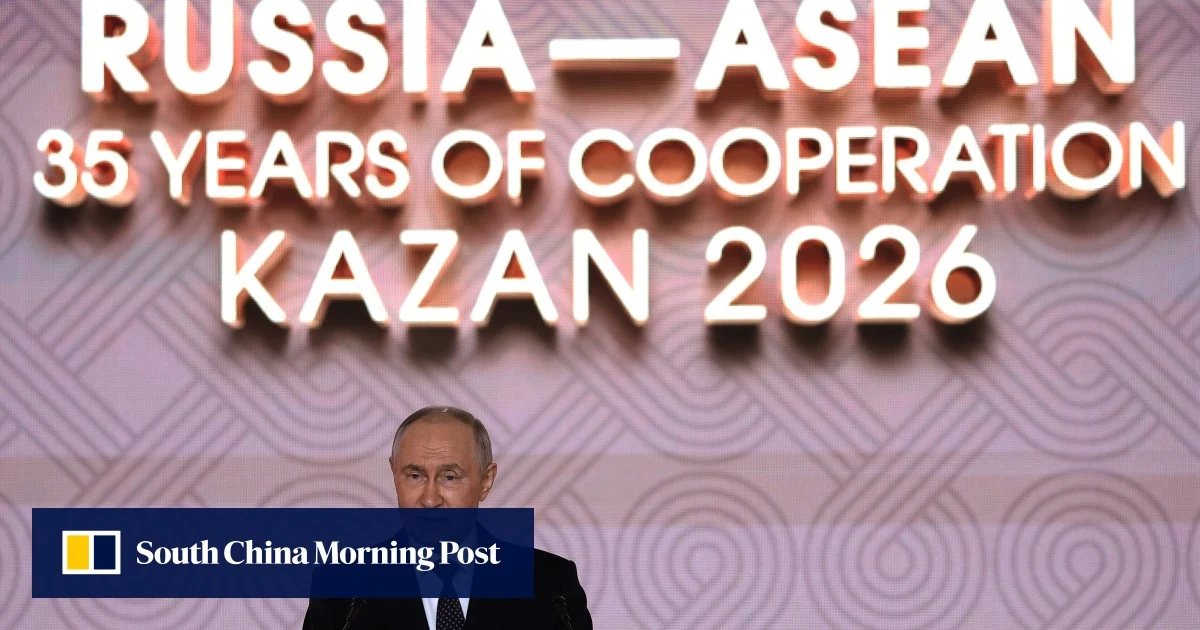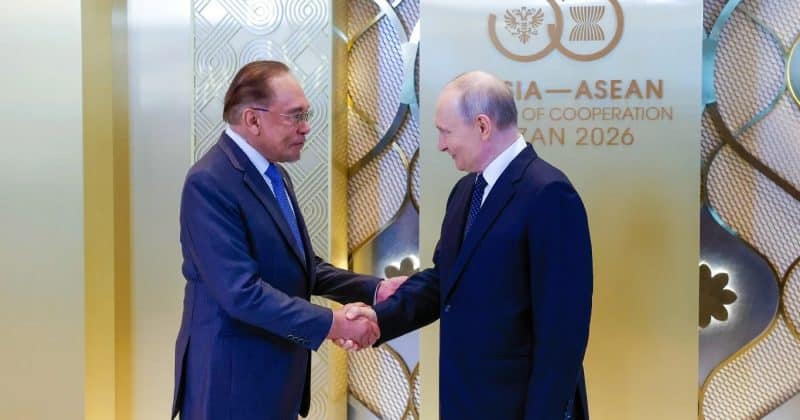
Russia’s President Vladmir Putin and Malaysia’s Prime Minister Anwar Ibrahim declared at the recent ASEAN-Russia Commemorative Summit in Kazan that Russia has assured Malaysia that it will maintain a long-term supply of petrol, oil, and gas to the country.
However, Malaysia is itself an exporter of oil and gas, and is expected to remain a net exporter of gas until 2035. While it is true that it is a net importer of oil, it has always relied on the Saudis and other suppliers in the Middle East, including Iran, for supplies. For 30 years, U.S. sanctions have not mattered much to Petronas’ business in Iran. In recent years, Malaysia has even ignored threats from the United States by refusing to intervene in the sale of sanctioned Iranian oil to China via ship-to-ship transfers in and around Malaysian waters. Iran has reciprocated by granting safe passage to tankers carrying crude bound or Malaysia at the height of its blockade of the Strait of Hormuz.
Given its prominence and half-century history of activity in international markets, Petronas has always managed to source supplies of crude oil and gas to cover short term deficits to meet local or export needs. There has never been a need to seek assurances of supply from anyone, and that makes the Anwar-Putin declaration intriguing to say the least. The answer, I want to suggest, may lie in Putin’s need for U.S. dollars amid the Ukraine war sanctions imposed on Russia, which have adversely affected Russia’s ability to sell oil and gas on the international market.