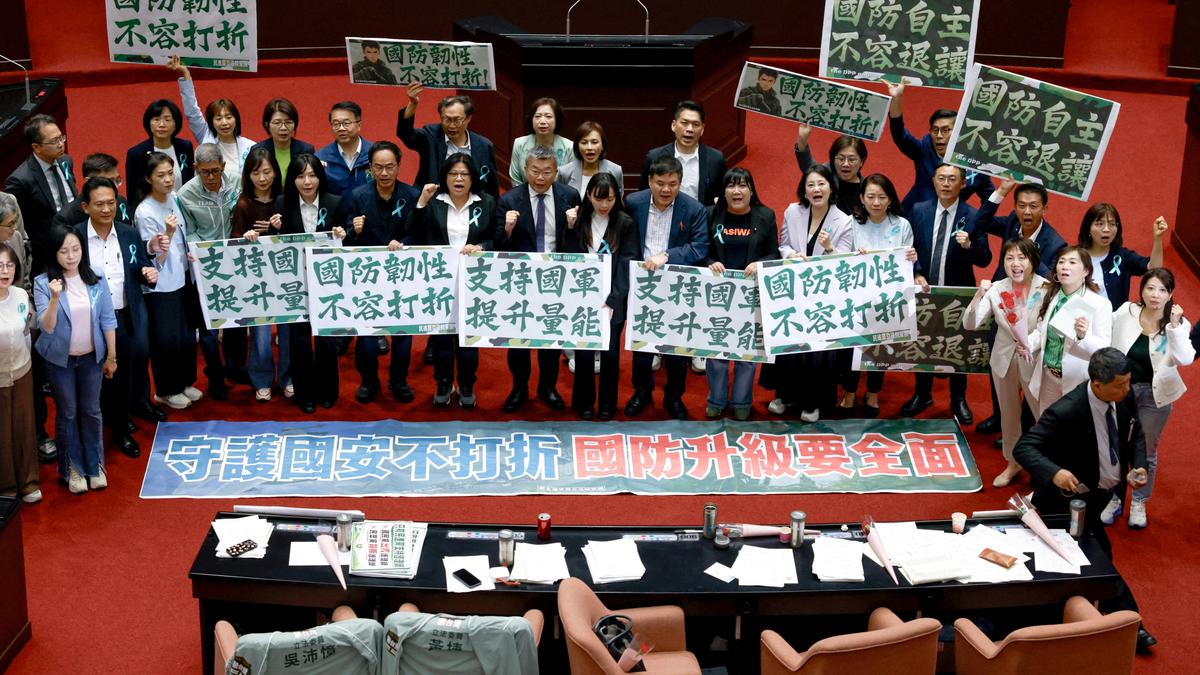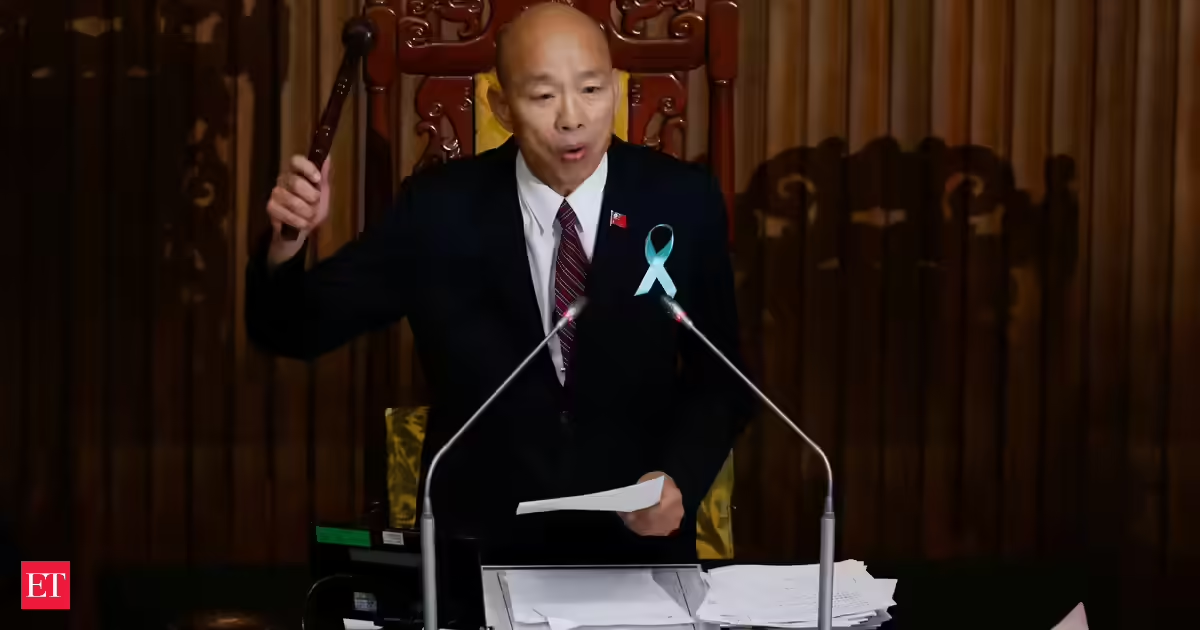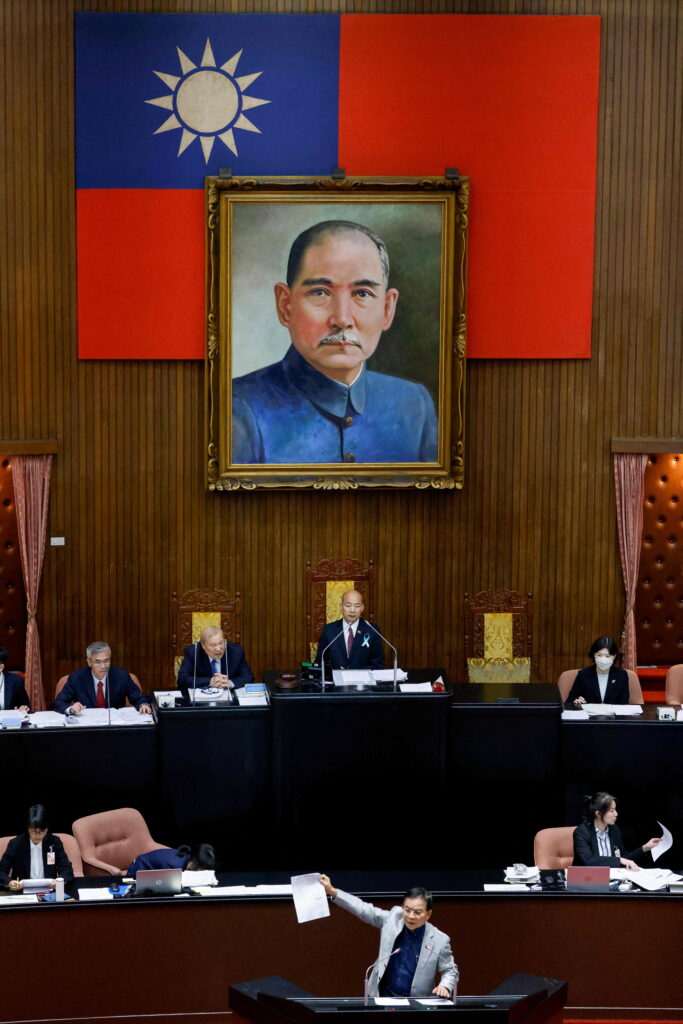
On 8 May 2026, Taiwan’s legislature passed an NT$780 billion (US$24.9 billion) special defence budget. Passed by a divided government, this final figure was far below the NT$1.3 trillion (US$40 billion) requested by President Lai Ching-te’s administration. The bill formalises a restrictive oversight framework that replaces long-term strategic investment with continuous parliamentary approval.
By conditioning future procurement on official US Letters of Offer and Acceptance, the legislature has signalled a structural shift in Taiwan’s defence posture — one that creates a deterrence deficit at a time of intensifying regional pressure.
The Democratic Progressive Party’s struggle to secure its original proposal reveals a widening gap between public sentiment and legislative leverage. Public opinion polls consistently show over 60 per cent support for the special defence package, reflecting stronger Taiwanese identity and public resolve for self-defence. But this popular mandate has failed to translate into political pressure on the opposition.
This disconnect stems from institutional realities. At the electoral level, the failed Grand Recall campaign of 2025 showed that local patronage networks and pressing domestic concerns insulate district-level lawmakers from national security debates. The opposition coalition has also neutralised key institutional checks, including by stalling Constitutional Court appointments — removing the primary referee for executive–legislative disputes. As a result, the Lai administration has been unable to convert broad public sentiment into meaningful accountability for legislators who stall executive agendas with relative impunity.