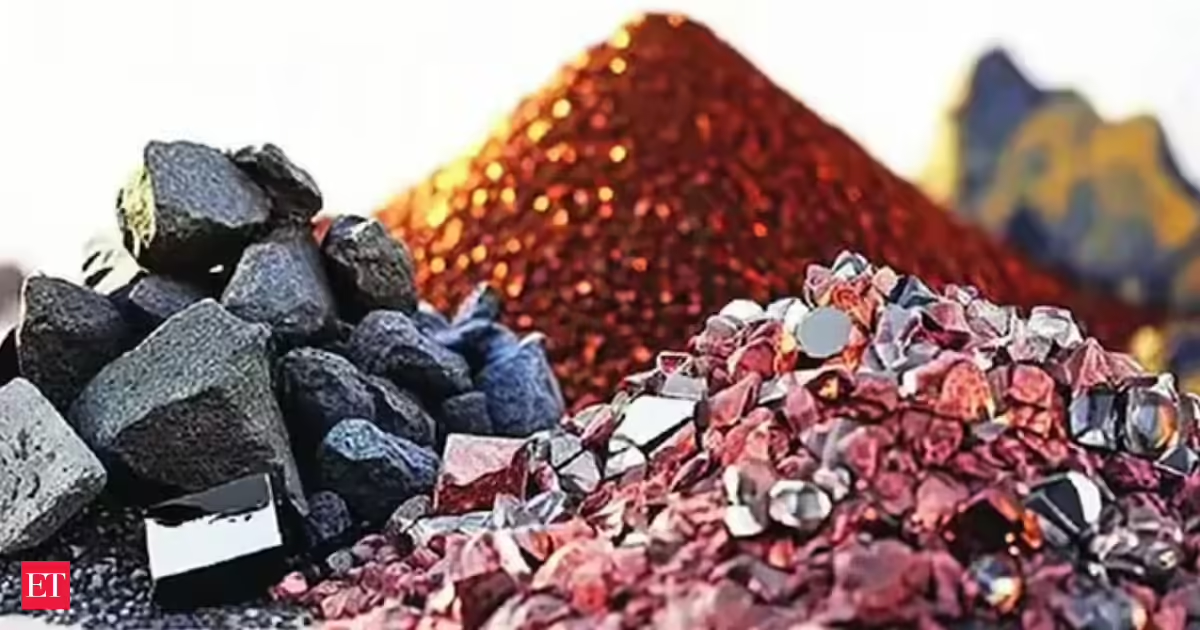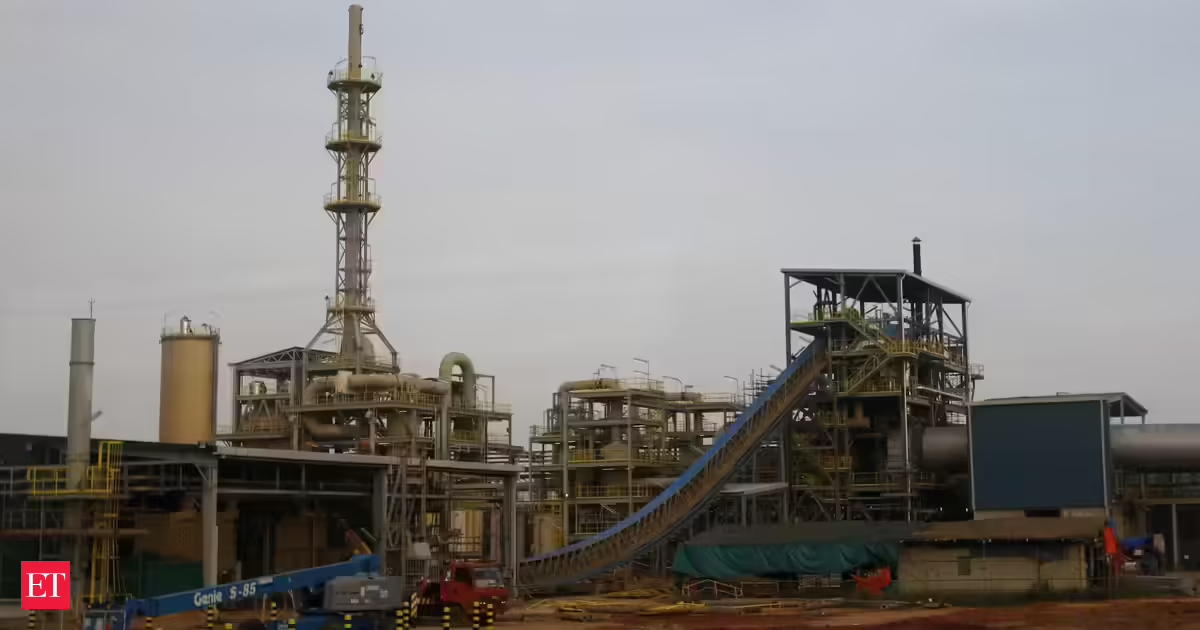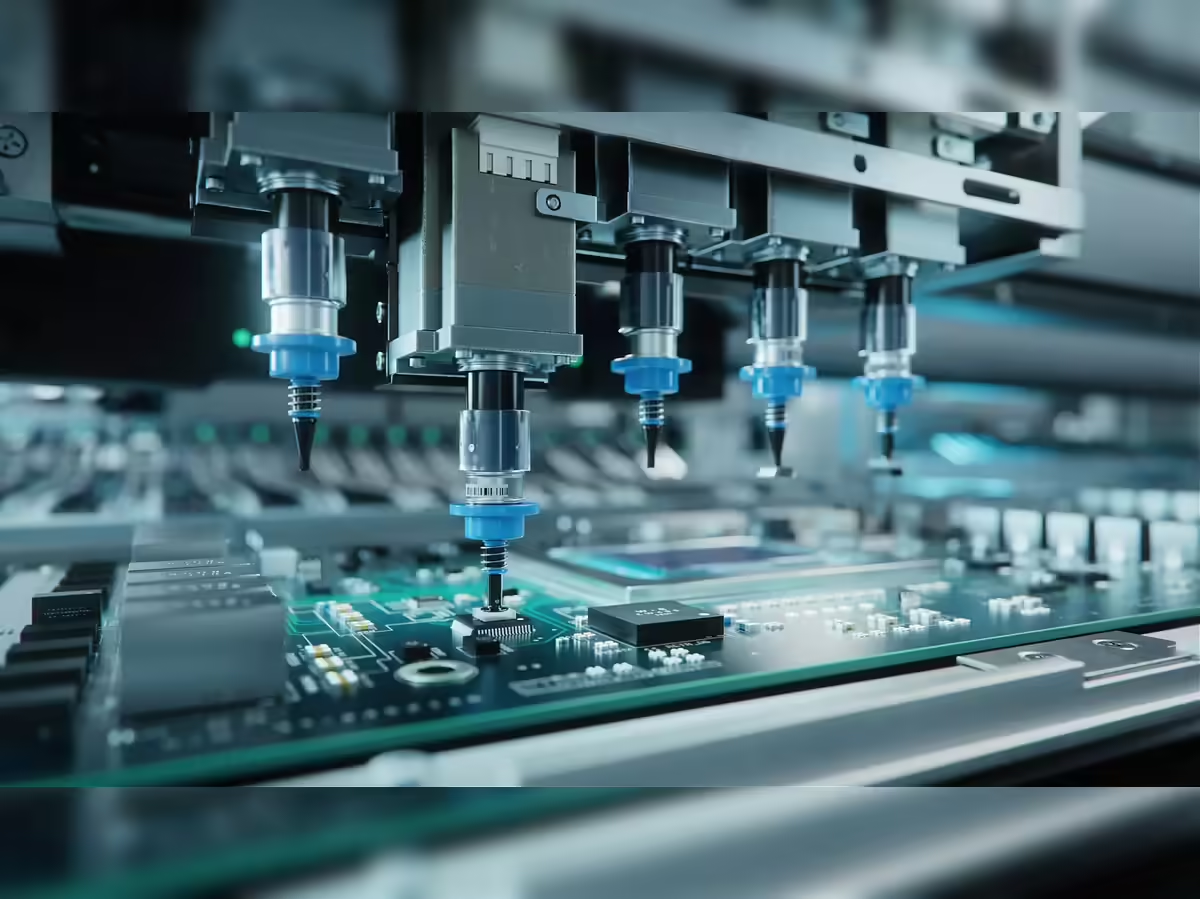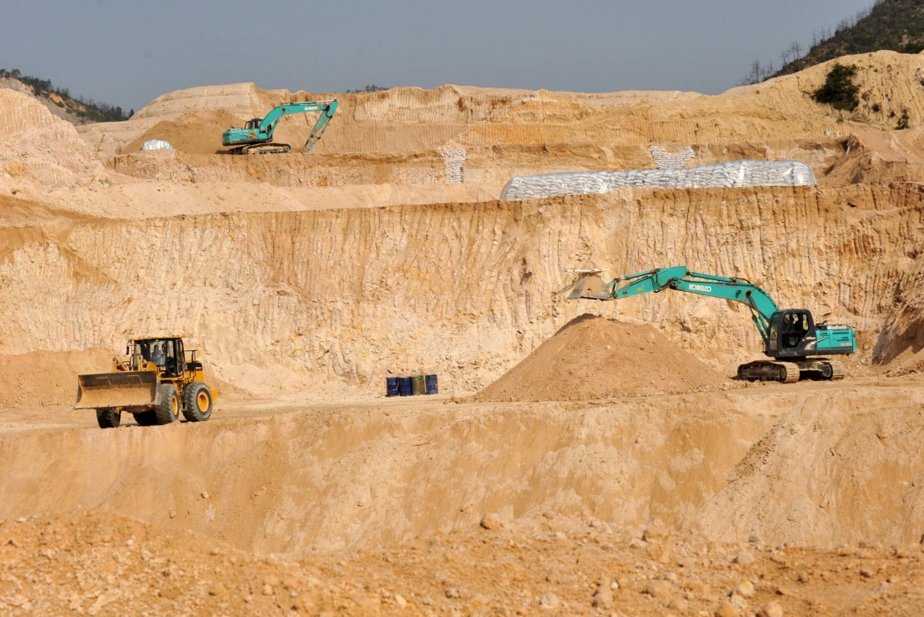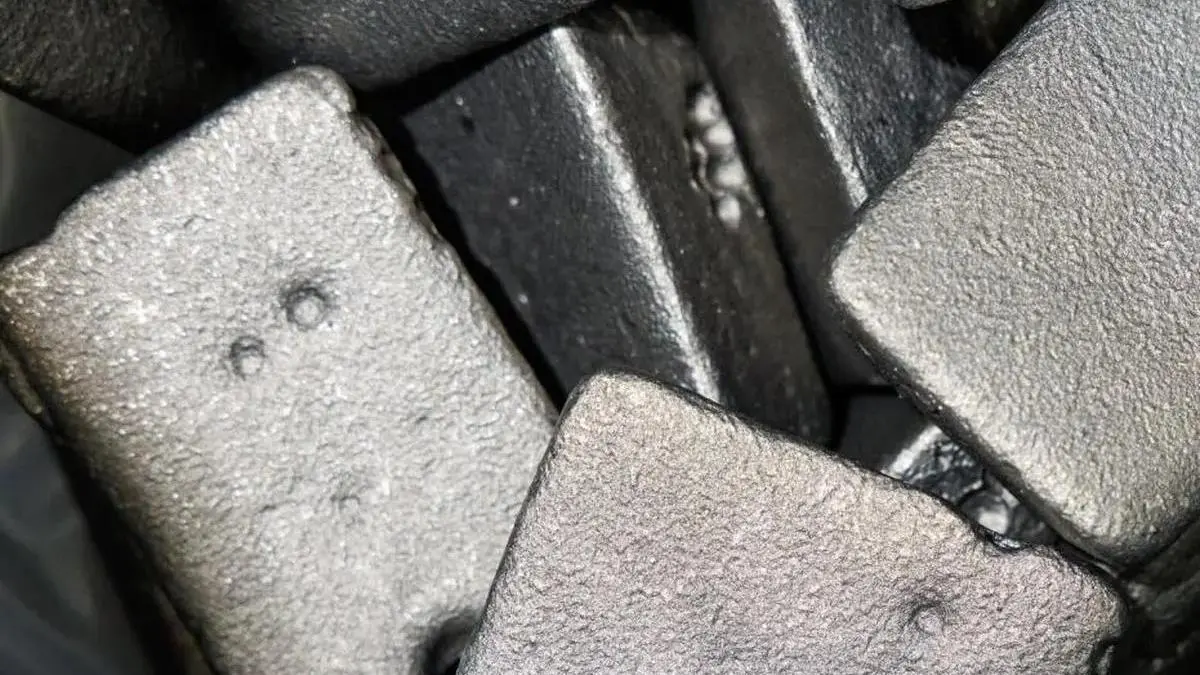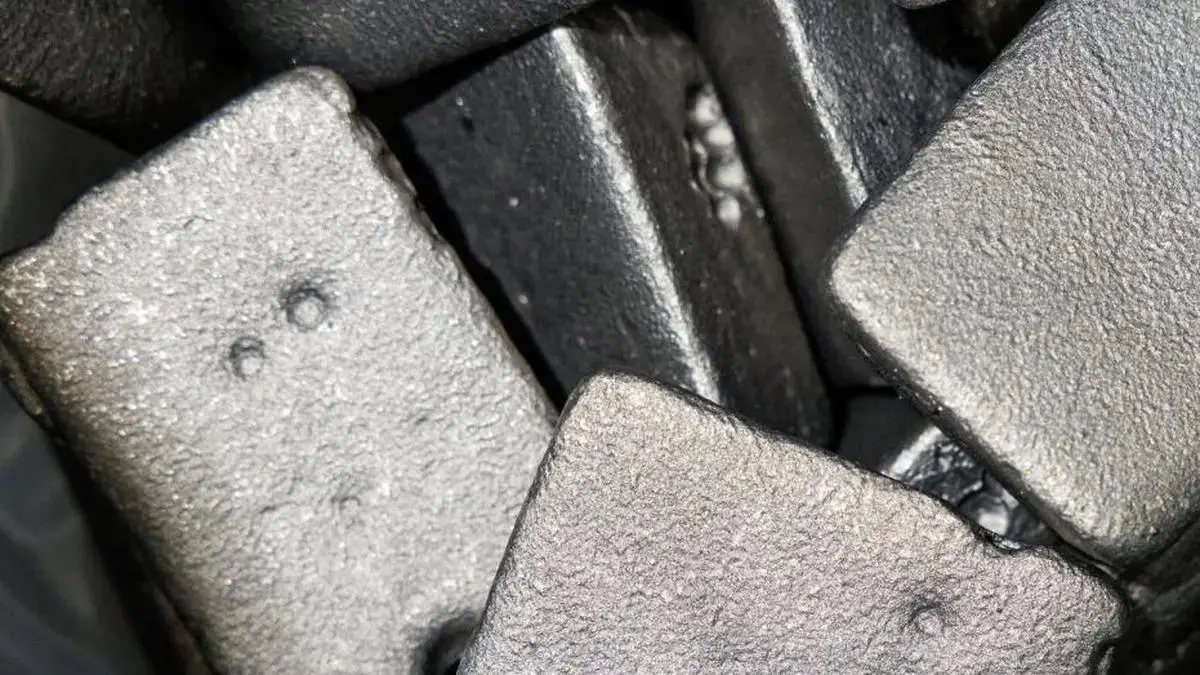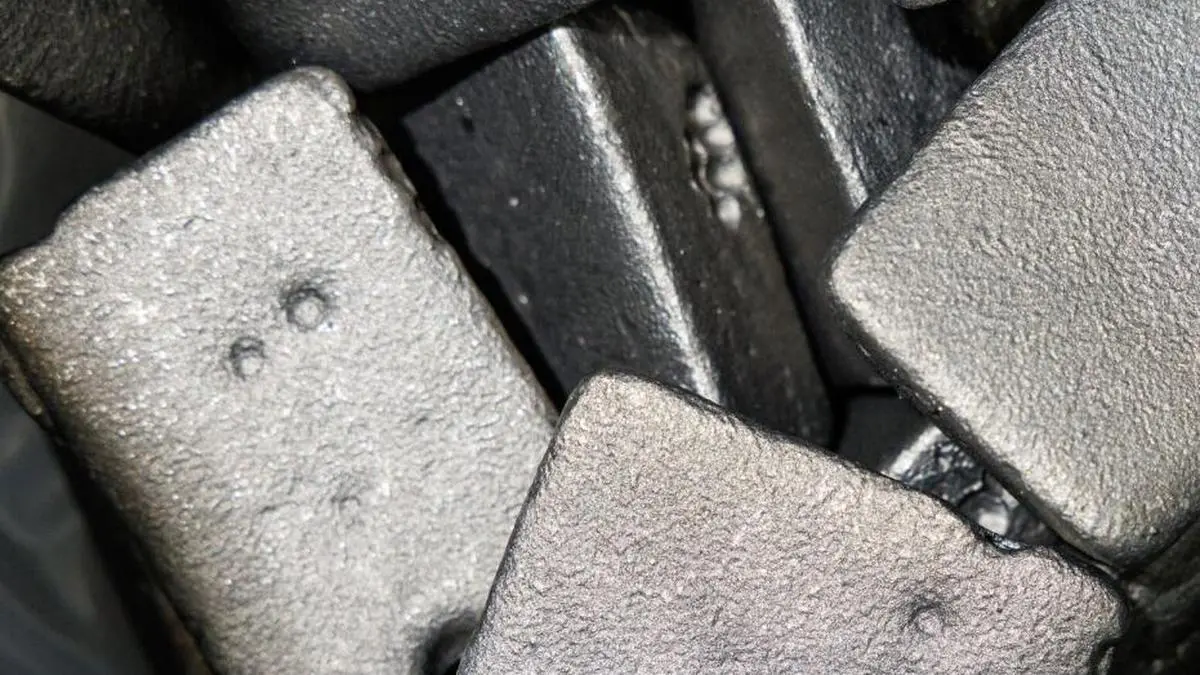
Localising magnet production would provide greater control over one of the most critical inputs used in electric vehicle traction motors.
The Ministry of Heavy Industries (MHI) has extended the bid submission deadline for its ₹7,280-crore Scheme to Promote Manufacturing of Sintered Rare Earth Permanent Magnets (REPM) by a month after multiple stakeholders sought additional time to prepare bids, highlighting the complexity of building one of India’s most technologically demanding manufacturing ecosystems. Bids, originally due on June 29, can now be submitted until July 29, while technical bids will now be opened on July 30 instead of June 30, according to an addendum issued by the ministry on Wednesday. The ministry said the extension was aimed at facilitating wider participation in the global tender.Industry observers say firms such as Tata AutoComp Systems, Bosch India and companies within the Mahindra components ecosystem are seen as natural contenders because of their growing exposure to electric vehicle powertrains and localisation programmes.On the strategic side, Mishra Dhatu Nigam Ltd (MIDHANI), working with research institutions such as C-MET and DRDL/DMRL, is also viewed as a potential participant given the critical role rare earth magnets play in aerospace, missile and defence applications.The Ministry has not disclosed the identities of companies participating in the global tender, which is being conducted through a two-stage procurement process. However, industry observers expect interest from large automotive Tier-I suppliers, engineering conglomerates and strategic materials companies.Localising production for greater control over critical EV inputsFor automotive suppliers, the opportunity extends beyond government incentives. Localising magnet production would provide greater control over one of the most critical inputs used in electric vehicle traction motors while reducing dependence on imported components as localisation requirements tighten.The additional time comes despite the Centre offering one of its most attractive manufacturing incentive packages. The scheme, approved by the Union Cabinet in November 2025, has a financial outlay of ₹7,280 crore, comprising a ₹750-crore capital subsidy and ₹6,450 crore in sales-linked incentives over five years. Eligible manufacturers can claim incentives of up to 40 per cent of eligible net sales, while the three lowest bidders will receive limited assured supplies of Neodymium-Praseodymium (NdPr) oxide from state-owned IREL (India) Ltd. The government plans to select up to five beneficiaries, each with capacities ranging from 600 metric tonnes per annum (MTPA) to 1,200 MTPA, to build an overall domestic manufacturing capacity of 6,000 MTPA.Yet industry executives say financial incentives alone cannot overcome the technical barriers associated with rare earth permanent magnet manufacturing. Unlike conventional production-linked incentive (PLI) schemes that largely expand existing manufacturing capacity, the REPM programme requires companies to establish an entirely new metallurgical value chain, from processing rare earth oxides to manufacturing finished magnets, using technologies that are concentrated among a handful of global players.Technology remains the biggest hurdleIndustry experts say the biggest challenge is not procuring machinery but accessing manufacturing know-how.Sintered Neodymium-Iron-Boron (NdFeB) magnets require highly specialised powder metallurgy involving alloy preparation, micron-level powder production, oxygen-controlled processing, vacuum sintering and precision heat treatment. While production equipment can be sourced globally, the manufacturing processes remain closely guarded intellectual property, primarily held by companies in China and Japan.Without credible technology partnerships, companies risk investing heavily in facilities that may struggle to consistently produce magnets meeting the demanding quality standards required by electric vehicle manufacturers, wind turbine companies and defence customers.Even after commissioning a plant, manufacturers must undergo customer qualification cycles that can take between 12 and 24 months before magnets are approved for commercial use, delaying capacity utilisation and revenue generation during the early years.Feedstock remains another concernRaw material security is another issue influencing investment decisions.Although the scheme offers limited assured supplies of NdPr oxide from IREL to the three lowest bidders, industry participants note that India’s upstream rare earth processing ecosystem is still evolving, raising concerns over long-term feedstock availability as production scales up.Manufacturers are also evaluating access to heavy rare earth elements such as dysprosium and terbium, which are essential for high-performance magnets used in electric vehicle traction motors and advanced defence systems operating at elevated temperatures. Supplies of these materials remain highly concentrated globally, leaving manufacturers exposed to geopolitical risks even if domestic NdPr processing expands.A strategic bet for India’s manufacturing ambitionsRare earth permanent magnets are among the most critical components used in electric vehicles, wind turbines, robotics, industrial automation, consumer electronics, aerospace and defence systems. Developing domestic manufacturing capability has become a strategic priority as countries seek to diversify supply chains that remain heavily dependent on China.For India, the success of the REPM scheme could strengthen localisation across the electric mobility ecosystem while creating strategic capability in advanced materials.“The one-month extension therefore reflects less a lack of industry interest than the reality that companies are taking additional time to address technology access, raw material security and execution risks before committing to one of India’s most ambitious manufacturing programmes.” leading industry observers told businessline.Published on June 25, 2026