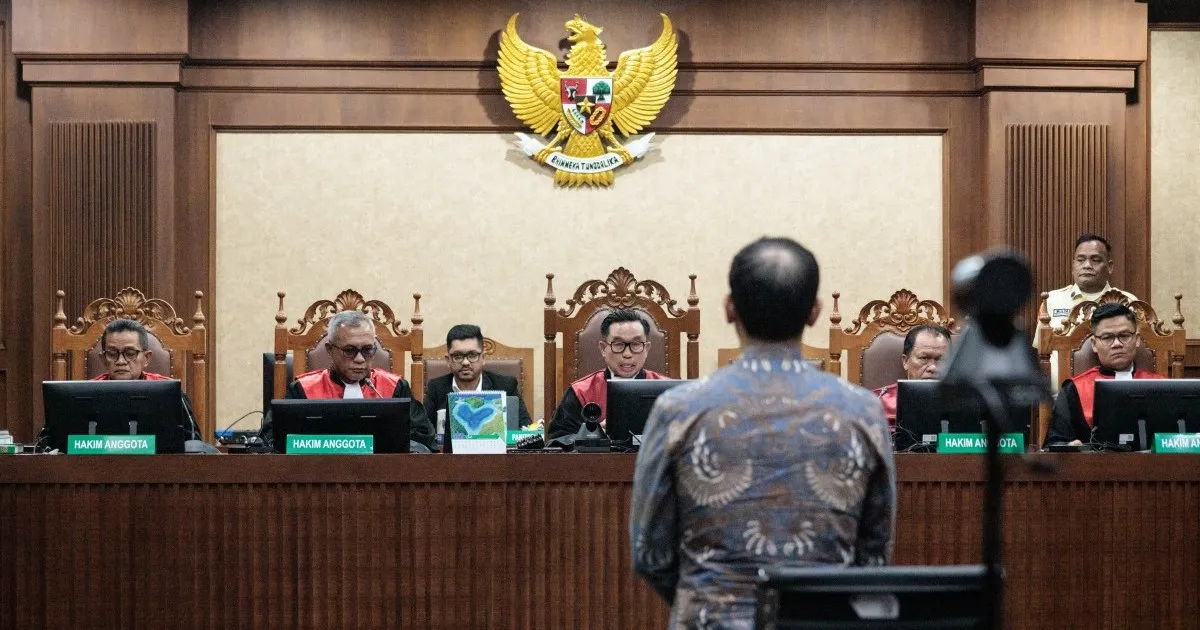
JAKARTA: Indonesia's tech industry has watched some of its brightest stars come crashing back to earth in recent years, as start-ups that were once hailed as revolutionaries in their fields become embroiled in allegations of financial misconduct, shaking confidence in what was once Southeast Asia's most promising digital economies.Now, a court ruling linked to the collapse of a once high-flying agritech start-up has opened a new front in the debate.On Jun 18, the Jakarta Corruption Court sentenced Ivan Arie Sustiawan, the former chief executive officer (CEO) of TaniHub, and Edison Tobing, its former finance director, to nine and seven years in prison respectively for causing state losses amounting to US$25 million. The same court also sentenced Donald Wihardja, former CEO of investment firm MDI Ventures, and Aldi Adrian Hartanto, MDI's former vice-president of investments, to five and two years in prison respectively. Nicko Widjaja, former CEO of BRI Ventures, and the firm's former chief investment officer William Gozali were sentenced to three and two years respectively. MDI Ventures is a subsidiary of state-owned telecom giant Telkom that invested US$20 million in TaniHub. BRI Ventures is a subsidiary of Bank Rakyat Indonesia, another state-owned enterprise, that invested US$5 million in TaniHub. The court found that their failed investments in the now-defunct start-up constituted state losses.“The defendants agreed to invest (in TaniHub) without an independent audit, without being cautious in agreeing to (TaniHub’s) investment (proposal),” Teddy Windiartono, the presiding judge in the case, said as he handed down the guilty verdicts.William immediately lodged an appeal while the other five defendants are contemplating a similar move. Prosecutors, who originally demanded nine to 12 years in prison for the six defendants, have yet to decide whether they will appeal or not. The court case hasprompted debate within Indonesia's technology and investment communities, with some questioning if the losses stemmed from business decisions in a high-risk industry rather than criminal conduct."Foreign (venture capitalists) were already skittish about Indonesia since these cases blew up in December 2024," Rama Mamuaya, a digital ecosystem consultant and managing partner at private investment firm DSX Ventures, told CNA."The TaniHub case adds another layer: It confirms that government-linked capital can get you into legal trouble if the start-up fails."Industry insiders and experts warned that the implications could be far reaching. They predict fund managers will become more conservative in their investment decisions, prioritising safer, later-stage companies over riskier start-ups with the potential to drive innovation and create jobs.The government must formulate clear governance standards for venture capital investments and draw the line between business decisions and acts of crime to restore investor confidence, they urged.
Business risk versus criminal conduct: Indonesia court case linked to failed start-up stirs debate
Experts and industry insiders say Indonesia’s venture capital firms will be more risk-averse after former executives of two government-backed investment firms were sentenced to jail for their decision to invest in a now-defunct agritech pioneer.
1,796 words~8 min read