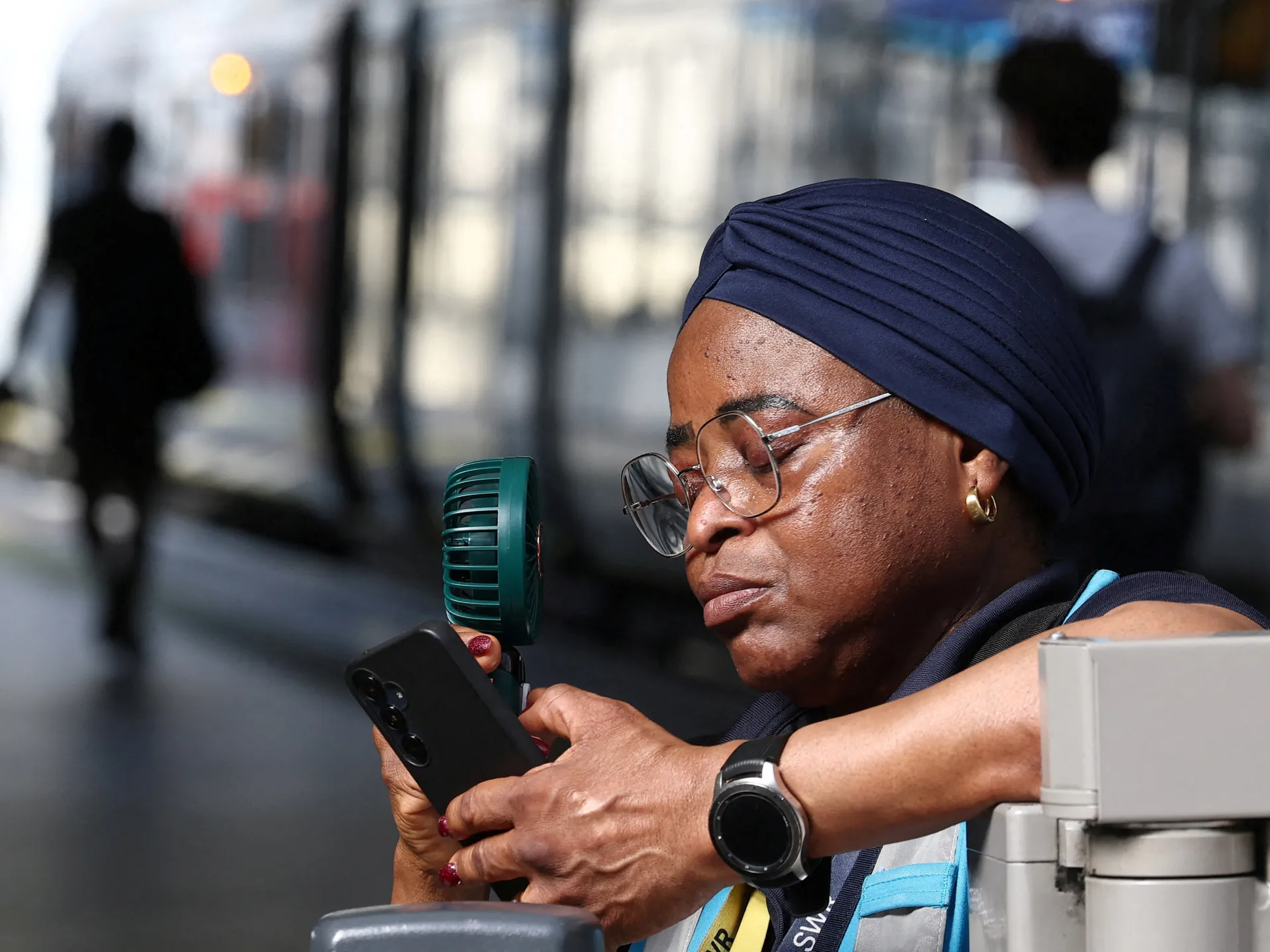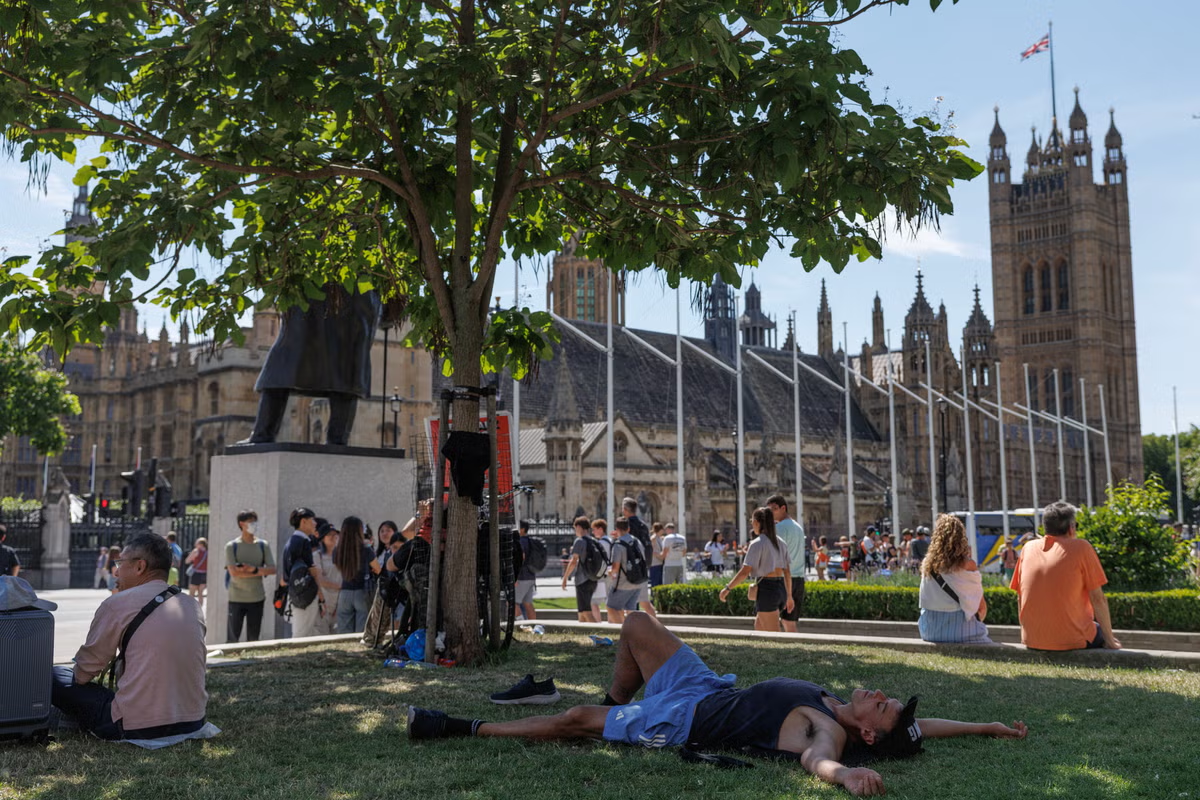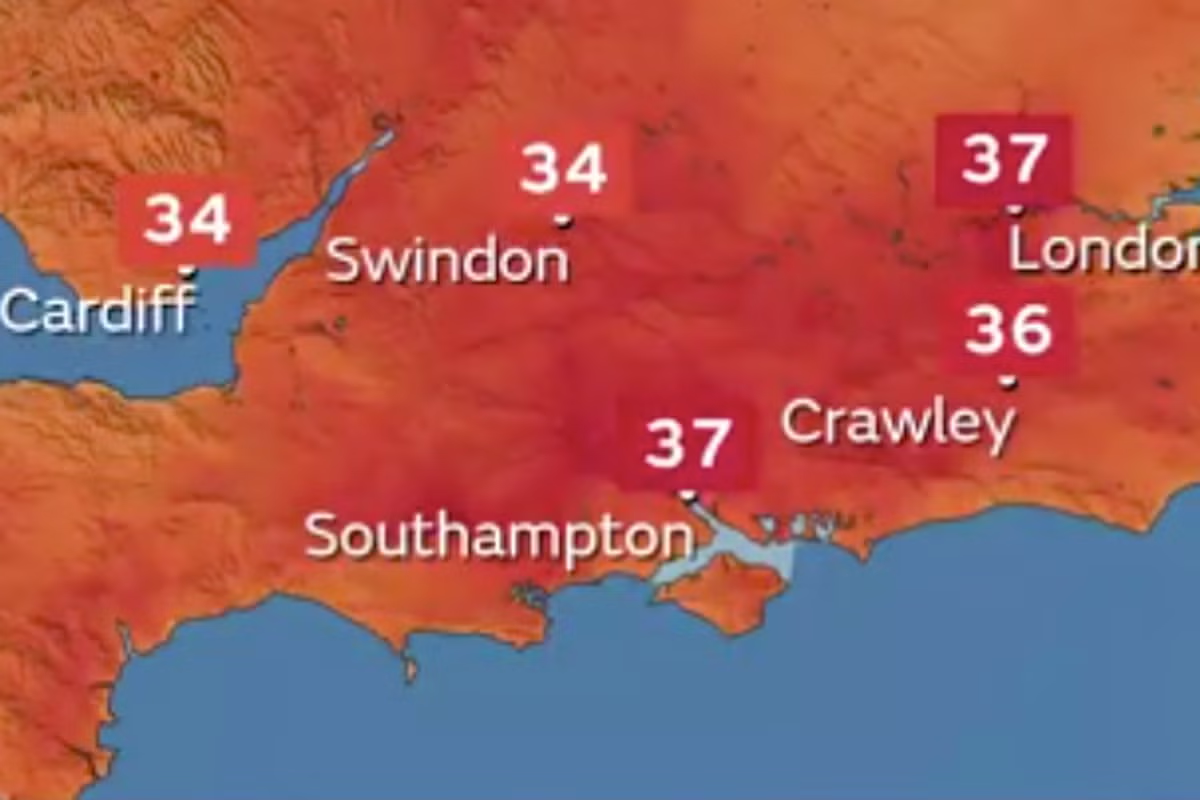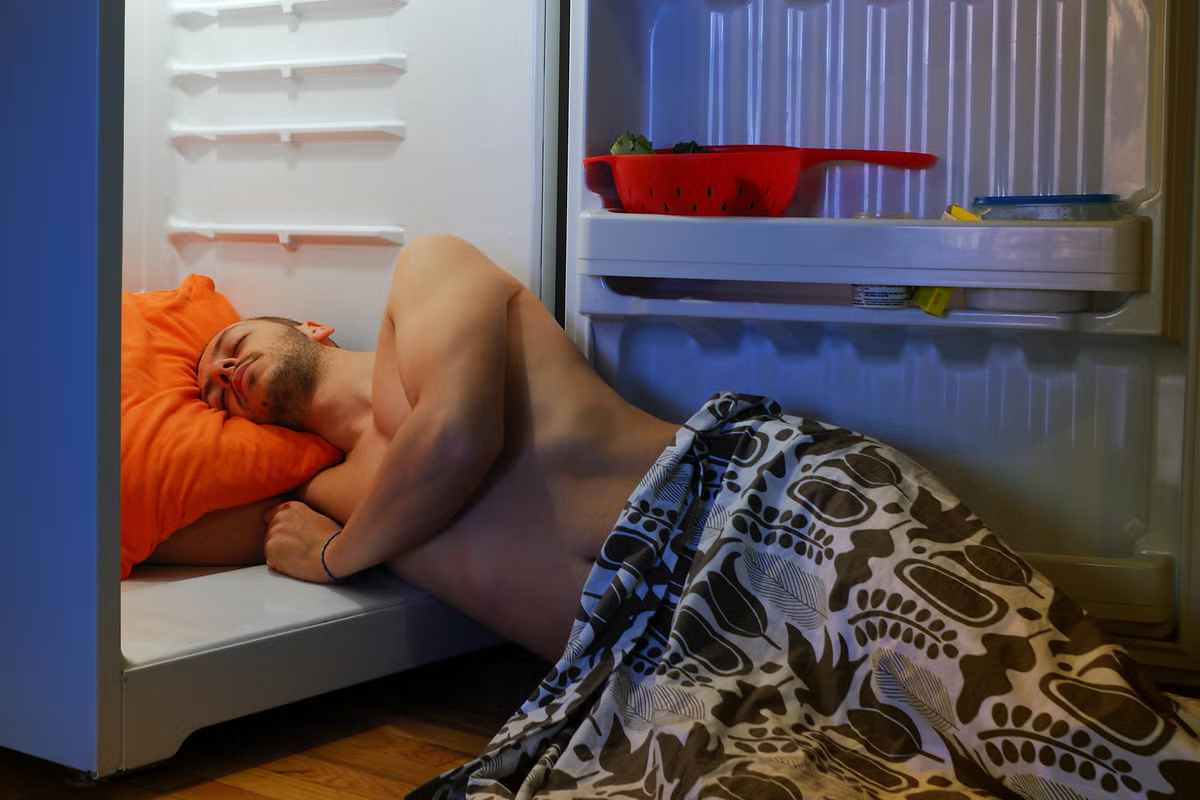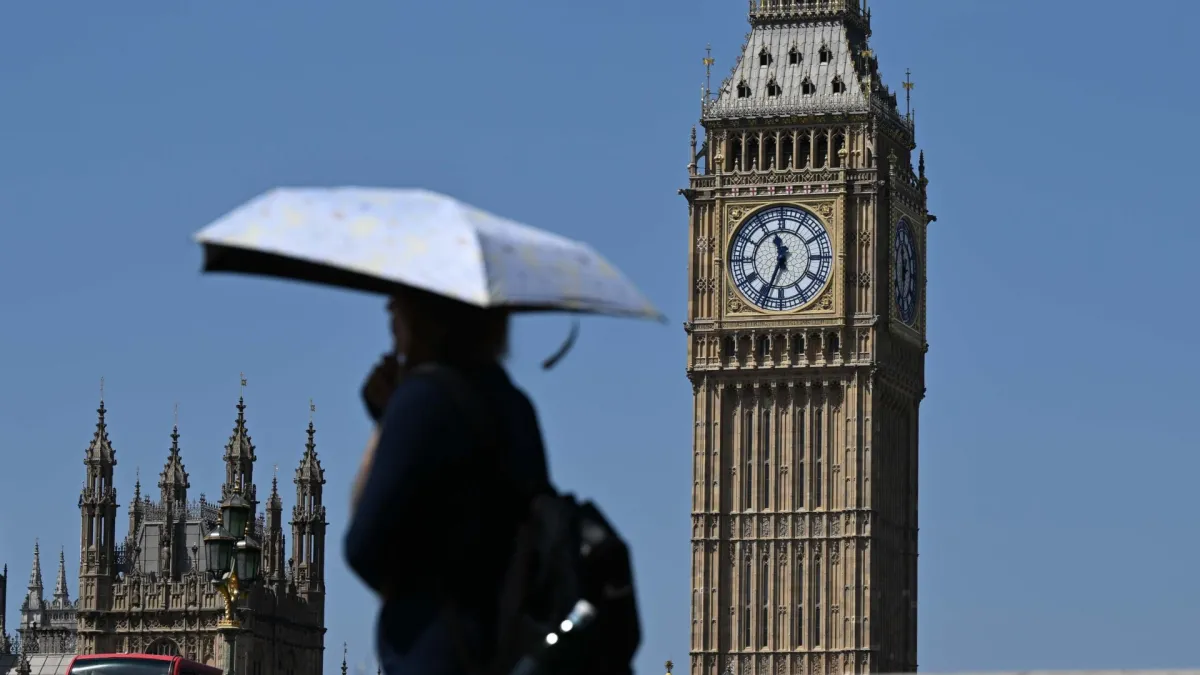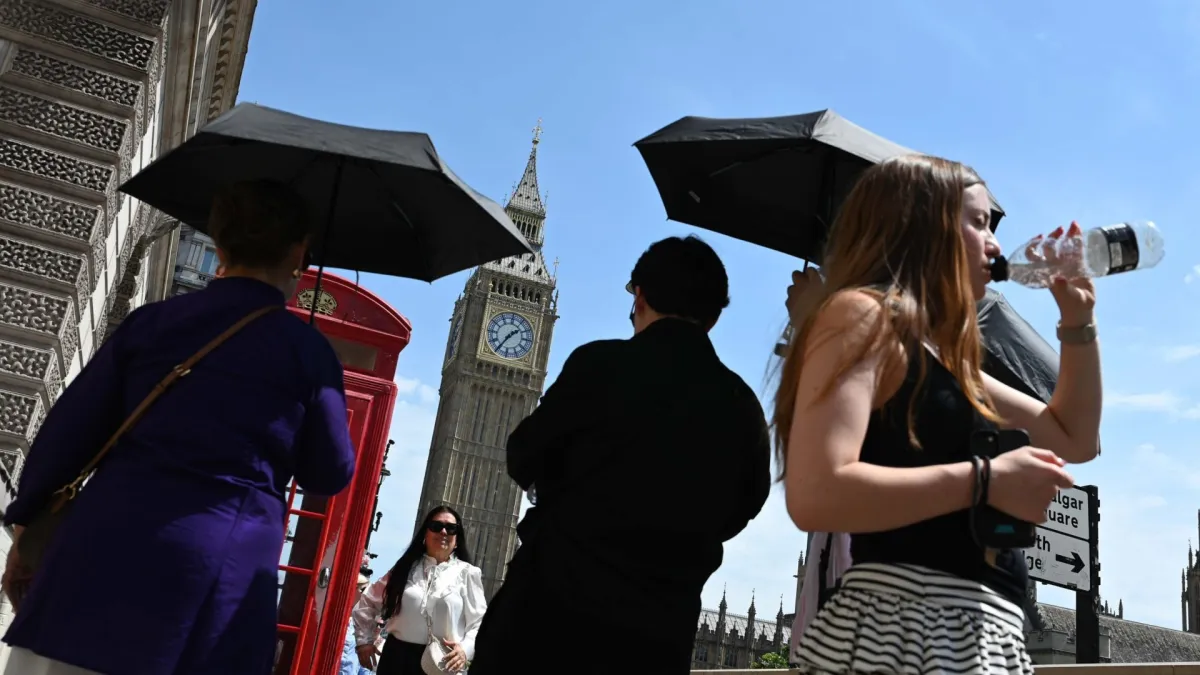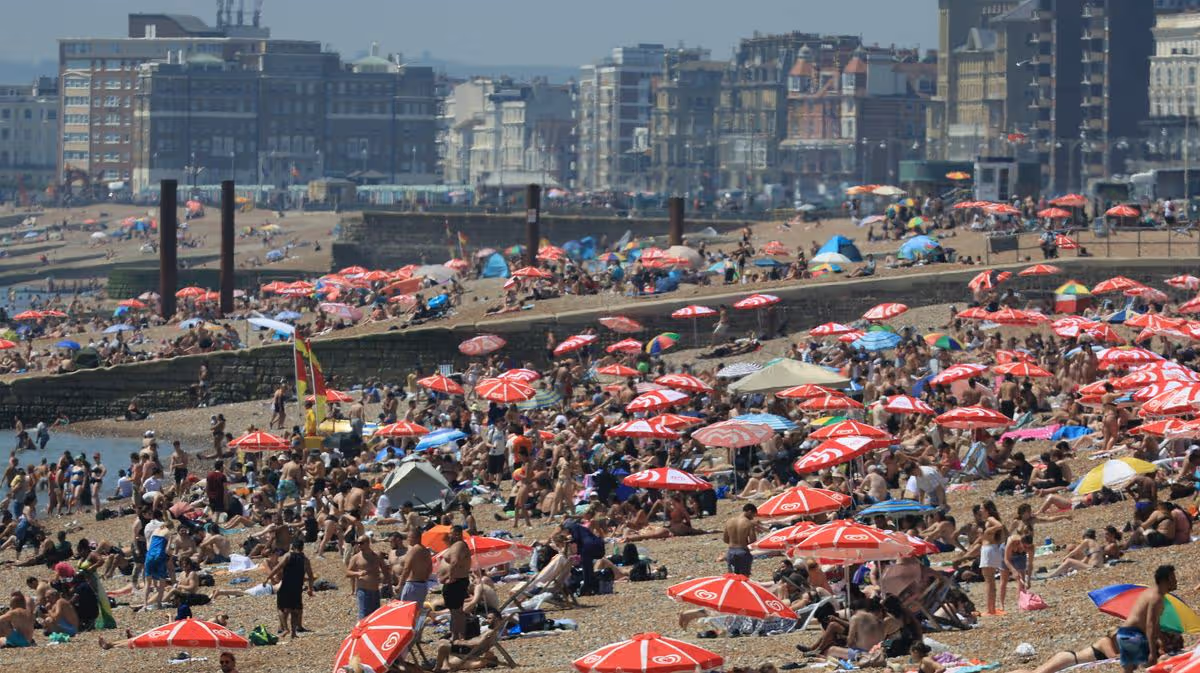
From drivers left sweltering on 'greenhouse' buses, to terrified new parents watching their babies sleep in baking bedrooms, the people of Britain are calling upon the Government to introduce a national heatwave resilience strategy12:12, 25 Jun 2026Updated 12:13, 25 Jun 2026In Newham, East London, a worried father struggles to get his five-month-old daughter to sleep in baking 30°C heat, knowing that the temperature of a baby's room shouldn't exceed 20°C.In Bristol, currently the hottest area of the country, a multiple sclerosis sufferer battles to see as the heat worsens her condition and robs her of her sight. Down the road, a bus driver is boiling in his 'greenhouse on wheels'.This is the Britain of 2026 as yet another heatwave grips the nation. According to the UK Health Security Agency (UKHSA), an estimated 10,781 heat-associated deaths in England were recorded as "a direct consequence of heatwaves" between 2020 and 2024. Greenpeace told us: "This is not a freak event - it’s happening every single year and it's a public health scandal."Without urgent adaptation, it's projected that this figure will soar to approximately 11,000 fatal cases every single year by the 2050s. In recent days, the stark reality has been impossible to ignore, and many have accused the Government of not doing enough to protect people.Weather forecasting maps suggest the mercury may soar to highs of 42°C, a foreboding warning of the sweltering summers to come. As Newham dad Jackson, 32, noted, "This is going to be the coldest summer of my daughter's life."According to a startling new analysis by the National Housing Federation (NHF) and the Chartered Institute of Housing (CIH), more than 70,000 babies in England, one in every six, are currently living in overheated homes.Babies in particular, who can't regulate their temperature or manage dehydration, are at particular risk, and tragically, overheating can increase the risk of sudden infant death syndrome (SIDS).Jackson says rising temperatures mean they're thinking twice about having more children, with 40°C days in London becoming more frequent. "Naively, we didn't really talk about what it means to bring someone into a world that is changing so much as a result of climate change," he told The Mirror."I can't imagine what parents are going through who have had kids in a heatwave or kids who are in neonatal intensive care units in boiling hot hospitals where air conditioning systems are failing because it's getting hotter and hotter and they're just not built to sustain it."For new parents like Jackson and his wife, it's a frightening time. The couple don't have permission to add an awning or other exterior shading, nor can they install air conditioning units. Closing the blinds can only do so much, and, with local children's centres, which do have air conditioning, closing their doors in the heat, the family has been left isolated. The four fans they are running make little impact.Standing out on his balcony while speaking with us, Jackson can see neighbours attempting to cool their homes with inefficient and minimally effective temporary air conditioning units. He believes it would be better for apartments to be built without "south-facing floor-to-ceiling windows that just let in heat throughout the whole day and no way to shade." He added: "There needs to be a change in the way we design our buildings."Those with health conditions are also struggling in the extreme heat. Becky Lee, from Bristol, is dealing with additional heat sensitivity as a person living with multiple sclerosis (MS), a chronic condition which affects a person's brain and spinal cord.Becky, 32, was first diagnosed around three years ago and can usually manage her MS well. However, heatwave conditions exacerbate symptoms such as fatigue, vision issues, and balance problems. "I'm a lot more tired. My vision is more blurry. And waking up in the morning, currently for like four hours after I wake up, and my whole body is covered in pins and needles," she said.The rollercoaster variations, from "boiling hot heatwave down to freezing cold again", have made it particularly difficult for Becky to regulate her body temperature. And then there are the additional complications of living as a single person, with nobody else there to take over cooking, the heat from which has done nothing to help the situation."I felt ill all week. It will get better again because it will obviously cool down. But in my head, I'm planning for next year now, thinking I need to get aircon installed ASAP, which is such an expense that people don't just have the money to kind of shell out," she said.A survey carried out by Scope's Lived Experience Research Panel in June 2025 found that a quarter of disabled people are significantly affected by hot weather, while nearly half reported that their medication can make them more sensitive to its effects.The impact on those with health conditions or disabilities was recently highlighted in a harrowing TikTok post by social media creator @Lozzy112944.The mum shared footage of her daughter, Lola, receiving therapy on the ninth floor of a London hospital, where she claims there was no air conditioning.At least, in some ways, project manager Becky counts herself as lucky that she is able to work indoors. For those working outside in scorching conditions, it's another story entirely.The Mirror spoke with Darren Ford, a bus driver of 17 years, who described the past week's conditions as 'horrendous. Darren, 45, works in Bristol, where overheated passengers have understandably been complaining about the stifling conditions on board.But, as Unite the Union rep Darren notes, while passengers may be suffering through a 30 or 40-minute journey, drivers facing down a five-hour stretch are contending with far tougher challenges.Darren told the Mirror: "It's like a greenhouse on wheels. You've got all these different windows, and it's magnifying the heat. There's no anti-reflective UV on any of the windows, so trying to cool it down is near impossible."Opening the doors at every stop means "there's just no way to keep the inside of that bus to a comfortable degree", and for drivers, this can take a serious toll.According to Darren, "you just feel overwhelmed. You're sweating, you're getting restless, tired, becoming fatigued, lightheaded, and dizzy. You can just feel everything just draining from you."Even a bottle of water in a cool bag won't do much under such circumstances. Drivers who leave the house at 4 or 5 am may well find that the "cool bag is now a warm bag" by the time the sun comes up.This comes as Unite the Union calls upon bus firms to act immediately to protect drivers from extreme temperatures, highlighting workers' fear of being disciplined or losing pay should they complain, plus the pressure they feel to complete journeys on time.Darren doesn't place much stock in the notion of maximum working temperatures, noting that "the whole of the country is going to shut down" given how common extreme temperatures are becoming.Going forward, Darren is instead urging the Government to put a plan in place - as it has for floods, storms and pandemics - to mandate that all public carrying vehicles be fitted with some form of air conditioning and ventilation system, and to look into solutions such as different glass designs to keep the inside as cool as possible.He reasoned: "I don't hear about this in the news every day about Australia, Spain, Greece, when I go on holiday every summer. And we're little old Britain, why can't this be?"This follows a petition urging the Government to "introduce a national heat resilience strategy and legal protection for excessive temperature in workplaces and homes."This petition, which requires 10,000 signatures to be raised in Parliament, has called for the Government to create a joined-up strategy to tackle extreme heat and to consult on a number of related topics, including maximum safe indoor working temperatures, minimum cooling and ventilation standards for new-build housing, and funding to retrofit existing buildings, including homes.Other suggestions include issuing public guidance and a focus on the implications for public transport during heatwaves. For many families across Britain, change simply can't wait until next summer.In a statement, Greenpeace told The Mirror: "The Government needs to stop winging it every time the country wilts in a heatwave. Extreme heat is no longer a rare inconvenience but a growing threat to public health, workers, children and critical infrastructure. Politicians need to start operating in the real world and wake up to the realities of a warming climate fuelled by the burning of fossil fuels."You can sign the petition to introduce a national heatwave resilience strategy and legal protections hereDo you have a story to share? Email me at julia.banim@reachplc.comArticle continues below
Brits demand heatwave plan as babies suffer and workers fry in climate crisis
From drivers left sweltering on 'greenhouse' buses, to terrified new parents watching their babies sleep in baking bedrooms, the people of Britain are calling upon the Government to introduce a national heatwave resilience strategy
1,439 words~7 min read