By Giulia Petroni and Mauro Orru
The Middle East war cut off roughly a third of the world's supply of helium, the invisible powerhouse of modern technology. The semiconductor industry so critical to artificial-intelligence systems didn't even blink.
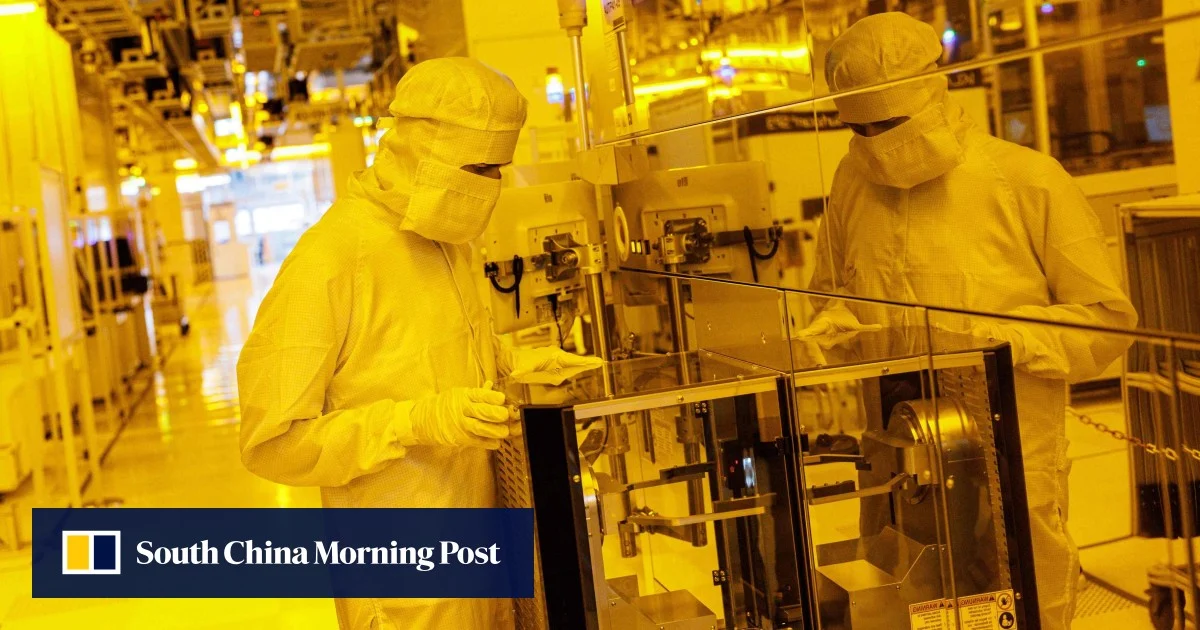
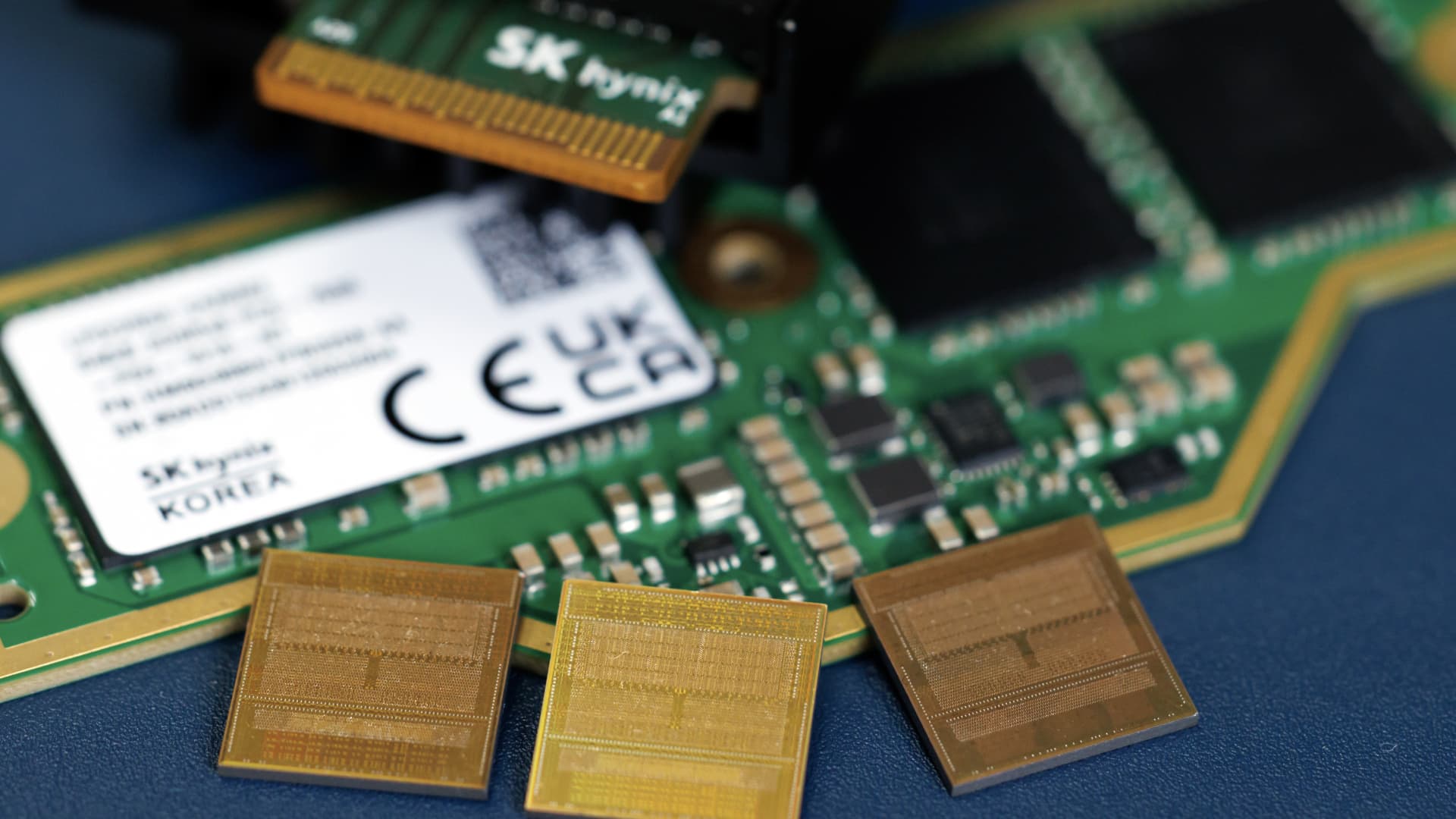
Chip makers were one step ahead thanks to a diverse network of suppliers that allowed their plants globally to keep operating at pace, backed by extensive helium storage caverns and on-site inventories.
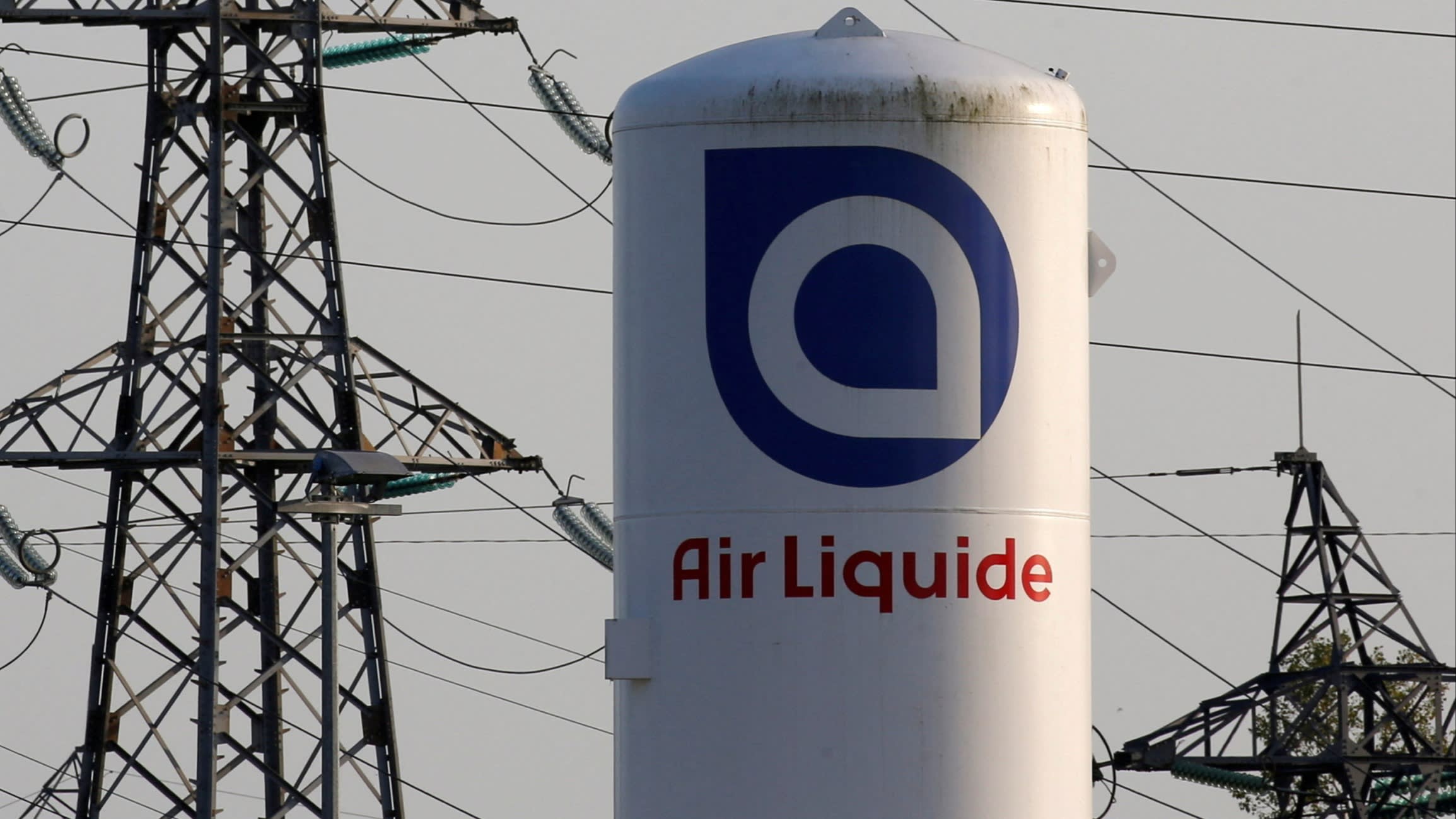
Best known as the gas that keeps balloons afloat, helium is a byproduct of natural gas production that is essential to many industries, including in the manufacture of advanced semiconductors, while also playing a key role in rocket propulsion and cooling MRI machines.
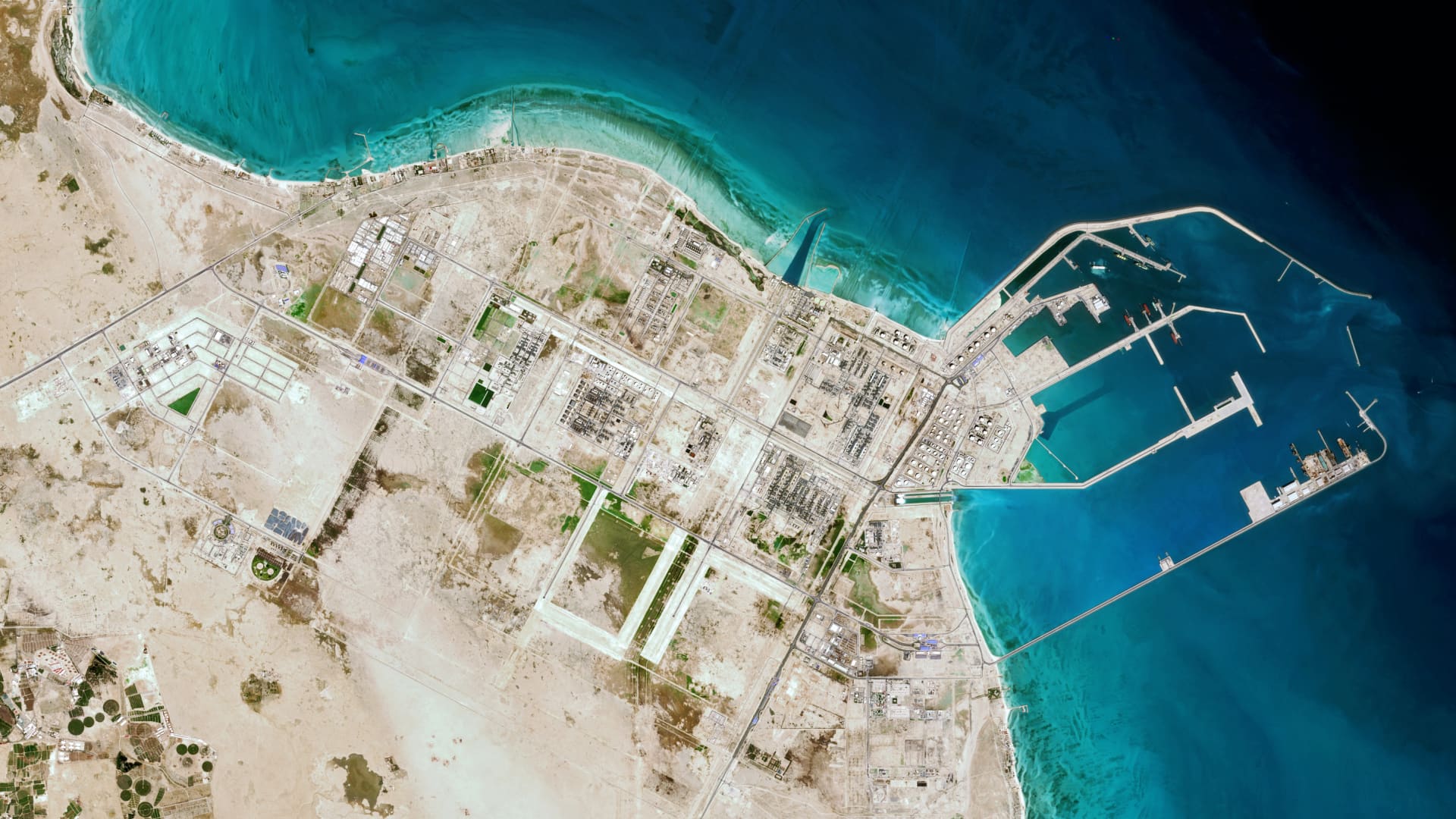
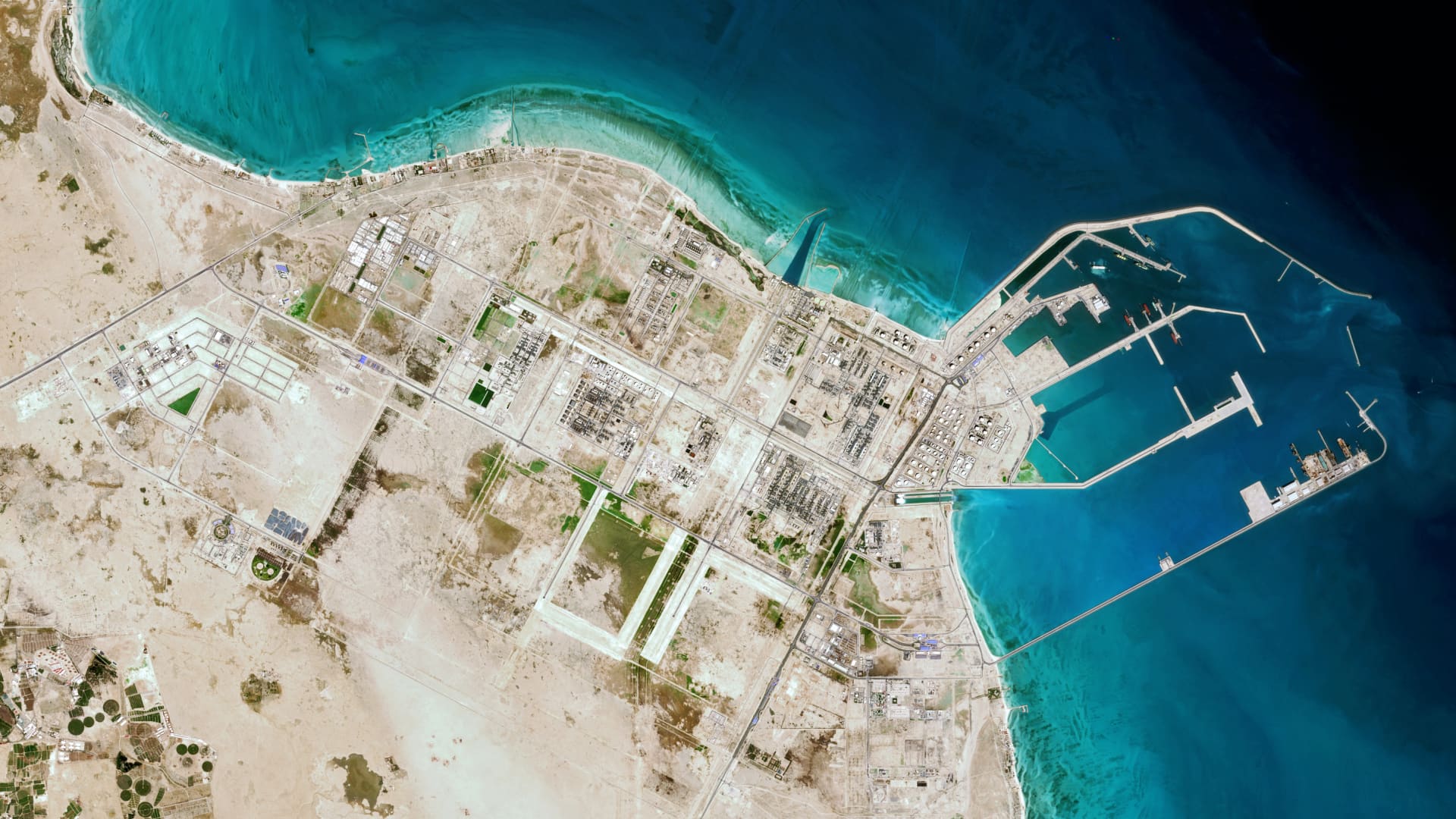
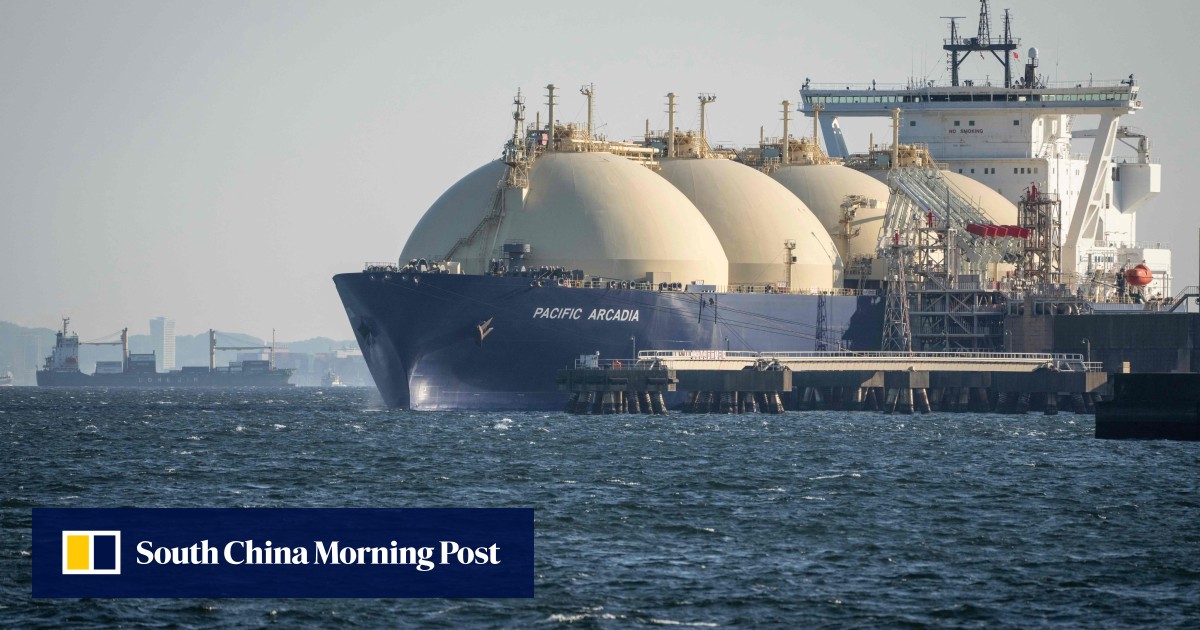
Qatar, which accounts for around 30% of global helium supply, was forced to halt production of liquefied natural gas early in the conflict due to Iranian attacks on Ras Laffan, a sprawling industrial hub north of Doha. Any disruption to LNG output directly cuts helium supply. Shipments out of the country also stalled after Iran closed the Strait of Hormuz.