The number of approvals for one-on-one classroom support teachers for students with special educational needs in Greece has surged nearly sixfold over the past decade, prompting education officials to reconsider how the system operates.
According to Education Ministry data, approvals for parallel support teachers rose from 5,579 in the 2016-17 school year to 31,667 in 2025-26. The ministry expects approvals to approach 33,000 next year.
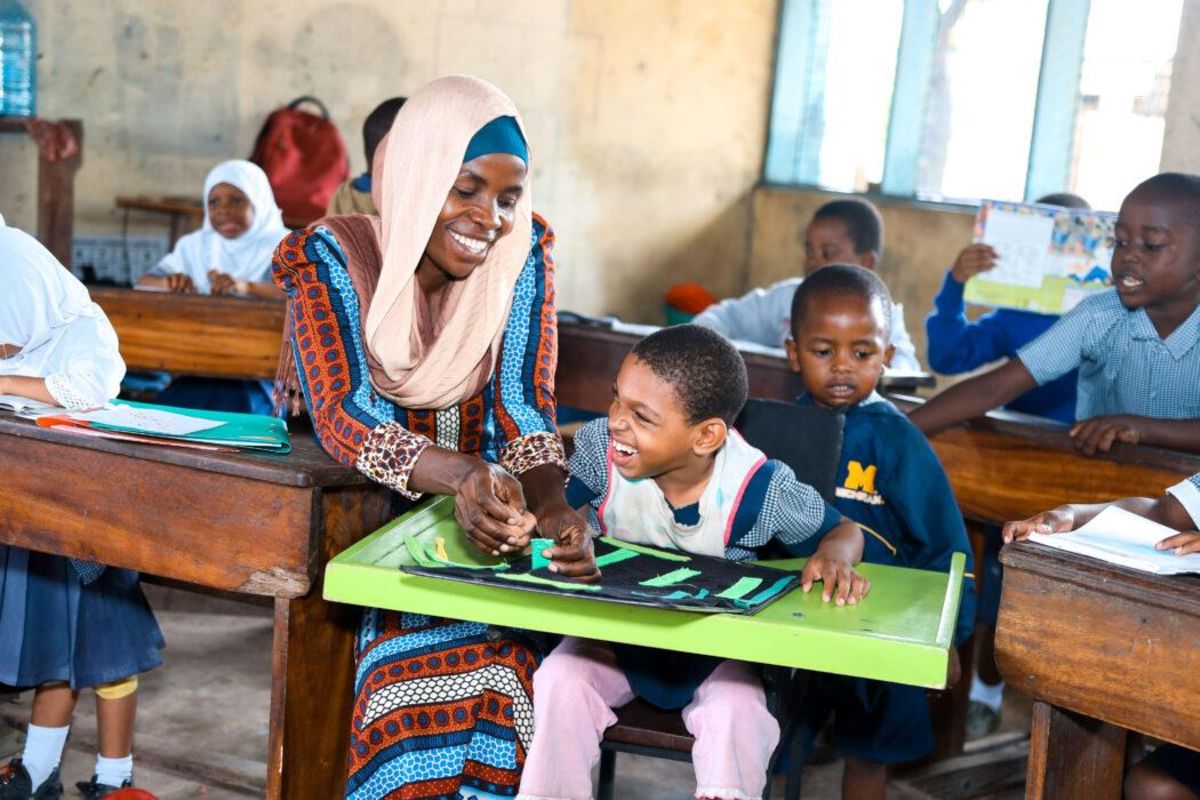
The program, established in 2000, places a specialized teacher alongside a student with special educational needs or learning difficulties in mainstream classrooms. It serves children with conditions including autism, attention-deficit/hyperactivity disorder and physical disabilities.
Nearly all applications accompanied by an assessment from the Centers for Diagnosis, Evaluation, Counseling and Support (KEDASY) are approved, said Ioannis Bousdounis, head of the ministry’s Special Education Directorate. Rejections are generally limited to procedural issues or cases in which parents reject KEDASY recommendations.
The growth reflects multiple factors, officials and advocates say. Bousdounis cited a worldwide rise in autism and ADHD diagnoses, while disability advocates pointed to greater public awareness and recognition of students’ diverse educational needs.