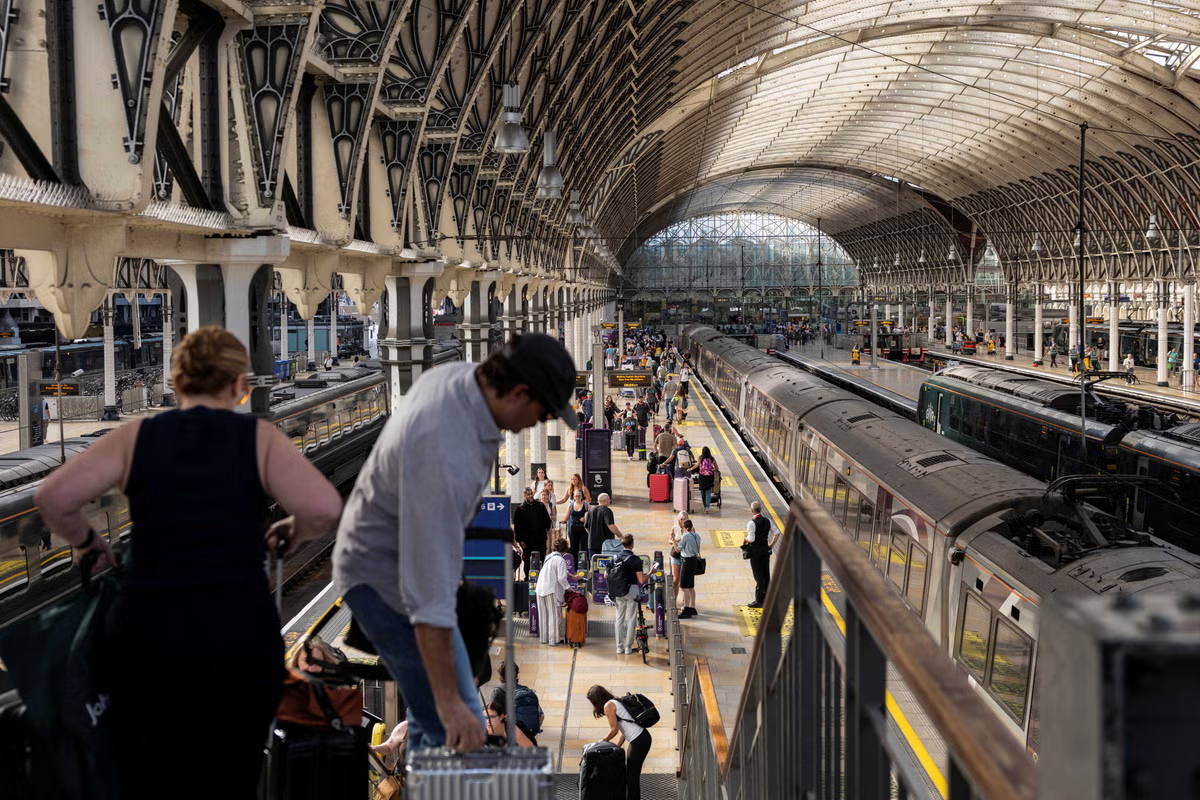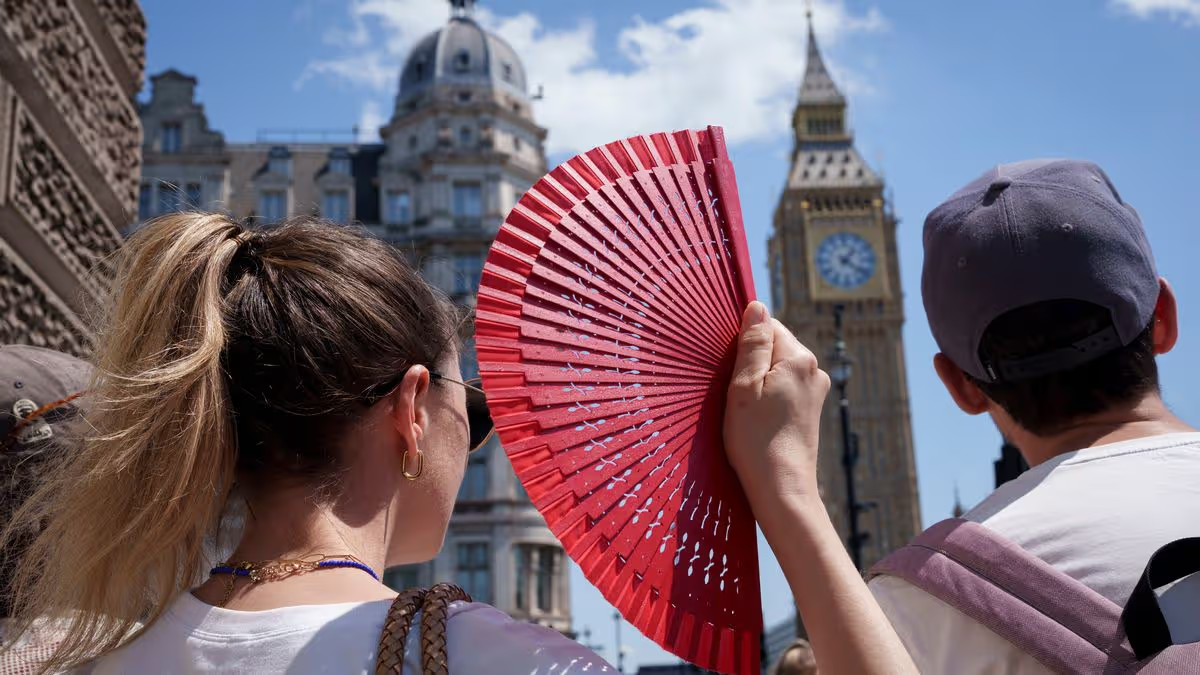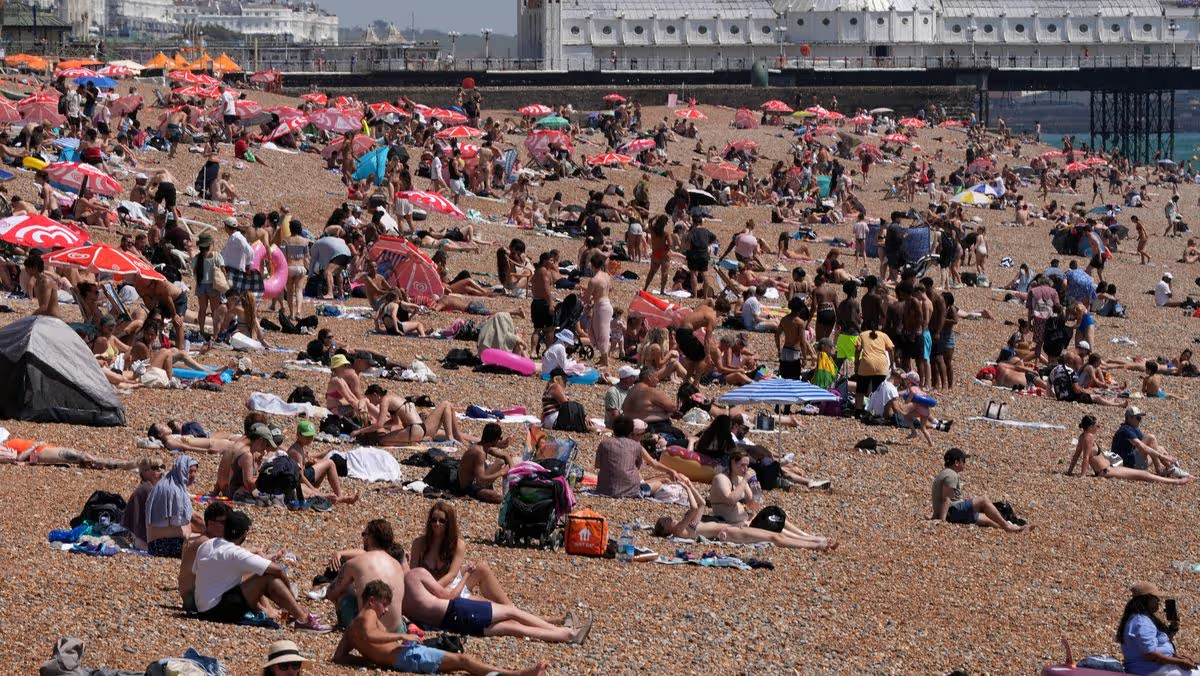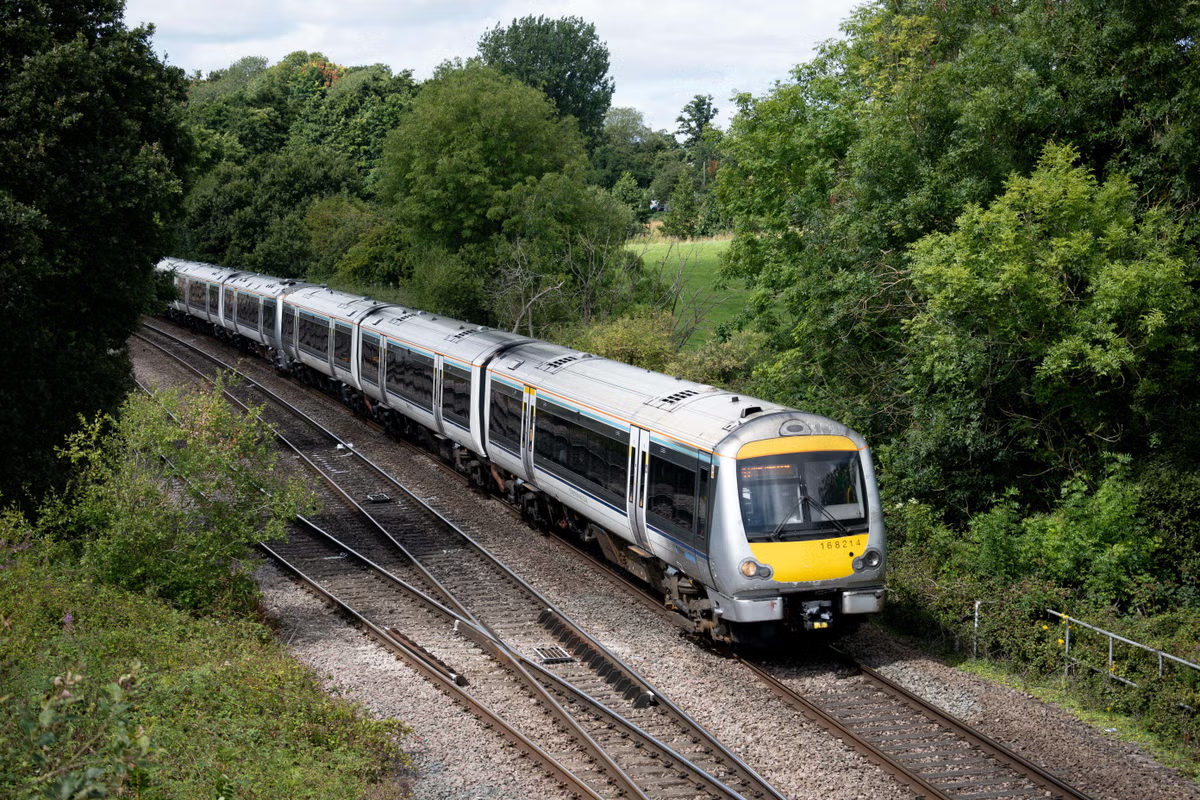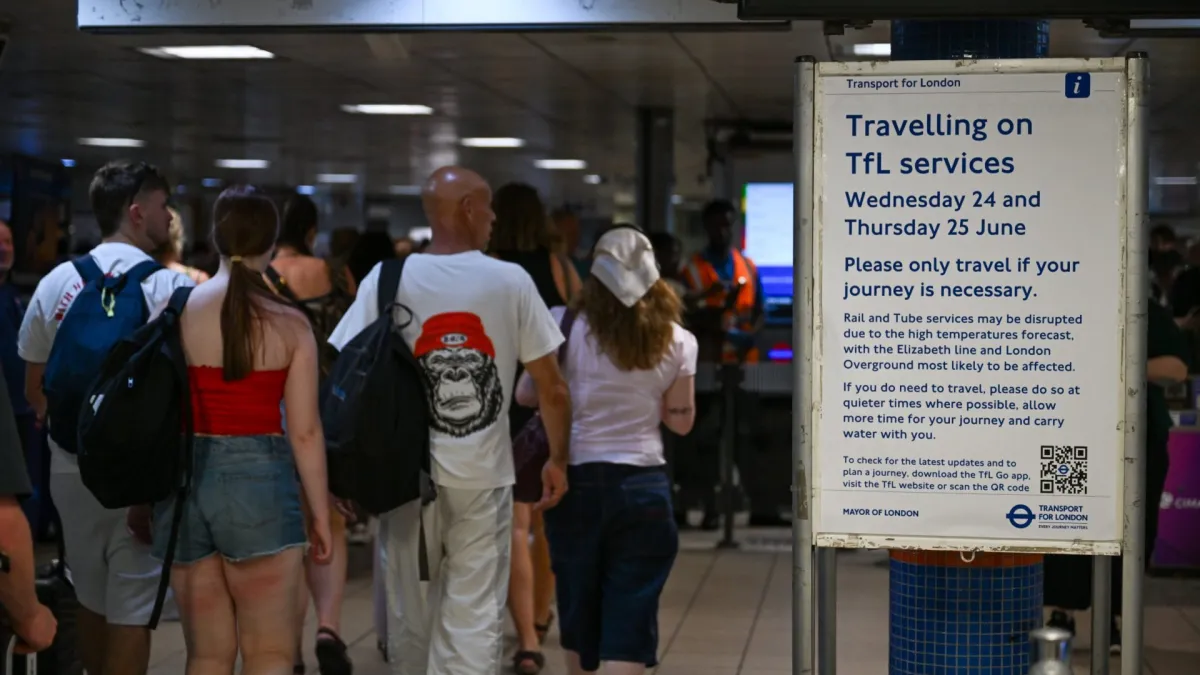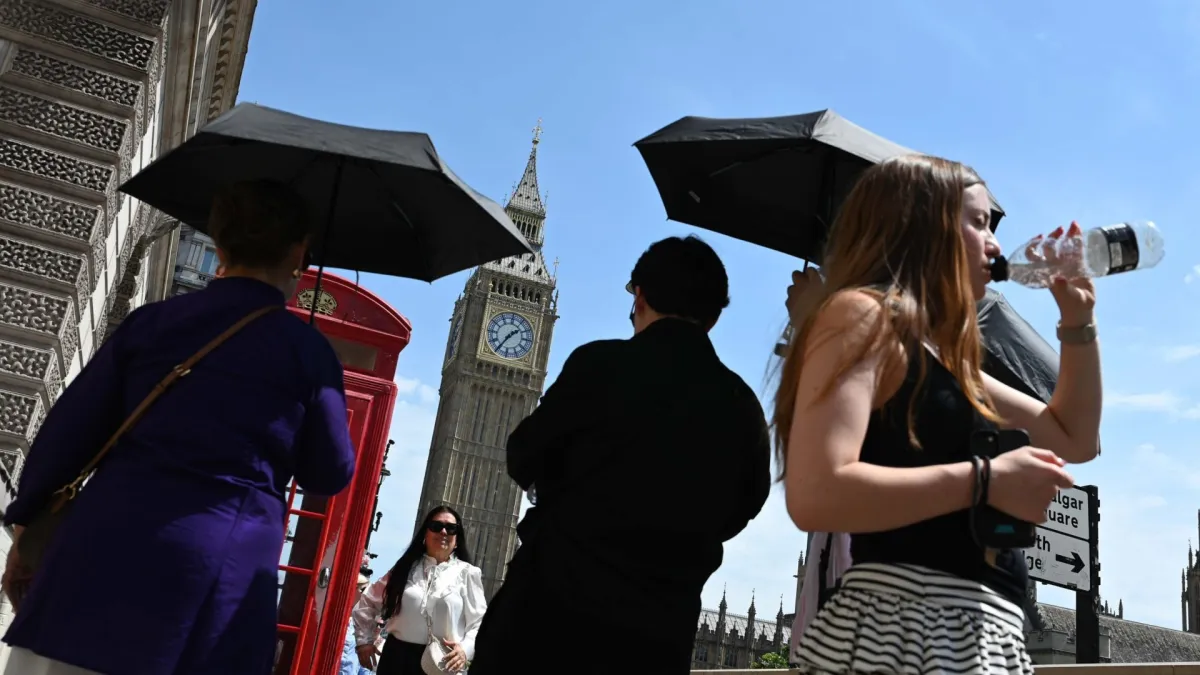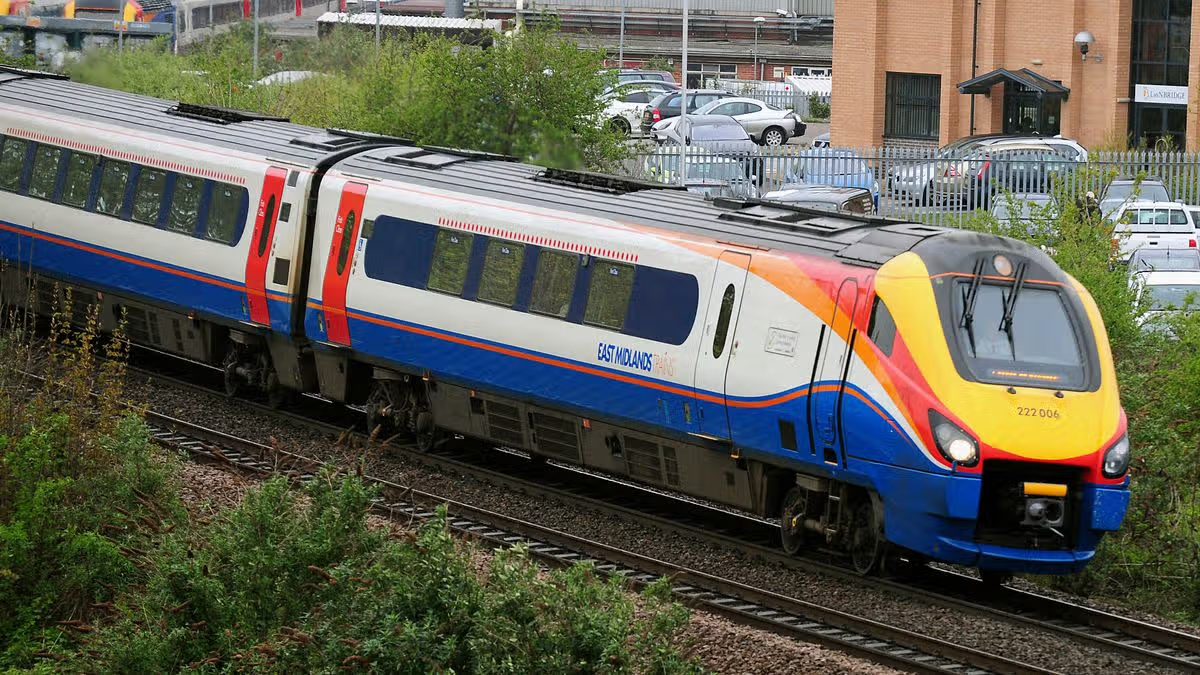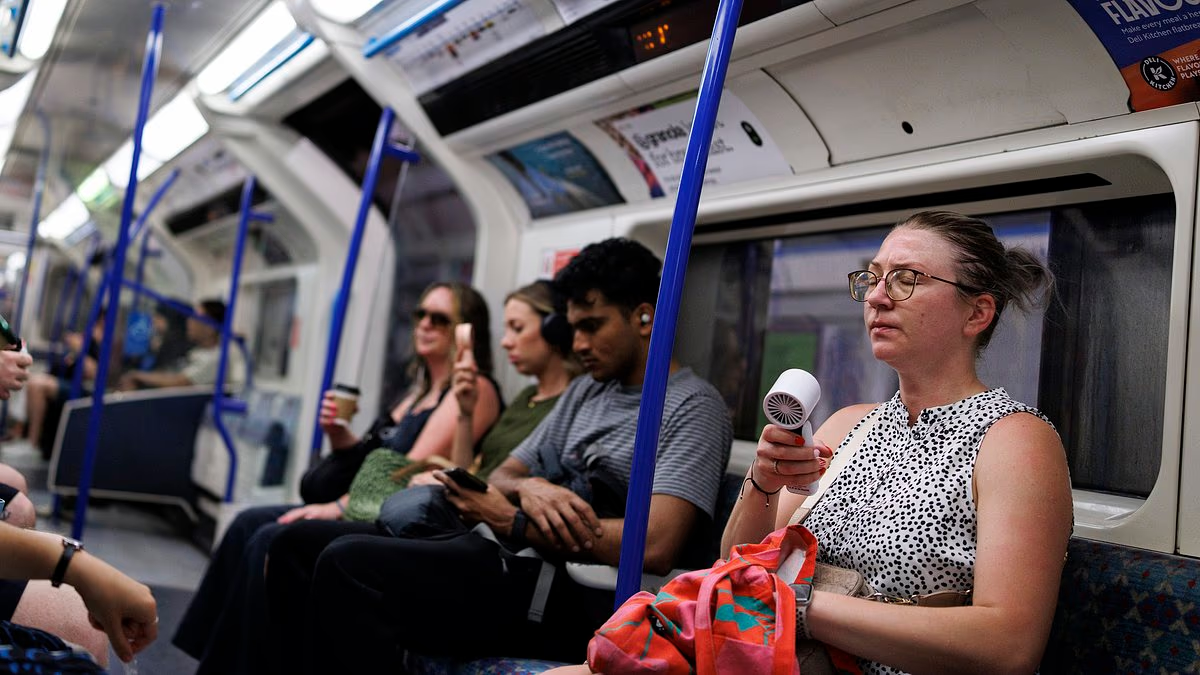
As the UK struggles through record June temperatures, travellers are being urged to think carefully before setting out.Transport operators have warned the British public to avoid unnecessary journeys where possible as the mercury edges towards 40C. But with summer in full swing and the weather drawing people outdoors, many will still be planning day trips, holidays and visits with family and friends.The Met Office has warned of 'severe and significant impacts', including health risks and major disruption to transport networks.But while some workers and pupils are set to work from home in the coming days, many people will still need to travel. Rail operators across London, the South East and beyond have already warned of delays, cancellations and reduced services, with some urging passengers to travel only if 'absolutely necessary'.But which forms of transport are most affected by extreme heat, and what should travellers know before heading out?Air travel The Air India crash in Ahmedabad (pictured) has raised questions about flying in extreme heat as temperatures soared above 38C when the incident occuredLast year's crash of an Air India Boeing 787 Dreamliner shortly after take-off in Ahmedabad, India, where all but one passenger perished and temperatures were above 38C at the time, has raised questions about whether flying is safe during extreme heat.However, experts stress that commercial aircraft are built to operate safely in much hotter climates than the UK, with airports across the Middle East and southern Europe regularly handling flights in temperatures above 40C.But extreme temperatures can still affect operations. John Cox, a former airline pilot and chief executive of consulting firm Safety Operating Systems, told The New York Times: 'The hotter it is, the more airplane performance is degraded.'According to the expert, warm air is less dense, which means aircraft may need longer runways to take off and airlines can sometimes face delays or operational restrictions during extreme temperatures.With Heathrow forecast to reach around 35C this week, UK passengers should check flight updates before travelling and allow extra time at the airport. While disruption is possible, flying remains one of the safest forms of transport during a heatwave.Top travel tips: Check flight status before leaving home.Carry water and stay hydrated.Wear lightweight clothing.Arrive early in case of delays.Rail travel Many rail operators across London and the South West have already announced reduced timetables, cancellations or travel easements in the coming daysRail travel is expected to face some of the biggest challenges during the heatwave. Steel tracks expand in high temperatures, increasing the risk of buckled rails, while overhead electric wires can sag in the heat, as reported by Travel Pulse.To reduce these risks, Network Rail is introducing speed restrictions on many routes, meaning longer journey times and fewer services.National Rail has advised passengers to travel only if 'absolutely necessary' on the hottest days and to check before travelling.Many operators serving London have already announced reduced timetables, cancellations or travel easements, including: Avanti West Coast, c2c, Chiltern Railways, East Midlands Railway, Great Western Railway, London Northwestern Railway, LNER, South Western Railway, Southern, Heathrow Express and Gatwick Express. To see if your journey is affected, it's best to check each operator's website for more information before setting out. A number of operators are also allowing passengers to use tickets on alternative services or different dates at no extra cost.Phil James, Network Rail's North West route director, said: 'If the soaring temperatures do lead to us having to put in place slower speeds for safety reasons, please bear with us as our engineers work to fix the problem. It may mean some journeys take longer.'Anyone travelling by train should expect delays, crowded services and longer waits, particularly during the afternoon when temperatures are at their highest, as reported by the Big Issue. Top travel tips: Check your journey before leaving home.Travel early in the morning if possible.Carry water and avoid waiting on platforms longer than necessary.Allow extra time for your journey.London Underground White Transport for London runs air-conditioned trains across 40 per cent of its network, older deep-level lines like the Piccadilly and Bakerloo can be significantly hotterNot all Tube journeys will be equally uncomfortable during the heatwave.Transport for London now operates 192 air-conditioned trains, which operate across close to 40 per cent of the network. These include the Circle, District, Hammersmith & City, Metropolitan and Elizabeth lines, as well as much of the London Overground network.Older deep-level Tube lines can become significantly hotter in hot weather, particularly during busy periods, so passengers may want to plan ahead, rethink their routes and use cooler lines where possible.Top travel tips:Use air-conditioned lines whenever possible.Carry water with you.Avoid travelling during the hottest part of the day.Buses The heat on buses can be severe during the heatwave, as large windows trap heat, creating a greenhouse effect inside the vehicleBuses could be one of the least comfortable ways to travel during the heatwave, with drivers operating London buses likening their working environment to 'greenhouses'.The Unite union has warned that many drivers are working in cab temperatures exceeding 40C, with some buses continuing to operate despite faulty air conditioning systems.In a statement on its website, the union says overheating can increase fatigue among drivers, creating potential safety concerns for both staff and passengers.The issue can be particularly severe because large windows trap heat, creating a greenhouse effect inside the vehicle. Some buses rely on basic air-cooling systems rather than full air conditioning, offering little relief for both passengers and drivers when outside temperatures soar.Travellers should be prepared for exceedingly warm conditions, especially on crowded services and during peak afternoon temperatures.Top travel tips:Travel earlier or later in the day where possible.Carry plenty of water.Avoid crowded buses if you can.Cars During the heatwave, National Highways is urging drivers to check tyres, coolant and oil levels before travelling and to carry water in case they become strandedFor many motorists across the UK, driving may seem like the best option during a heatwave, but extreme temperatures can bring their own set of problems.Road surfaces absorb heat throughout the day and can become hot enough to soften or even melt in places. Surface temperatures can reach around 50C, affecting grip and braking performance.The RAC has warned motorists to avoid non-essential journeys if possible, especially if their vehicle does not have effective air conditioning, reports The Independent. It expects a surge in breakdowns, with call-outs forecast to rise by around 20 per cent compared with a typical June day.Overheating engines, tyre failures and battery problems can also become more common during very hot weather.National Highways is urging drivers to check tyres, coolant and oil levels before travelling and to carry water in case they become stranded.Motorcyclists and cyclists should also take extra care, as hot road surfaces can affect handling and increase the risk of dehydration.Top travel tips:Check tyres, coolant and oil before setting off.Carry plenty of drinking water.Avoid travelling during the hottest part of the day.Never leave children or pets in a parked vehicle.
Which transport should you actually avoid during a heatwave?
As temperatures soar across the UK, experts reveal which forms of transport are safest, most reliable and most vulnerable to disruption.
1,153 words~5 min read