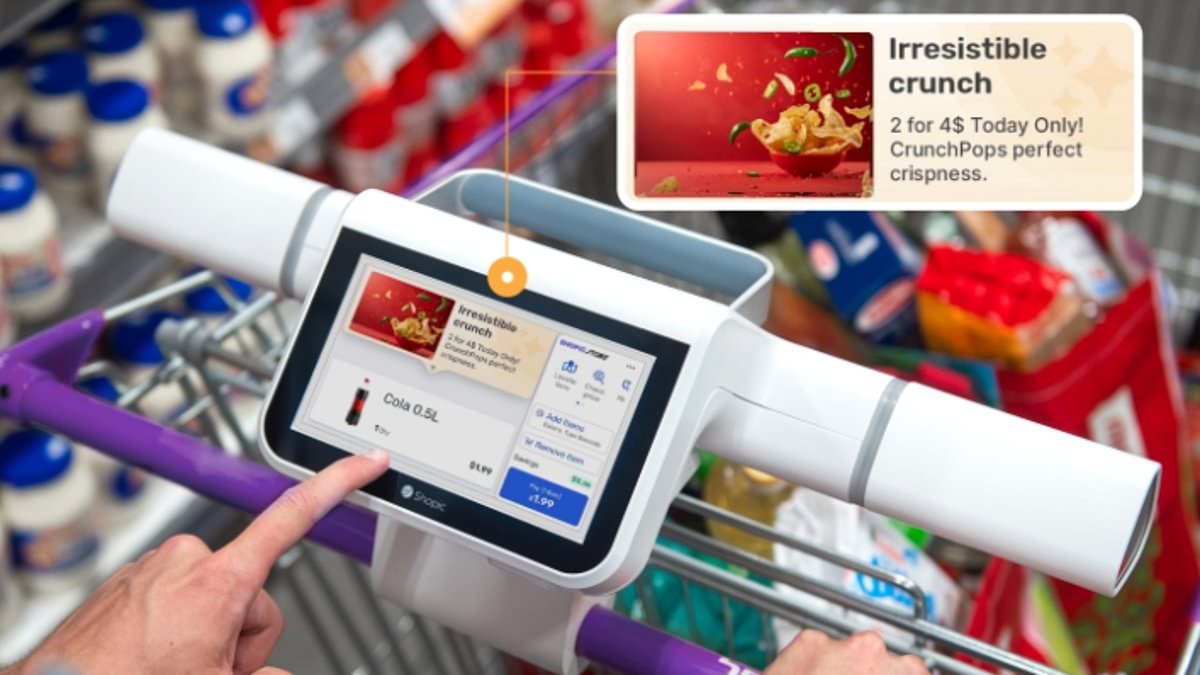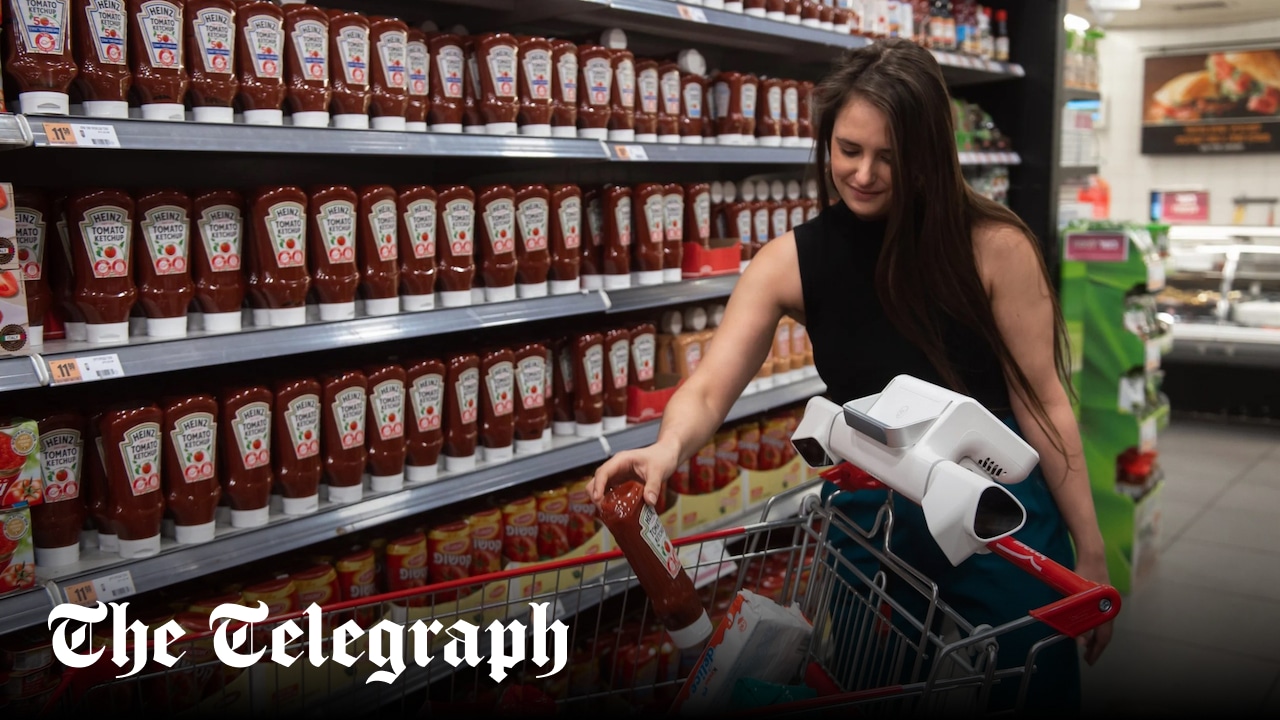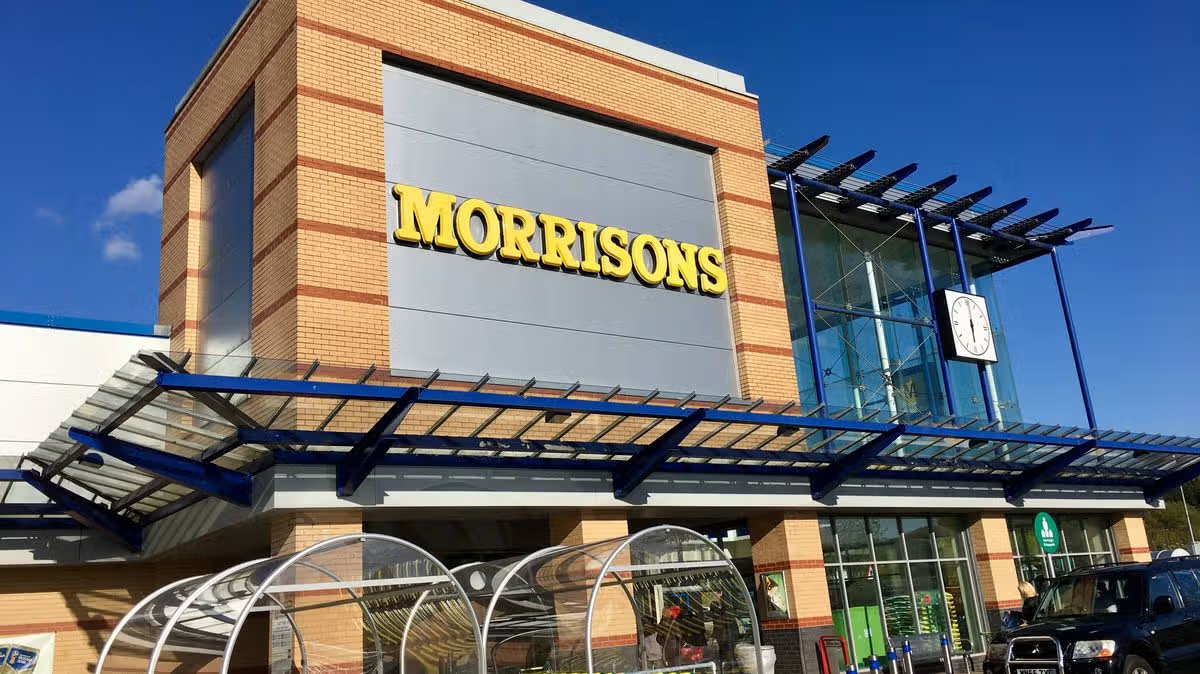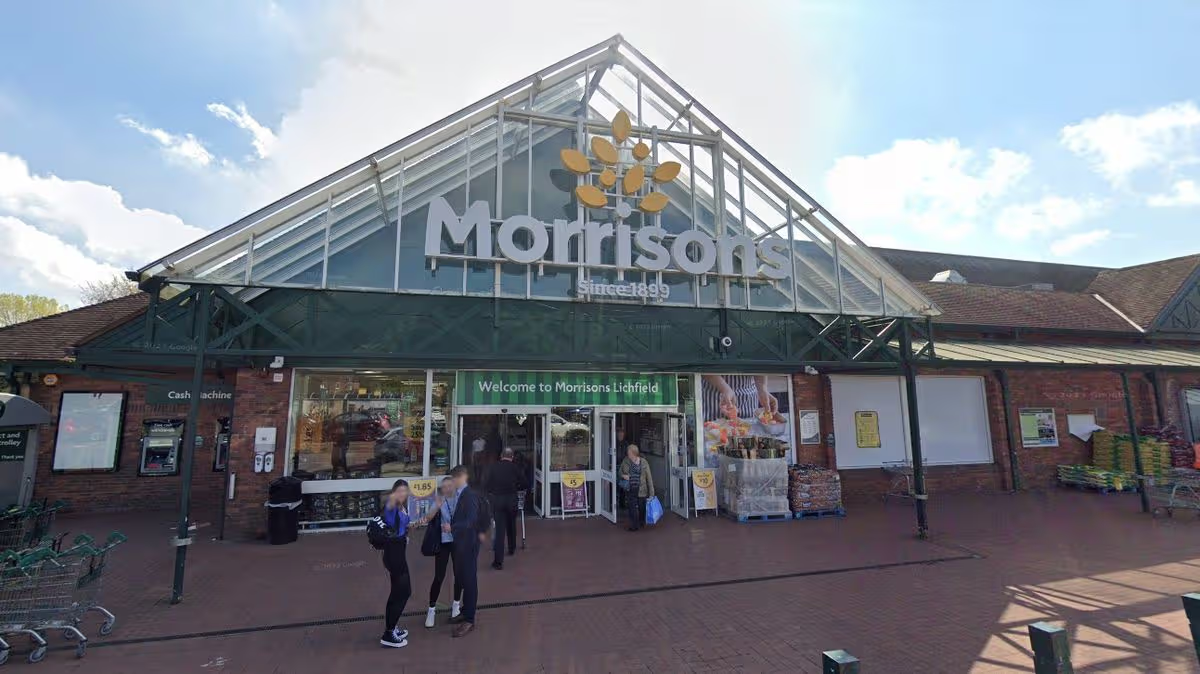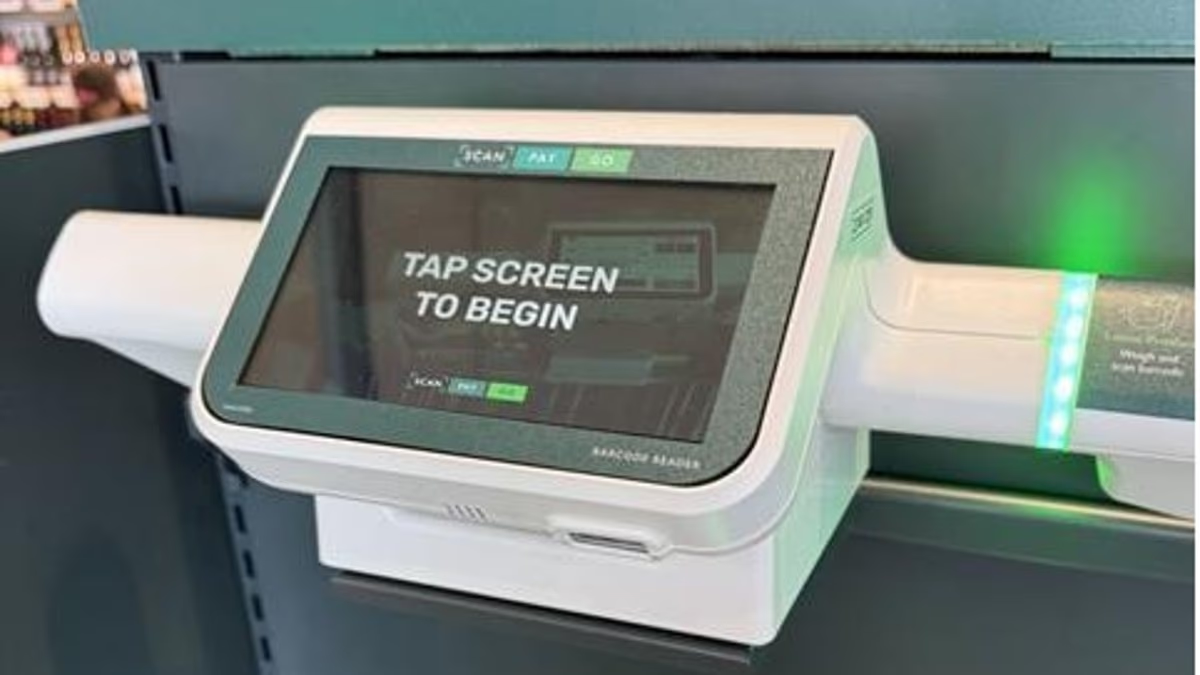
Supermarket shoppers in Britain are set for a new tech-laden way to buy their weekly essentials - trolleys with digital screens.Artificial-intelligence-powered smart trolleys fitted with tablets on their handlebars are currently being trialled in major UK supermarket chains like Waitrose and Morrisons, having been introduced more widely across Europe.And data suggests they make people spend more while shopping.The time shoppers spend in a shop and the amount of items bought is also typically higher when using a digital trolley in supermarkets, the comprehensive report from Bayes Business School shows. Shoppers who use trolleys embedded with digital screens to assist trips to the supermarket spend 32 per cent more than those who do not, according to the findings. If shoppers used a digital trolley in the afternoon or at the weekend they were even more likely to splurge extra cash than if they were shopping at other times, the data found. Impulse-buying: Shoppers using tech-laden digital smart trolleys in supermarkets are likely to spend more money, research showed 'Smart' shoppers also bought 25 per cent more items than non-users and spend 23 per cent more time on their shopping trips, particularly in the evenings. The research captured 12,418 shopping sessions across a month in a well-known German supermarket chain, including 9,422 smart-trolley users. While 'superusers' who recorded more than 20 screen interactions during a shopping session purchased 'significantly more' items and stayed longer, they did not spend more money overall. The devices allow shoppers to digitalise their shopping lists, receive personalised recommendations, help with in-store navigation and make checkout-free payments. Dr Sabrina Gottschalk, lecturer in marketing at Bayes Business School, said: 'Retailers are increasingly using technology to enhance the shopping experience for consumers, and our findings suggest there may be significant revenue gains from doing so effectively. 'As well as guiding customers towards special offers and new products, digitalisation induces increased engagement and additional advertising platforms.' Languishing: Shoppers using a smart trolley generally spent 23% more time on their shopping trips, particularly in the evenings, findings showed She added: 'Although technology should in theory improve shopping experiences, consumers should be wary of relying solely on devices and remain conscious of how digital prompts and recommendations shape their purchase decisions'. Dr Yusuf Oc, senior lecturer in marketing at Bayes Business School, said: 'Our research shows clear spikes in spending and consumption for those deciding to use in-store digital assistance, suggesting that retailers should offer this technology and entice customers to use it - perhaps with a promise of loyalty points or prizes'. Last August, Waitrose started trialling digital trolleys. The shopper releases one of the futuristic-looking units after scanning their My Waitrose loyalty card, and then clips it onto a regular trolley to begin the shop.Customers then scan the barcodes on items - similar to how they would with a self-scan handset now offered by some retailers - before placing them in the trolley.Once the item is in the trolley, back-facing cameras verify the product – and shoppers can pay on the device at the end rather than having to wait in line at a checkout.The device also displays the cost for each item as it goes in and gives a running total on the large touch screen as shoppers make their way around the store.Any loose produce must be weighed on an in-aisle scale and then that barcode is scanned. Bakery goods can be selected on the device's screen and then added.In 2025 a spokesman for Waitrose said: 'It works in a similar way to our Scan, Pay, Go handsets, with a bigger screen, that identifies every item placed into or removed from the cart, and with a real-time tally of products and prices so shoppers can keep track of purchases.'We're exploring options for more frictionless payment for our customers, while still maintaining conventional checkouts for customers who value interaction with our partners'.
Digital trolleys that make us spend 32% more in supermarket come to UK
Shoppers who use trolleys embedded with digital screens to assist trips to the supermarket spend up to a third more than those who do not, according to research.
646 words~3 min read