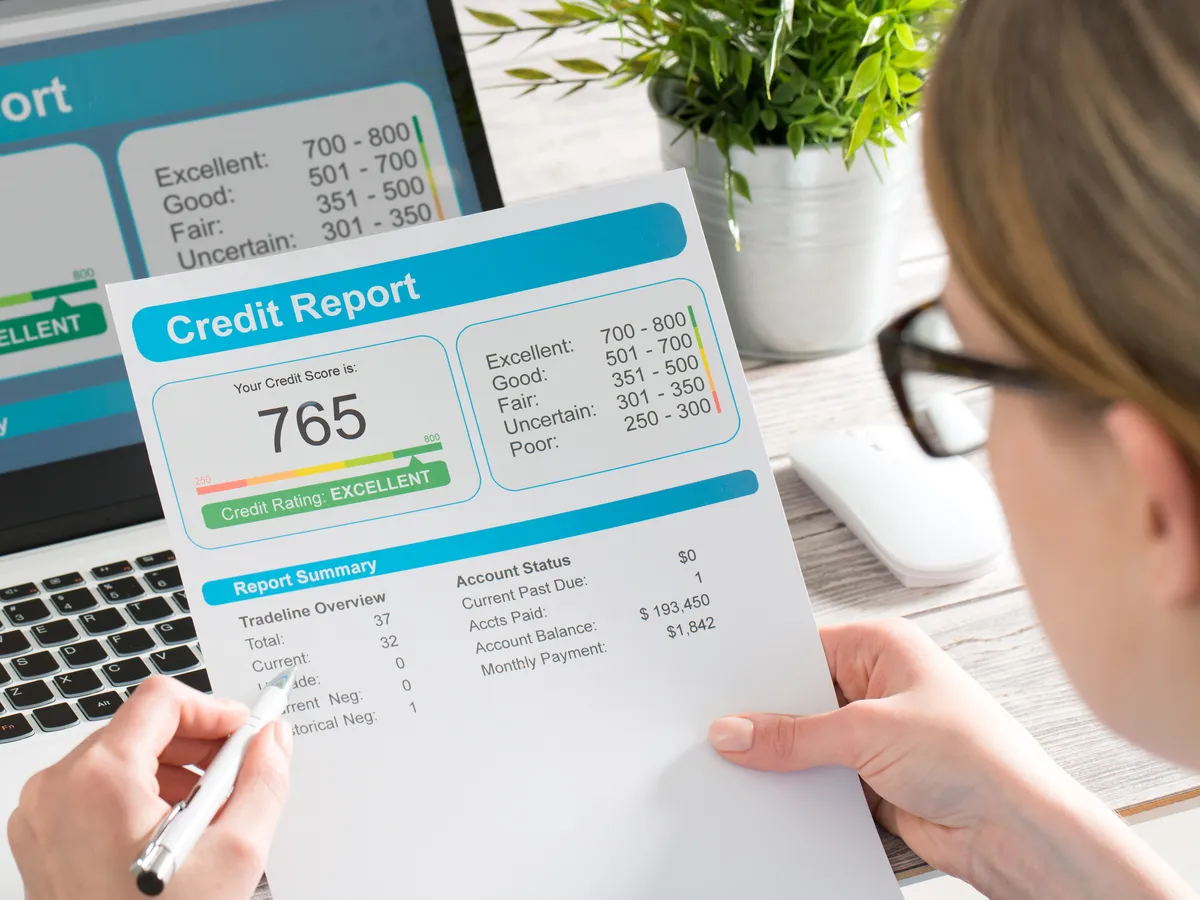
Skip to Content News Archives Economy Energy Oil & Gas Renewables Electric Vehicles Mining Commodities Agriculture Real Estate Mortgages Mortgage Rates Finance Banking Insurance Fintech Cryptocurrency Work Wealth Smart Money Wealth Management Investor Personal Finance Family Finance Retirement Taxes High Net Worth FP Comment Executive Women Puzzmo Newsletters Financial Times Business Essentials More Innovation Information Technology FP500 Podcasts Small Business Lives Told Tails Told Shopping Financial Post Store Obituaries Place a Notice Advertising Advertising With Us Advertising Solutions Postmedia Ad Manager Sponsorship Requests Classifieds Place a Classifieds ad Working Profile Settings My Subscriptions Saved Articles My Offers Newsletters Customer Service FAQ News Economy Energy Mining Real Estate Finance Work Wealth Investor FP Comment Executive Women Puzzmo Newsletters Financial Times Business Essentials HomeFP AnswersPersonal FinanceDebtWhy was I declined for a loan despite a solid credit score?FP Answers: A score is only one of several things a lender weighs when reviewing an application. Here's how to improve your chancesLast updated 48 minutes ago You can save this article by registering for free here. Or sign-in if you have an account.A higher score is worth having, but pairing it with a healthy debt load and stable income is what helps get applications approved. Photo by Scyther5/Getty ImagesWe independently select everything we recommend. Buying through us may earn us a commission, which supports our work.Q: I checked my credit score recently and it had gone up quite a bit, so I was feeling confident when I applied for a loan. But the lender still declined me. I make my payments on time and pay everything off eventually. What am I missing? —MartySubscribe now to read the latest news in your city and across Canada.Exclusive articles from Barbara Shecter, Joe O'Connor, Gabriel Friedman, and others.Daily content from Financial Times, the world's leading global business publication.Unlimited online access to read articles from Financial Post, National Post and 15 news sites across Canada with one account.National Post ePaper, an electronic replica of the print edition to view on any device, share and comment on.Daily puzzles, including the New York Times Crossword.Subscribe now to read the latest news in your city and across Canada.Exclusive articles from Barbara Shecter, Joe O'Connor, Gabriel Friedman and others.Daily content from Financial Times, the world's leading global business publication.Unlimited online access to read articles from Financial Post, National Post and 15 news sites across Canada with one account.National Post ePaper, an electronic replica of the print edition to view on any device, share and comment on.Daily puzzles, including the New York Times Crossword.Create an account or sign in to continue with your reading experience.Access articles from across Canada with one account.Share your thoughts and join the conversation in the comments.Enjoy additional articles per month.Get email updates from your favourite authors.Create an account or sign in to continue with your reading experience.Access articles from across Canada with one accountShare your thoughts and join the conversation in the commentsEnjoy additional articles per monthGet email updates from your favourite authorsSign In or Create an AccountorFP Answers:Credit scores get a lot of attention, but a score is only one of several things a lender weighs when reviewing an application. What happened to you is quite common, and understanding the full picture can help you improve your situation.A credit score tells lenders how reliably you have managed credit in the past. It reflects factors such as your payment history, the length of your credit file, how often you have applied for credit, the mix of accounts you hold and how much of your available credit you are using. A rising score means you are doing those things better than before.Get the latest headlines, breaking news and columns.By signing up you consent to receive the above newsletter from Postmedia Network Inc.A welcome email is on its way. If you don't see it, please check your junk folder.The next issue of Top Stories will soon be in your inbox.We encountered an issue signing you up. Please try againWhat the score does not capture is whether you can afford more debt. That assessment happens separately, and it draws on information your score never touches such as your income and employment and how much you already owe relative to what you earn.For non-mortgage borrowing, most lenders calculate your total debt service ratio, or TDS. It compares your total monthly debt obligations, including your rent and heat, against your gross monthly income. If adding the new payment would push that ratio too far past 40 per cent, the application may be declined for a high debt load, regardless of your score.Lenders determine their own lending criteria. Some are stricter than others and will calculate a minimum payment amount for credit cards you do not normally use. So, if your existing obligations already take up a significant part of your income, a lender may not see room for more, even if your payment history is spotless.Before applying again, do the math yourself. Add up all your monthly debt payments, divide by your gross monthly income and see where you land. Paying down existing balances before applying can shift that ratio in the right direction and strengthen your overall application.You mentioned that you pay everything off eventually. That matters, and lenders look at your credit utilization. This is the percentage of your available credit compared to what you owe. Even if you pay in full each month, if your balance is high when the statement closes, that high utilization is what gets reported.Many Canadians run most of their spending through a single card to collect points, which means the balance can be high at the end of each billing cycle even if it gets paid off each month. Your score takes a snapshot of that balance and does not reflect the full repayment pattern.Your employment history also plays a role and lenders want to see stable, consistent income for at least three months. A recent job change is not automatically a disqualifying factor but it can introduce uncertainty. Lenders prefer continuity; ideally at least two years with the same employer or within the same industry. A work history that shows steady progression in a field reads better than one that shows frequent unrelated changes.Before you apply again, pull your full credit reports from Equifax Canada and TransUnion Canada. The score is a summary; the full report includes hard inquiries for credit applications, outstanding balances across all accounts and any items you may have forgotten about.From there, work on bringing your credit card balances below 65 per cent of your available limits. Calculate your TDS ratio and work on paying down existing debts. Avoid applying for new credit in the months leading up to a loan application, since each hard inquiry adds up.A higher score is worth having. Pairing it with a healthy debt load and stable income is what helps get applications approved.Mary Castillo is a Saskatoon-based credit counsellor at Credit Counselling Society, a non-profit organization that has helped Canadians manage debt since 1996.Do you have a debt question for FP Answers? Email wealth@postmedia.com. Join the Conversation This website uses cookies to personalize your content (including ads), and allows us to analyze our traffic. Read more about cookies here. By continuing to use our site, you agree to our Terms of Use and Privacy Policy.
Why was I declined for a loan despite a solid credit score?
FP Answers: A score is only one of several things a lender weighs when reviewing an application. Here's how to improve your chances. Read on
1,210 words~6 min read