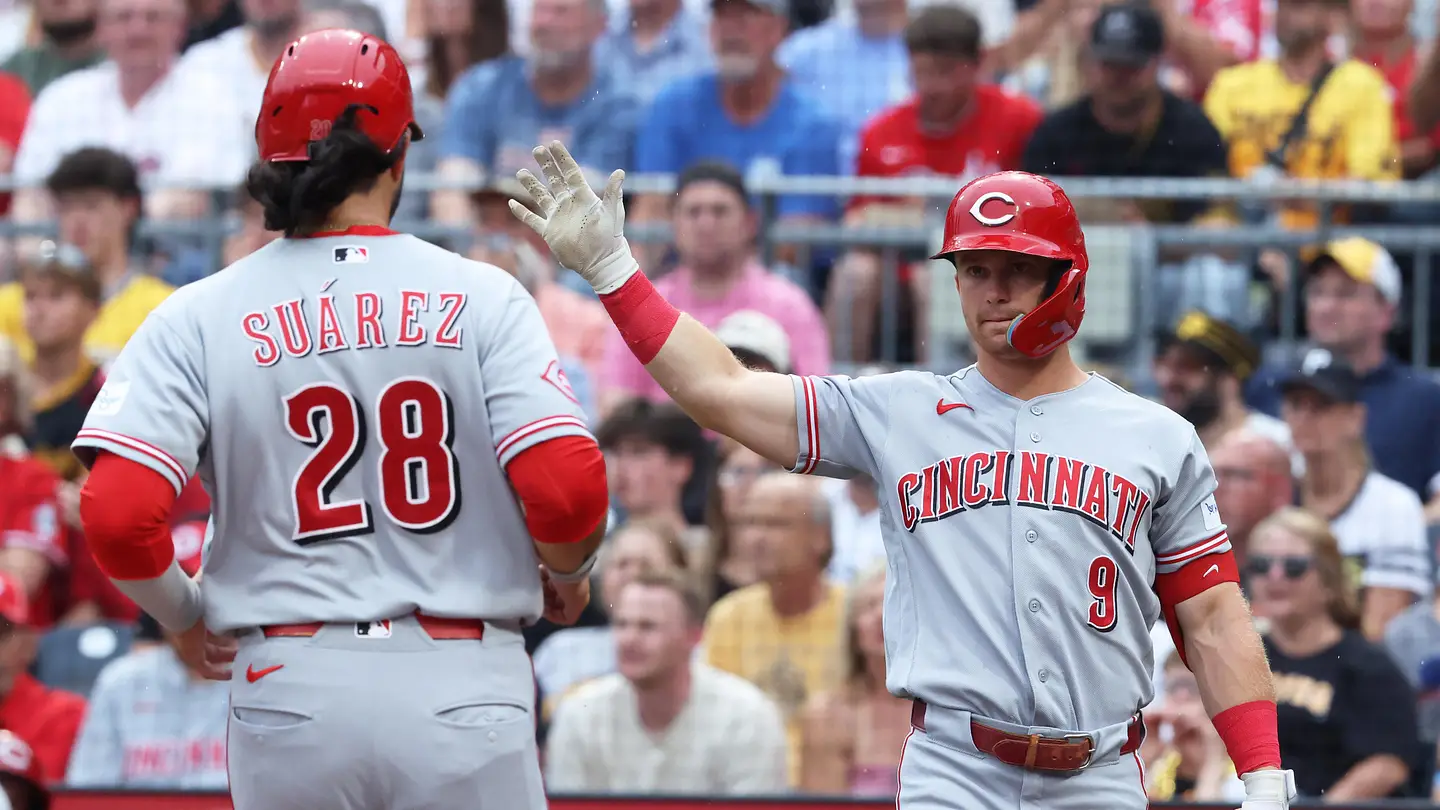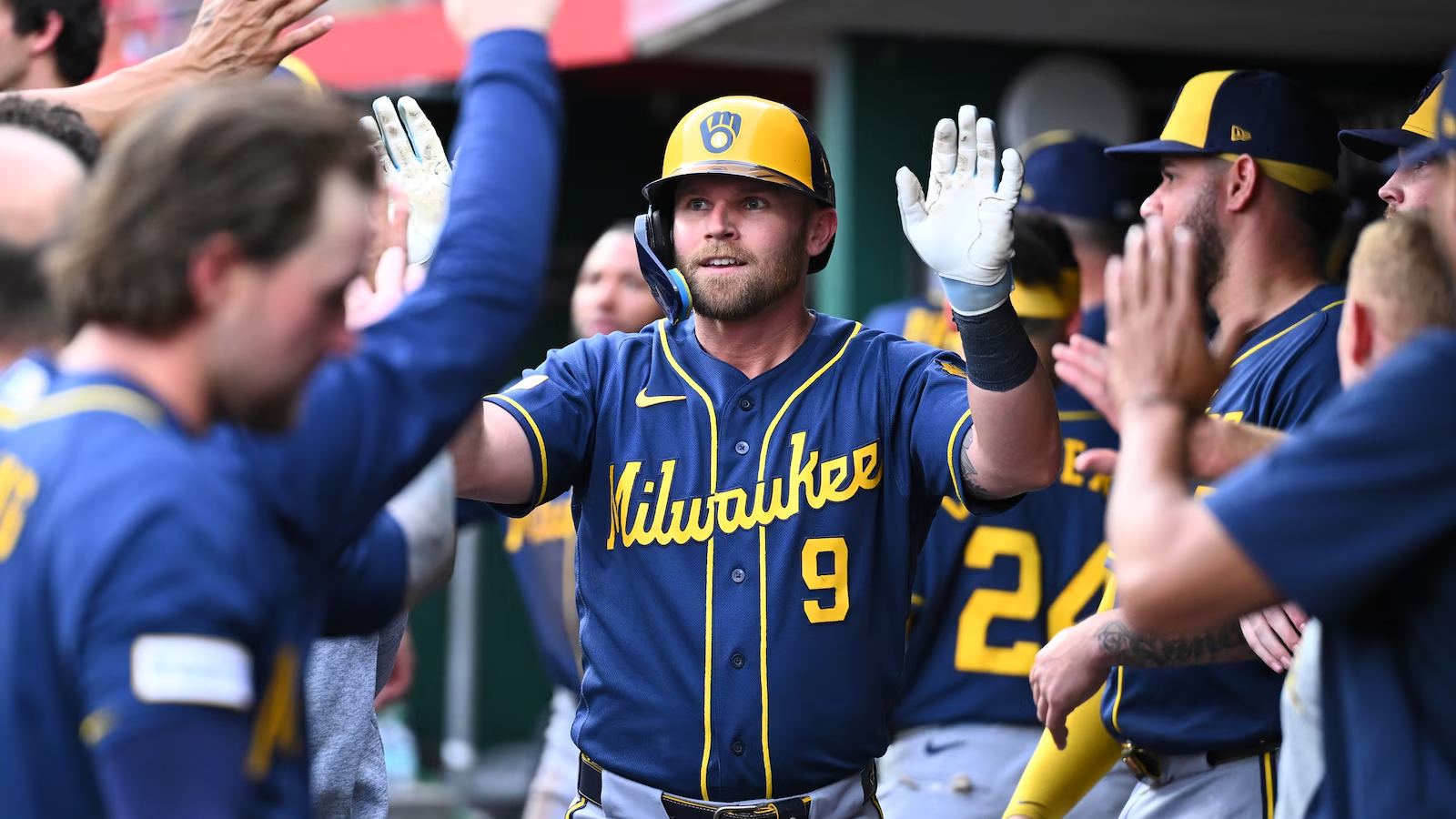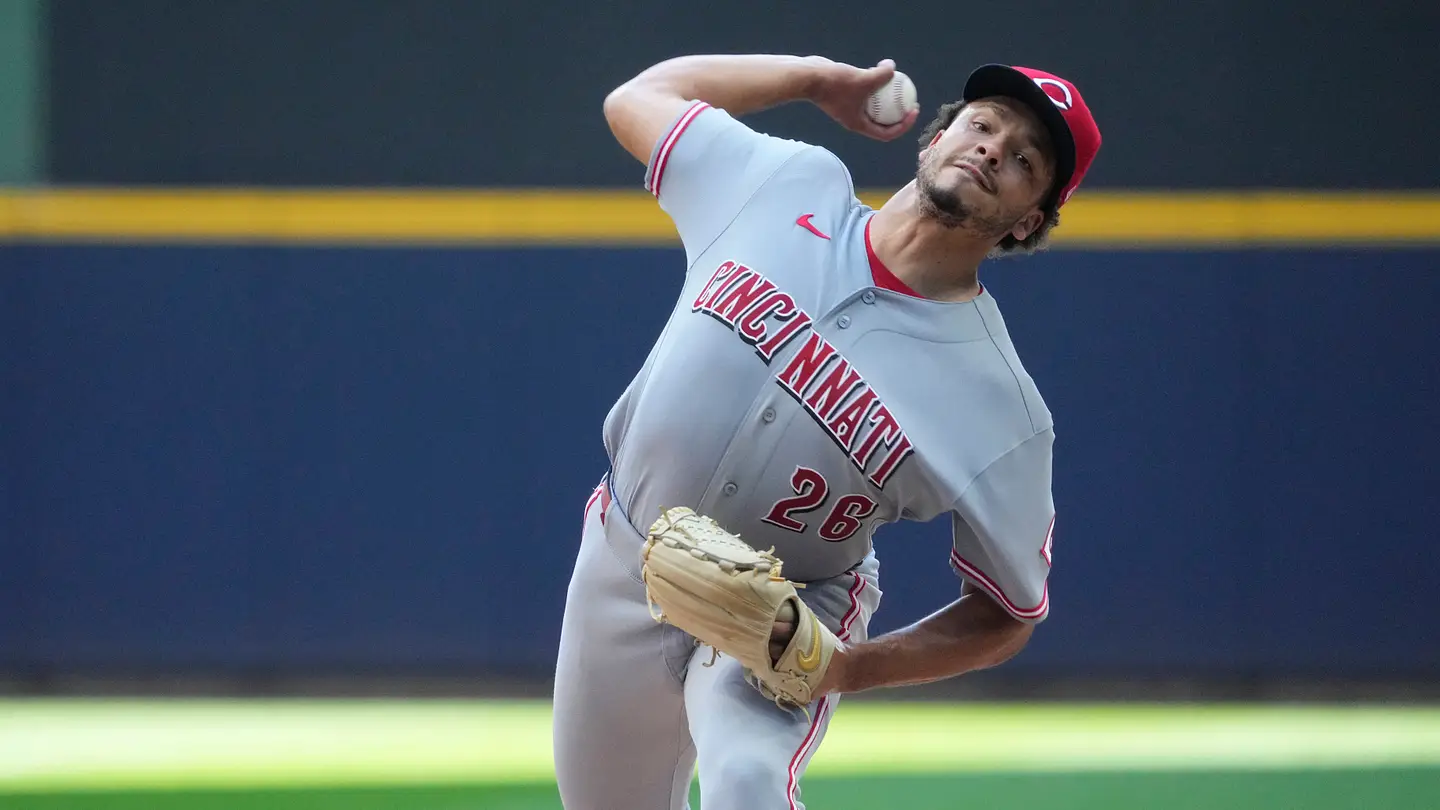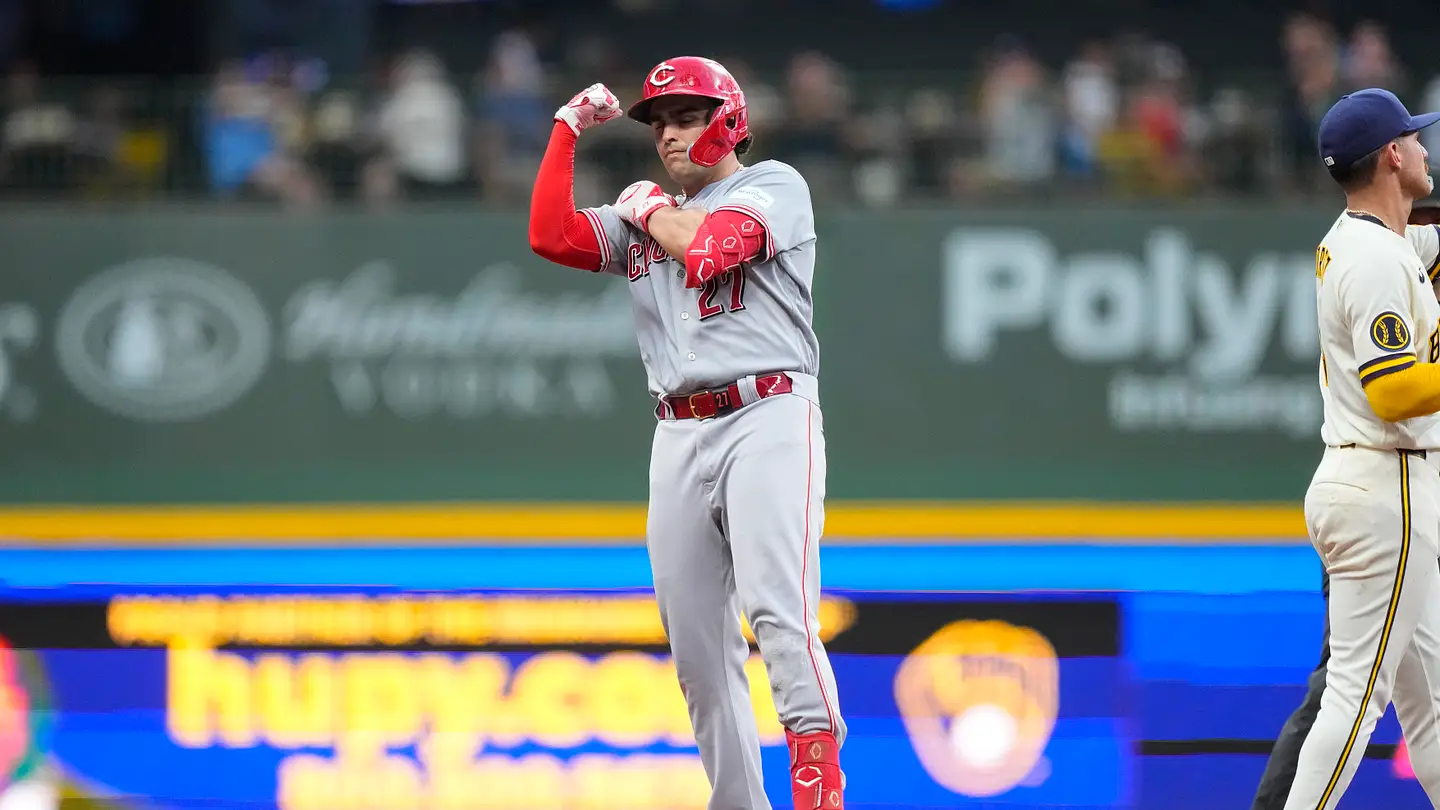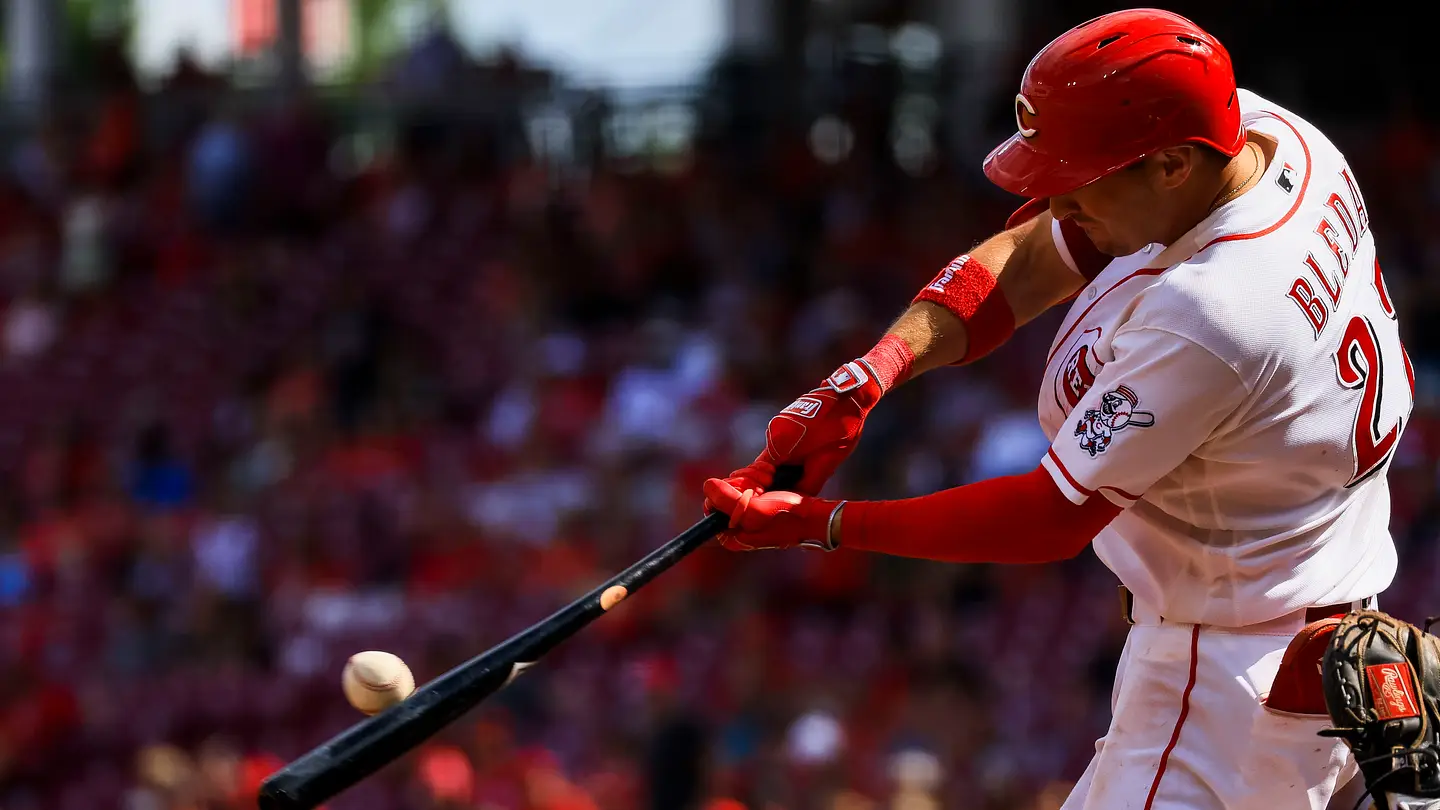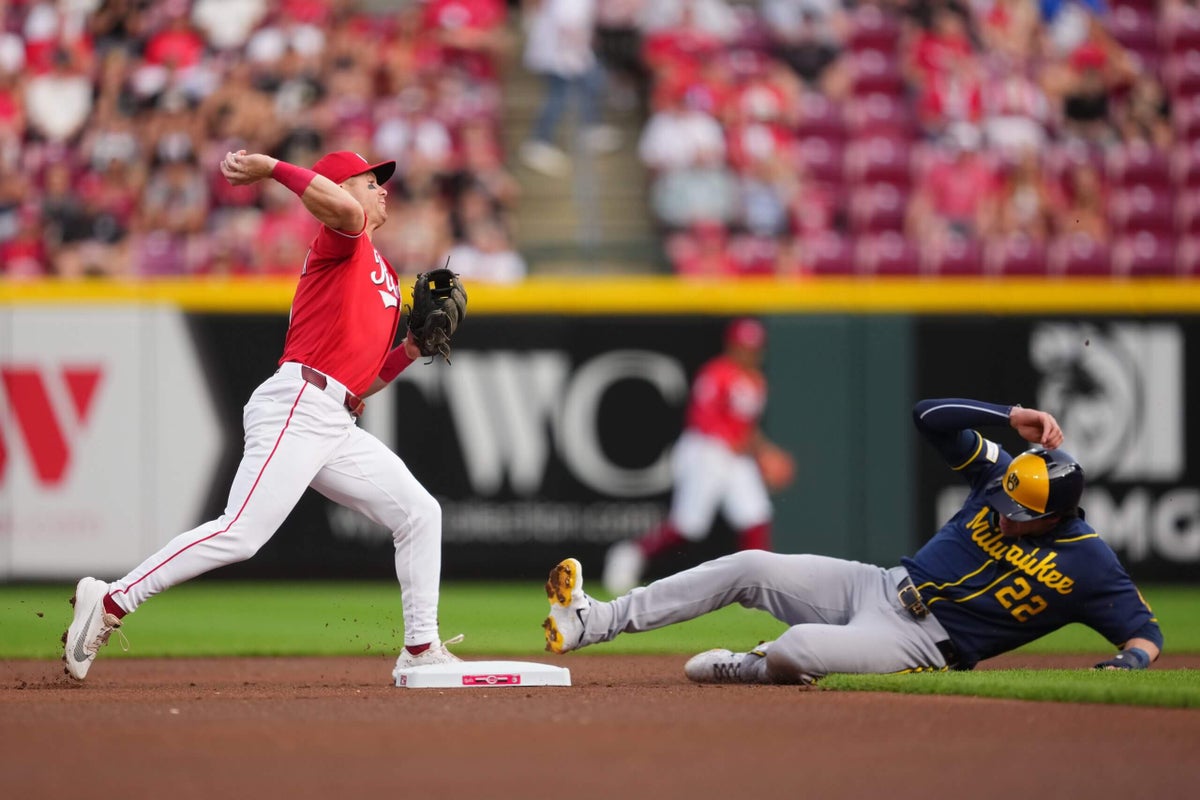
CINCINNATI — It had been 44 series over nearly two years since the Cincinnati Reds were swept at Great American Ball Park, but it was no surprise the first team to take every game in a series from the Reds at home this season was the Milwaukee Brewers.The Reds entered their first series against the National League Central-leading Brewers just 2-13 against division teams without even facing the best one. Now they’re 2-16 with their next seven games coming against divisional foes after Wednesday’s 6-5 loss.The Reds enter Thursday’s off day a season-high five games below .500 at 37-42 — the furthest below .500 the team has been since the end of the 2024 season. The last sweep at home was in August 2024 at the hands of the Kansas City Royals.Mark Attanasio might own the Brewers, but the Brewers own the Reds. Since the start of the 2023 season, the Brewers have won 30 of 42 games against the Reds. Milwaukee’s also won 36 of 48 games at Great American Ball Park since Sept. 24, 2019, and each of the last nine series here.Why MLB's draft proposal would be bad for baseball's futureKeith Law“I think it’s too blanket of a statement — every game is different, and I always feel that way,” Reds manager Terry Francona said. “They’re a very good team, and they’re hard to beat because they challenge you in so many ways. But we just have to be more consistent in a number of areas.”Here are some takeaways from a disappointing series:It’s the batsTo say the Reds had their chances Wednesday would be an understatement. They loaded the bases in the second inning and got nothing out of it. All year, there’s been talk about needing to get the “big hit.” It’s not just that, it’s any hit.Though the Reds left 16 men on base Wednesday, one shy of their season high of 17 in a 4-2 loss to the New York Mets on May 27, the issue for the offense this season hasn’t been hitting with runners in scoring position — it’s been hitting in any situation.Though the Reds’ batting average is lower with runners in scoring position (.217) than overall (.226), they have a higher on-base percentage (.316) and slugging percentage (.394) with runners in scoring position than overall (.309 and .389).Though it’s easy to throw your hands up in the air with the 16 in the LOB column, the outlier is getting 16 men on base to strand.
Reds swept at home for the first time in 44 series with one-run loss to Brewers
It was no surprise the first team to take every game from the Reds at home this season was the Milwaukee Brewers.
1,166 words~5 min read