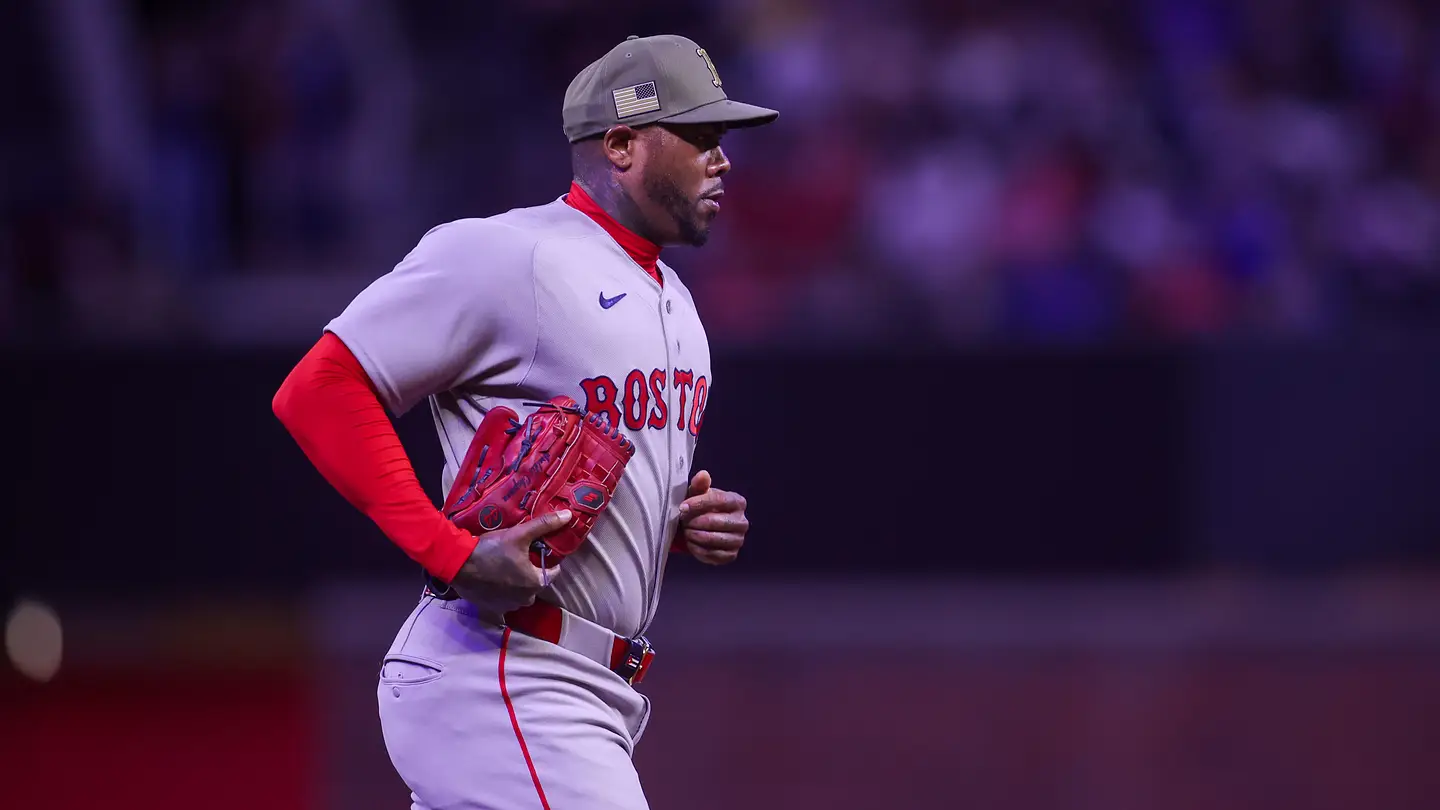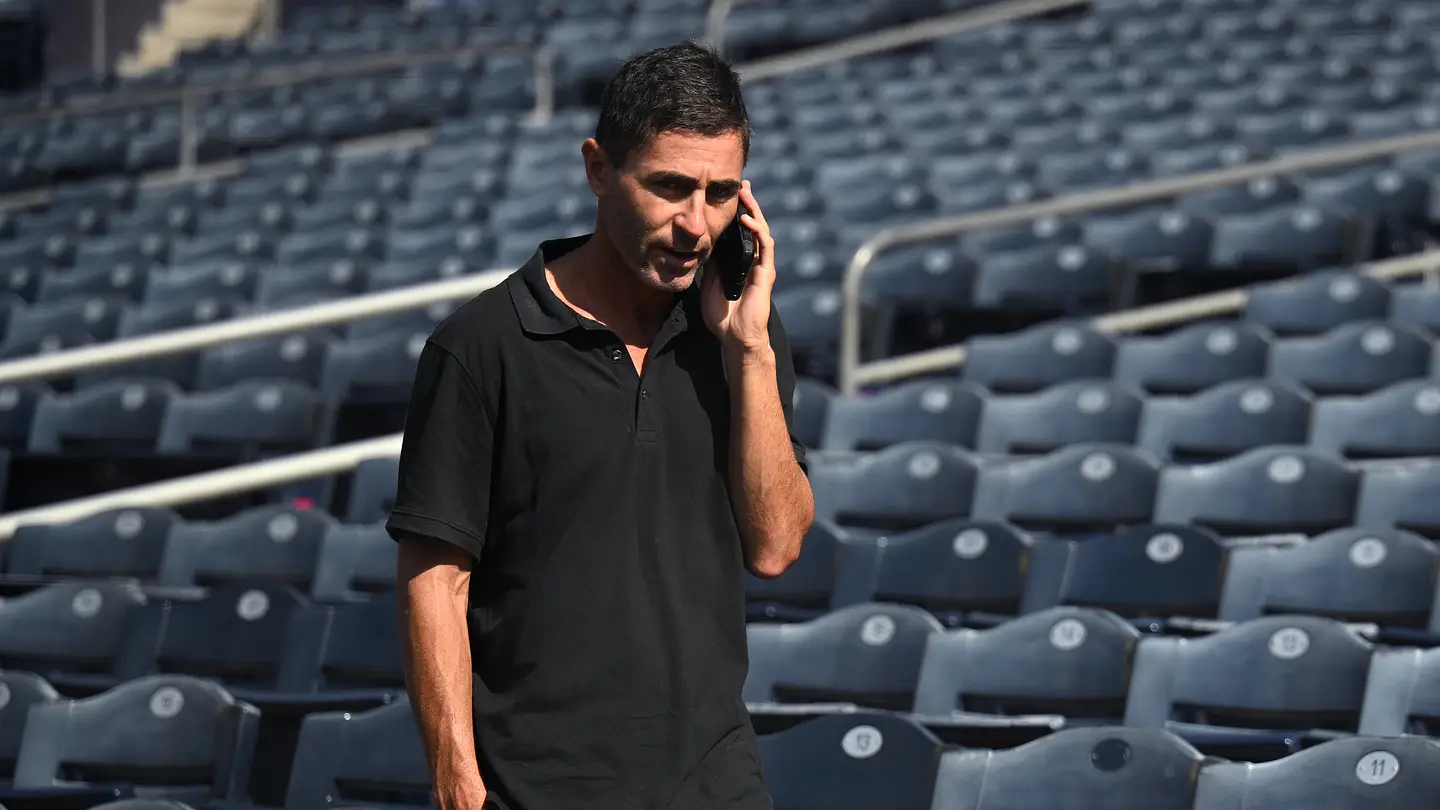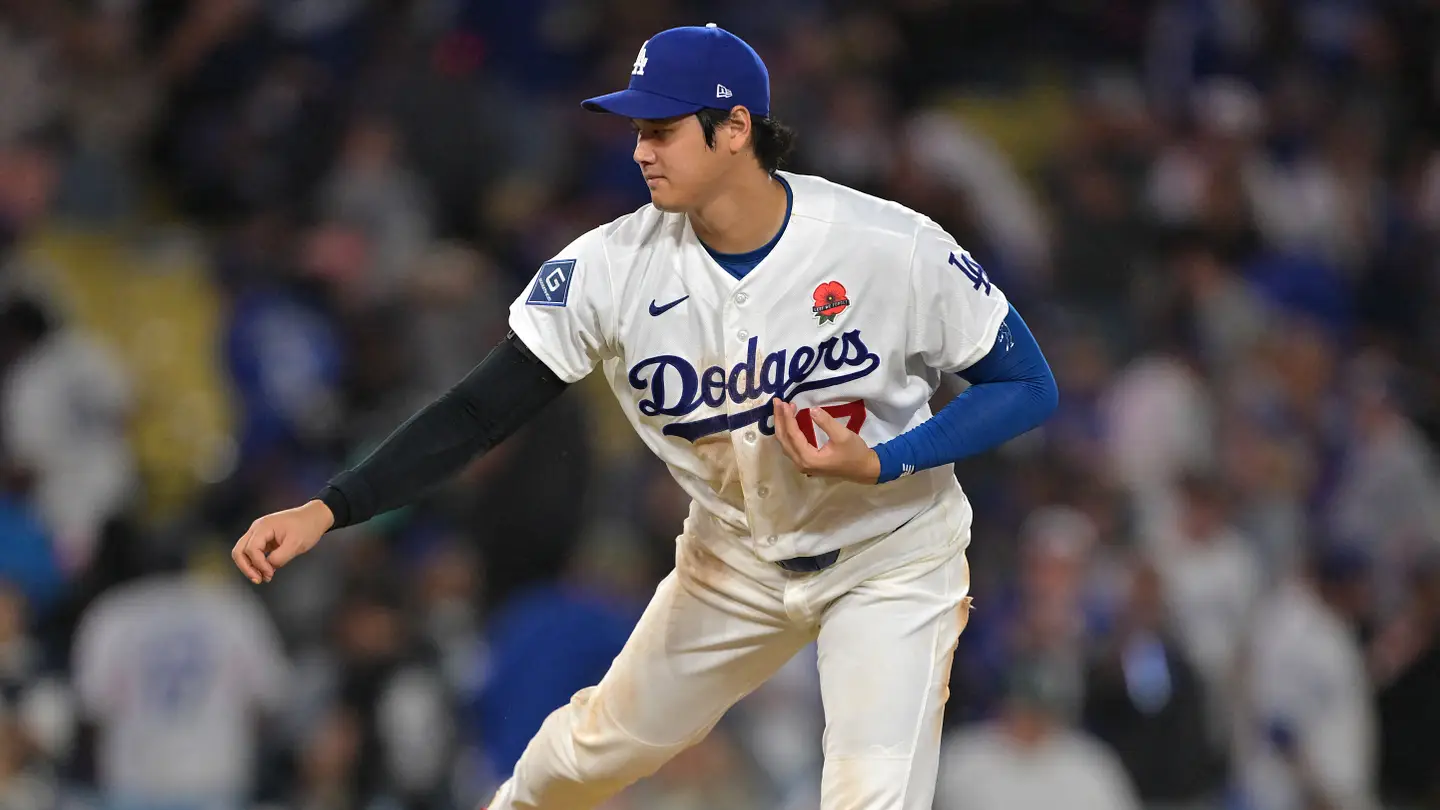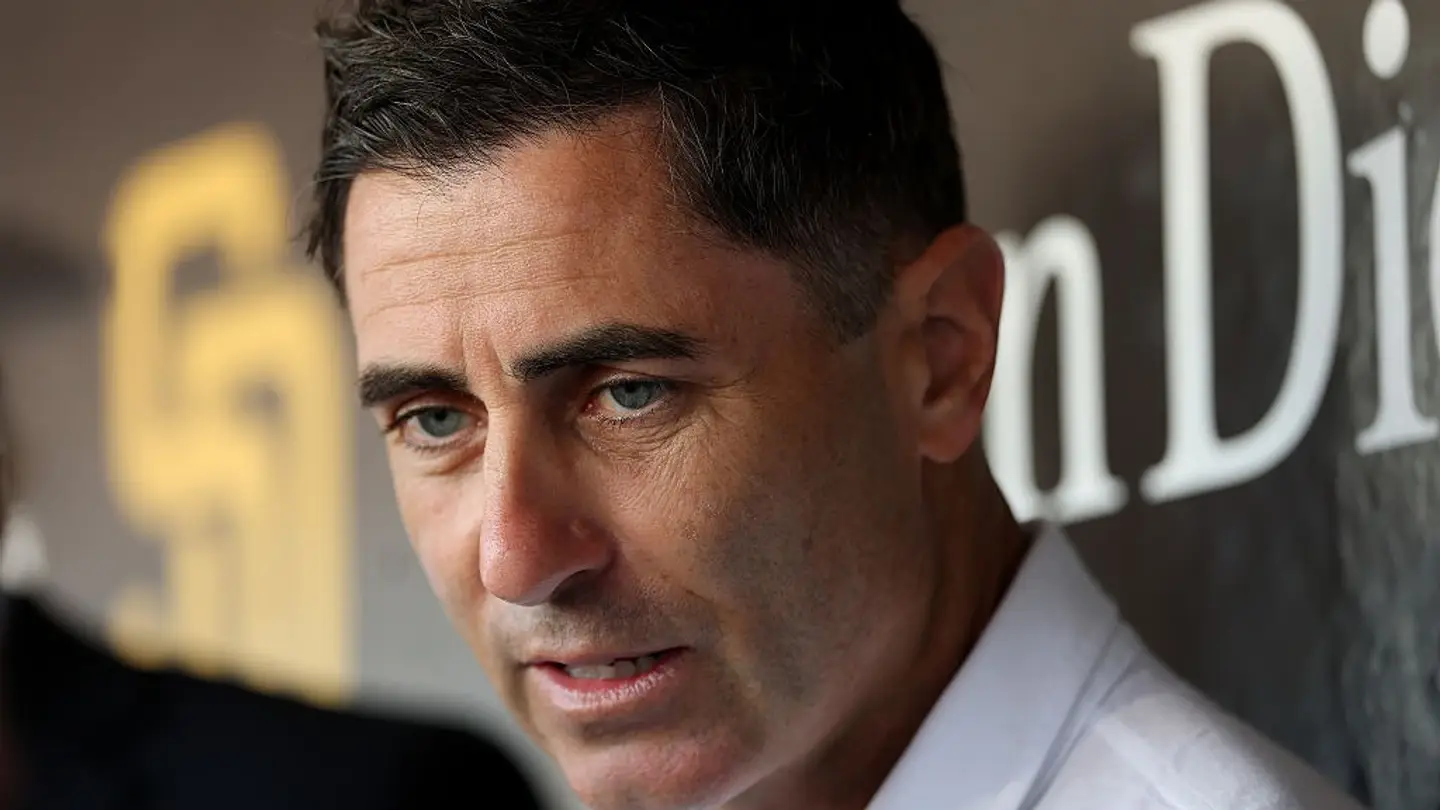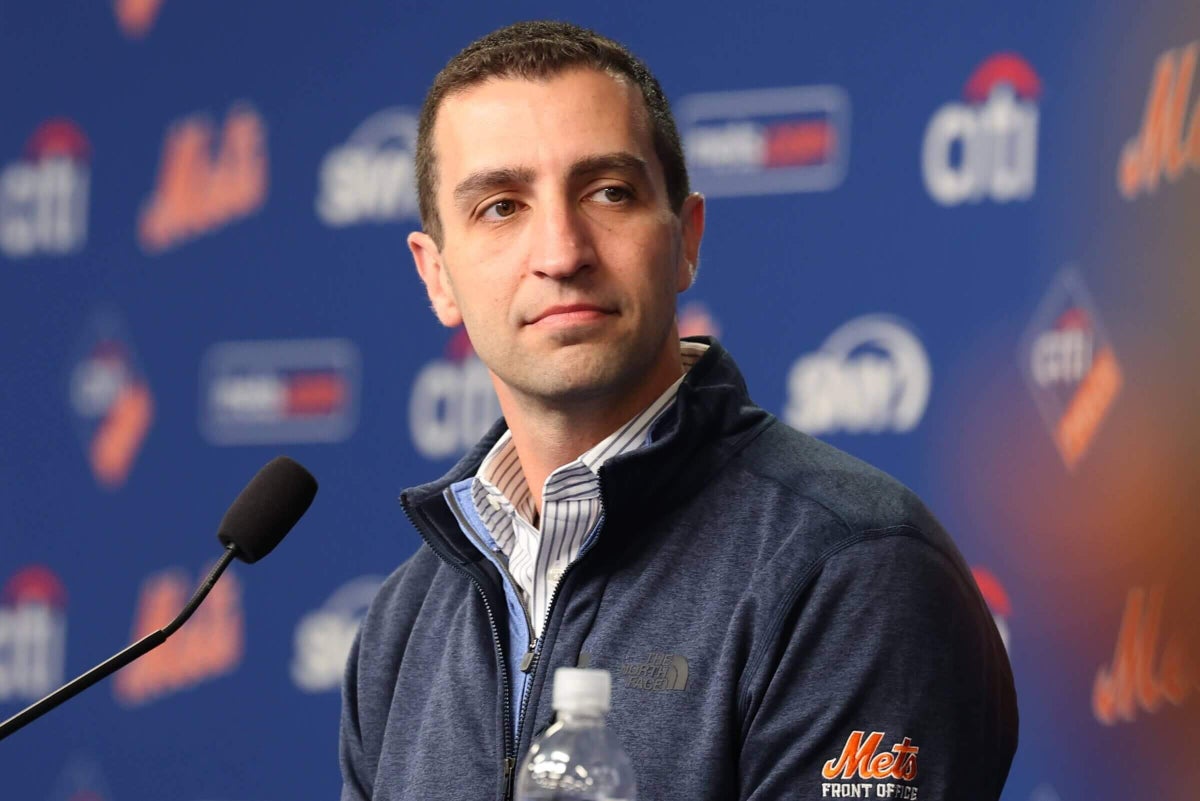
If you want your favorite team to replace its head of baseball operations, you’re almost certainly going to have to wait.Clubs rarely fire top executives this close to the amateur draft, which takes place July 11 to 13, and trade deadline, which is Aug. 3.Why would a team, if it is even considering a change, entrust a suspect leader with potentially franchise-altering decisions?At least part of the reason is to avoid disruption.Processes already are in place for both the draft and deadline. A new head of baseball operations would grab the wheel of a vehicle in motion, without necessarily knowing how the controls worked.What is striking about the current landscape is just how many top executives are facing intense scrutiny — I’m listing eight, and could have added more. Another unique aspect is the potential impact of an owners’ lockout on how teams might operate.A transaction freeze would take effect once the lockout began on Dec. 1, but only on player moves. Teams still could hire and fire all other employees, including those heading their front offices.So, if a club dismissed its top exec at the end of the season, it could extend its search for a successor beyond the start of the lockout. It also could avoid naming that successor — and paying that person’s salary — until a new collective-bargaining agreement is reached.The deadline could provide a lifeline for some of the execs on this list, provided the moves they make are transformative. For other execs, the problems run deeper, and no trade will make that dramatic a difference.Why it's too early to talk about the MLB trade deadlineKen RosenthalIn some cases, fans clamoring for change should be careful what they wish for. The Washington Nationals seem to have landed a winner with their hiring of Paul Toboni as president of baseball operations. But Toboni, new to the role, was a risk. It’s not as if the industry is teeming with sure things.One thing is certain: As the draft and deadline approach, the pressure on certain executives is only intensifying.David Stearns, New York MetsPeople in positions of power with New York teams frequently talk about the “noise” that comes with the market. Stearns certainly is hearing the noise now that his dramatic overhaul of the team’s roster and coaching staff has gone splat.The Mets’ $369 million payroll is the game’s second highest. Owner Steve Cohen said in spring training that making the playoffs was the bare minimum, adding, “missing two years in a row, that’s not good.” The Mets are in “not good” territory, and then some.Still, it would be an upset if owner Steve Cohen made a change before next season. Stearns’ $10 million salaries through 2028 wouldn’t necessarily stop someone as wealthy as Cohen. But remember, Cohen spent two years pursuing Stearns before finally hiring him in September 2023. Before that, he ran through four lead executives in three years.There is value in continuity, but only for so long. Cohen hired Stearns to be the Mets’ version of Andrew Friedman. Stearns’ first season was promising, ending with the Mets losing to Friedman’s Los Angeles Dodgers in the NLCS. But since then, a number of Stearns’ moves have backfired.Friedman didn’t find his groove immediately with the Dodgers, missing early in his tenure on mid-tier free agents such as Scott Kazmir and Brandon McCarthy. But he inherited a loaded roster and succeeded with trades for complementary players such as Kiké Hernández, Chris Taylor and Alex Wood before nailing most of his big-money acquisitions in recent years.Stearns needs to evolve as effectively, and soon.Buster Posey, San Francisco GiantsThe Giants are discovering that leadership as a player does not necessarily translate to leadership as an executive.It doesn’t mean they will fire Posey, who might be elected to the Hall of Fame next year on the first ballot. But perhaps at some point Posey will have the presence of mind to step aside, the way Bruce Bochy did when he knew Farhan Zaidi wanted his own manager. Posey cryptically acknowledged to reporters Tuesday that when a team falters, “there’s conversations that have to be had.”Posey’s embarrassing refusal to answer questions about the team’s Pride Night controversy arguably was more of an organizational failure; the Giants should have better prepared him, or had team president Larry Baer address the matter. But on the baseball side, the Giants’ 33-46 record, the fourth-worst in the majors, is a ringing indictment of Posey’s roster construction.The Giants obviously would love to move on from their enormous commitments to third baseman Rafael Devers and shortstop Willy Adames. But it might be easier and cleaner for Posey’s successor to undo those missteps, as well as his hiring of Tony Vitello as manager.With limited payroll flexibility last offseason, Posey and general manager Zack Minasian hit on second baseman Luis Arraez as a stopgap free agent, but missed on outfielder Harrison Bader and pitchers Adrian Houser and Tyler Mahle. Creativity has not been this front office’s strong suit. And fixing this mess will take yeoman’s work.Craig Breslow, Red SoxThe first sentence of the column I wrote after the firing of Alex Cora was, “Craig Breslow is next.” Nothing that has transpired since has changed my opinion.The Sox were 10-17 under Cora. They’re 22-29 under interim manager Chad Tracy, sitting on the worst record in the AL. CEO Sam Kennedy recently said during his weekly radio appearance on WEEI that the removal of Breslow was “not on the table.” But he also called the team’s season “embarrassing.”It’s obvious where this is heading, particularly with an ownership that is forever in search of someone to blame.Breslow is in third season. His predecessors — Ben Cherington, Dave Dombrowski and Chaim Bloom — all were fired in their fourth. When assessing Breslow’s body of work, it’s doubtful ownership would determine he warrants one more shot.The deadline is five and a half weeks away. Breslow is not yet ready to give up on the season. And even when he does, Sonny Gray, Aroldis Chapman and Co. will bring only so much.Breslow is next, all right. The only question is when.Dana Brown, Houston AstrosBrown checks all the boxes for an executive in trouble: This is his fourth season, he’s in the final year of his contract and his team last season missed the playoffs for the first time since 2016.Owner Jim Crane fired GM James Click after winning the 2022 World Series, so it stands to reason that a second straight failure to reach the postseason would make him itchy, if he isn’t already.Earlier this week, The Athletic’s Chandler Rome detailed how the Astros’ outfield was on pace to be one of the least productive in franchise history. This, after Brown said in March he was “not done yet” in his search for outfield help after making a trade that to this point has not worked in the Astros’ favor — Jesús Sánchez to the Toronto Blue Jays for Joey Loperfido.Brown’s efforts on the pitching side are even more troubling. His only successful acquisition, Peter Lambert, came on a minor-league deal. His six additions on major-league contracts — Mike Burrows, Tatsuya Imai, Ryan Weiss, Kai-Wei Teng, Nate Pearson and Roddery Muñoz — have combined for a 5.56 ERA. Weiss and Muñoz already have been designated for assignment and are off the 40-man roster.Houston, 19-12 since its 20-31 start, is getting healthier. Second baseman Jose Altuve, right-hander Hunter Brown and closer Josh Hader are back, and righty Cristian Javier soon might join them. A second-half surge likely will be necessary for Brown to retain his job. The Astros are right in the middle of the AL wild-card muck, but still four games under .500.Mike Elias, Baltimore OriolesLast November, in confirming Elias’ promotion to president of baseball operations, owner David Rubenstein said, “He’s done a spectacular job, and we have great confidence in him for many, many years to come.”Doesn’t sound like an owner who, eight months later, might be pondering a change. But when a team is losing, happy talk from ownership will be tolerated for only so long.After making consecutive playoff appearances in 2023 and ‘24 — albeit without winning a game — the Orioles last season fired manager Brandon Hyde and finished 75-87. This season, they’re 38-44 under Craig Albernaz, inconsistent and sloppy.Elias recognized the need for better fundamentals by hiring former major-league manager Mike Shildt to a newly created position in the minor leagues and seeking the expertise of Hall of Famer part-owner Cal Ripken Jr.A second straight losing season, however, would further test the patience of fans who endured years of tanking, grew excited when Elias initially delivered upon his promised “liftoff,” and are now frustrated that the team has failed to sustain success.A big deadline could improve the team’s fortunes, and perhaps the perceptions of Elias. For all the work Elias did last offseason — adding first baseman Pete Alonso, left fielder Taylor Ward, right-hander Shane Baz and closer Ryan Helsley, among others — the team remains in need of a top-of-the-rotation starter and bullpen help.Elias already waited too long to trade some of his prospects. Bolder action might be required, before it’s too late.Perry Minasian, Los Angeles AngelsRarely does a head of baseball operations survive five straight losing seasons. Minasian is working on his sixth while in the last guaranteed year of his contract, and the team is heading for its 11th straight overall.It’s impossible to know how much interference from owner Arte Moreno affects Minasian’s ability to maneuver — Moreno blocked trades of Shohei Ohtani and others, and the most he has allowed Minasian to spend on a free agent was $63 million for left-hander Yusei Kikuchi.Still, it’s not exactly as if Minasian distinguished himself on the margins. The Angels have a quality shortstop, Zack Neto, and the makings of a quality rotation with Jose Soriano, Reid Detmers and Walbert Ureña. But The Athletic’s Keith Law ranked their farm system the second-worst in baseball. And Minasian, perhaps out of desperation, rushes the few prospects he has.Rather than focus on development, the Angels often utilize young players based on immediate needs. Pitchers such as Sam Aldegheri, Ryan Johnson and Caden Dana bounce between starting and relief roles once they reach the majors, failing to develop properly. And the spinning of wheels continues.I’m calling it now: Moreno will dump Minasian and manager Kurt Suzuki at the end of the season, then save money by waiting until the end of the lockout to name replacements.Ben Cherington, Pittsburgh PiratesThe Pirates are 8-12 in June after going 16-12 in May, but some of their underlying numbers might surprise you. Their offense entered Wednesday ranked fifth in runs per game. Their rotation ranked ninth in ERA. Their run differential is +23.The team’s performance has largely validated Cherington’s active offseason, which included the additions of first baseman/outfielder Ryan O’Hearn and second baseman Brandon Lowe. Cherington remains busy trying to upgrade his roster, and his bullpen in particular, by signaling a willingness to discuss trades of prospects and/or the 34th pick in the draft.At the end of last season, team president Travis Williams explained the team’s decision to retain Cherington by saying, “We’re looking in 2026 to make the playoffs. Period. Full stop. We did not want to veer from that.”The Pirates might not get all the way there. But as long as they remain competitive — a realistic expectation once shortstop Konnor Griffin and center fielder Oneil Cruz return from injuries — Cherington would appear reasonably safe. The question then would become: Will the Pirates extend him?Cherington is under contract through 2027, a season that could be shortened or canceled by the lockout and/or include a salary floor that dramatically changes how the Pirates and other low-revenue clubs do business. If the team didn’t want to “veer” from Cherington last offseason, it probably would make little sense to veer from him after this one.The Pirates would not figure to be aggressive in free agency prior to the start of the lockout. But based on the team’s improvement, players now might view Pittsburgh as more of an attractive destination than they did in the past.Cherington helped make that happen.A.J. Preller, San Diego PadresWait, what? Only four months ago, the Padres signed Preller to a multi-year extension.The potential for change exists not because the Padres are merely on the fringes of the NL wild-card race, but because new ownership is taking over.The team’s late owner, Peter Seidler, was Preller’s biggest sponsor, backing his heavy spending and aggressive trading. Seidler’s brother, chairman John Seidler, negotiated Preller’s extension. But it’s possible that if approved, new owners José E. Feliciano and his wife, Kwanza Jones, could over time develop other ideas.For now, Preller is operating in his usual fashion. Some teams even hear Feliciano and Jones plan to grant him greater financial leeway at the deadline than he had the past three seasons, making him even more dangerous.Preller led the team to playoff appearances in four of the past six years. Feliciano and Jones presumably are buying the Padres with the intention of keeping them a contender. The only concern for Preller is that an ownership change can lead to a shift in a team’s internal dynamics.He might need to sell himself all over again.
These MLB front-office leaders are facing intense scrutiny — and a lockout looms
What is striking about the current landscape is just how many top executives are in this predicament.
2,203 words~10 min read