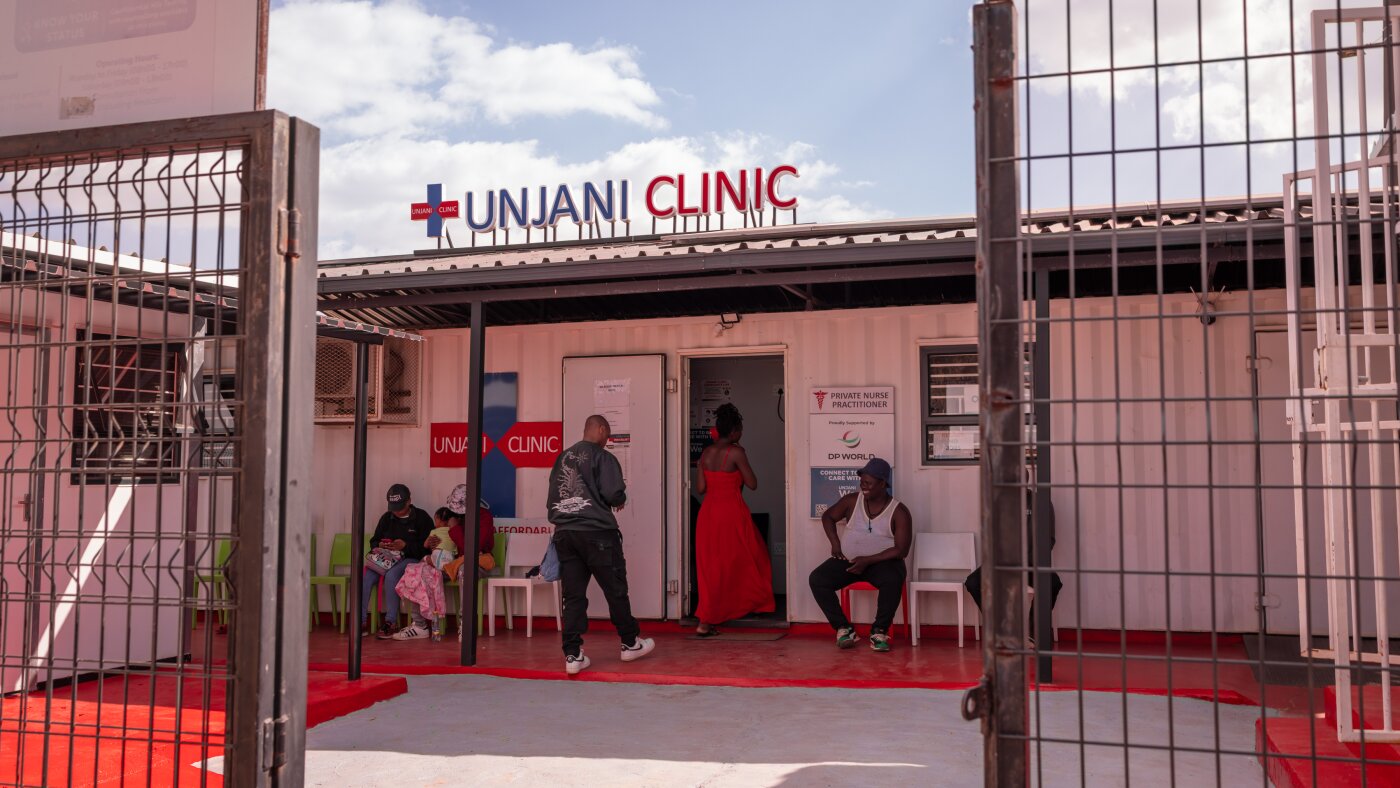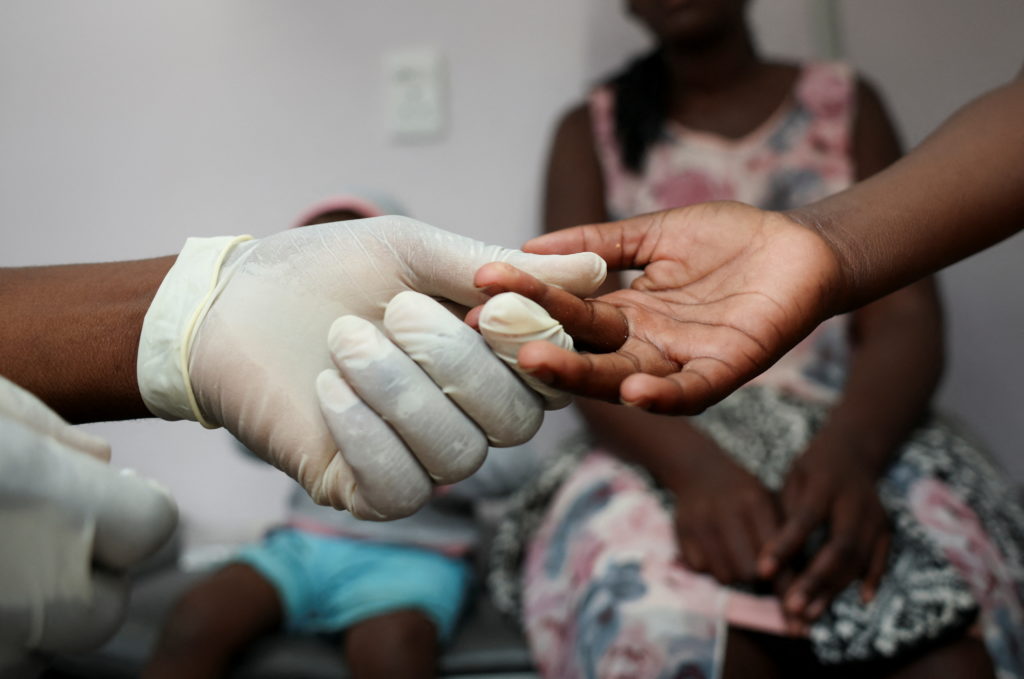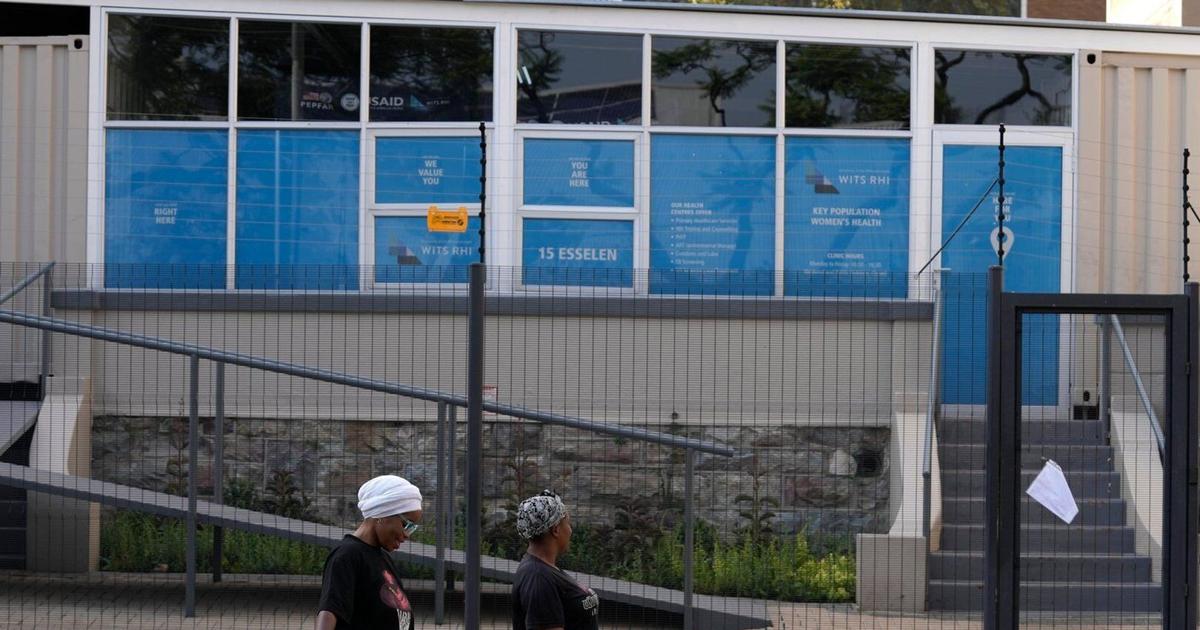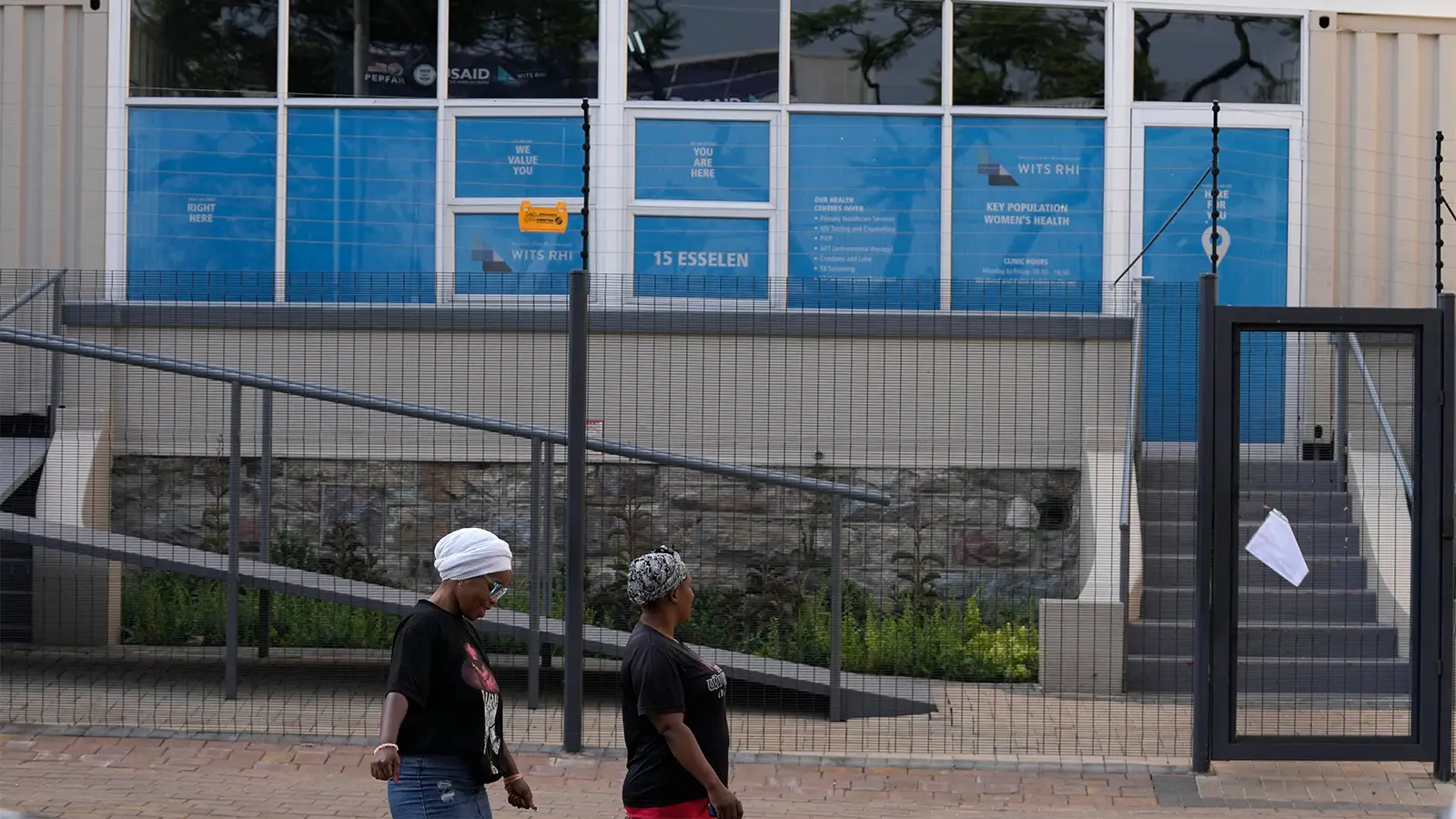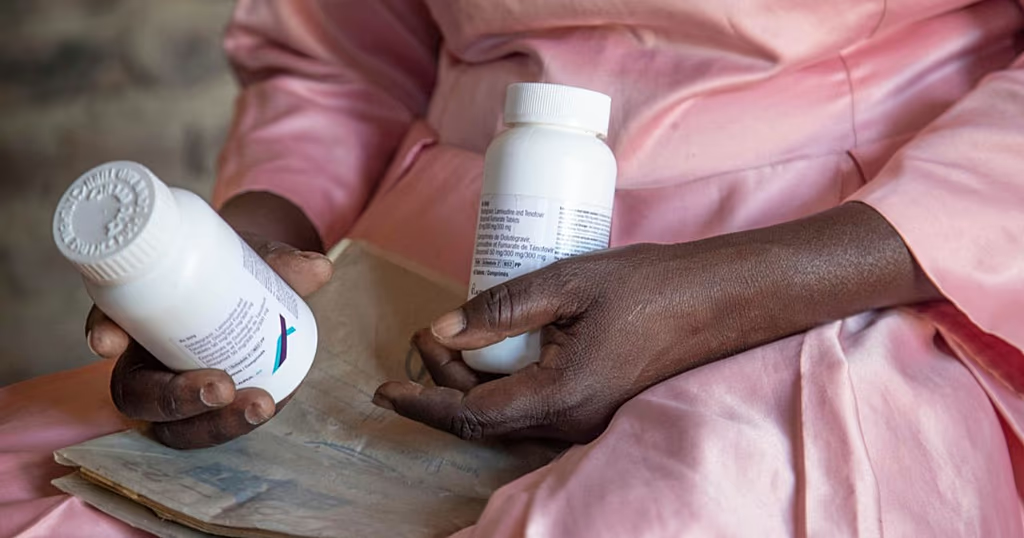
While Pepfar funding was vital for prevention and support infrastructure, contributing about 17% of South Africa’s HIV response and supporting more than 15 000 healthcare workers across 27 high-burden districts, the provision of life-saving antiretroviral drugs has been predominantly state-funded.
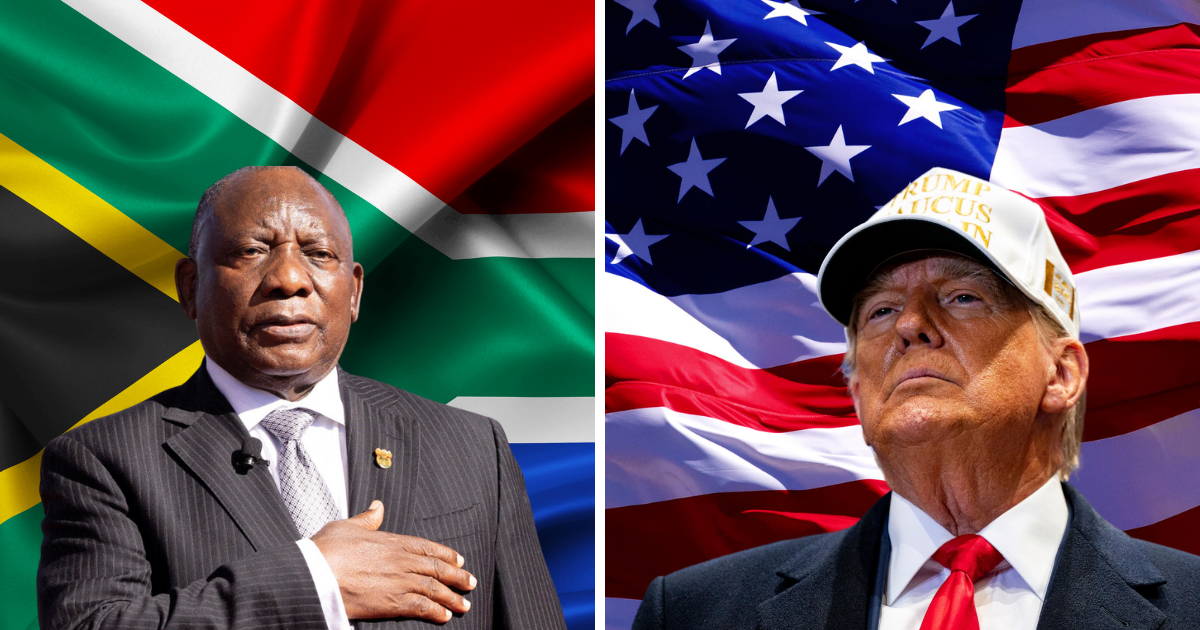
THE Trump administration’s decision to initiate a phased drawdown of funding for South Africa’s HIV/Aids programmes through the President’s Emergency Plan for Aids Relief (Pepfar) marks a significant and contentious turning point in a 23-year, $8 billion (R132bn) partnership.
While the US has framed the move as part of a broader transition towards self-reliance for middle-income countries, the timing and justification have raised profound questions about the role of global health initiatives in international relations.
Washington has linked the withdrawal to South Africa’s land reform policies and its alleged failure to protect the white-minority Afrikaner community, citing claims of so-called “white genocide”.
These assertions, however, have been widely discredited by independent experts and, notably, have not been endorsed by major Afrikaner civil society organisations such as AfriForum and Solidariteit.