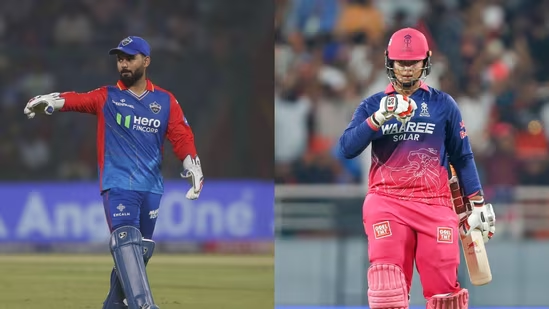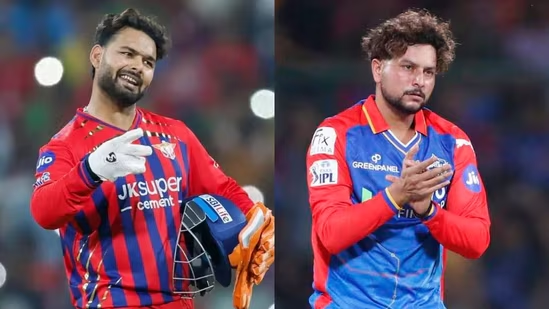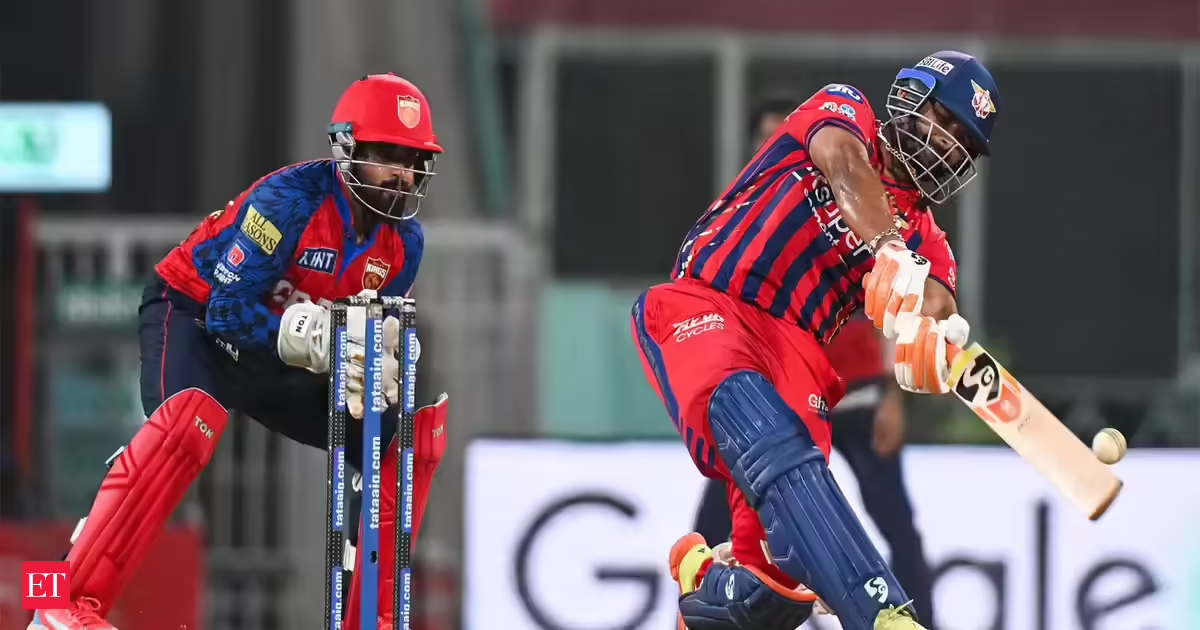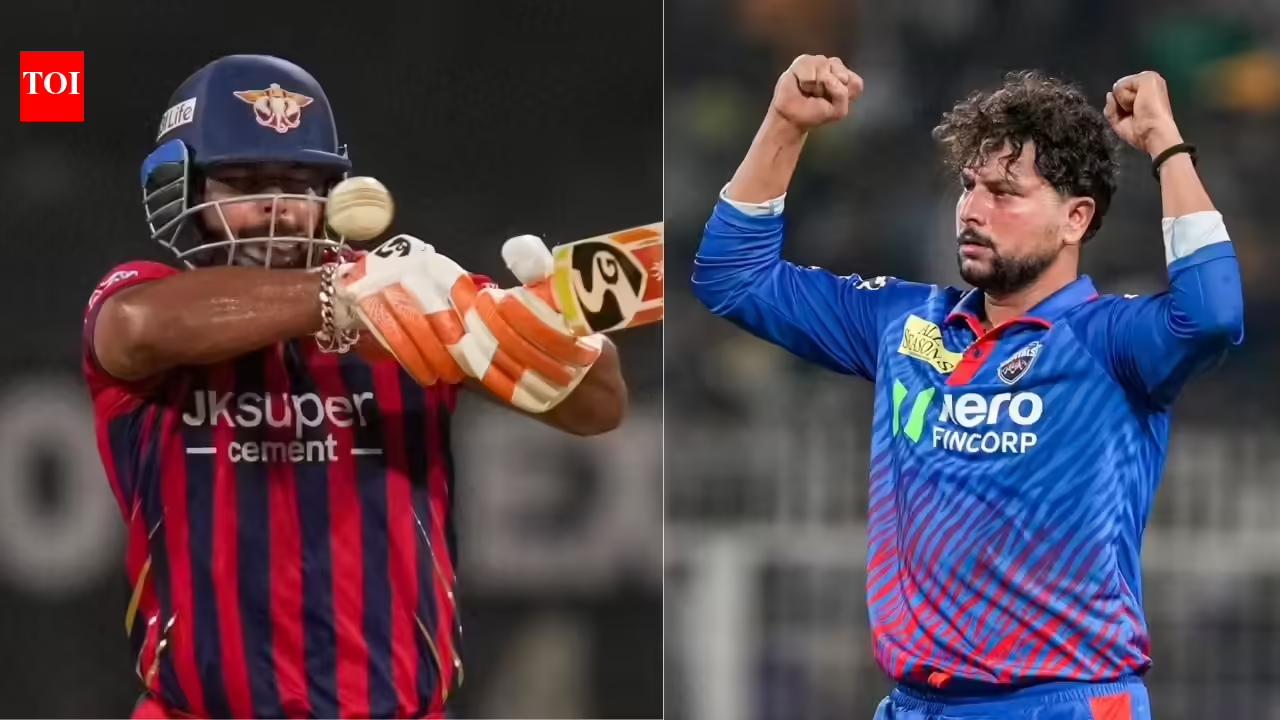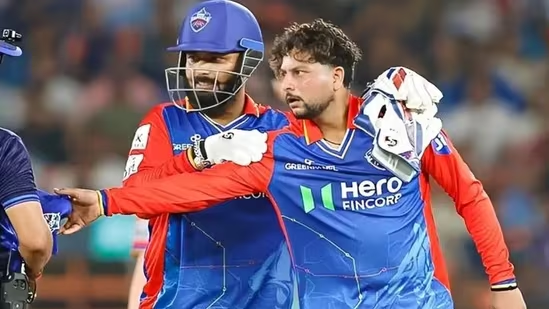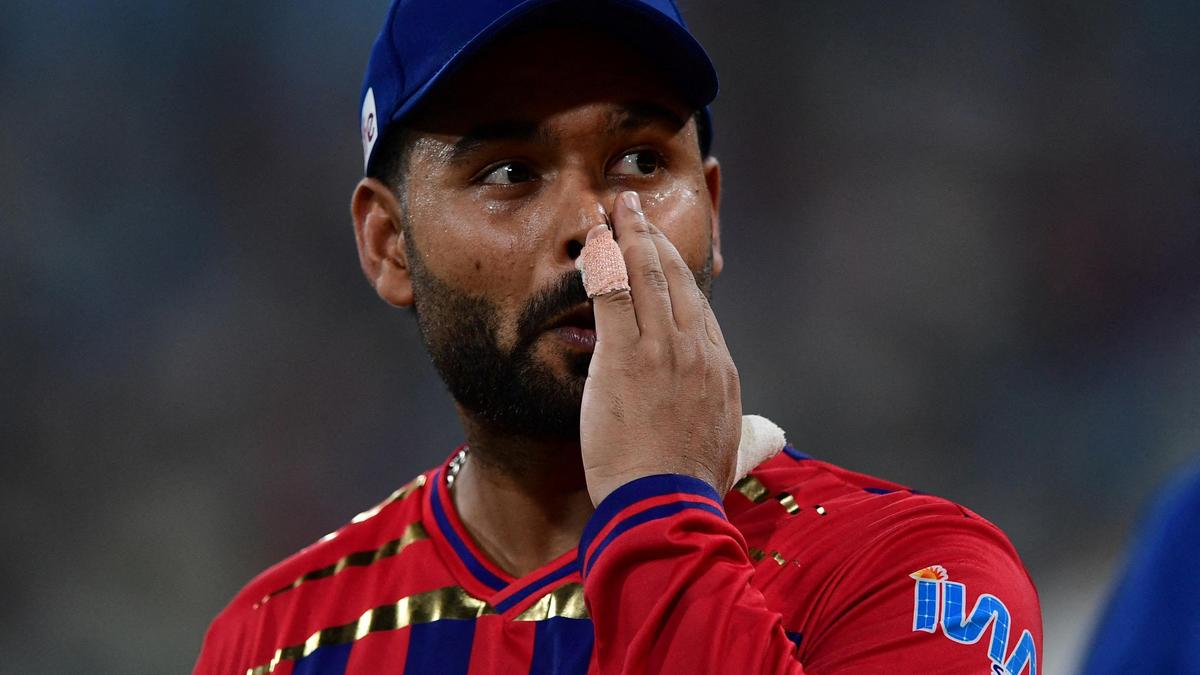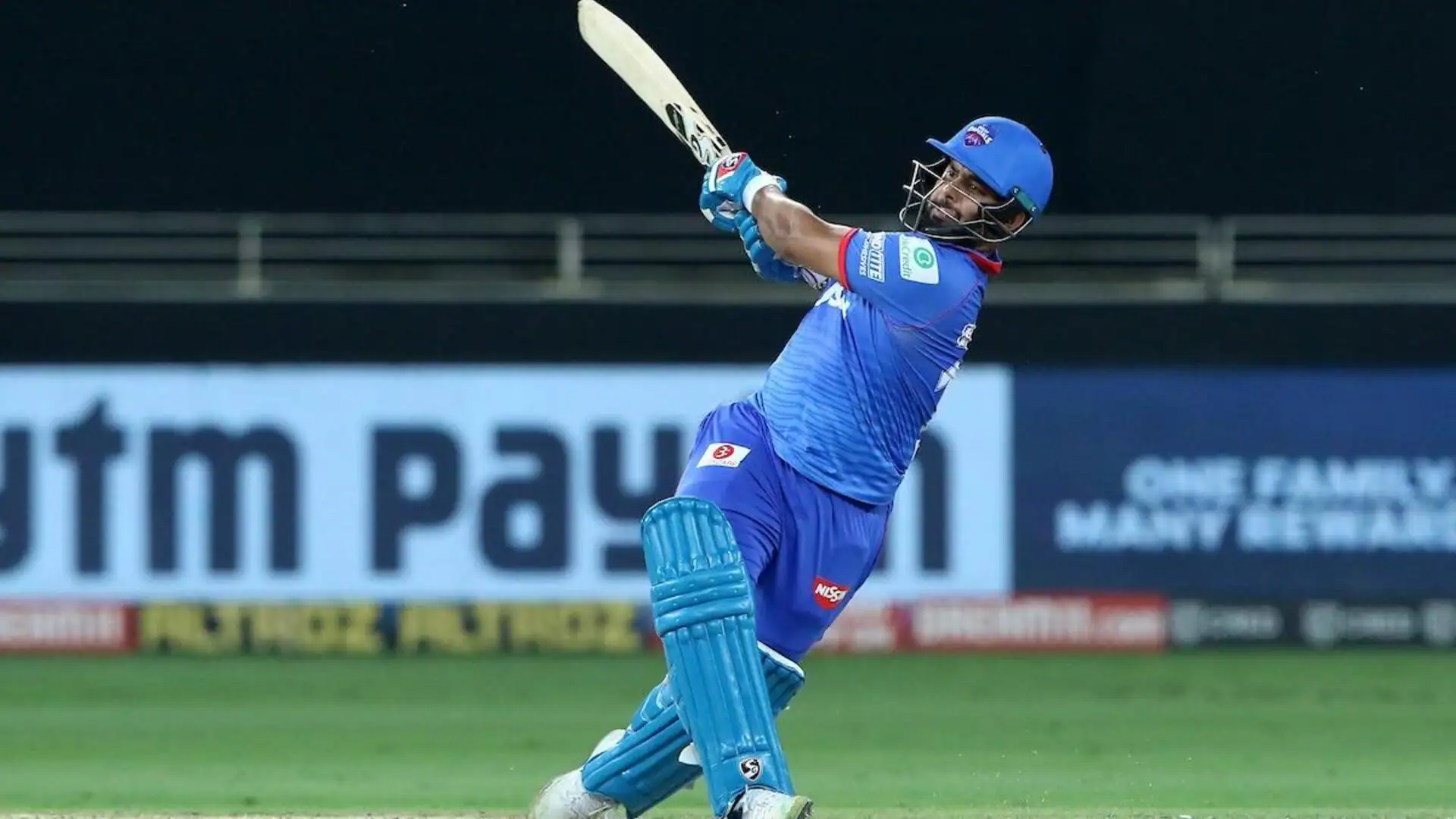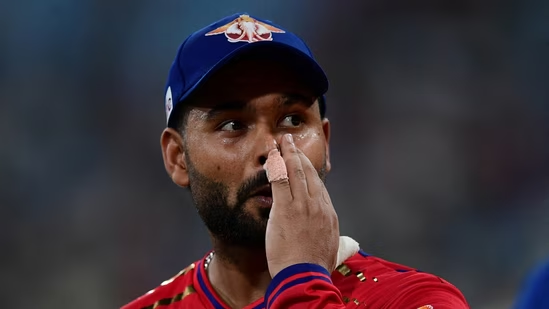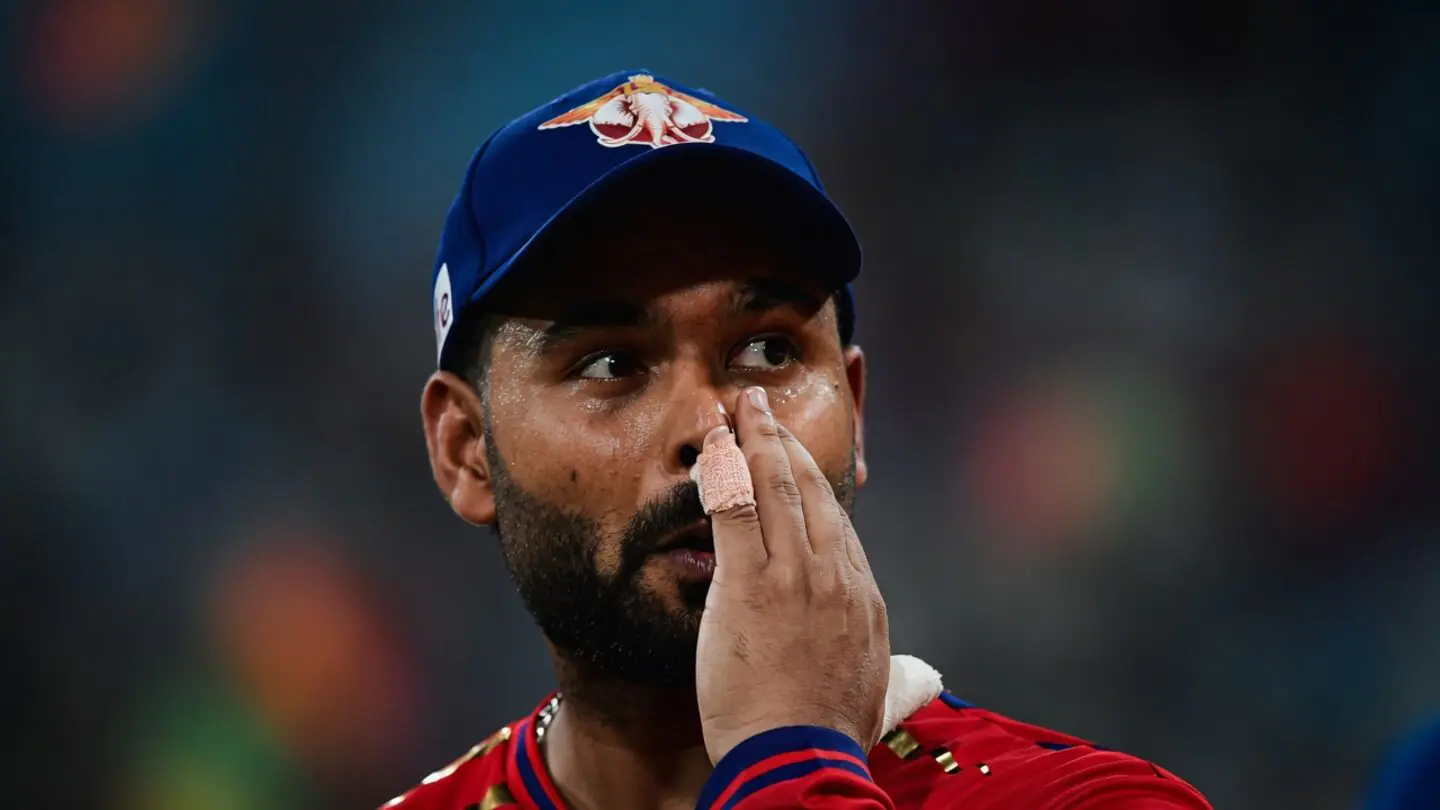
A social media post by RPG Group Chairman Harsh Goenka comparing cricketer Rishabh Pant's Indian Premier League (IPL) earnings to a corporate executive's salary has gone viral, sparking discussion about how player valuations differ from compensation structures in the corporate world. In a post shared on social media, Goenka highlighted the contrast between professional sports and traditional employment by referring to Pant's IPL earnings. He noted that the wicketkeeper-batter's valuation had fallen from ₹27 crore to ₹15 crore, using the example to illustrate how market-driven auctions can significantly alter a player's worth from one season to the next. "Rishabh Pant: ₹27 crore ➝ ₹15 crore," Goenka wrote.— hvgoenka (@hvgoenka) Drawing a comparison with the corporate sector, the billionaire businessman asked readers to imagine a chief executive being informed that their salary would be reduced from ₹27 crore to ₹15 crore because of performance and market conditions. "Imagine a CEO being told 'Last year we paid you ₹27 crore. This year, based on performance and market demand, we're cutting it to ₹15 crore.' In corporate life, that's unthinkable," he wrote. Goenka pointed out that player values in the IPL are determined through an auction process, where franchises bid for talent based on their assessment of a player's current market value and potential contribution. "In the IPL, it's an auction that determines what you're worth today," he said. He concluded the post with a light-hearted observation about the stability of corporate careers compared with professional sport, writing, "Thank goodness, most of us work in corporate life."Internet reacts to Goenka's comparison The post generated a range of reactions, with some users disagreeing with both the cricket and corporate comparisons made by Goenka. One user questioned Pant's valuation, writing, "No hate for him, he doesn't deserve ₹15 crore too. I don't see any seriousness and dedication in any games." Others challenged the suggestion that corporate compensation is immune to performance-based reductions. One commenter argued that annual stock-based rewards in the corporate sector are frequently adjusted according to results. "In corporate life, it's totally thinkable, for compensations based on yearly stock refreshers. Every year, based on performance, the RSU refreshers get calibrated. It's a myth that corporate works differently," the user wrote. Some respondents suggested that a chief executive's performance should be evaluated over a longer period before compensation decisions are made. "I think it is better if we judge CEO over a fixed period such as 3 year or 5 year and then do the salary revision," one user commented. Others broadened the discussion beyond leadership accountability. One social media user questioned whether chief executives alone should bear responsibility for an organisation's performance, asking, "Sir, so do you think CEO's are mainly responsible for ups and downs? What about rest of the team and owners? Why don't they cut their perks and benefits?" Another commenter argued that boards and company leadership structures should also be held accountable when performance falls short. "Indeed, the CEO will be fired, not the clueless Chairman or the Board, which is not able to devise appropriate corporate strategy and put the top management in right direction," the user wrote. The responses reflected differing views on performance-based compensation, leadership accountability and the similarities between professional sports auctions and corporate pay structures.
Harsh Goenka says Rishabh Pant's Rs 12 crore salary cut is unimaginable in corporate world, netizens react
RPG Group Chairman Harsh Goenka's viral social media post comparing cricketer Rishabh Pant's IPL earnings drop to a CEO's salary sparked debate. Goenka highlighted how player valuations fluctuate drastically via auctions, unlike stable corporate pay. Internet reactions varied, with some questioning Pant's worth and others arguing corporate compensation also adjusts based on performance, challenging the perceived difference in stability.
541 words~2 min read