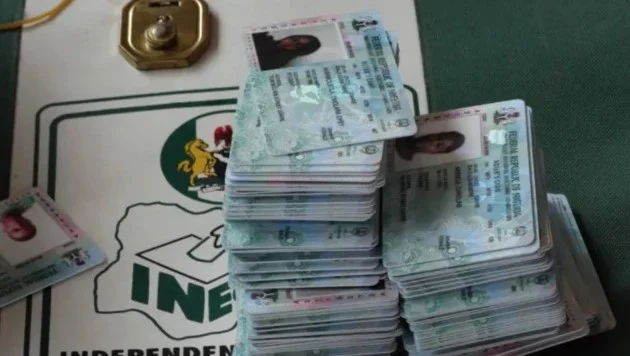
Thousands of Nigerians, particularly young people, persons with disabilities, civil society organisations, and democracy advocates, have long argued that citizens should not lose their right to vote simply because a Permanent Voter’s Card is lost, damaged, destroyed or inaccessible. The introduction of the downloadable PVC in the Electoral Act 2026 was, therefore, a significant victory for electoral inclusion and one of the most citizen-centred reforms in Nigeria’s recent electoral history. The Electoral Act, 2026, introduced the concept of a downloadable PVC, which INEC has now incorporated into its Regulations and Guidelines for the Conduct of Elections 2026.
For young voters who move frequently for education, employment or national service, and for persons with disabilities who often face additional barriers in accessing electoral services, this reform has the potential to remove a longstanding obstacle to participation. It signals a shift away from viewing the physical PVC as the sole gateway to voting and toward a system where voter registration and biometric verification through the Bimodal Voter Accreditation System remain the ultimate basis for electoral participation.
At a welcome ceremony for the INEC Chairman, Prof Joash Amupitan, at the commission’s headquarters in Ekiti State on May 20, the INEC chairman confirmed that voters who request downloadable PVCs will be eligible to participate in the upcoming gubernatorial elections in Ekiti and Osun states and the 2027 general elections, using this new provision.