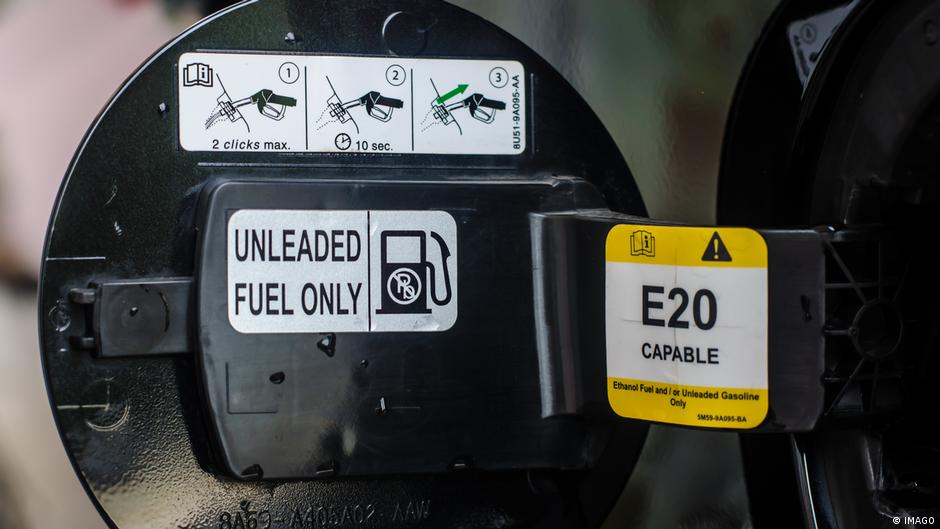
Ford India customer care has warned that using fuel with a higher ethanol blend, such as E20, may potentially damage the engine or emission system and may also affect the validity of a vehicle’s warranty.The warning, sent in response to a query from an EcoSport owner, has now drawn fresh attention as India’s E20 rollout continues to spark debate among motorists.According to the email response circulating online and verified by RushLane, Ford India said higher ethanol content fuel may not be suitable for every vehicle. The ET has also reached out to Ford India for a comment on this and the story will get updated once the reply is received. It stated clearly that using E20 petrol could lead to engine or emission system damage, while also increasing fuel consumption.The company also said such fuel use may affect the validity of the vehicle’s warranty. That point, in particular, has become the main concern for many owners of older cars.What Ford saidIn its reply, Ford India told the customer that fuel with a higher ethanol content, such as E20, may cause damage to the engine or emission system.It added that the fuel may also raise running costs by increasing consumption. Most importantly for owners, Ford said the use of such fuel may impact warranty validity.The company further advised owners to monitor their vehicle’s performance closely and visit an authorised Ford service centre if any abnormal behaviour is noticed. Ford India warns about ethanol blending, says it can harm engines and affect warranty claims. (Screenshot of email shared by Ecosport Owner/Rushlane)Why the warning mattersThe issue is especially relevant for older vehicles.Many EcoSport models sold before E20 compatibility standards were introduced were originally engineered for lower ethanol blends, such as E10. That means the warning is likely aimed at older variants that were not built with E20 in mind.For owners, the concern is not just about mileage or drivability. The bigger worry is whether using E20 could complicate warranty claims if engine or emission-related issues arise later.Government position and customer concernsThe response has surfaced soon after the Ministry of Petroleum and Natural Gas defended the ethanol blending programme, saying E20 fuel is scientifically validated and that no widespread engine failure has been reported.But Ford’s customer care reply shows that consumer unease has not gone away.For older vehicle owners, the gap between government assurances and manufacturer caution is now becoming harder to ignore. The result is a growing sense of uncertainty over what E20 means in practice for cars built before the latest compatibility norms.Bigger debateThe Ford response has added fuel to the wider conversation around E20 petrol in India.While the policy push for ethanol blending continues, owners of older vehicles want a clearer answer on whether their cars can safely run on higher ethanol fuel without damage or warranty risk. Ford’s reply does not settle that debate, but it does place the concern squarely on engine health and warranty cover.That is the main issue now. Not just fuel economy. Not just compatibility. For many owners, the real question is whether E20 could leave them facing repair bills and rejected warranty claims later.
'May affect your warranty': Ford India allegedly warns ethanol petrol can damage engines and reduce mileage
Ford India customer care has warned that using fuel with a higher ethanol blend, such as E20, may damage the engine or emission system and may also affect the validity of the vehicles warranty. The response has renewed concern among owners of older EcoSport models, especially those not originally built for E20 fuel.
519 words~2 min read