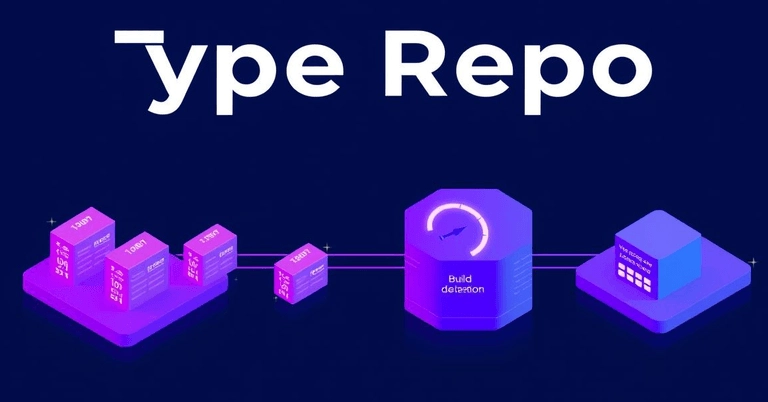
TypeScript Isolated Declarations: Real-World Performance Gains in Monorepo Build Times
Most monorepo build bottlenecks stem from sequential declaration file generation. TypeScript's default behavior requires analyzing every import chain before emitting a single .d.ts file. This sequential dependency creates a cascading delay where package builds queue behind one another. The --isolatedDeclarations flag eliminates this bottleneck by enabling parallel declaration emit. Teams report 3x to 15x faster builds after migration.
Why Monorepo Builds Are Slow: The Declaration File Bottleneck
The core problem is TypeScript's type inference across module boundaries. When package A depends on package B, TypeScript must fully resolve B's types before generating A's declaration files. This creates a dependency graph where builds cannot parallelize. In a 20-package monorepo, this means 19 packages wait idle while the compiler works sequentially.
The failure mode here is subtle but expensive. Engineers add packages to improve code organization, but each new package compounds the sequential processing cost. Build times grow non-linearly with package count. The implication here is that architectural improvements make builds slower, creating perverse incentives against good code structure.