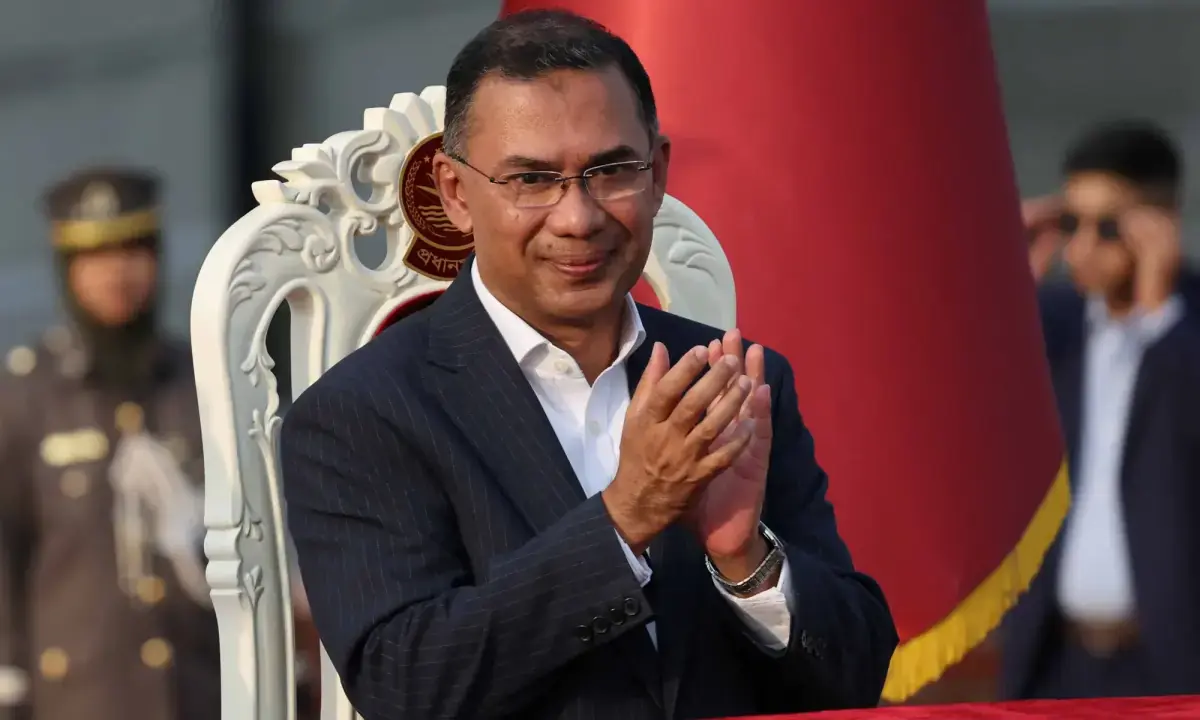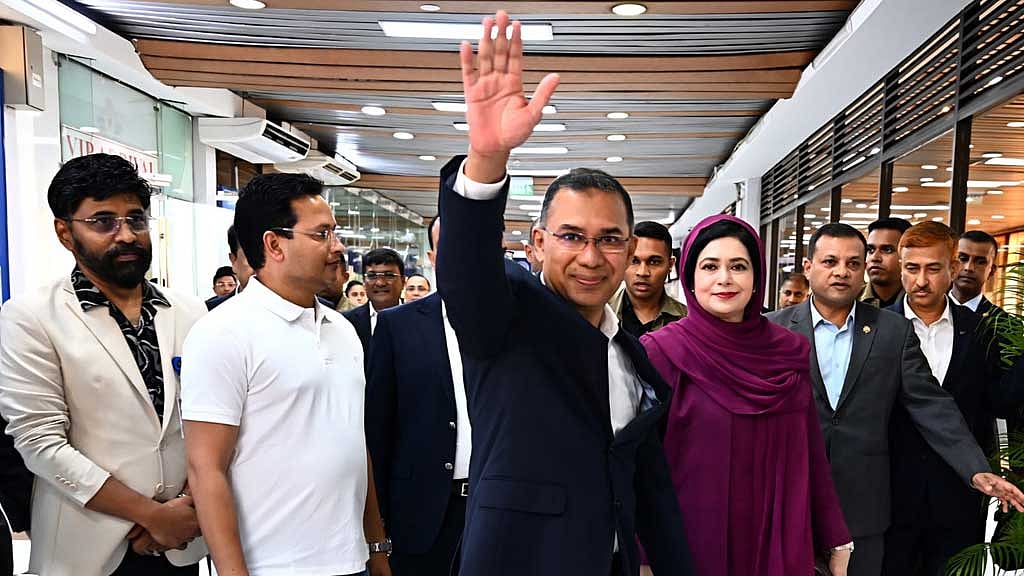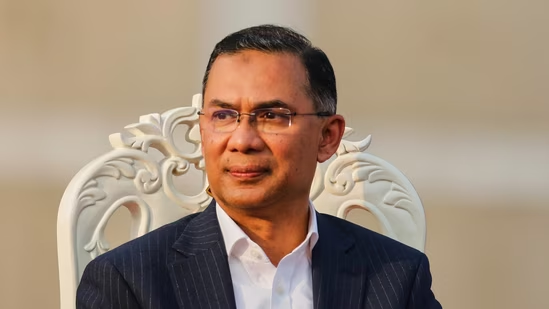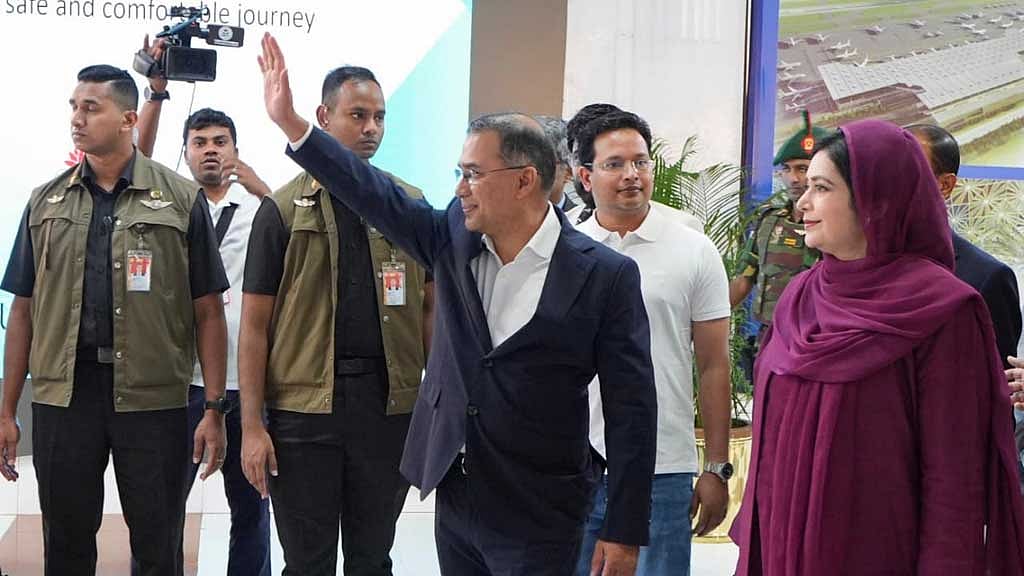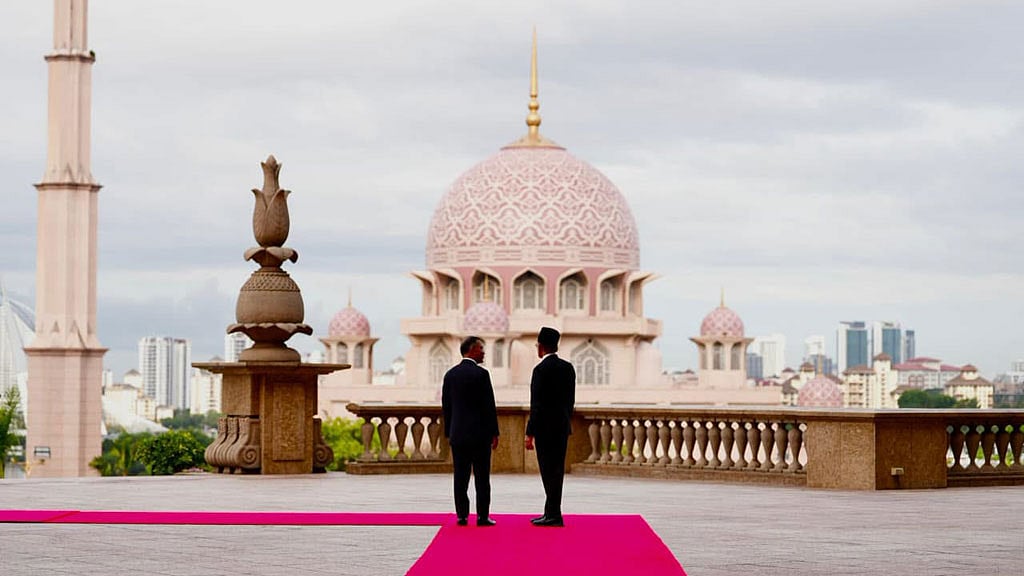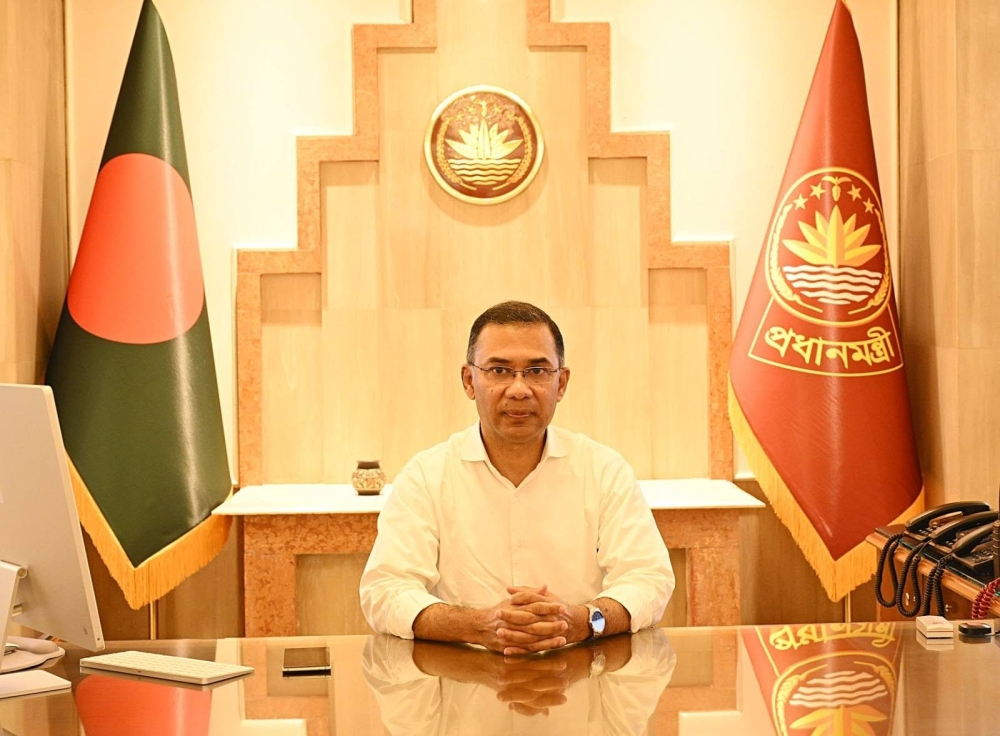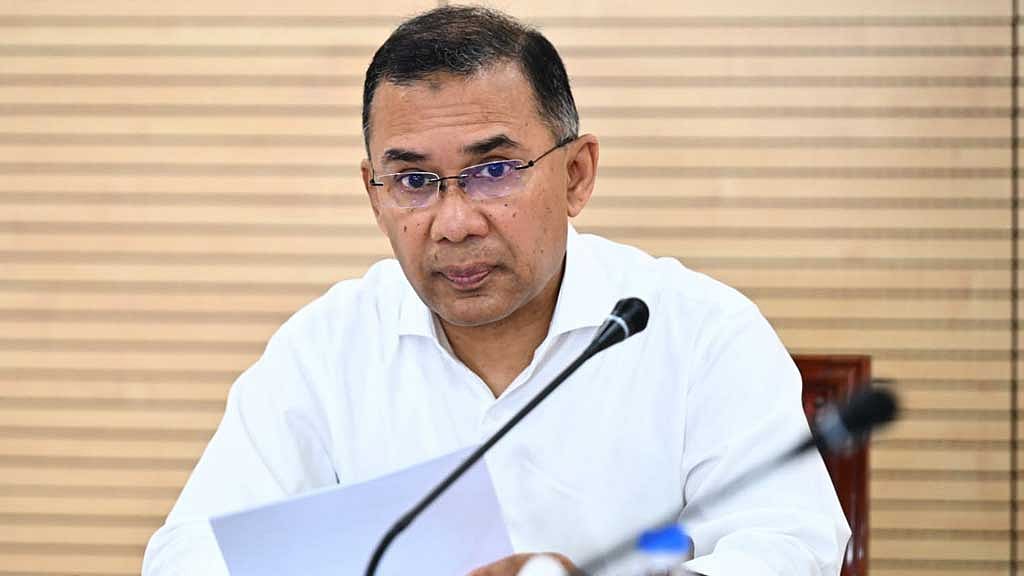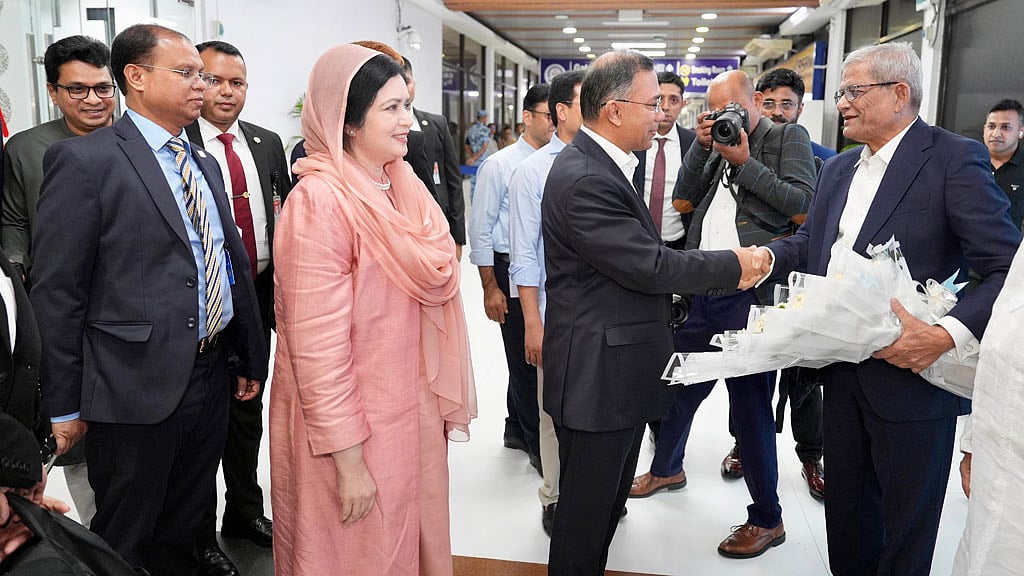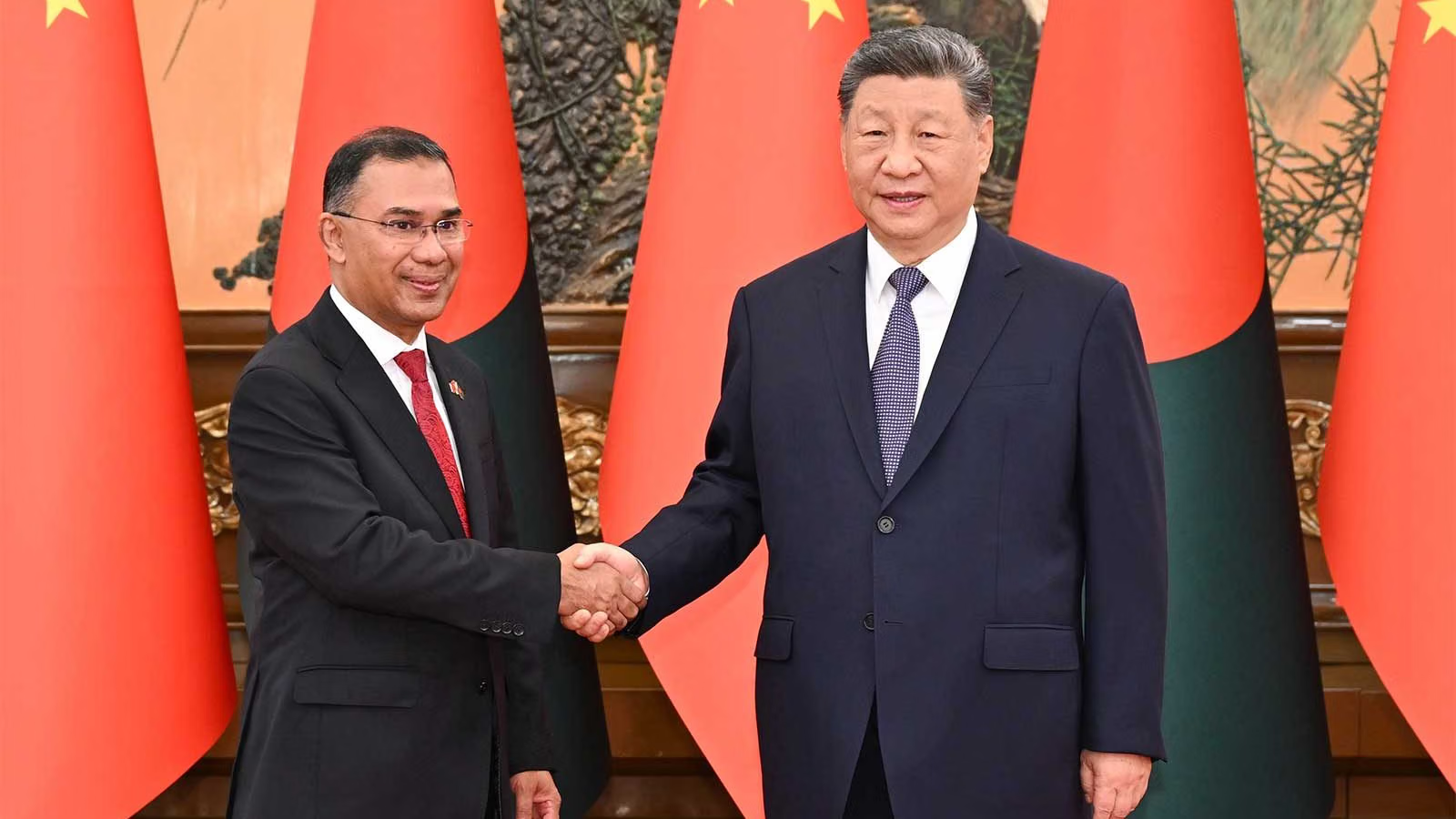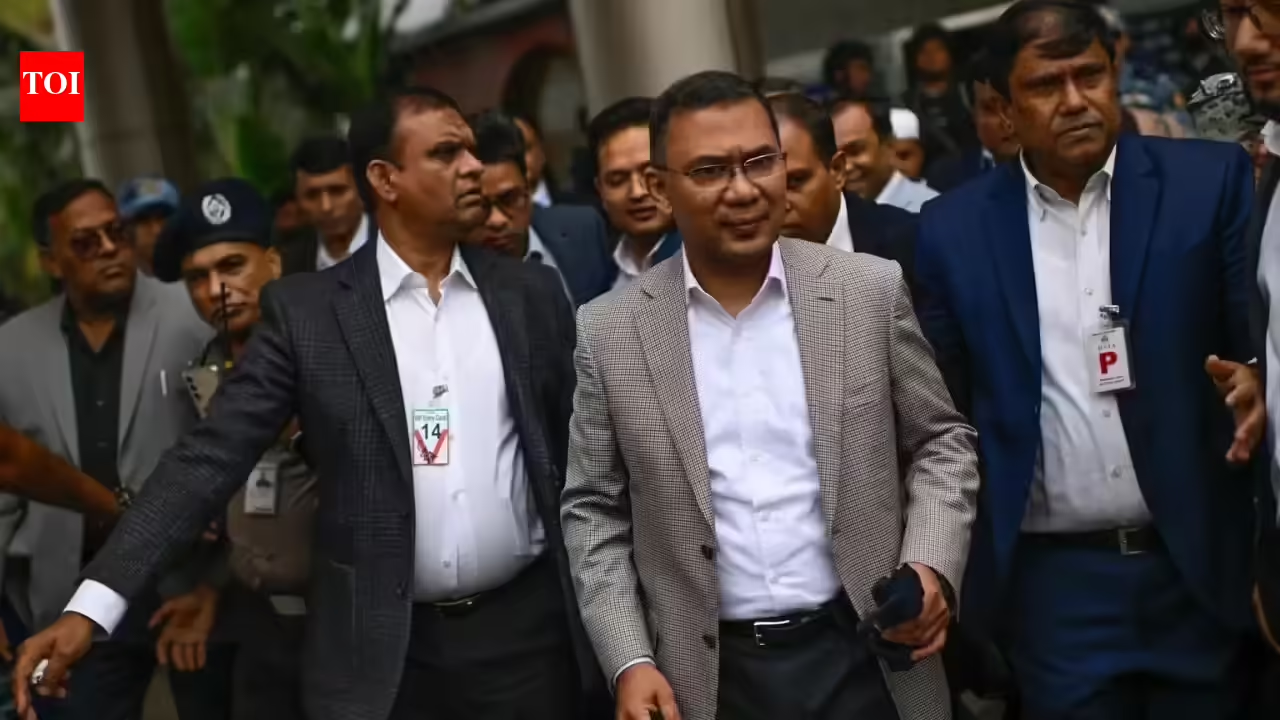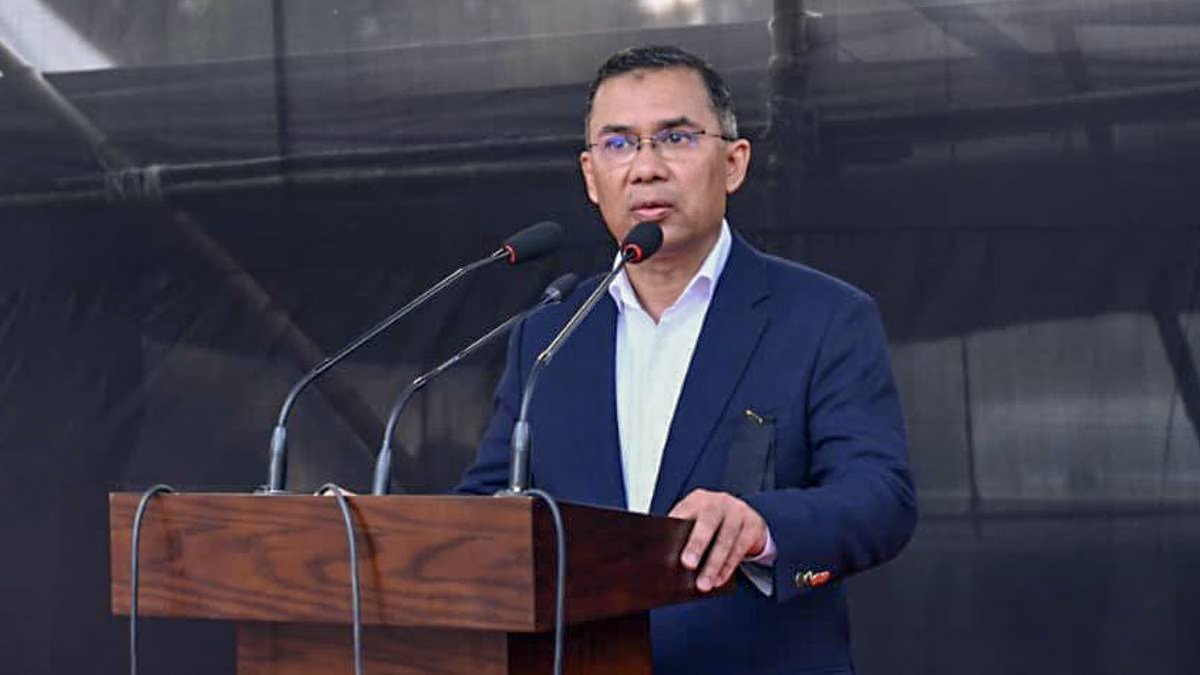
Bangladesh Prime Minister Tarique Rahman, made his first overseas visit to Malaysia on 22 June. His visit to Kuala Lumpur comes after spending more than 100 days in office, which could be considered enough time to prepare and strategise the direction of a new Bangladesh’s foreign policy. For India, this is Dhaka’s break from its past diplomatic tradition of visiting New Delhi, but not too surprising given the mounting tensions between the two countries over the past three years, especially since the ouster of former Prime Minister Sheikh Hasina.
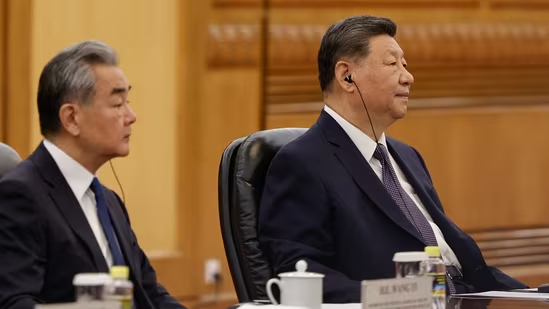
Many read this visit as a key strategic move by Dhaka, one that accommodates public sentiment in decentralising Bangladesh’s foreign policy from India and charts its future direction by creating a new precedent. But is that the only message Dhaka has conveyed, or is there something more worthwhile reading?Rahman’s visit to Malaysia is more than meets the eye, and, no surprise, there is a China angle to it. The Malaysia visit was the first leg of his two-nation tour, and as of 24 June, Rahman is in China at the invitation of his counterpart President Xi Jinping.
Undoubtedly, as a long-term friend and as the closest neighbour, New Delhi would have liked to host Rahman, but it is for Dhaka to decide. Prime Minister Narendra Modi had sent an early invitation to the newly elected PM in February 2026 through Lok Sabha Speaker Om Birla, who attended Rahman’s swearing-in ceremony.However, even if Rahman’s early diplomatic exchanges with India seemed promising, he is weighing the value of not visiting India to preserve his political longevity and avoid controversies at home, given that many still see Hasina’s presence in Delhi as a major obstacle to ties. At the same time, by choosing to go to Malaysia, Rahman has also tried to avoid a media frenzy. Meanwhile, a visit to China before India would still be read strategically in New Delhi.Bangladesh-Malaysia bilateral ties