Published Jun 25, 2026, 3:00 AM EDT
A retired Army officer and current social work professor shares tips for former servicemembers struggling with anxiety.
Follow
Published Jun 25, 2026, 3:00 AM EDT
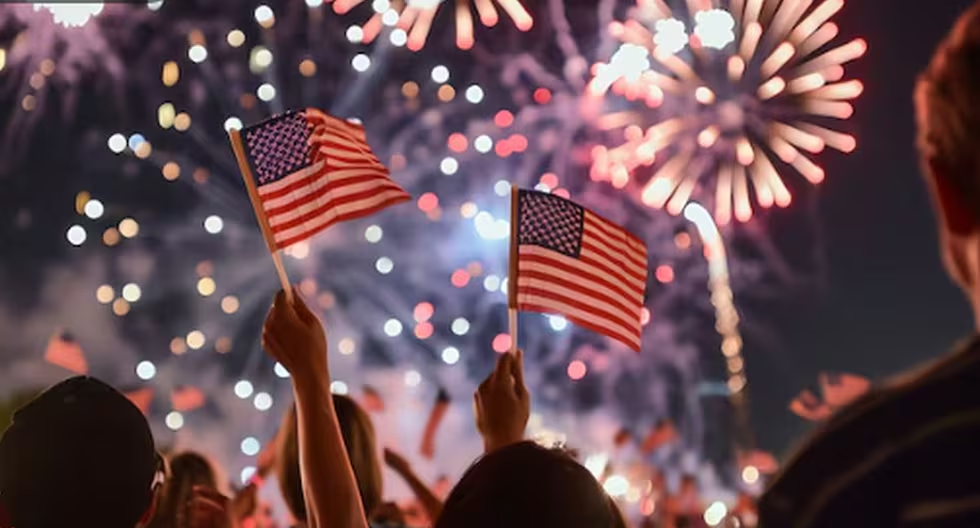
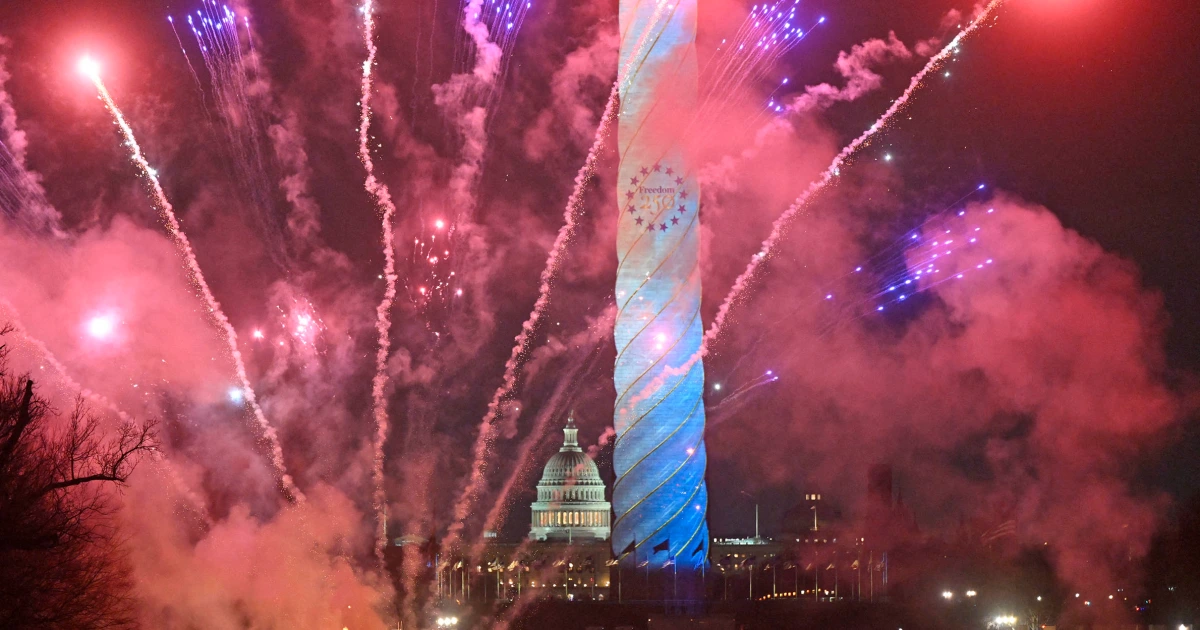
This year’s Fourth of July celebrations promise to be epic, marking the nation’s 250th anniversary. But for some veterans, the bangs, flashes and noise from fireworks blasting in the night sky can be a nightmare. However, Dr. Nikki Wooten, an Army veteran and professor at the University of South Carolina College of Social Work, believes there are suitable ways veterans can still enjoy the holiday without being emotionally and physically triggered. “The debris created by fireworks can remind them of the debris from roadside bombs, IEDs, explosions, and mortar attacks,” Wooten told Military.com. “The sounds can remind them of incoming mortar attacks, missiles and explosions and the smells can remind them of explosions, burn pits and roadside bombs. Olfactory senses can initiate some of the strongest reminders of trauma.” Veterans who haven’t been in combat for decades are suddenly transported back in time to a grim reality, igniting episodes of post-traumatic stress disorder (PTSD). And the flashbacks can affect close family members as well. “Living with or being in a relationship with someone diagnosed with PTSD puts spouses, significant others and children at risk for PTSD,” said Wooten, who specializes in post-deployment mental health. “The service member or veteran may disengage from social interactions (including parenting and spouse/partner responsibilities), social events and avoid crowds.”