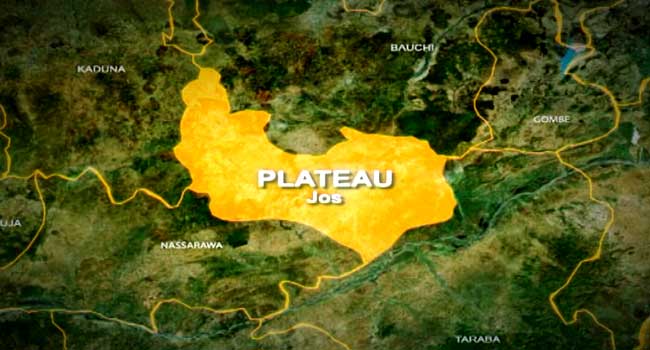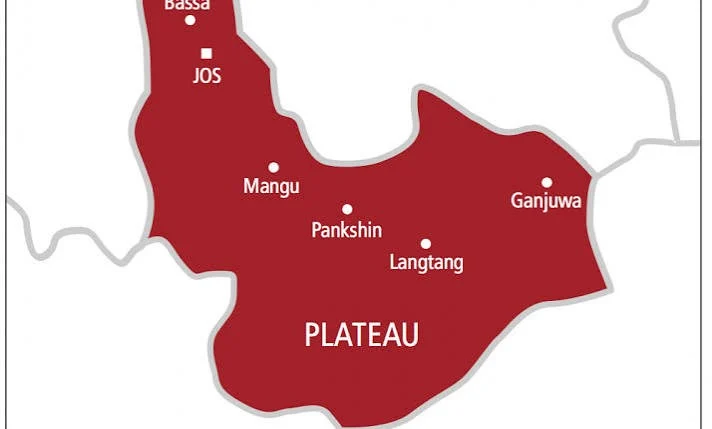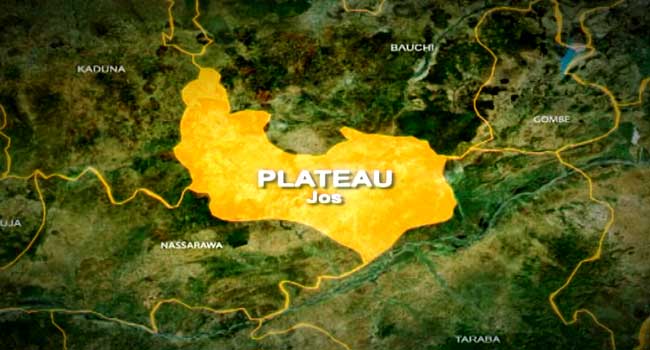
As communities fall to repeated attacks, Plateau’s struggle over land, identity, and survival grows ever more urgent. Yemi Kosoko examines issues behind the attacks and the battle for territory, security, and the future of Plateau state’s displaced people.
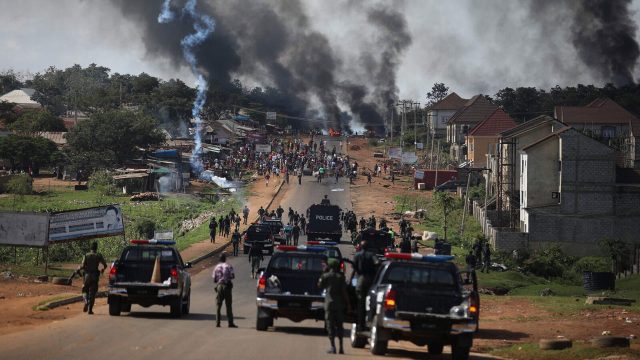
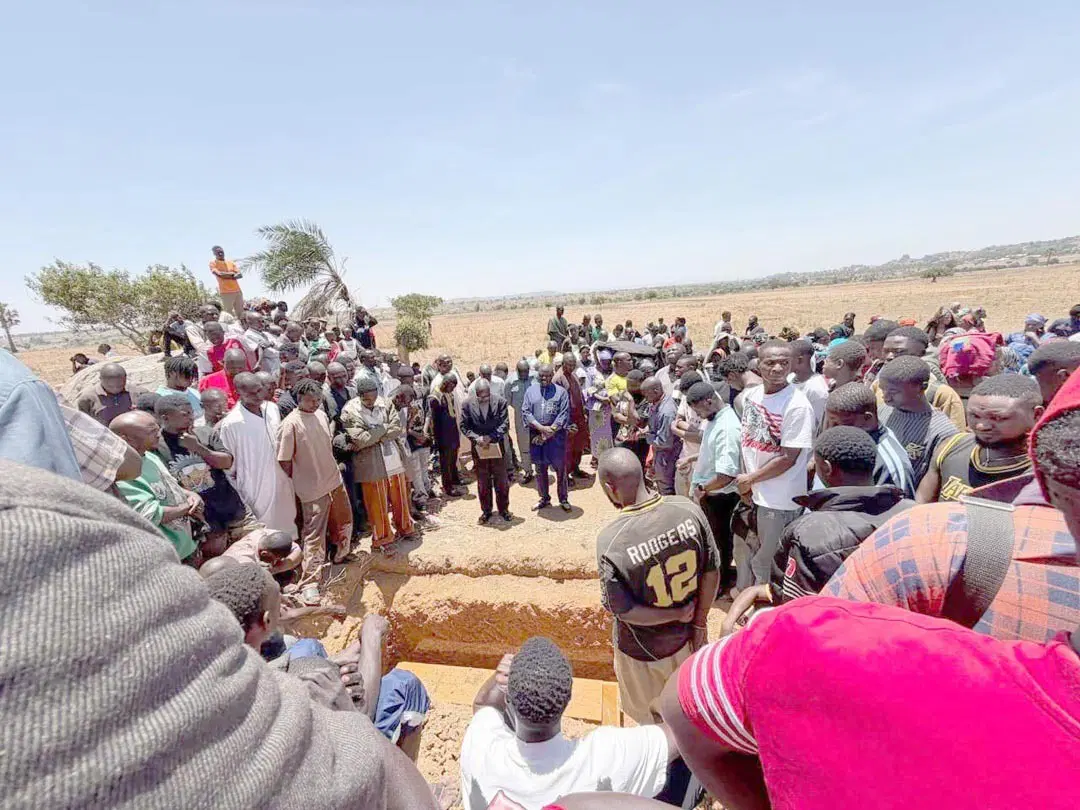
When gunmen stormed Kawel village in Bokkos Local Government Area shortly before midnight, residents were already accustomed to the sound of gunfire. What they were not prepared for was the scale of devastation that would follow. By dawn, no fewer than 25 people lay dead, homes were smouldering, and families were scattered across the surrounding bushes.
The attack carried out by suspected herdsmen was the latest in a long chain of violence that has turned Plateau’s once‑peaceful highlands into one of Nigeria’s most volatile flashpoints. It came just days after the killing of the District Head of Gwande, Saf Samuel Alaket, and months after the Christmas Eve massacres that left over 250 people dead.
But beneath the headlines lies a deeper, more complex crisis one shaped by land disputes, demographic shifts, security failures, competing narratives, and a humanitarian catastrophe that continues to expand.
Plateau’s conflict is often framed as farmer–herder clashes, but community leaders argue that the crisis has evolved far beyond that.