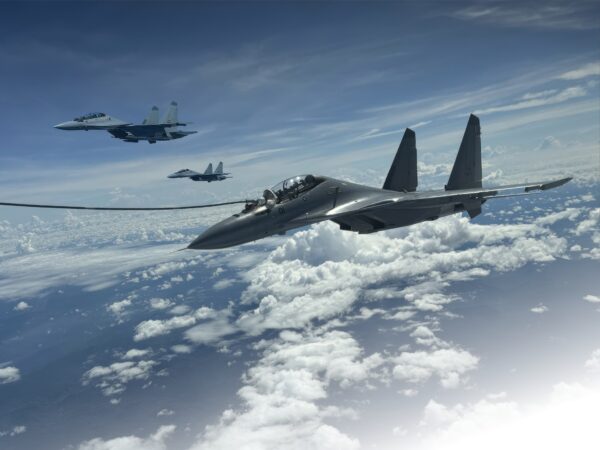
For two decades, Southeast Asian governments took special care to diversify their weapons catalogs. U.S. fighters were balanced against Russian submarines, French frigates against South Korean trainers, Israeli radars against Chinese patrol boats. By diversifying defense procurement across major powers, ASEAN states could modernize without owing allegiance to anyone, preserving the strategic autonomy that has long defined the bloc’s posture toward great power rivalry.
Russia was indispensable to this arrangement. Moscow offered capable aircraft, submarines, and air defense systems at prices Western suppliers could not match, accepted unconventional payment arrangements, including barter in palm oil and coffee, and asked few political questions in return.
That arrangement is now collapsing, and the consequences extend far beyond accounting ledgers in defense ministries. The Russia-Ukraine War has done what years of Western pressure could not, effectively removing Russia as a viable arms supplier to Southeast Asia and pushing the region’s militaries toward a defense ecosystem built around NATO standards.
The shift was not planned or coordinated. It is simply the cumulative result of dozens of pragmatic procurement decisions made under sanctions risk, supply uncertainty, and the growing operational cost of fielding equipment that cannot link with systems provided by other partners. The aggregate effect, however, is reshaping the strategic geography of the region.