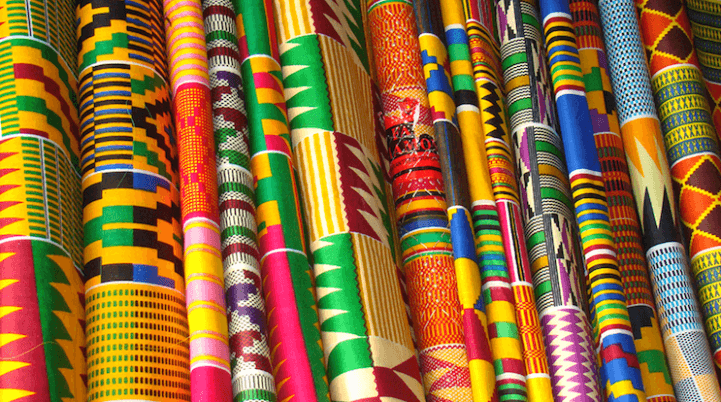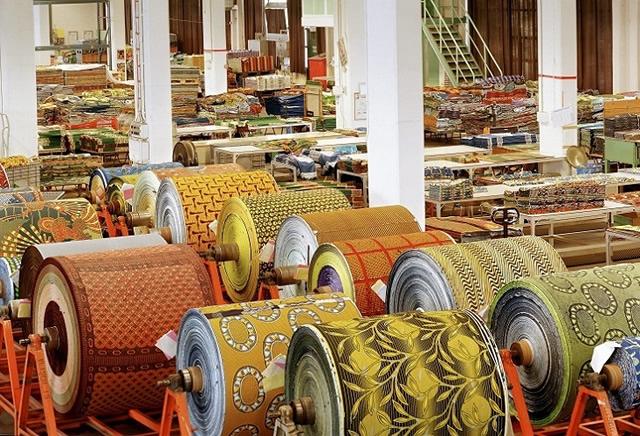
The Senate’s call for a total ban on textile imports as part of efforts to revive Nigeria’s once-thriving textile industry has sparked renewed concerns as experts decry that previous efforts to revive the sector has not yielded desired result.
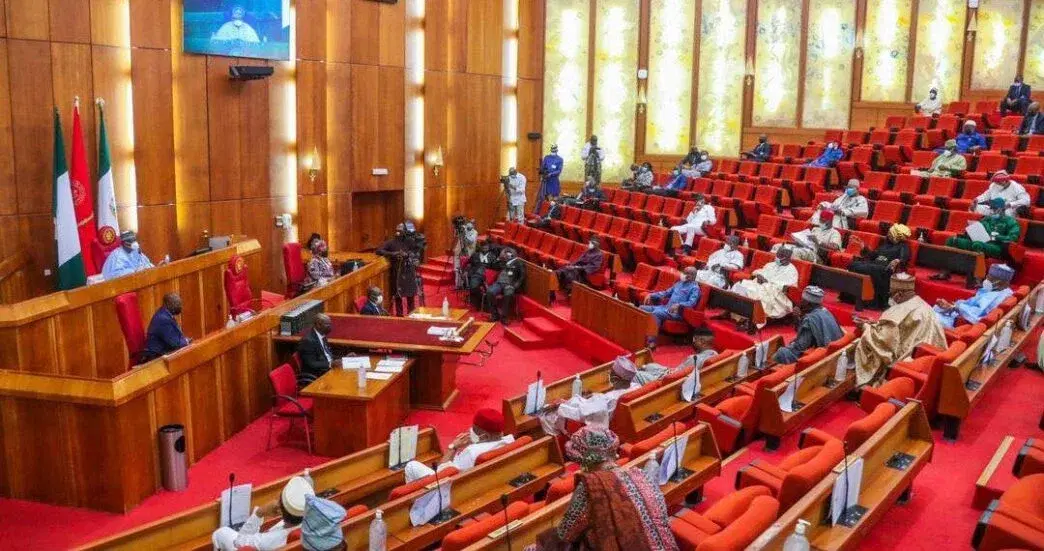
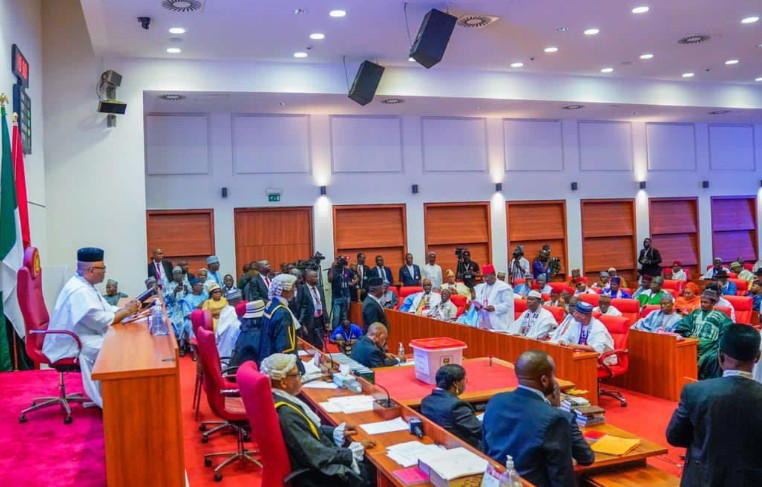
The sector that once employed more than 500,000 Nigerians and contributed significantly to the nation’s economy has gained fresh attention, as the Senate last week urged the Federal Government to ban textile imports, arguing that the measure would help revive local production, create jobs, and reduce dependence on foreign products.
However, experts argue that a ban alone may not be enough to restore the fortunes of the textile sector, pointing to several government interventions over the years that failed to revive local production.
They note that over the past three decades, Nigeria has committed significant resources to the sector through initiatives such as the Textile Development Fund, the N100 billion Cotton, Textile and Garment Fund, foreign exchange restrictions on textile imports in 2019, and subsequent border closure measures.
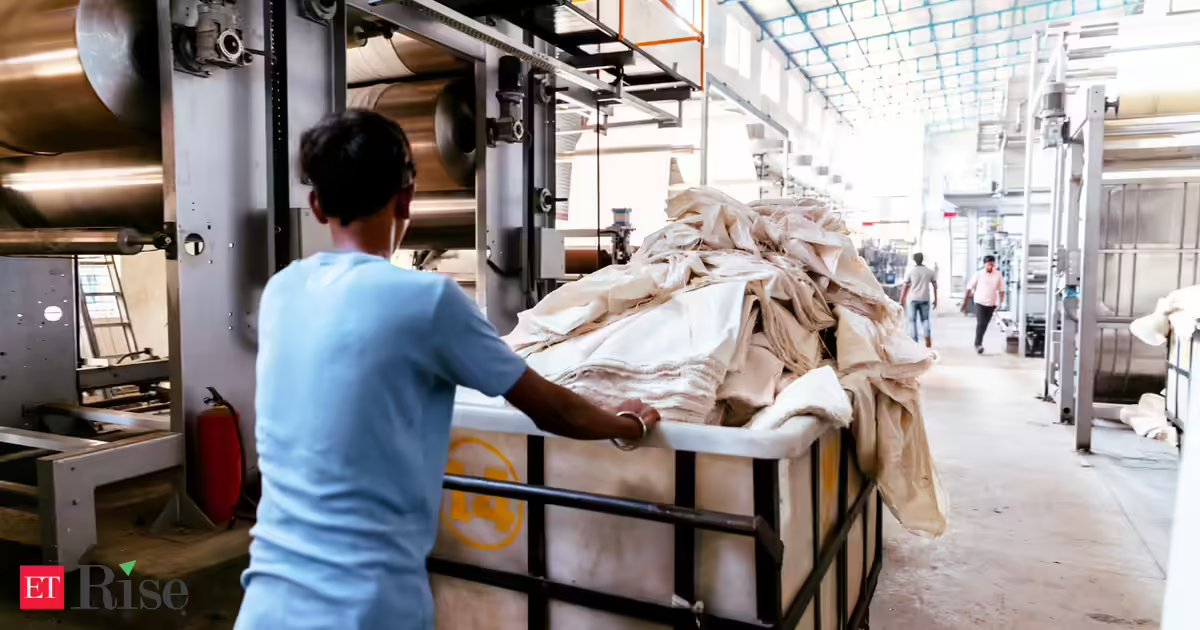
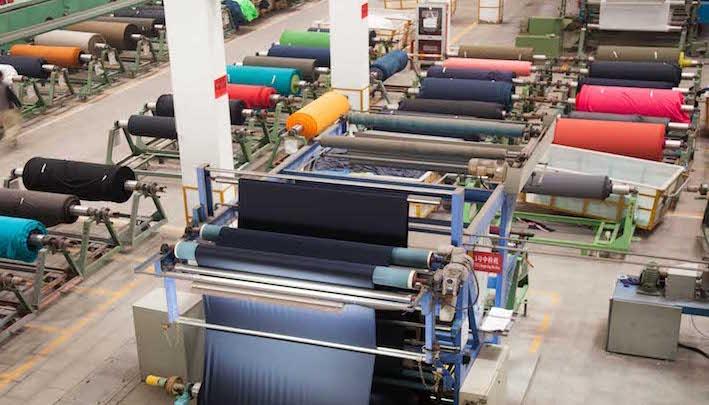
Yet, despite these efforts, industry experts say the expected revival has largely failed to materialise, with most textile factories remaining dormant.