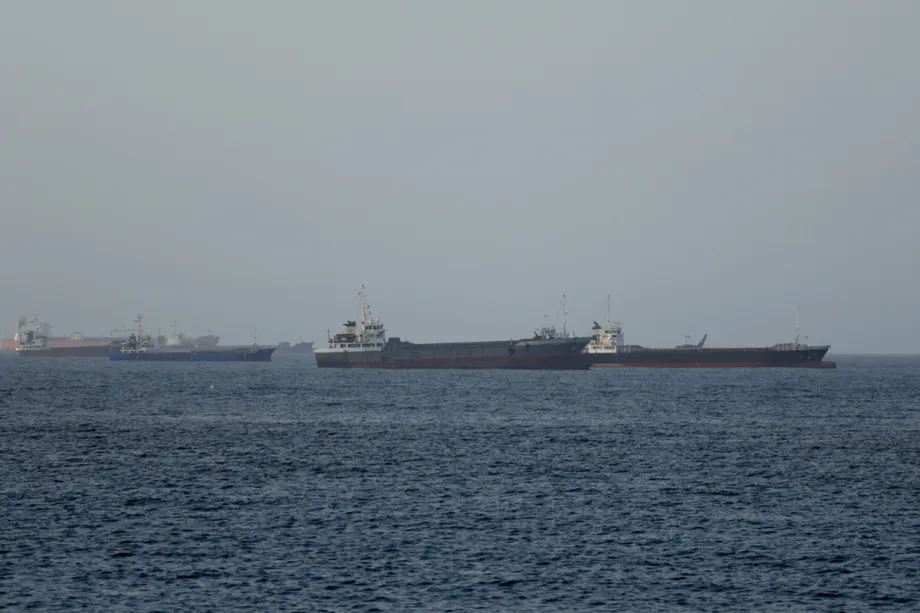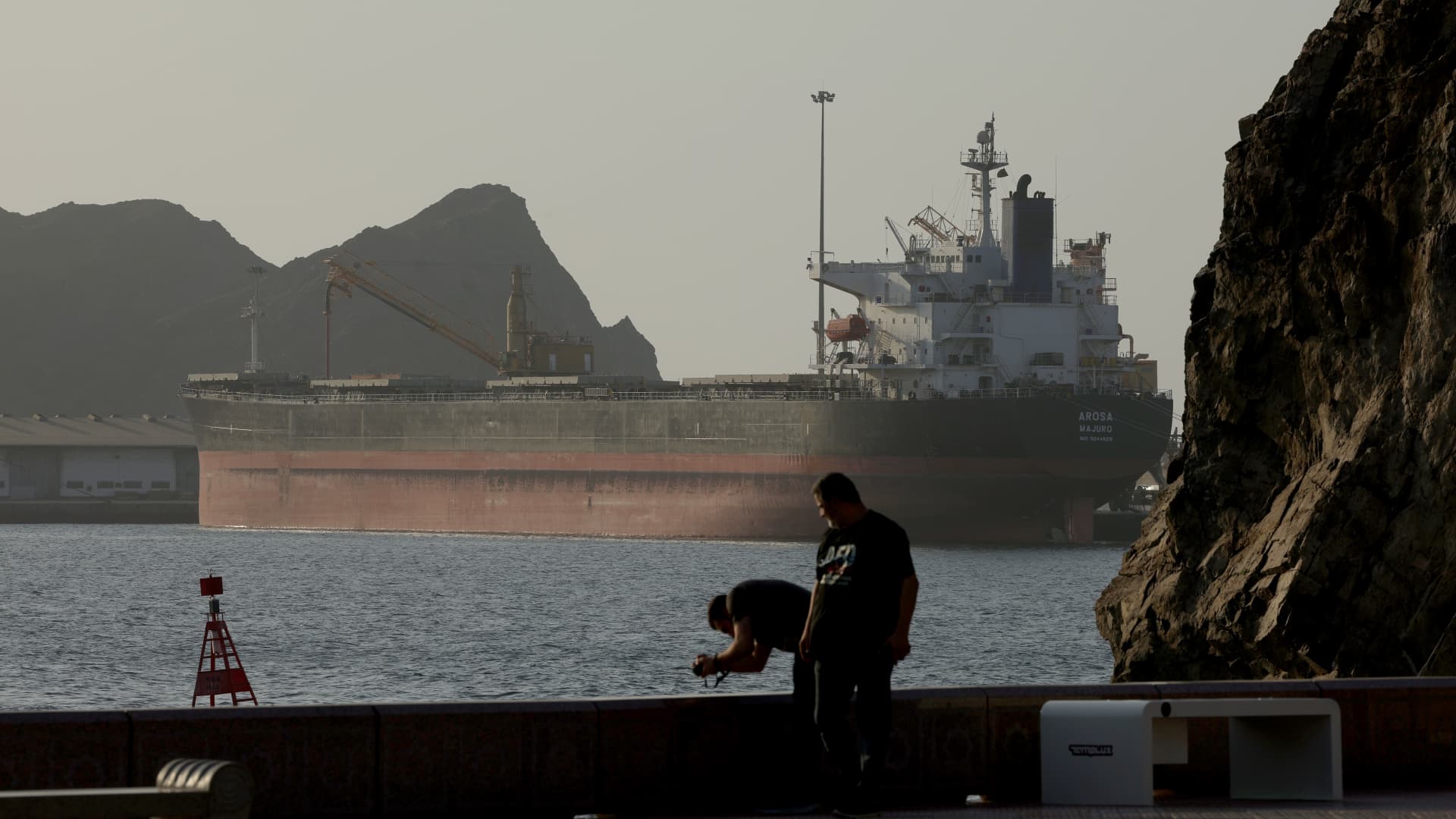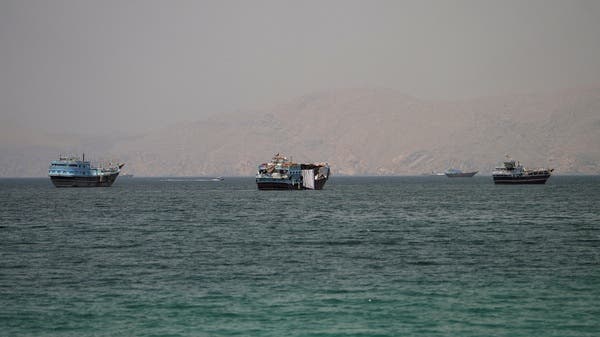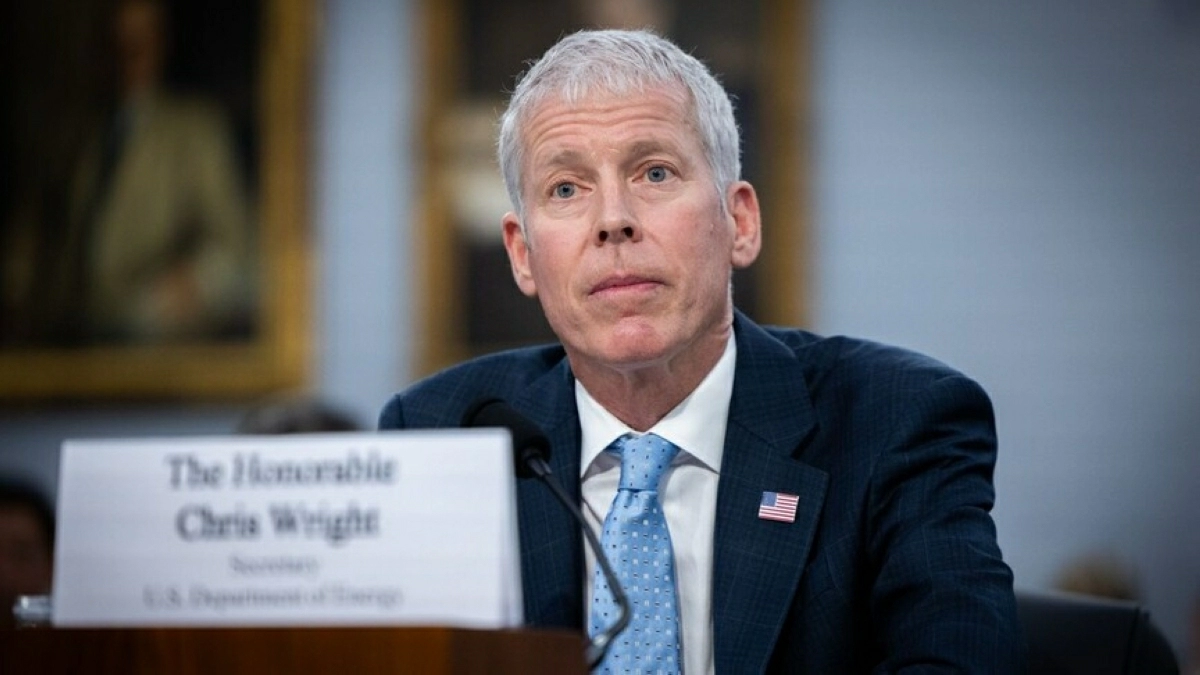
NEW YORK — Some 20 million barrels of crude oil have exited the Strait of Hormuz in the last 24 hours, US Energy Secretary Chris Wright said on Wednesday adding that tankers continue to transit the key waterway. "I could say roughly 72 ships in the last 24 hours, and 20 million barrels of oil," Wright told the Reuters Global Energy Forum in New York when asked how much oil had exited the Strait.The number of ships remains lower than usual, but many of the vessels are larger, helping keep total crude flows near pre-war levels, he added.“We have normal flows today,” said Wright, adding that the volume is similar to recent flow levels following an initial US-Iran agreement to end the conflict.Washington will ensure the flow of oil through the key waterway even in the absence of a deal with Iran, Wright said."Iran will not have the ability to close the Strait of Hormuz going forward. That's a critical thing, that's their key leverage, and we're taking that leverage away from them," he added.Benchmark oil prices fell more than $3 on Wednesday to their lowest level since before the start of the Iran war in February as supply concerns eased with more stranded oil tankers exiting the Strait.Shipments through the narrow waterway bordering Iran have been curtailed for months by the conflict, interrupting the flow of about one-fifth of the world's crude oil.A full return to normal navigation could still take weeks, said Wright, noting that mine-clearing efforts are needed in the Strait.He said many vessels exiting the strait are avoiding the main shipping channel due to mine-related risks and instead are passing close to the Iranian coast or along the southern route near Oman under military escort.The Strait of Hormuz is one of the world’s most critical oil chokepoints, with crude and liquefied natural gas exports from Gulf producers passing through the narrow waterway.Recent maritime data showed commercial and energy-linked vessel traffic through the strait remained active, while more tankers entered the Gulf to pick up cargoes as exporters sought to restore flows.Tanker movements through the strategic waterway have shown signs of recovery following the interim US-Iran peace agreement, easing concerns about potential supply disruptions from the Gulf.
US energy secretary says 20 million barrels of oil exited Strait of Hormuz in 24 hours
Some 20 million barrels of crude oil have exited the Strait of Hormuz in the last 24 hours, US Energy Secretary Chris Wright said on Wednesday adding that tankers continue to transit the key waterway.
370 words~2 min read