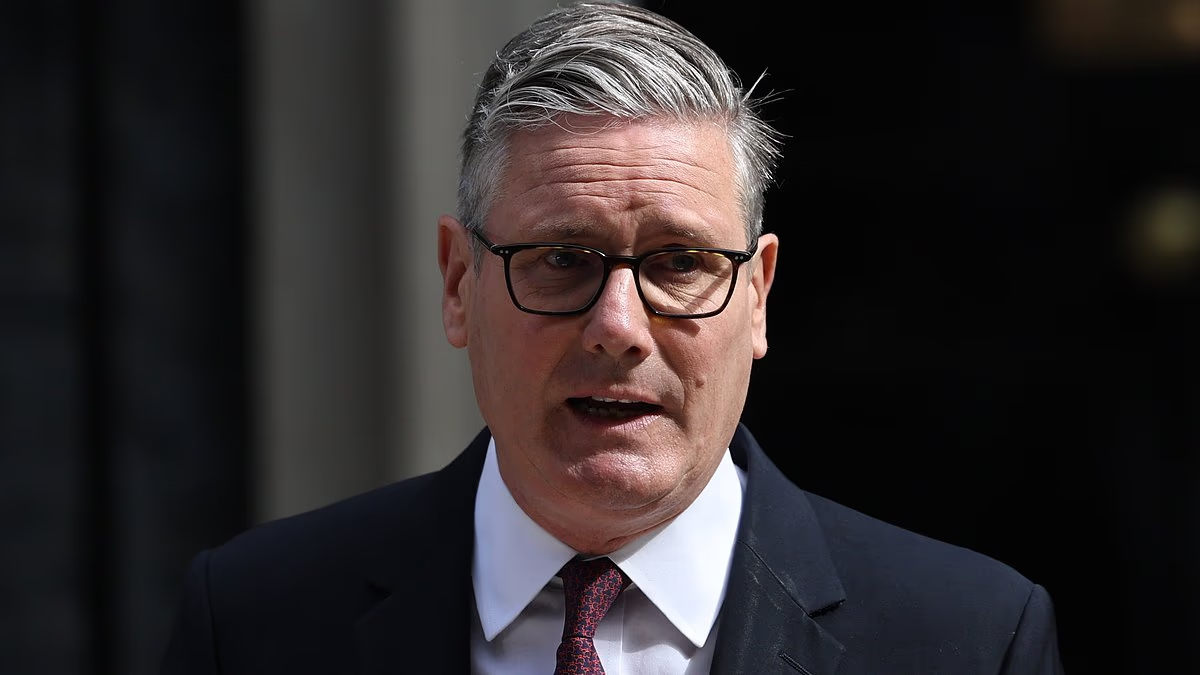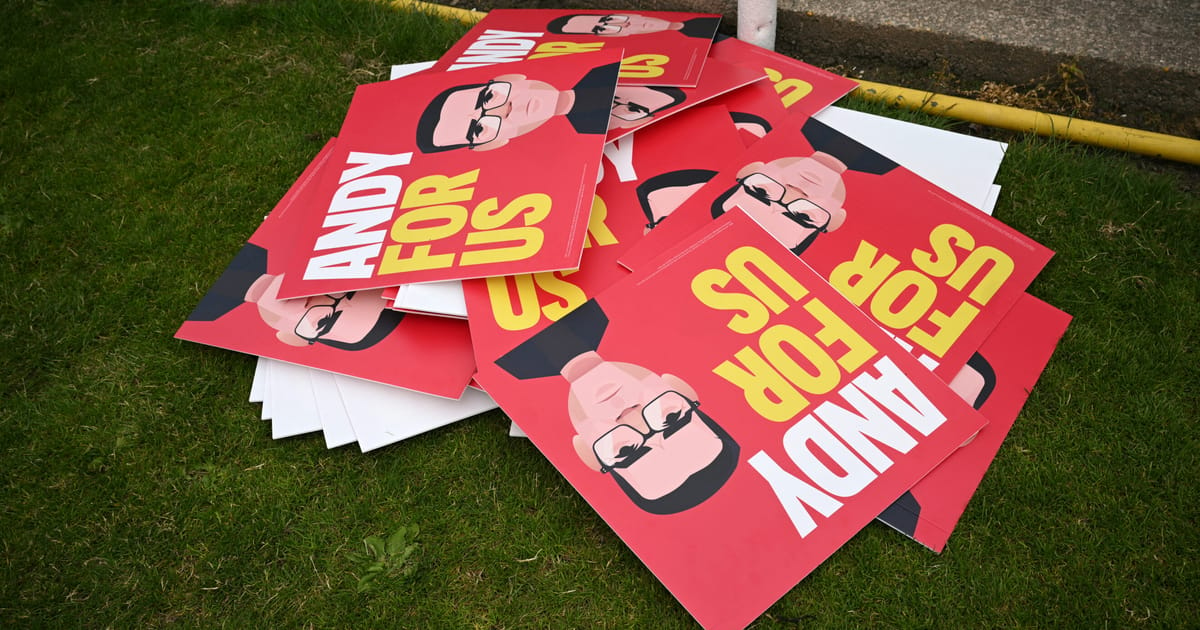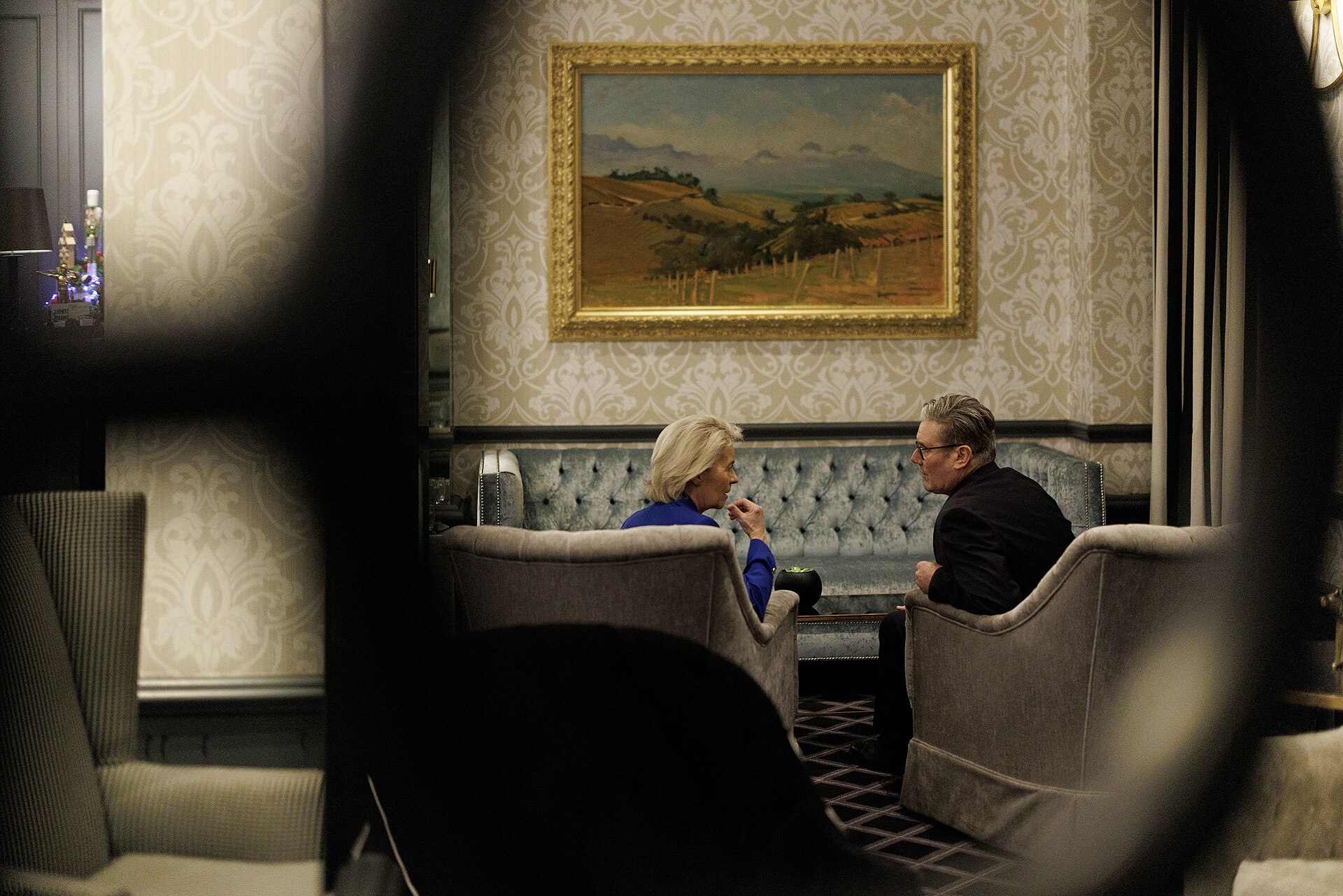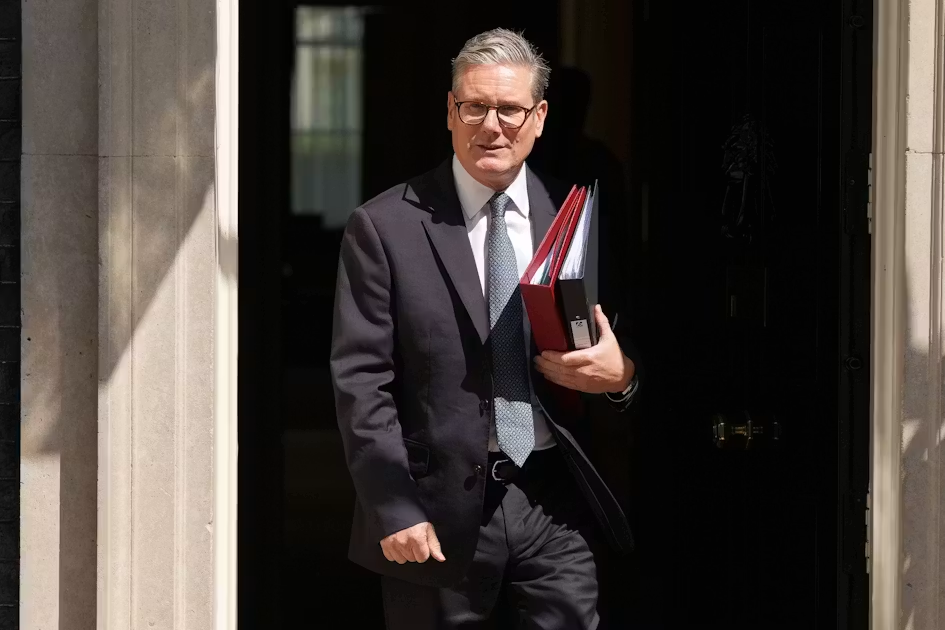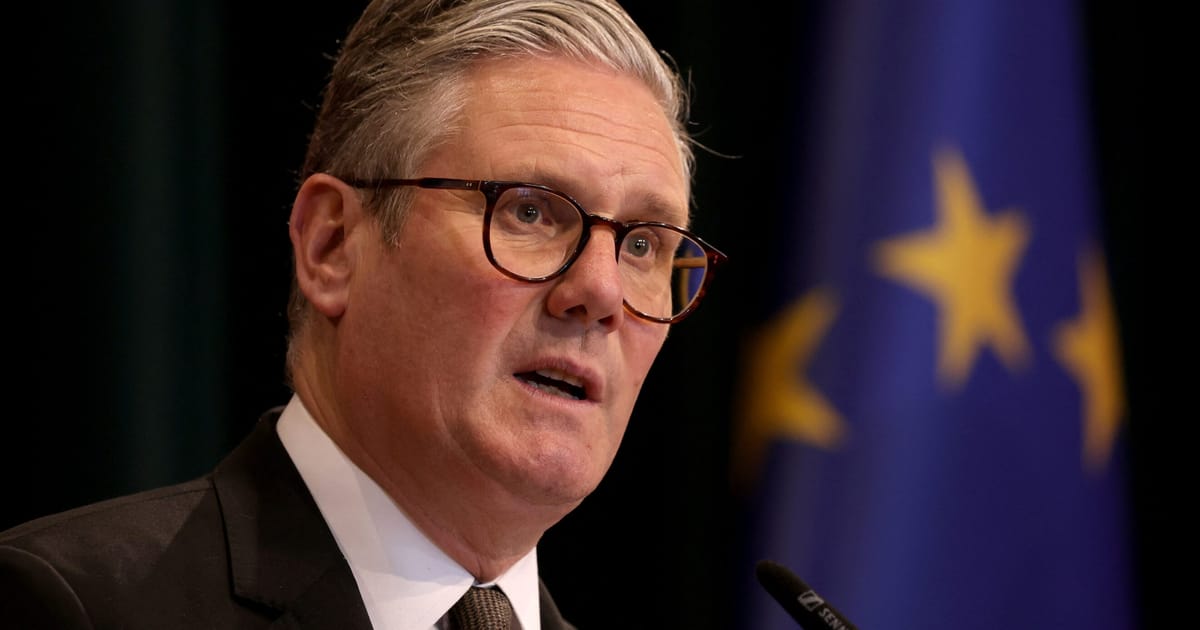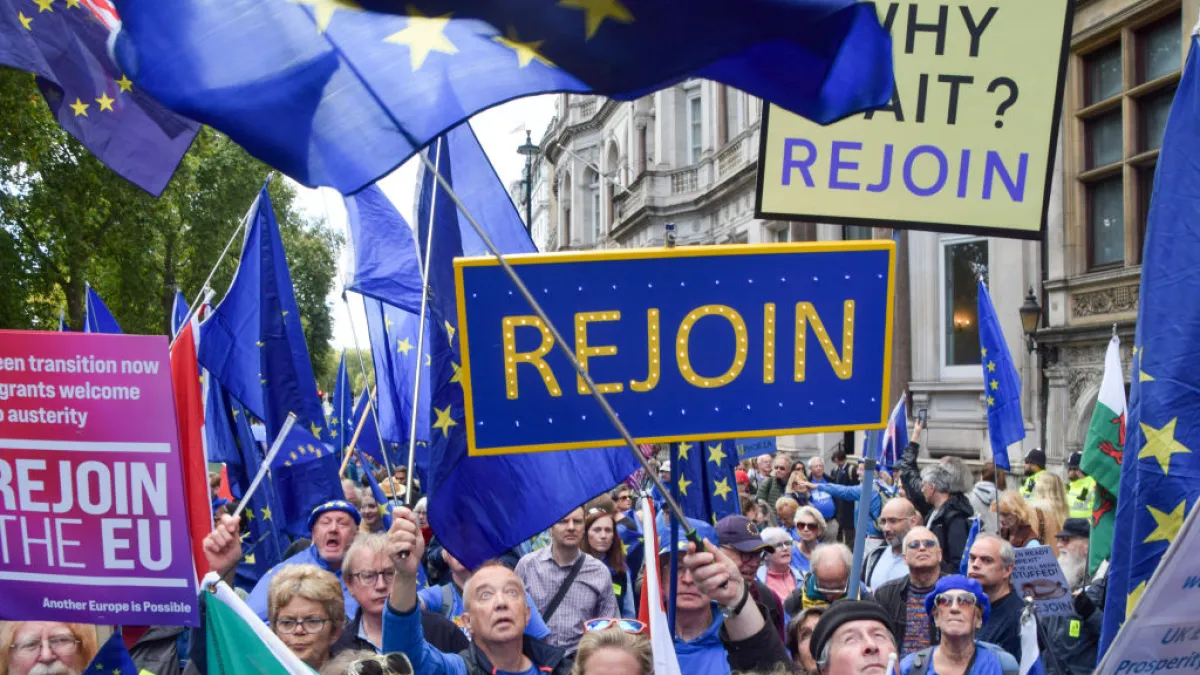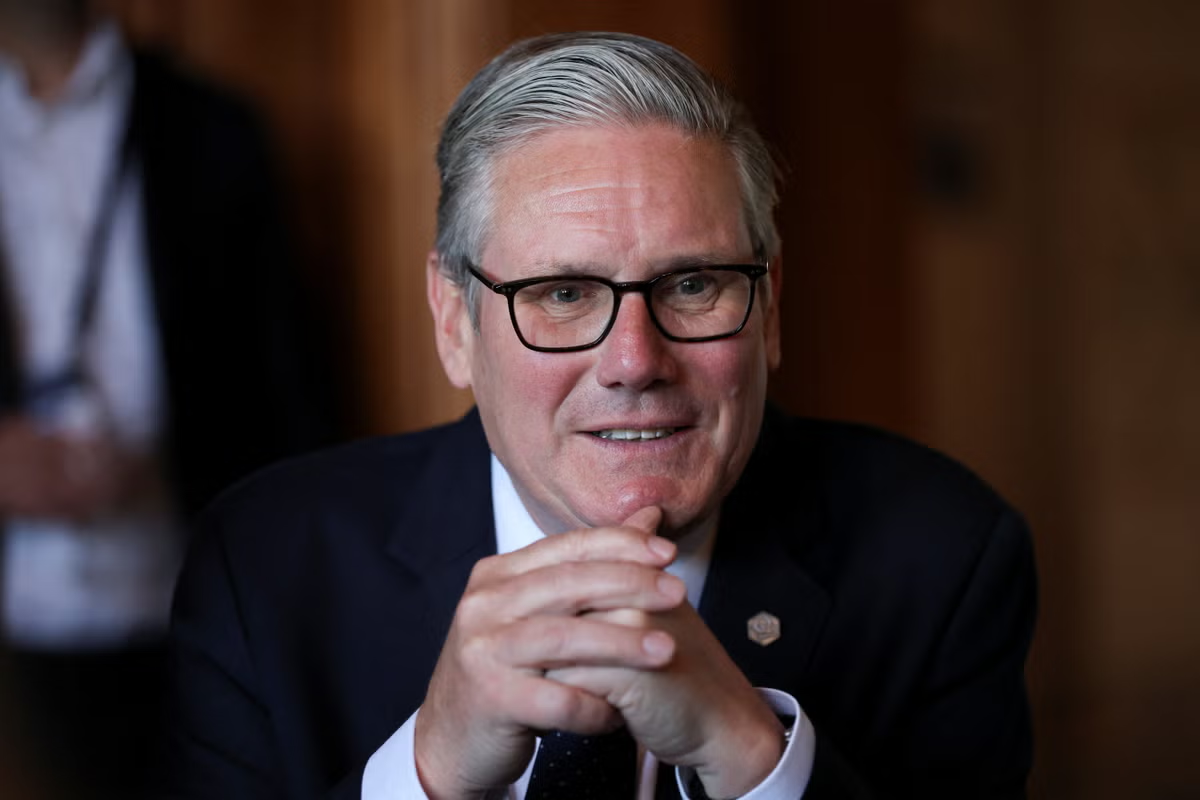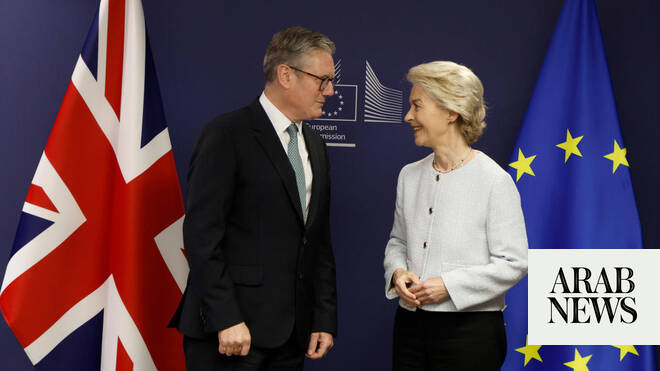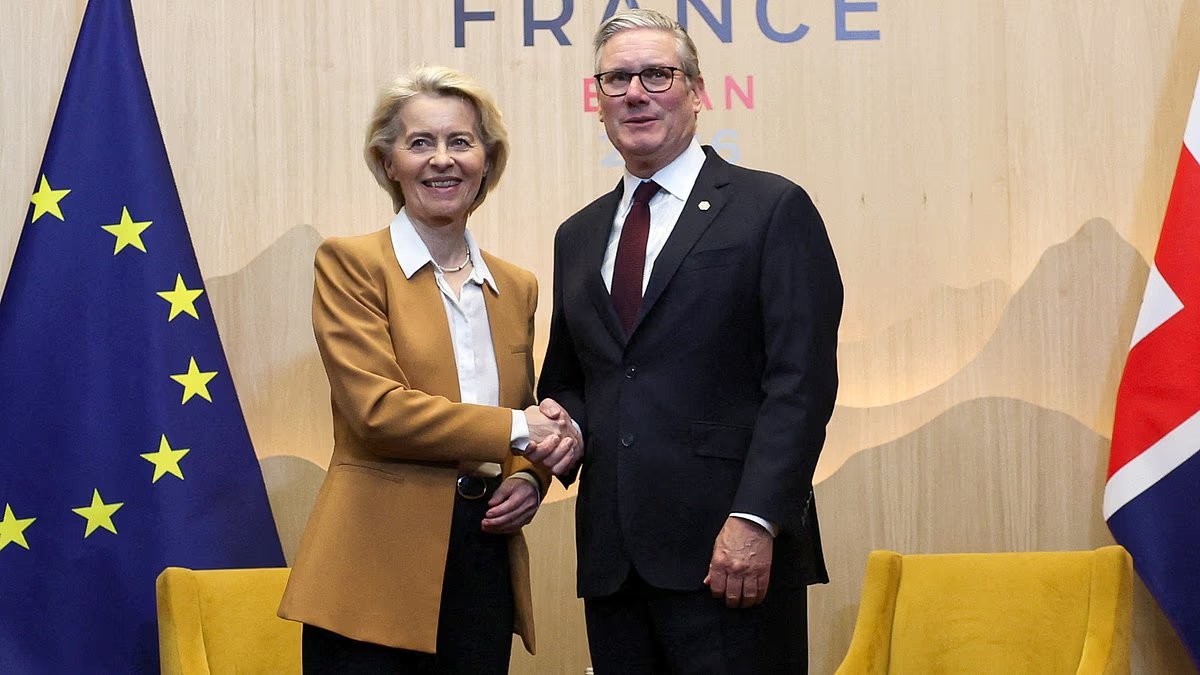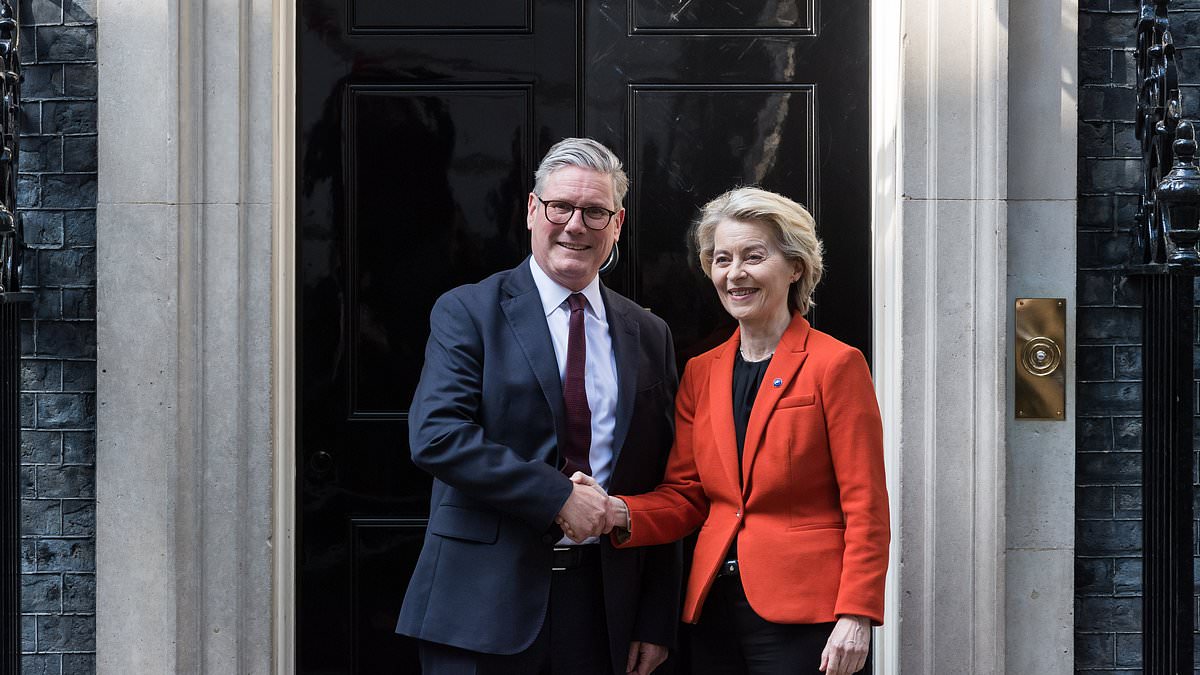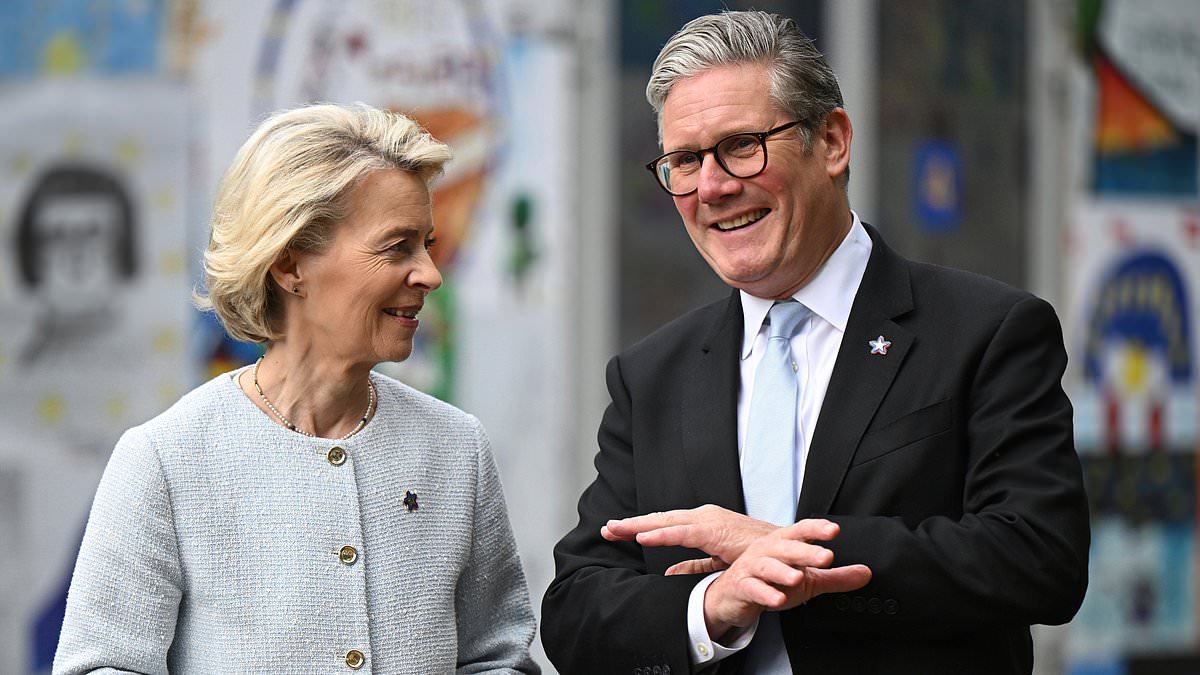
A decade after Britain voted to leave the European Union, the UK government and the European Commission are looking for ways to tentatively undo some of the most disruptive effects of Britain’s exit. Negotiators from London and Brussels have spent months mapping out the second phase of a “reset” deal that was due to be announced at an EU-UK summit next month. That big day has been postponed until September at the earliest, more probably October, or as late as November, following Keir Starmer’s decision to resign under mounting pressure, paving the way for Andy Burnham to become the next prime minister. The two load-bearing planks of the EU-UK deal are an agreement to reduce sanitary and phytosanitary checks on the trade of agri-food products between Britain and the EU bloc, and a youth mobility scheme allowing EU citizens under 30 years of age to live and work in the UK for a period, and for young people in the UK to head in the other direction. EU member states, particularly France, want Brussels officials to drive a hard bargain and make the UK pay a heavy price for any wins it receives in a reset agreement. It looks highly likely that it will now be Burnham sealing that deal. How will he get on? Starmer did a good job building a rapport with European leaders and regaining the trust that had been dashed by his Conservative predecessors during the painful Brexit talks that settled the terms of the UK divorce. That didn’t mean the European Commission, the executive body leading the EU negotiations, was offering Starmer a free lunch. Burnham won’t get one either. Tactically the EU might be wiser taking a longer view of things and allow the next UK prime minister to do well in negotiations, to incentivise London to keep pushing for a closer relationship. People close to the negotiations in Brussels give the impression that this would require the UK side to show a lot more ambition and expand the scope of the reset. [ No free lunch for Burnham if he is at the table for UK-EU reset talksOpens in new window ]The Labour government’s decision to rule out rejoining the single market and customs union restricts the opportunity to lower trade barriers erected after the UK’s exit. Perhaps those red lines could start to fade. The bonhomie between Starmer and EU leaders did not necessarily translate to the negotiating table, where two sources described UK interlocutors as tough and transactional. Ursula von der Leyen’s commission is similarly under pressure to deliver wins it can bring back to the union’s sceptical national governments. Keir Starmer Starmer did a good job building a rapport with European leaders. Photograph: Andy Rain/EPA “It’d be nice if the [EU side] could show some kind of leeway,” says Paul Adamson, chair of the Forum Europe conference and founder of online publication Encompass. But the former big beast of the Brussels lobbying circuit does not think this will happen. After the Brexit vote the Europeans wanted to make sure the UK’s experience did not encourage other member states to contemplate life outside the bloc. The commission took a very tough line against the sense that London was cherry-picking the benefits of membership from outside the tent. [ Turkey goads Greece with provocative legal claims over Aegean IslandsOpens in new window ]Adamson says that’s still a fear in Brussels, where EU leaders and officials have an eye on the coming French elections. The prospect of France being led by Marine Le Pen’s far-right National Rally after the 2027 presidential elections is real. The anti-immigration, Eurosceptic party has talked about slashing France’s large contributions to the union’s common budget.The EU couldn’t give overly favourable terms to the UK that opened the door to an “a la carte” approach to EU membership for others, Adamson says. The UK enters discussions from a weak position economically and politically, and the relationship doesn’t occupy a huge amount of space in European leaders’ minds. “The EU 27 have bigger fish to fry,” Adamson says. However, Russia’s full-scale invasion of Ukraine and US president Donald Trump’s penchant for trashing and threatening old allies have pushed Brussels and London closer together. The world was different in 2016. Starmer’s record on EU-UK relations was heavy on friendly banter but ultimately light on substance. Maybe the substance would have followed, but in politics you don’t get points for the things you wanted to do. If Burnham takes over, his early positioning will be closely watched by Brussels. A UK government made up of the Conservatives and Nigel Farage’s Reform in 2029 would slam the brakes on all efforts to inch back towards the EU. Labour has a chance to reset the reset. It may not get a third shot.
No free lunch for Burnham if he is at the table for UK-EU reset talks
Europe letter: Starmer’s departure offers UK government a chance to ‘reset the reset’ in autumn EU deal
799 words~4 min read