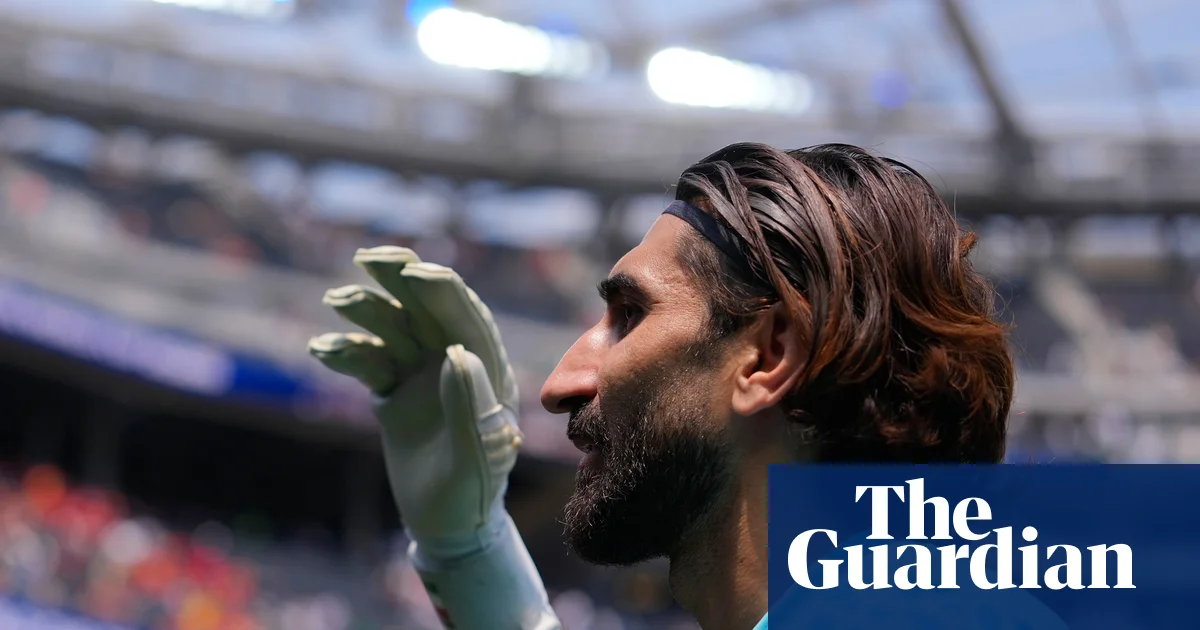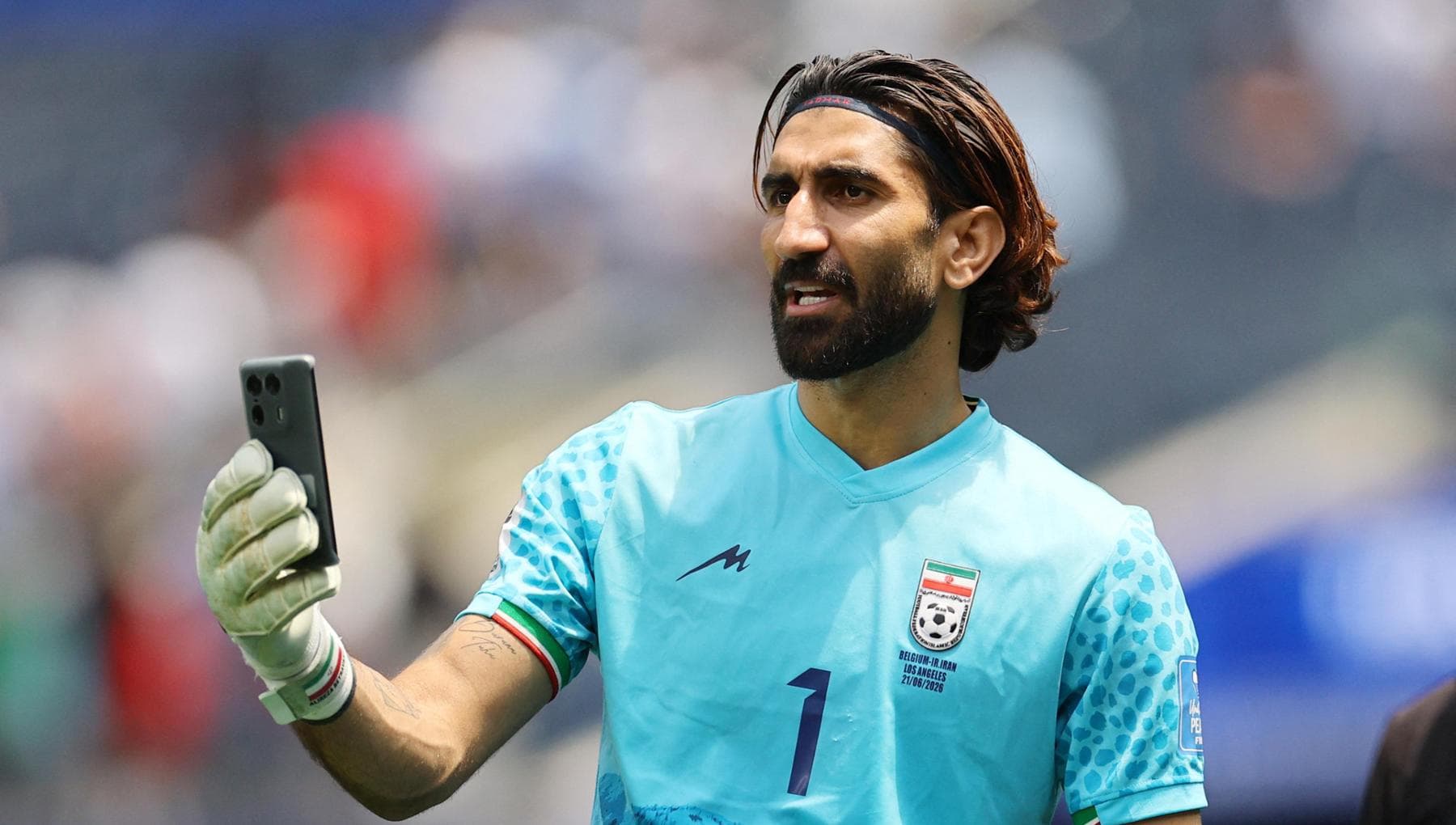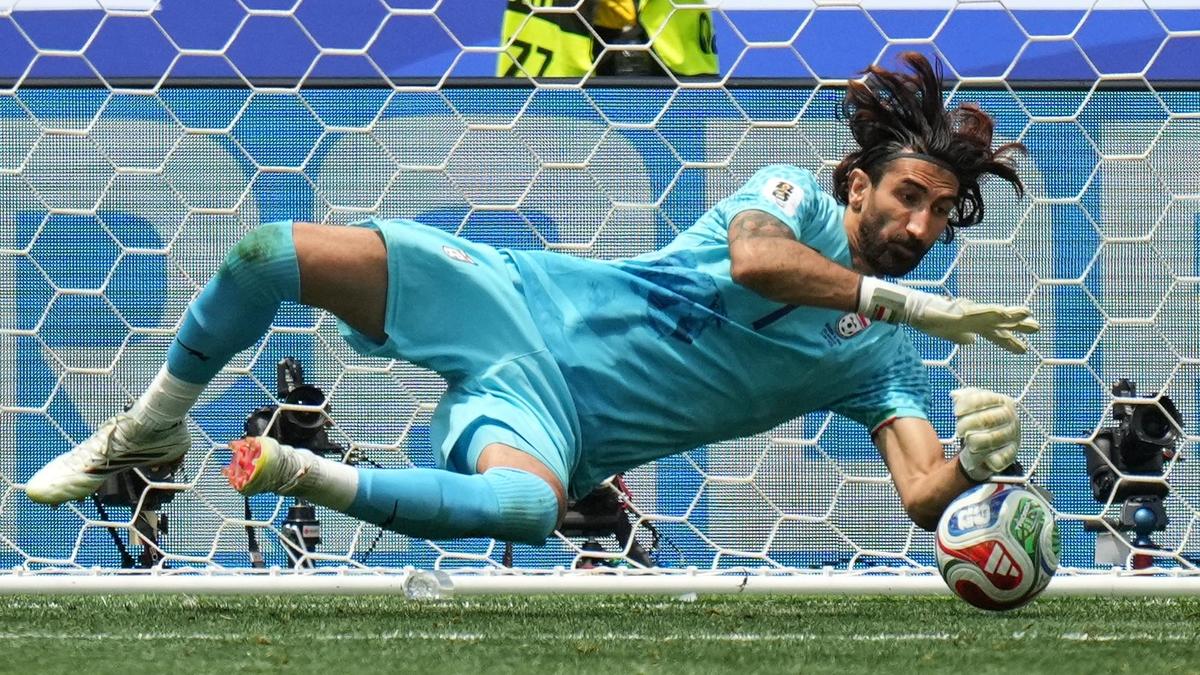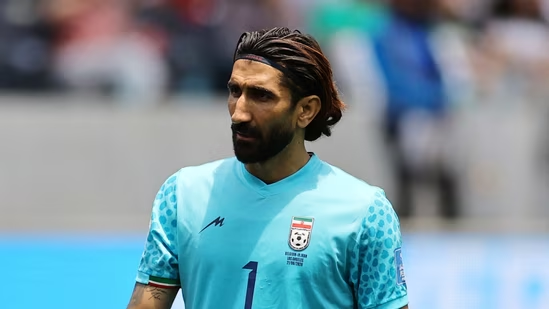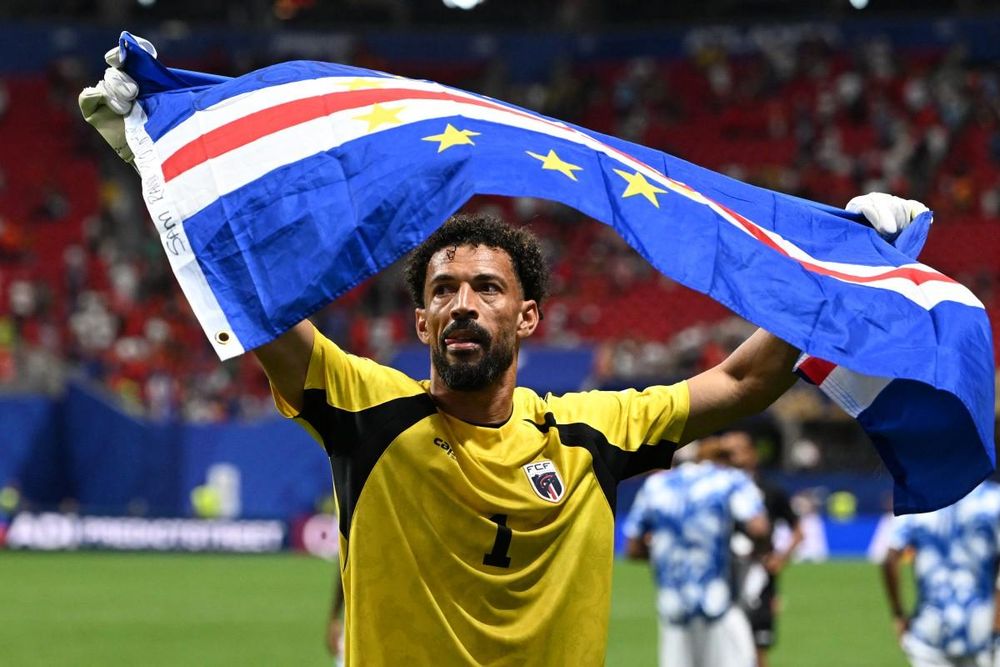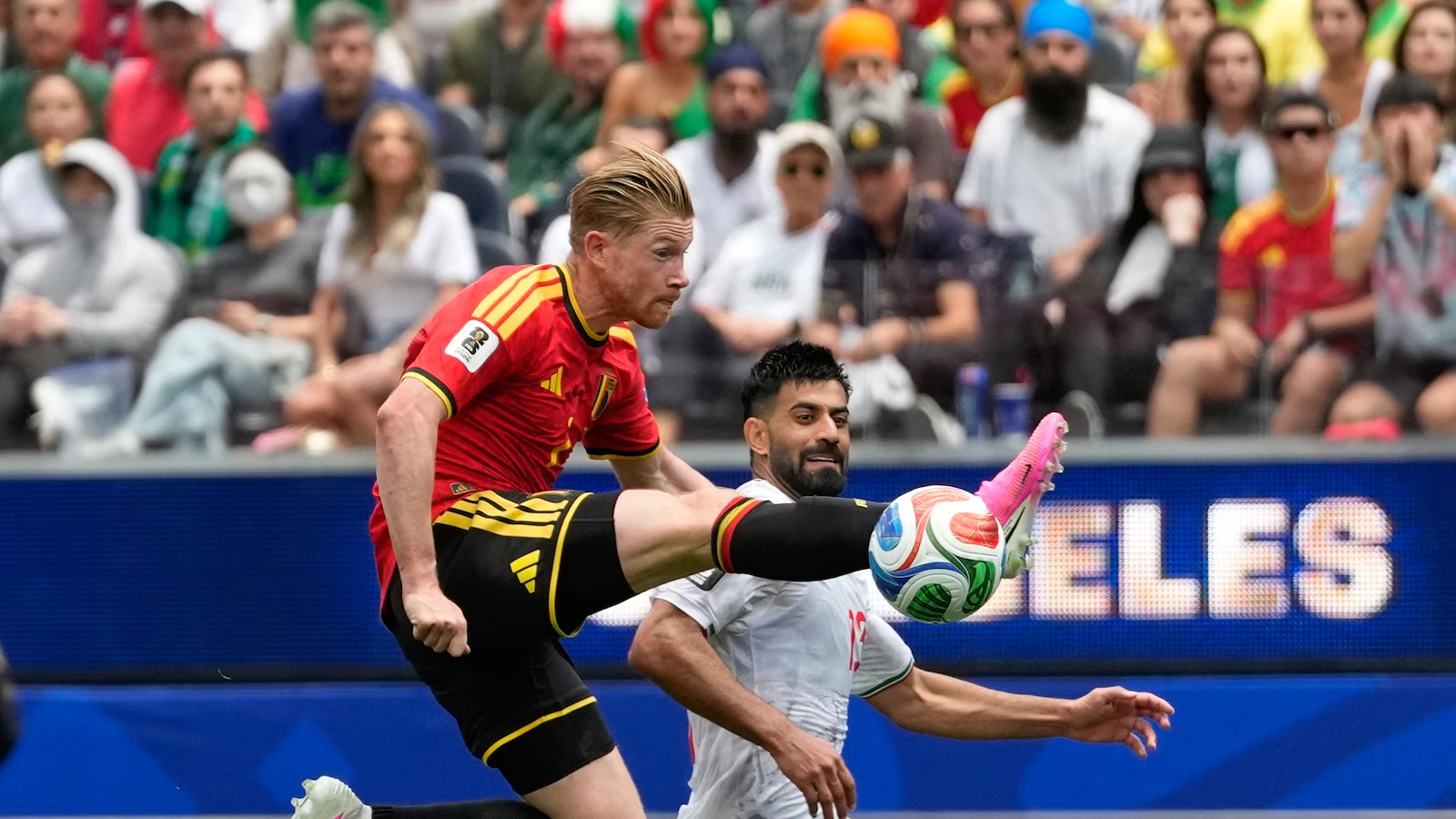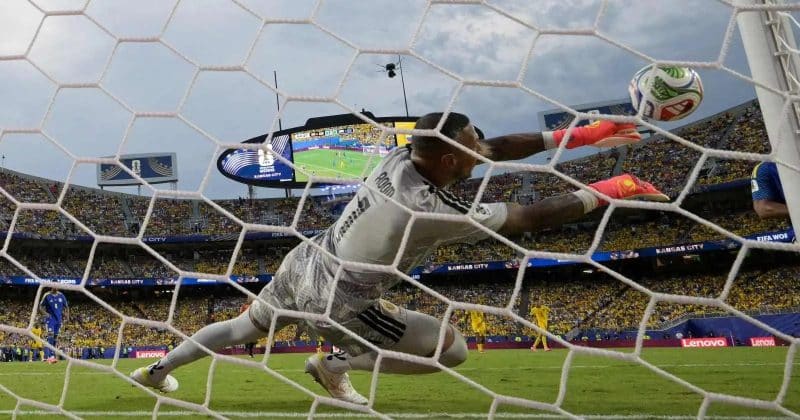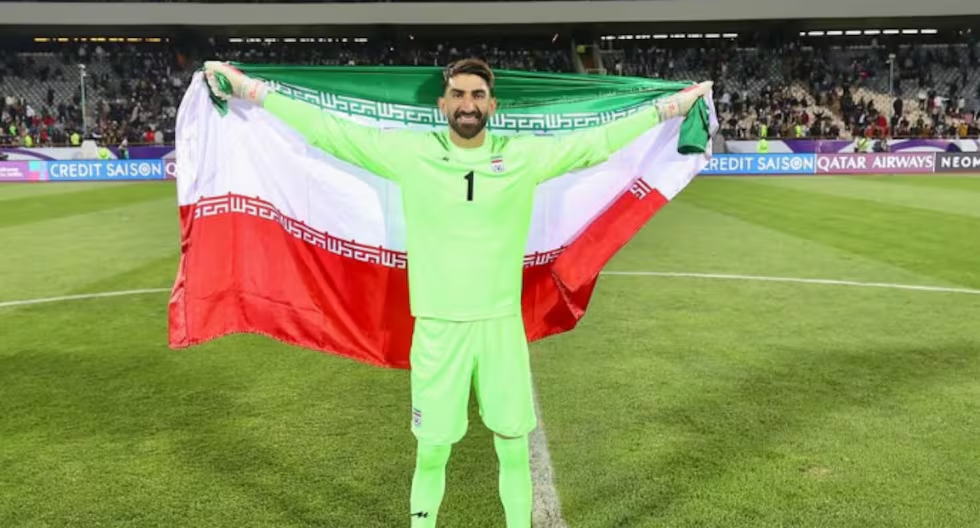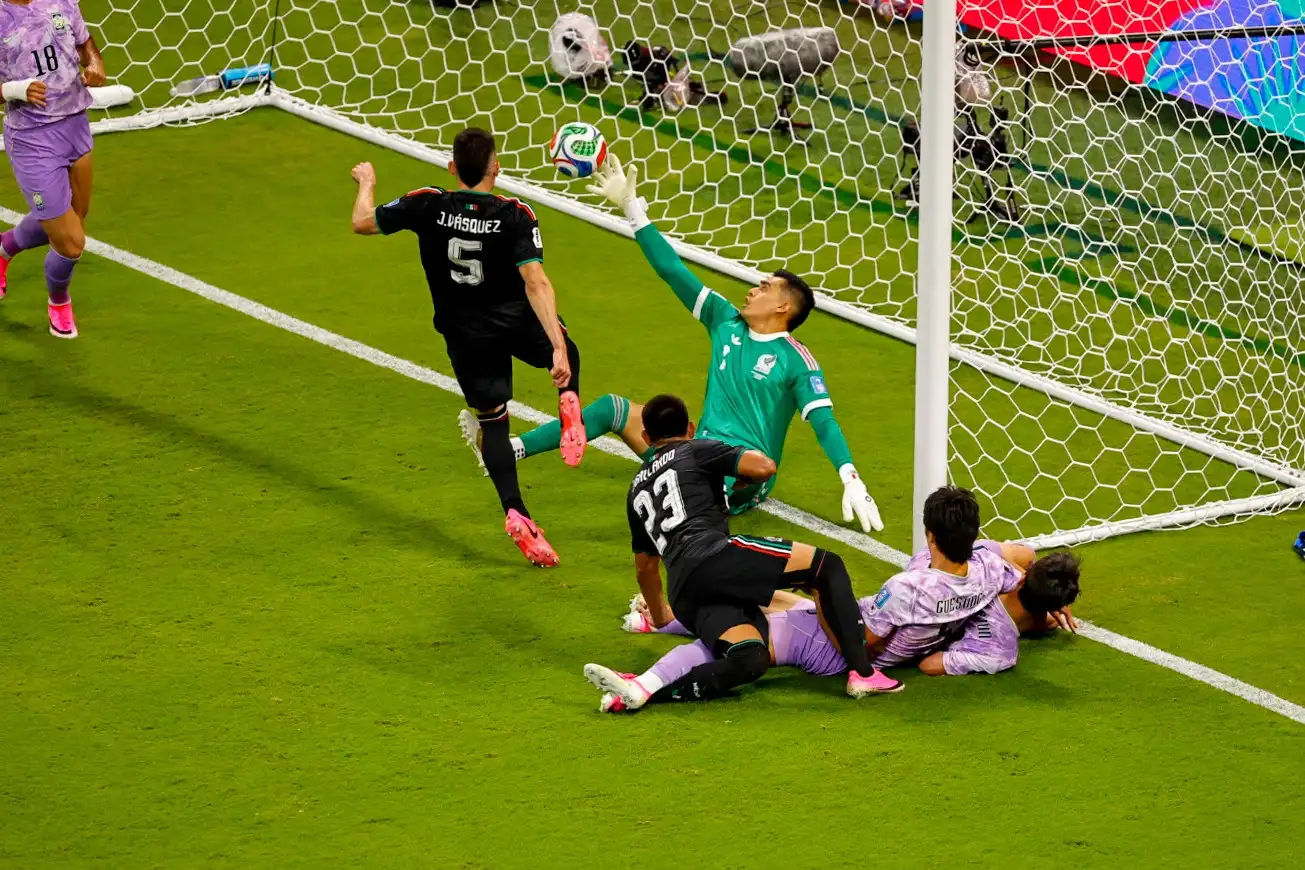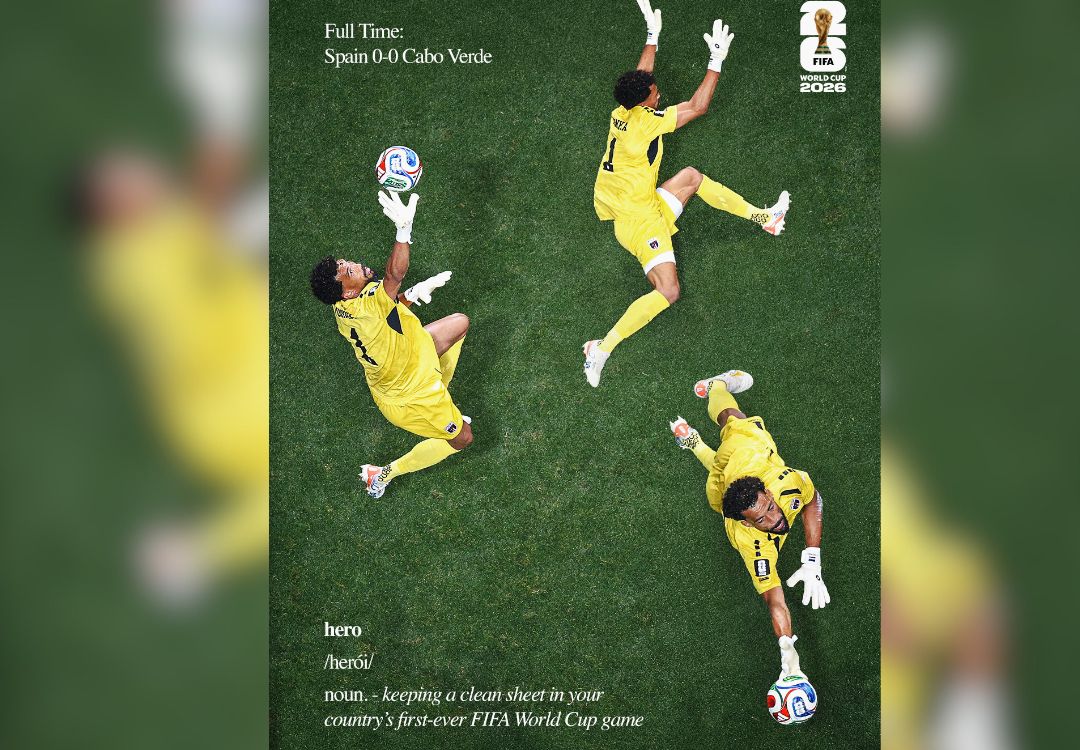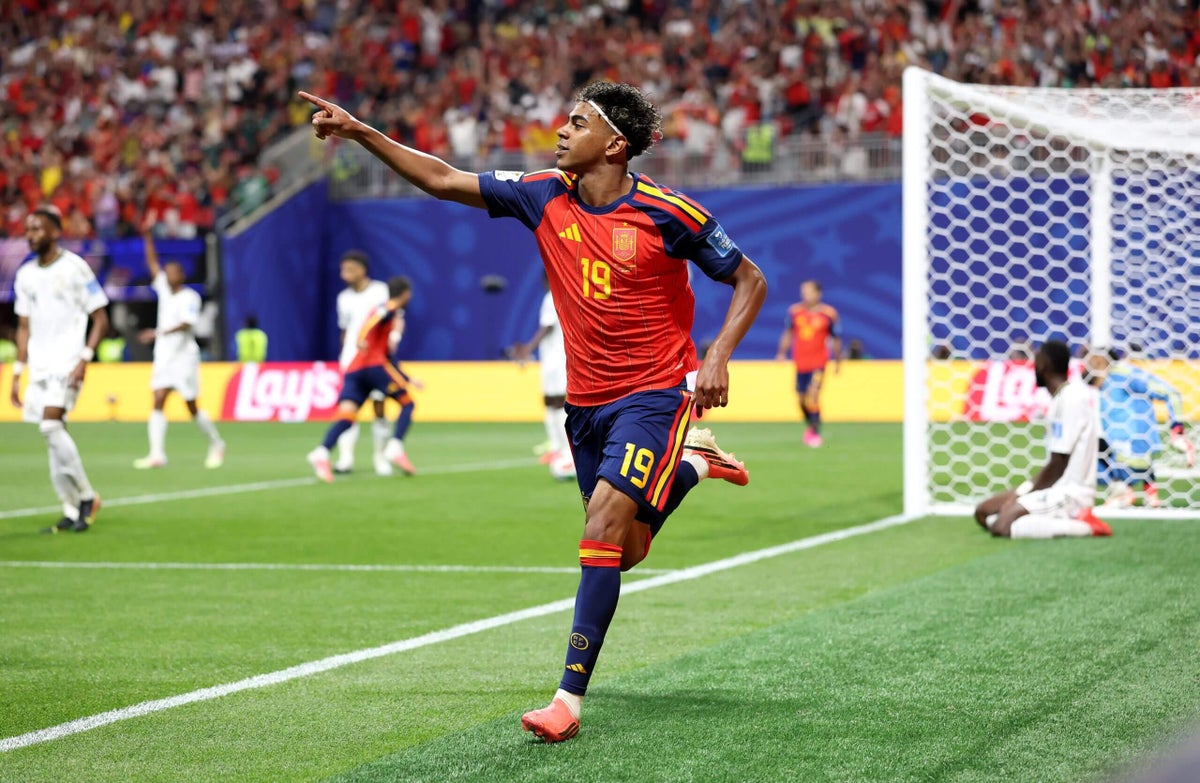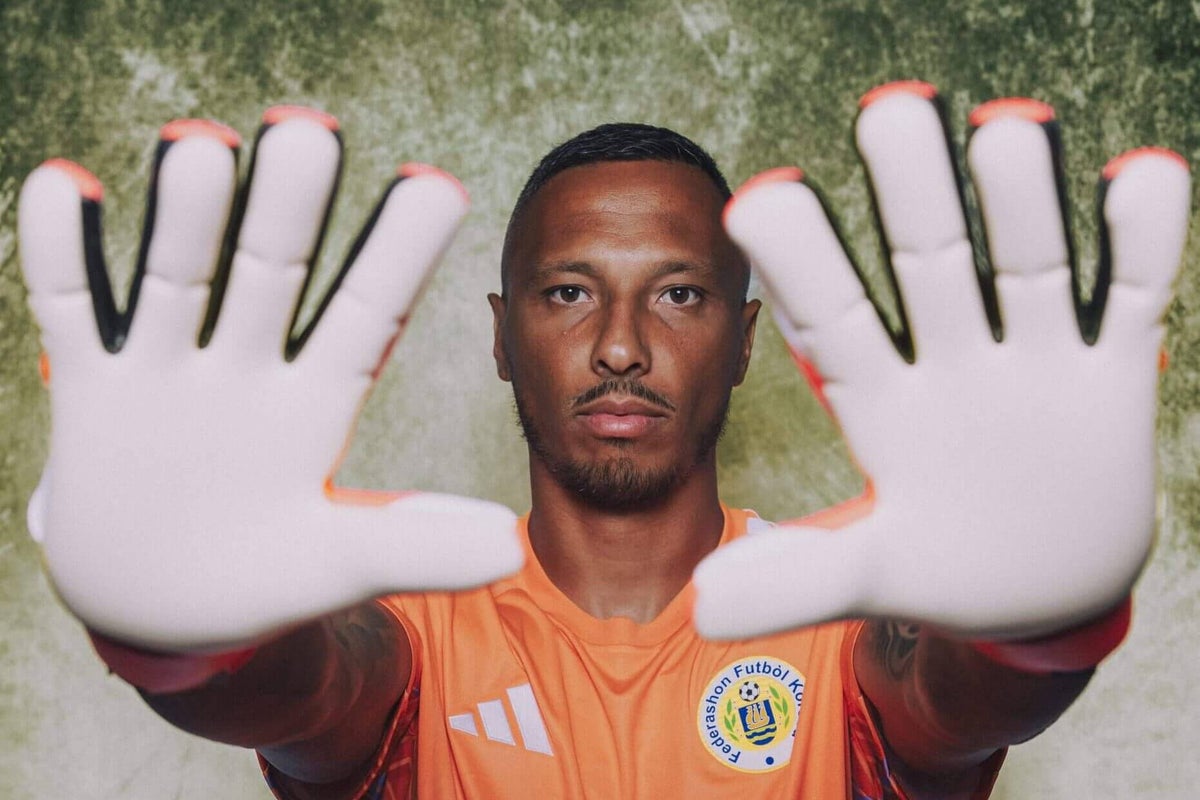
“It’s a World Cup of goalkeepers.”When Thibaut Courtois offered that assessment of Iran’s Alireza Beiranvand after Belgium’s 0-0 draw on Sunday, he may have captured one of the defining themes of the 2026 World Cup.“He’s a good goalie and today he proved it again,” he added. “It will happen sometimes, they even play better, it’s a World Cup. One save, second save, and suddenly they feel invincible.”It was a revealing quote, not only because it came from one of the world’s best goalkeepers, but because it touched on something every goalkeeper understands. Courtois was not simply praising Beiranvand’s technique — he was also describing a psychological phenomenon that can occur when confidence, momentum and circumstance collide.It is also not the first time Beiranvand has found himself at the centre of a World Cup story. He produced one of the 2018 tournament’s most memorable moments when he denied Cristiano Ronaldo from the penalty spot during a 1-1 draw with Portugal. Eight years later, he has once again reminded the football world of his quality on the biggest stage.He is far from alone.Curacao’s Eloy Room became one of the stories of the group stage with his remarkable 15-save display against Ecuador, while Cape Verde goalkeeper Vozinha earned global recognition after helping shut out Spain.Vozinha kept Cape Verde in the game against Spain (Justin Setterfield/Getty Images)World Cups have always had a unique ability to elevate goalkeepers into football folklore. A good performance can suddenly feel extraordinary because of the stage, and the fact that hundreds of millions of people are witnessing it simultaneously.Yet the occasion itself should not distract from the quality of what we have seen.Room’s performance against Ecuador would have been exceptional in any competition. The concentration required to repeatedly solve problems for 90 minutes against a superior opponent is difficult to overstate. Similarly, Vozinha’s clean sheet against Spain demanded far more than athleticism. Positioning, anticipation, aerial command, communication and emotional control were also much in evidence. Beiranvand’s display against Belgium combined many of those same qualities. None of them simply got lucky.What changes at the World Cup is the meaning attached to those performances because while football remembers moments, it really remembers moments on the biggest stages.That is why Tim Howard’s performance against Belgium at the 2014 World Cup remains so iconic more than a decade later. The United States ultimately lost 2-1 after extra time, but ask any American supporter to identify the greatest goalkeeping performance their national team has seen and that will be the answer.The same principle exists throughout sport. We place greater value on play-off performances than those in the regular season. We remember Champions League nights longer than league victories in October. We celebrate athletes who deliver when the pressure is highest because those moments reveal something unique about their ability and psychology.The World Cup sits above almost all of those occasions, a tournament that can change careers overnight. For goalkeepers representing smaller nations, that effect is even more pronounced.One of the most fascinating aspects of international football is the psychology of the underdog. While elite nations often carry the burden of expectation, smaller nations frequently arrive with a completely different mindset. In many cases, simply qualifying has already made them national heroes.
Inside the mind of the underdog World Cup goalkeeper: ‘Suddenly you feel invincible’
This has been a World Cup full of unlikely goalkeeping stars, but how do they deliver under the most intense scrutiny?
1,534 words~7 min read