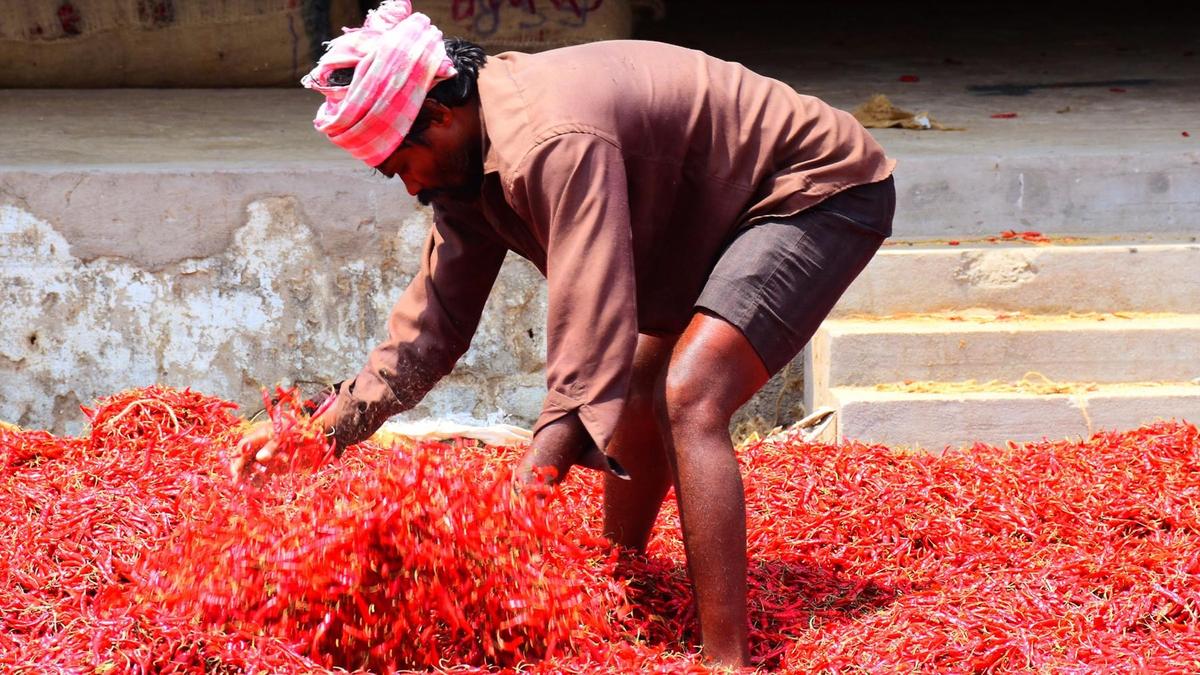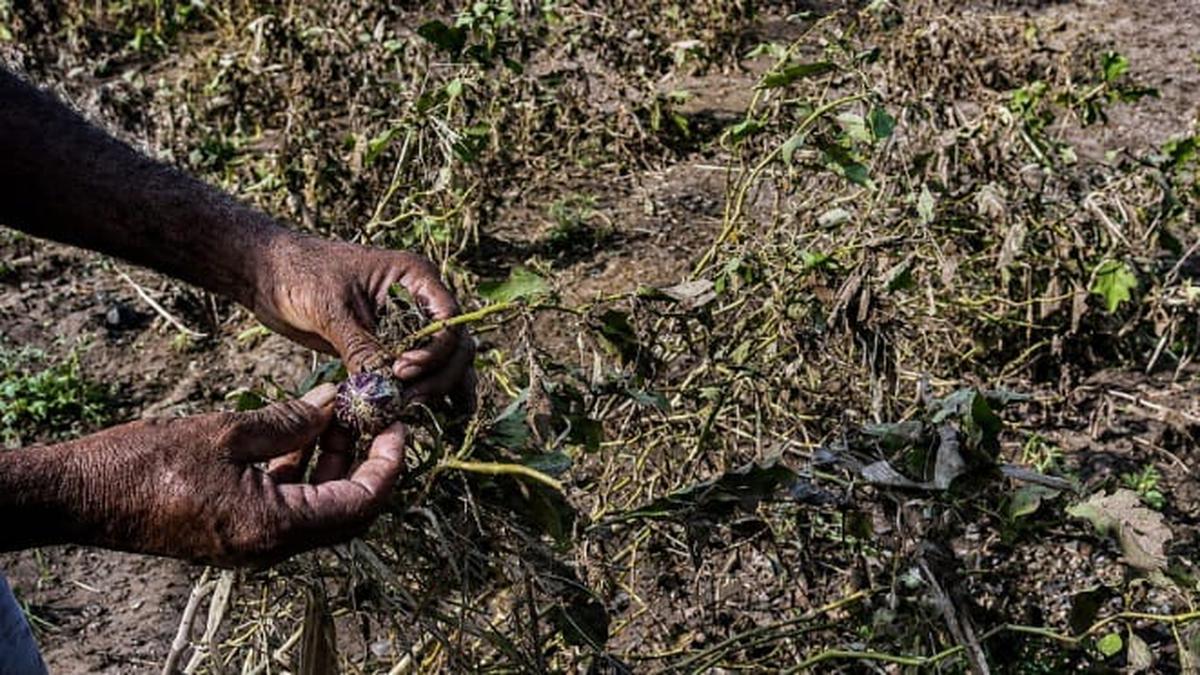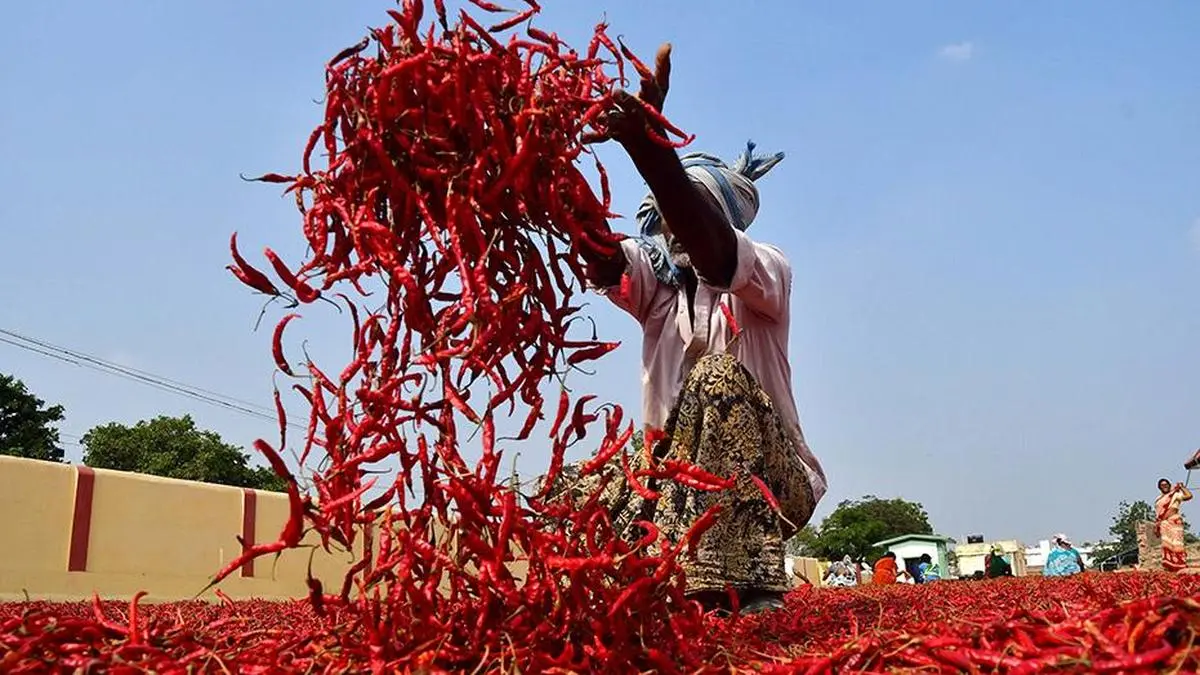
Chilli acreage is set to expand during the ongoing kharif season, with stakeholders expecting the area to return to 2024-25 levels on the back of higher prices and lower carry-forward stocks. Farmers in key producing States such as Andhra Pradesh, Telangana, Karnataka and Madhya Pradesh are seen increasing the area under the spice crop."We do not see any impact of El Niño on the chilli crop, as it can be grown under relatively dry conditions. With prices ruling firm, farmers are expected to expand acreage across all major growing States in the South as well as Madhya Pradesh. We expect acreage this year to be similar to that of 2024, when chilli was grown over a record area," said Velagapudi Sambasiva Rao, President, Chilli Exporters Association, Guntur.Last year, farmers had reduced the area under chilli as returns were hit by a bumper crop and lower prices. However, the current price levels have revived farmer interest in the crop."This year, prices of export varieties such as Teja and Armoor have increased by around 30 per cent, while domestic varieties such as 334 and Super 10, which are widely used by households, have gained about 20 per cent. However, prices of powder varieties such as DD and 341, largely used by spice processing companies, are down about 20 per cent as powder manufacturers are yet to begin fresh procurement due to weak sales during the rainy season. They are likely to step up purchases from August," Rao said.Lower carry-forward stocks are also supporting prices. Rao estimated current carry-forward stocks at around 1.46 crore bags of 40 kg each, significantly lower than the 2.29 crore bags held during the corresponding period last year.“We expect chilli acreage to increase by around 30 per cent this year," said Sachin Nandwana, Co-founder of agritech platform BigHaat, based on trends in seed sales on the platform.
Chilli acreage set to rebound during 2026-27 season on higher prices, low carry forward stocks
Chilli acreage is projected to increase in 2026-27 due to rising prices and low carry-forward stocks, boosting farmer interest.
490 words~2 min read