Why I Still Believe in Zero-Cost BFF Layers After 6 Months (And What Broke)
Honestly, I didn't expect to be writing this article. Six months ago, I built capa-bff — a zero-cost BFF framework that won a hackathon gold medal — and I thought I had it all figured out. "This is perfect," I told myself. "Zero configuration, works with any Spring Boot app, solves all the frontend aggregation problems."
Spoiler alert: It didn't. Don't get me wrong — it's still great for what it is. But here's the thing about building developer tools: the real world has a way of humbling you. Let me walk you through what I learned, what works, what doesn't, and who should actually use this thing.
What Even Is a BFF Anyway?
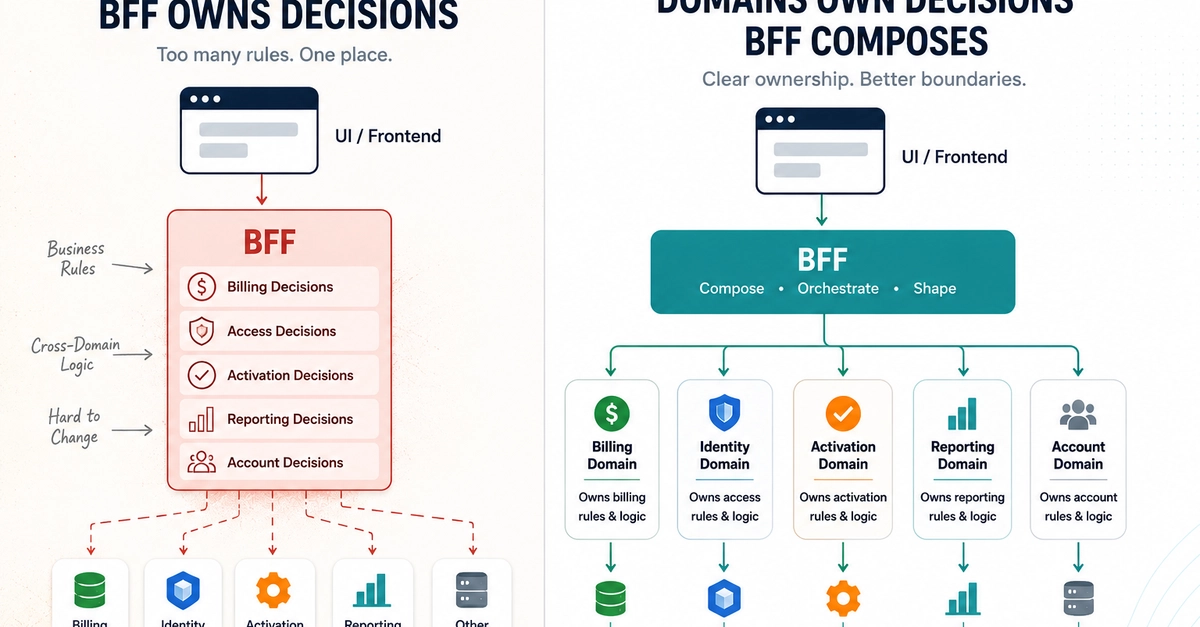
If you're new to the term, BFF stands for Backend For Frontend. It's that intermediate layer between your frontend clients (web, mobile, mini-programs) and your backend services. The idea is simple: instead of making the frontend stitch together data from multiple backend APIs, you have this middle layer that does it for you.