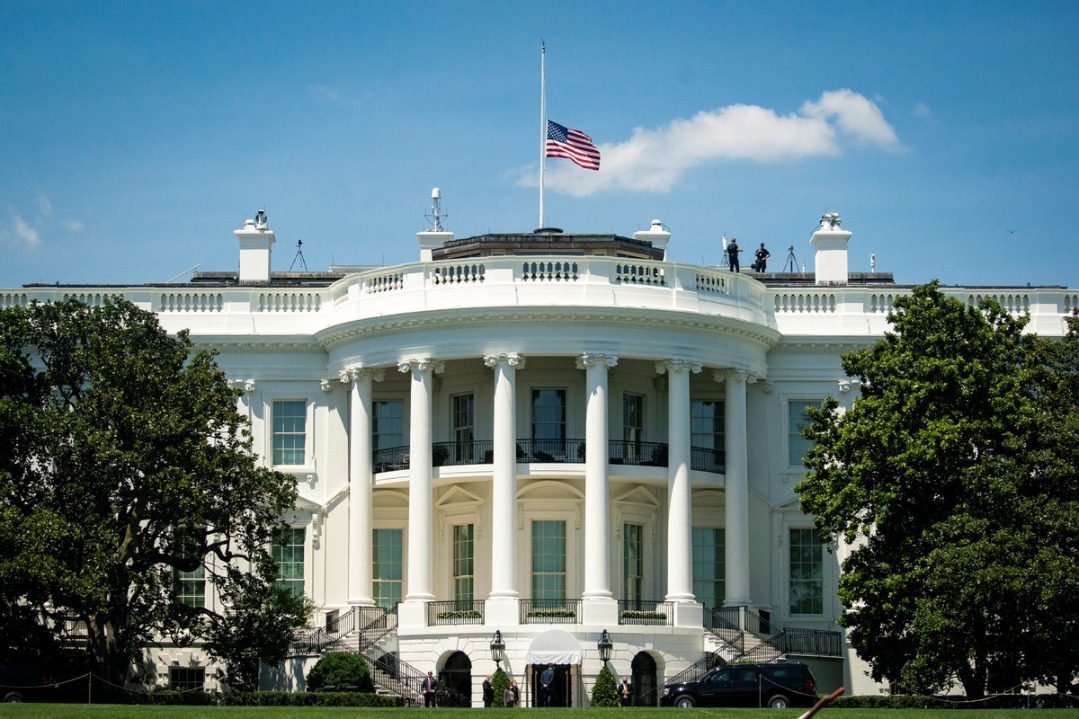
The White House in Washington DC. [Photo/Agencies]
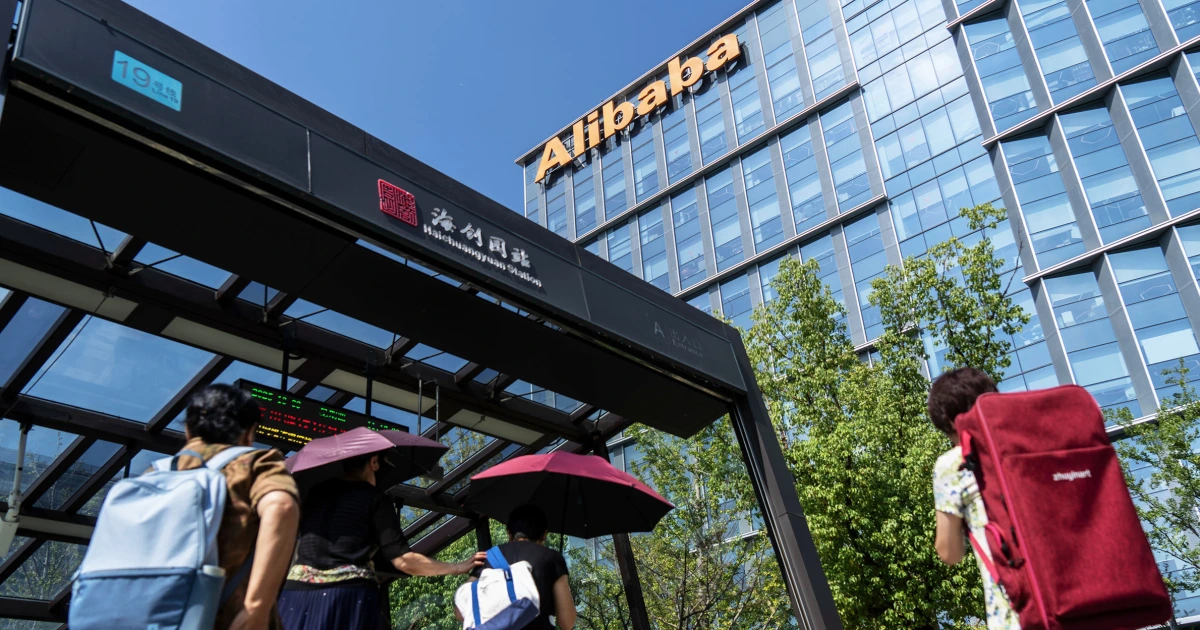
Earlier this month, the Pentagon added 65 more names to its blacklist of so-called "Chinese military companies", bringing the total to 188. This time, Alibaba, Baidu, BYD and Tencent were grouped with missile makers and shipyards on a roster that, starting June 30, bars the United States Department of Defense from signing new contracts with any of the listed companies.
A separate restriction next year would limit Pentagon purchases of goods incorporating inputs from any listed company. This means that US companies and consumers are strongly discouraged from doing business with the blacklisted companies.
In response, on Monday, China imposed a set of countermeasures against the US, placing 10 US companies on an export control list and barring government agencies from purchasing products from 46 others.
Washington calls the designations routine security vetting aimed at companies that it says are tied to China's military-industrial base. But blacklists can be counterproductive. They rarely make any nation "more secure". Rather, they raise costs, narrow the channels available for international dialogue, and feed mistrust that makes future disagreements harder to resolve.