What if your terminal AI agent could talk to 30+ LLM providers, run isolated background tasks, load custom plugins from npm, and authenticate to MCP servers — all from a single npm install?
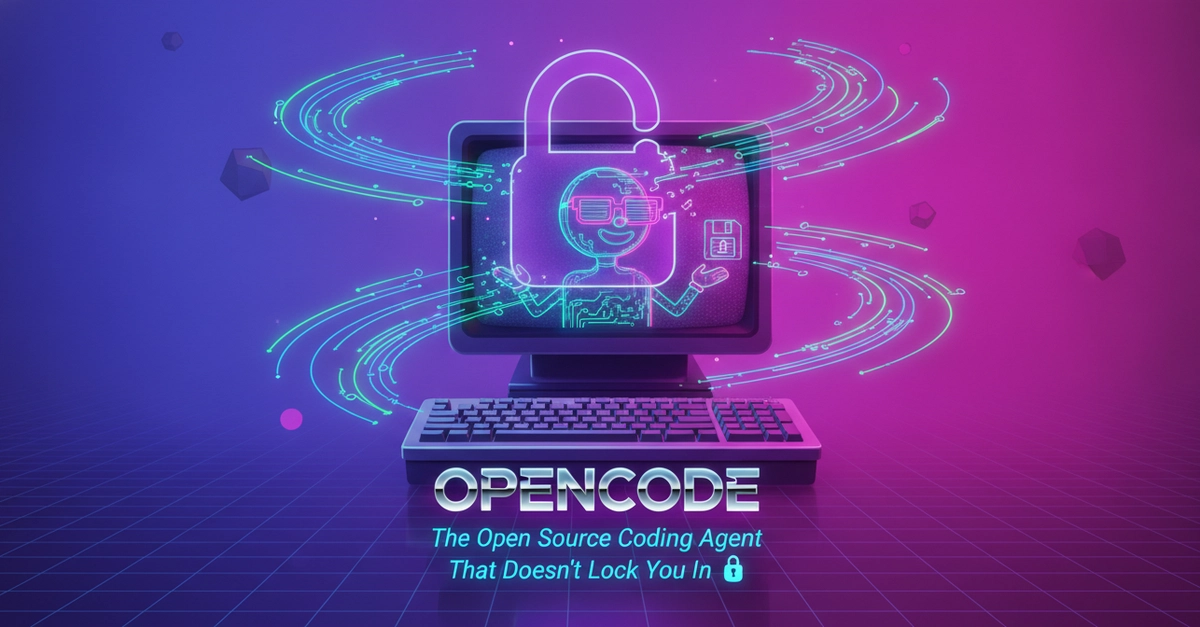
OpenCode is a 178,218-star open source AI coding agent built in TypeScript. It crossed 1,274 points on Hacker News in March 2026, and its latest release (v1.17.10, June 24 2026) added MCP resource templates, OAuth-bound callbacks, and a new --mini CLI mode. Most developers use it as a Claude Code alternative in the terminal — but scratch the surface and you'll find a plugin ecosystem, multi-agent architecture, and provider abstraction that go far beyond autocomplete.
In 2026's landscape of AI coding tools, where Cursor, Claude Code, Codex CLI, and Goose all compete for developer mindshare, OpenCode stands out by being completely open source (MIT license), provider-agnostic (30+ providers including self-hosted), and built around an extensible plugin + skill + MCP architecture. Here are five hidden uses that most people miss.
Hidden Use #1: Multi-Provider Fallback with Custom Providers
What most people do: Use OpenCode with a single API key — Anthropic, OpenAI, or whatever they have.