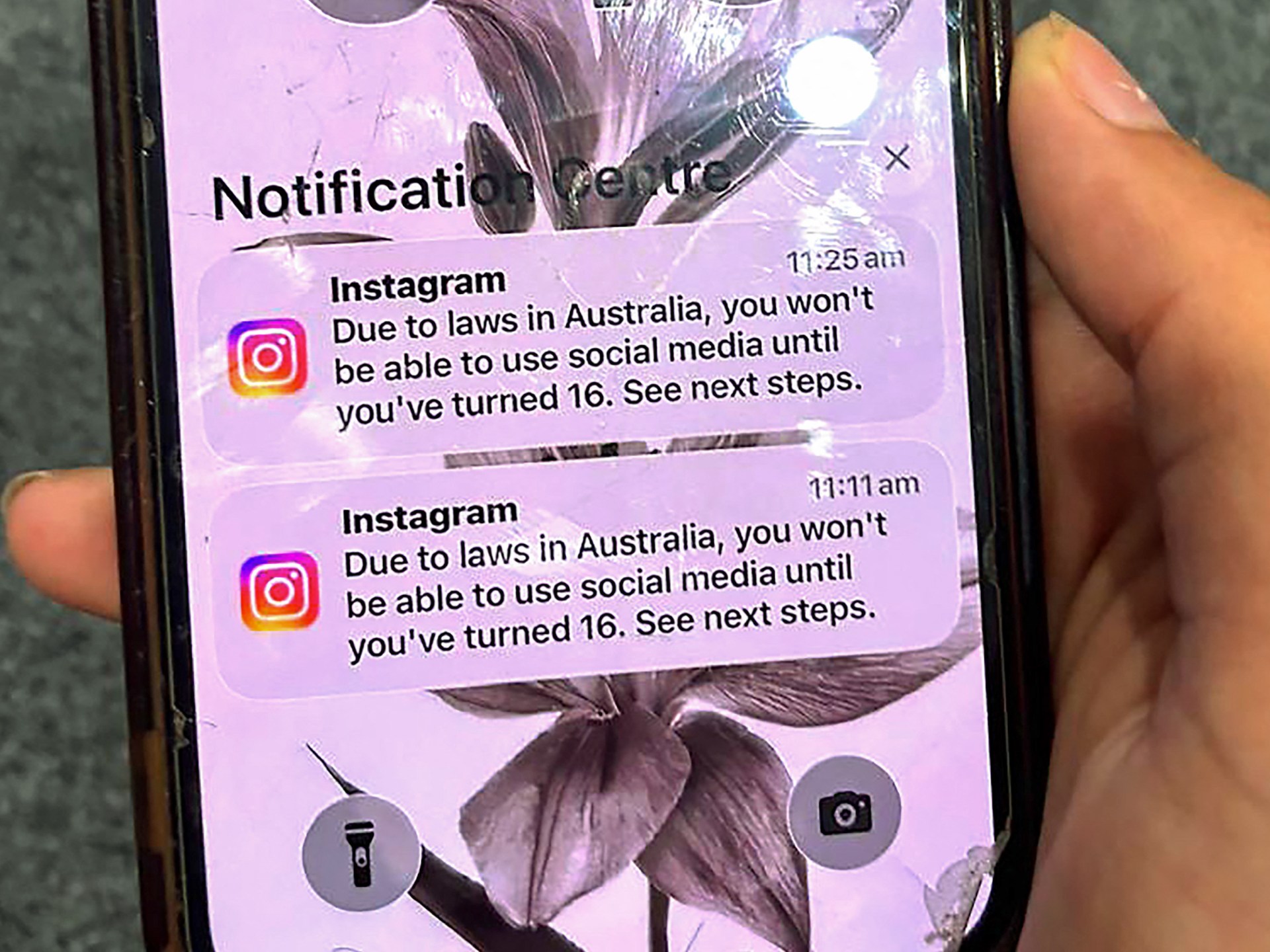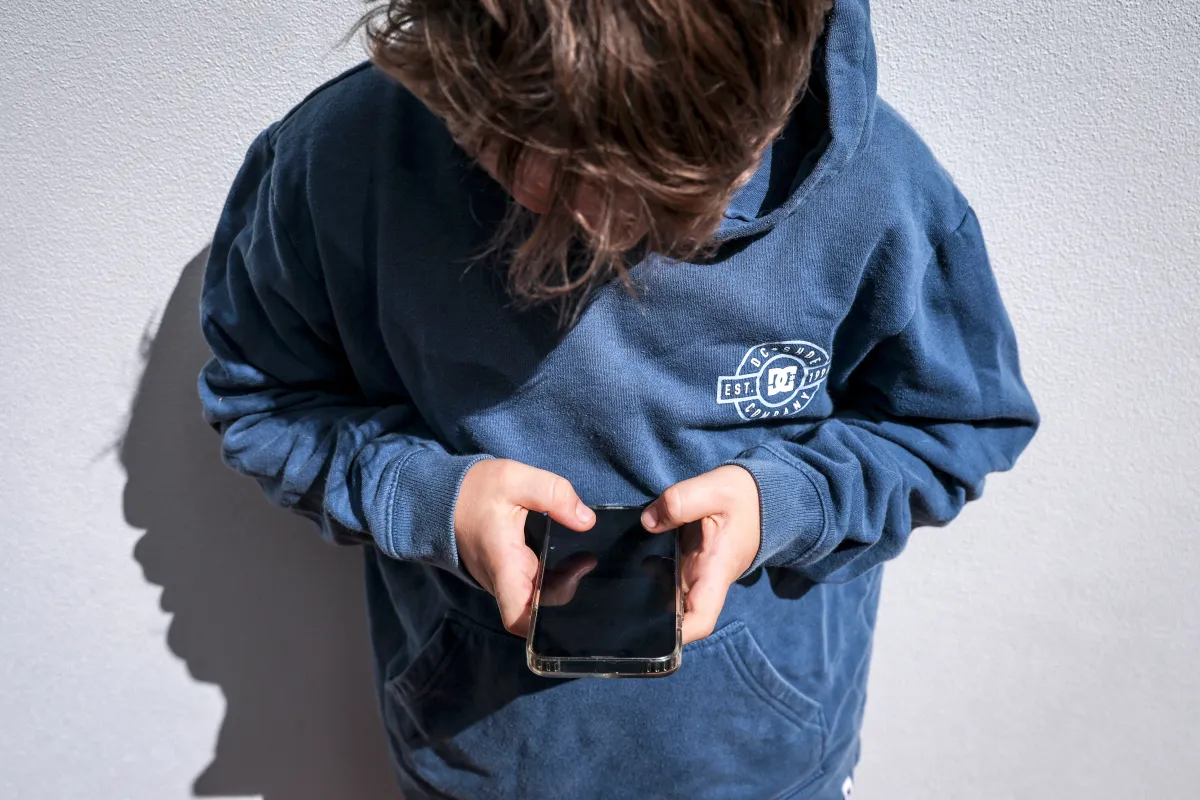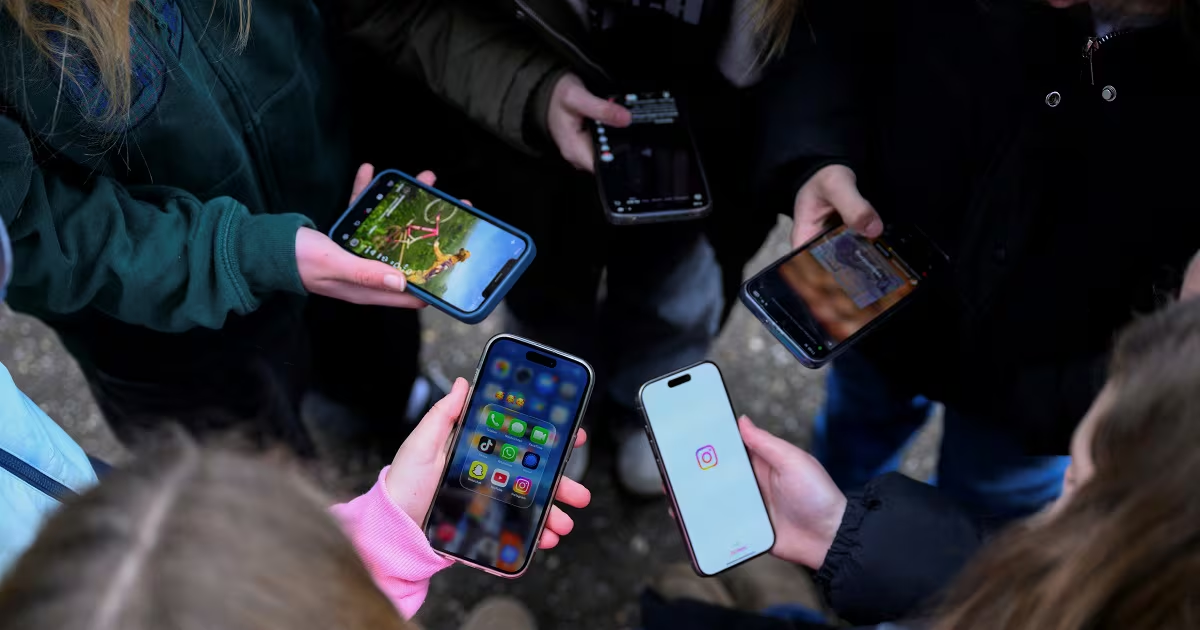
It is time for South Africa to consider a ban on social media access for children. Australia became the first country to do so late last year, with laws prohibiting accounts for teenagers under the age of sixteen. The UK followed suit earlier this month, and a growing number of countries, including France, Denmark, and Greece, are moving in the same direction.There is no reason to believe South African children are any less vulnerable than their international counterparts to the well-documented harms of social media. The platforms are bad for teenagers’ mental health, increase their risk of anxiety, depression and suicidal thoughts, and put them at risk of sexual exploitation. The addictive nature of social media apps engineered to keep eyeballs on screens amplifies the general problems of smartphone use that affect young and old alike, ranging from disrupted sleep to impaired cognition and attention. And of course, social media apps consume huge amounts of time that most parents would prefer children use for other things. The challenge is what to do about it. As any parent knows all too well, children are adept at circumventing rules imposed by adults. Tech-savvy teenagers can easily get around social media restrictions with fake accounts and virtual private networks. So it is hardly surprising that Australia’s approach is far from a resounding success. While there has been a reduction in the number of under-age children who hold these accounts, 70% of the kids under 16 who had signed up before the restrictions kicked in retained their accounts, according to the latest compliance report from Australia’s eSafety commissioner.Australia’s experience suggests greater pressure needs to be brought to bear on social media companies if a ban on teen use is to have meaningful impact. These companies have a deep understanding of human psychology, which they have adroitly used to design apps that fuel the brain’s pleasure centres and keep users engaged for extended periods of time. Endless scrolling, features that track and celebrate consecutive days of use, and frequent notifications all fuel the compulsive behaviour. Critics rightly point out that bans always risk pushing prohibited behaviour underground. Just as booze bans can fuel a trade in black market liquor, barring social media accounts for teenagers risks driving problematic behaviour onto even more secretive and dangerous platforms. There is scant research on the social media habits of South African teenagers, but media coverage of some of the harm to local adolescents highlights the threats posed by messaging apps such as Telegram and WhatsApp that have encrypted chats and thus much higher privacy thresholds. Sexual predators frequently shift interaction with their victims from social media platforms to these messaging apps, precisely because they are harder to monitor. South Africa has laws that ban the sale of alcohol to children under the age of 18. They are reasonably well enforced, but there are plenty of bars and taverns, serving clientele both rich and poor, that happily turn a blind eye to underage drinking. Nevertheless, society largely agrees that children should not be drinking alcohol and the legal restrictions are an important guardrail that helps to protect the most vulnerable among us.Social media bans for teenagers might not be the perfect way to reduce adolescent harm online, but they are a good start. To truly have an effect, however, that kind of initiative will have to go hand in hand with a much broader conversation about our society’s dependence on smartphones.
EDITORIAL | A conversation about kids and social media is long overdue
Bans may not be best way to reduce adolescent harm online, but they are a good start
572 words~3 min read