See more Daily Mail on Google - save us as a Preferred SourceBy ELEANOR HARDING, EDUCATION EDITOR Published: 00:01 BST, 25 June 2026 | Updated: 00:01 BST, 25 June 2026
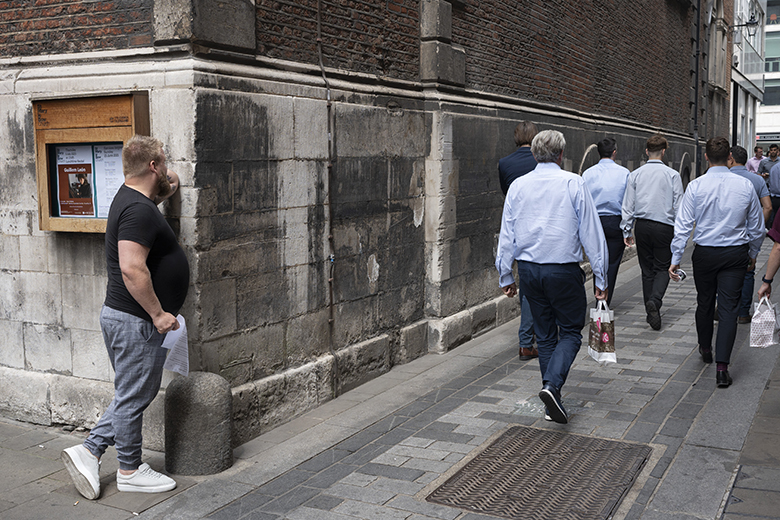
One in four graduates are expected to earn less in their lifetimes than those who avoided going to university, according to a Government-commissioned report.The Institute for Fiscal Studies (IFS) estimates an average of 25 per cent of all graduates will end up financially worse off from having done a degree.Last night, ministers said they plan to cap numbers on some courses and will introduce a new minimum English language requirement to crack down on low-value degrees.Broken down by sex, 30 per cent of men and 20 per cent of women can expect a negative return on going to university, the study found.The 10 per cent of men with the lowest net lifetime returns will be on average £90,000 worse off, while for the bottom 10 per cent of women it is £30,000.The report, commissioned by the Department for Education (DfE), comes amid questions over the value of a degree as student loan debt spirals for many graduates.Last night, Skills Minister Jacqui Smith said: 'Going to university and getting a degree is one of the most transformational things a young person can do.'But it is not a universal guarantee of success and not all degrees are equal. One in four graduates are expected to earn less in their lifetimes than those who avoided going to university, according to a Government-commissioned report (file picture)'As well as the variation by subject, too many poor-quality courses do not offer a good deal to young people – selling the dream then leaving students in the lurch.'Choose carefully. Don't walk into a degree by default.'The study involved examining earnings data for graduates aged around 40 who took their GCSEs in 2002, and using it to make lifetime earnings projections.Researchers then compared this with projections for non-graduates who had a realistic chance of going to university, adjusted for prior attainment and background.The resulting 'graduate premium' was then scaled down to take account of today's cost of going to university, student loan repayments and additional tax.The study found the premium varied widely according to subject, with performing arts graduates facing a negative return of £60,000 on average.Meanwhile, medicine and economics offer the highest returns – more than £400,000 on average.In addition, men with only five C grades at GCSE – considered poor performers – are less likely than their peers to see a good return. Last night, ministers said they plan to cap numbers on some courses and will introduce a new minimum English language requirement to crack down on low-value degrees (pictured: Skills Minister Jacqui Smith)Four in ten – 40 per cent – of these men are expected to see a negative return, and the taxpayer will make a loss on around half of these degrees through student loans not being paid off, the study said.The Government's proposed cap on numbers will apply to courses at some providers, where there are consistently poor returns for students.These include some franchised operations, which run poor quality courses for profit and take the name of a respected university to give them credibility.However, the study found that overall, the picture was positive – with graduates earning on average around £100,000 more over their lifetime than non-graduates, after adjustments.Kate Ogden, senior research economist at the IFS, said: 'It's not possible to know for sure whether today's students can expect the same financial returns to university as those who went a few decades ago.'Significant changes on the horizon – such as from AI – could reshape the graduate labour market in ways that aren't yet showing up in earnings data.'However, she added that 'looking at the outcomes of students in the past is one important piece of evidence' to help youngsters decide whether to go to university.