See at Amazon
WiFi 6E adds a third band that WiFi 6 routers simply don’t have
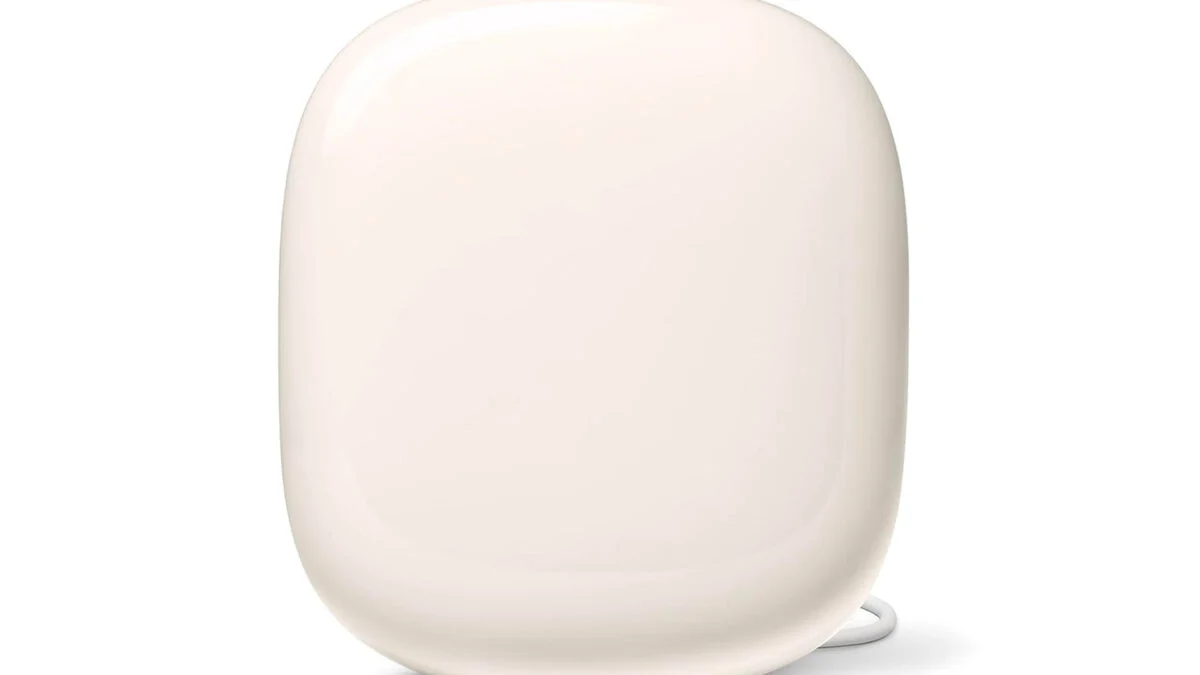
The difference between WiFi 6 and WiFi 6E is the 6 GHz band. WiFi 6 routers operate on 2.4 GHz and 5 GHz, which are the same frequency bands that have been in use since WiFi 4. Those bands are congested in dense environments because every router in the building is competing for the same spectrum. The 6 GHz band in WiFi 6E is essentially empty right now because the standard is new and adoption is still growing, which means less interference, less congestion, and consistently faster speeds for compatible devices connecting to it. Google claims the Nest WiFi Pro is up to 2x faster than WiFi 6 as a result, which reflects that band advantage rather than a raw hardware improvement.
The tri-band configuration assigns the 6 GHz band to the fastest devices and backhaul communication between mesh nodes, while 2.4 GHz and 5 GHz handle the full range of existing devices that don’t yet support 6 GHz. That means the upgrade benefits current devices on the existing bands while preparing the network for the next generation of WiFi 6E laptops, phones, and smart home hardware that will use the 6 GHz band natively.
The Nest WiFi Pro automatically prioritizes video calls and fast-loading websites over lower-priority background traffic, which produces a noticeably smoother experience during video calls and streaming without manual QoS configuration. Signal strength optimization actively maintains connection quality at the edges of the coverage area, which is where most routers start dropping speed before they drop the connection entirely.