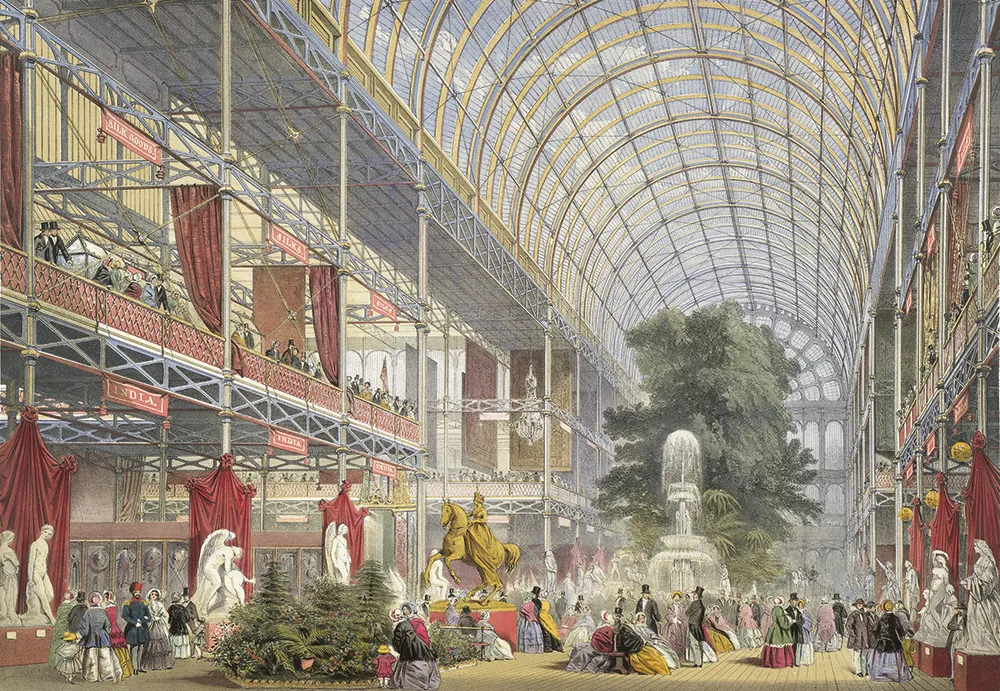
If you want to understand Victorian Britain, look to the Great Exhibition of 1851. At a time of unprecedented technological change and international rivalries, this event gathered the finest art and the latest manufactured goods from around the globe and displayed them for almost six months to more than six million visitors in the magnificent Crystal Palace on the southern perimeter of London’s Hyde Park.
Its success generated a profit of £186,000, or around £20 million today. The aim was not simply spectacle; in the spirit of the age it was also pedagogic. So this sum was used to buy 86 acres of fields and market gardens in the adjacent suburb of Brompton, where new institutions could be built to further the broad objectives of the Royal Commission behind the exercise. According to its charter, these were ‘to increase the means of industrial education and to extend the influence of science and art upon productive industry’.
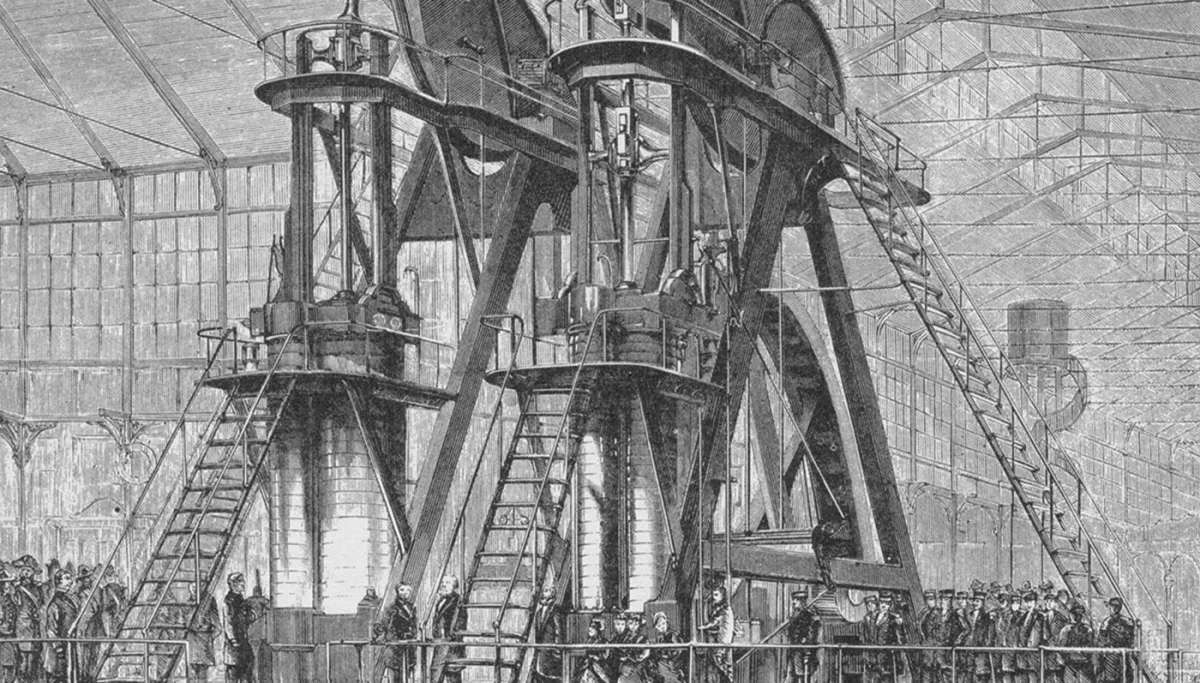
Visitors could marvel at gold ingots, railway engines, fabrics, sculptures and Heath Robinson-type gadgets
Over the next half century, a cluster of galleries and educational establishments sprang up there – among them, the Victoria and Albert, Science, and Natural History Museums, the Royal Albert Hall, Imperial College and the Royal Colleges of both Music and Art. Brompton was renamed South Kensington, in deference to Queen Victoria’s birth in nearby Kensington Palace, and, as the grand institutions grew, the area became known as Albertopolis, after the queen’s beloved consort Prince Albert of Saxe-Coburg and Gotha, who died prematurely in 1862, aged just 42.