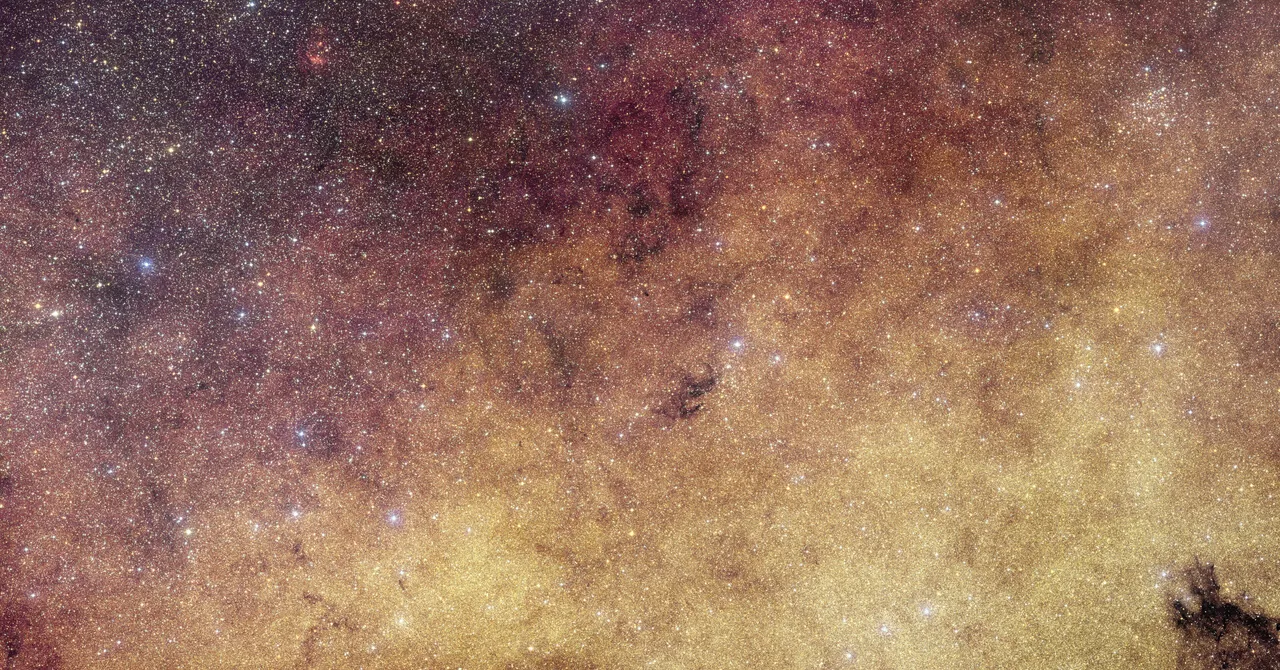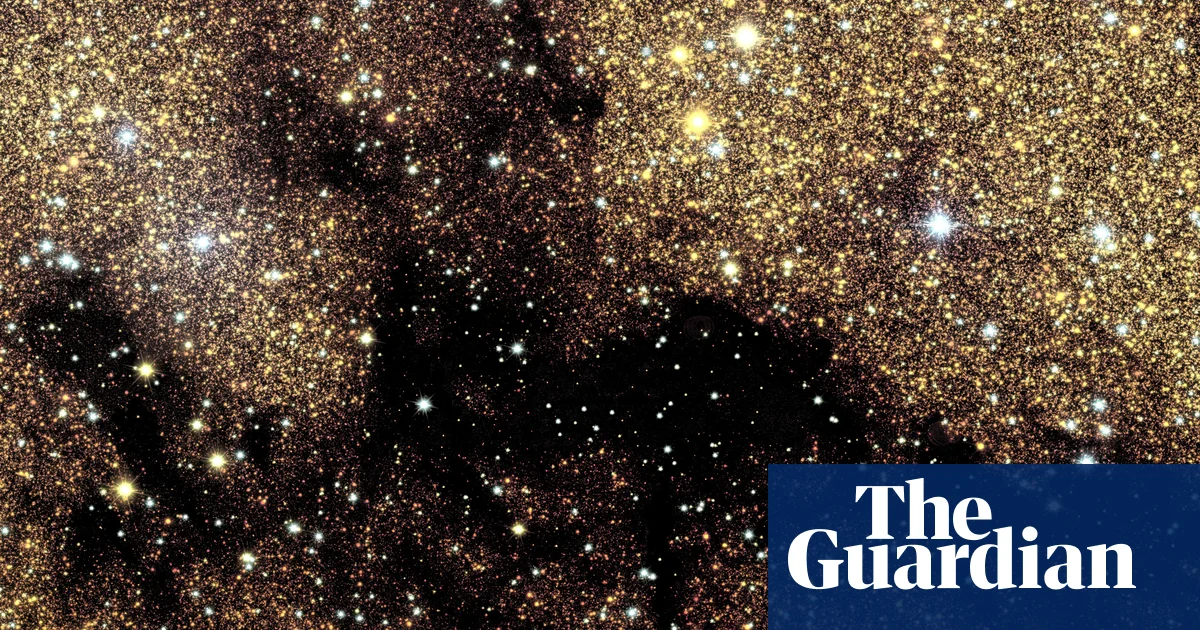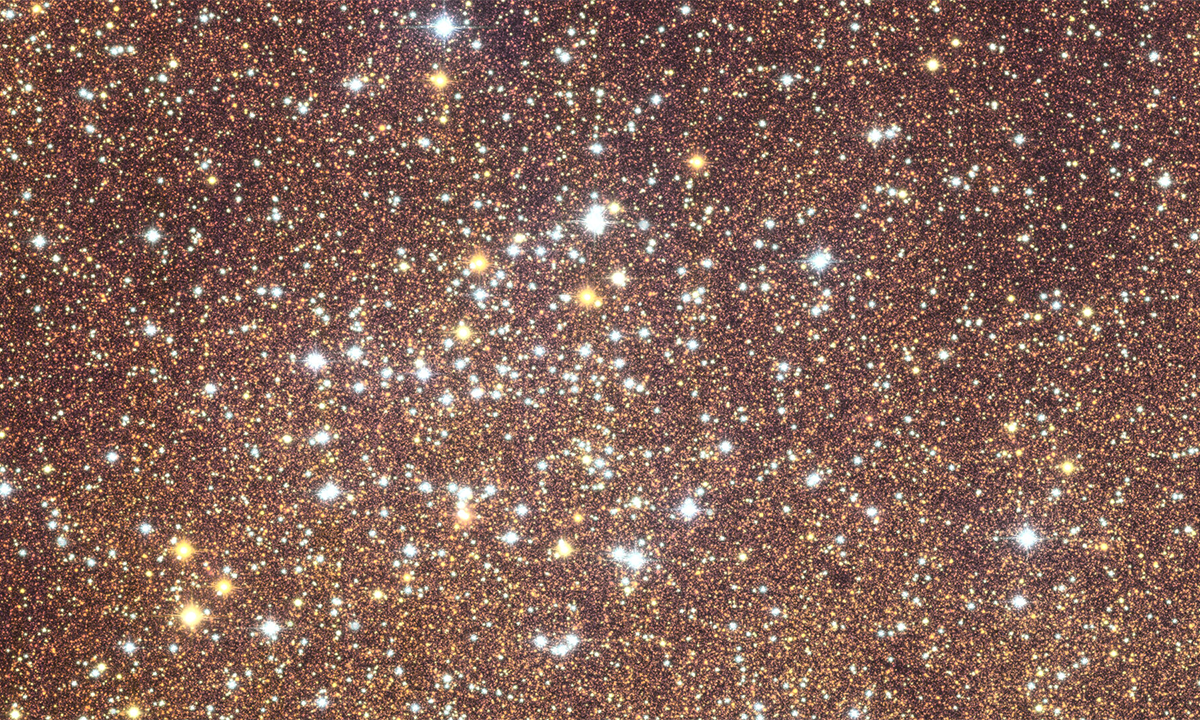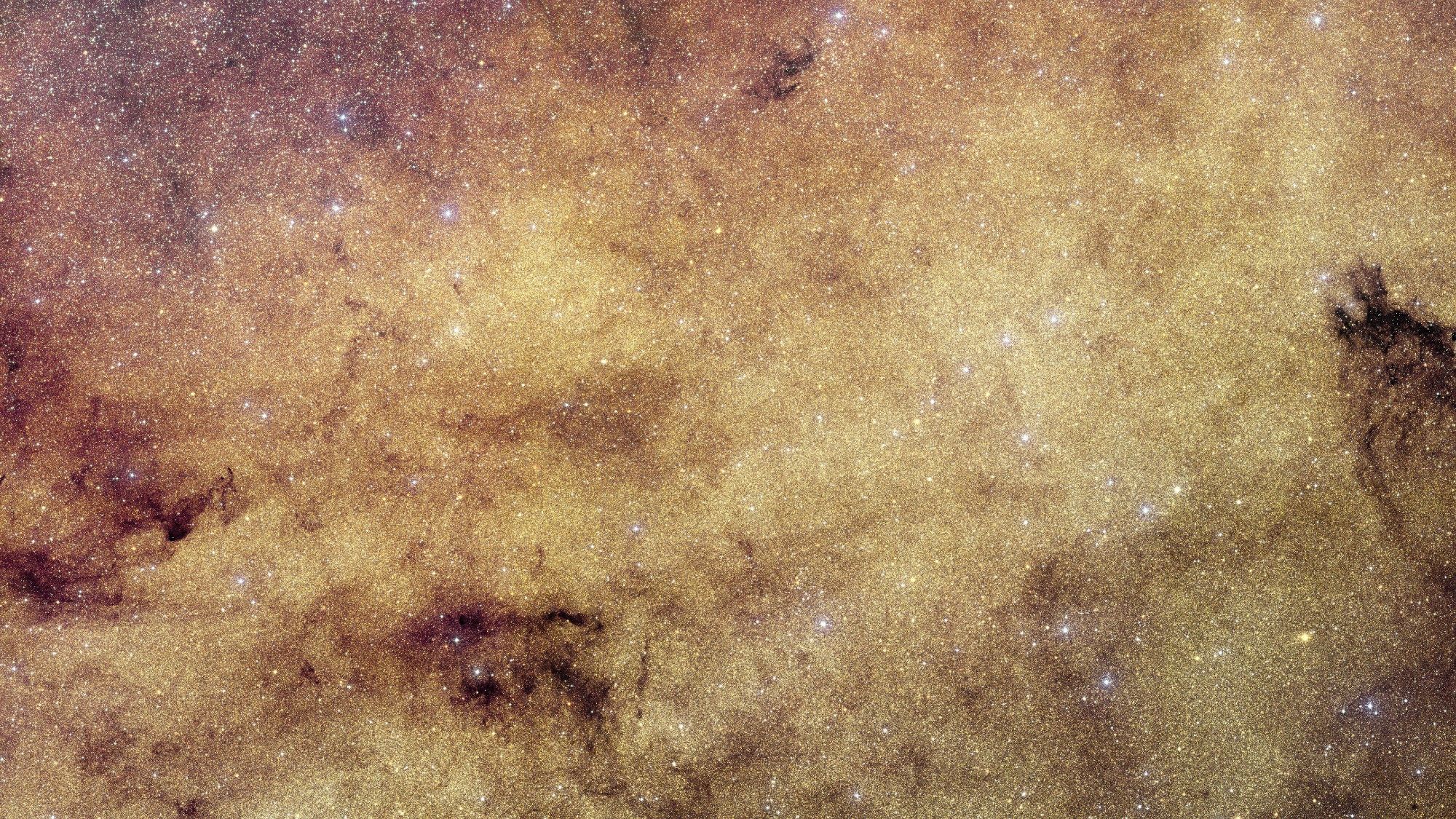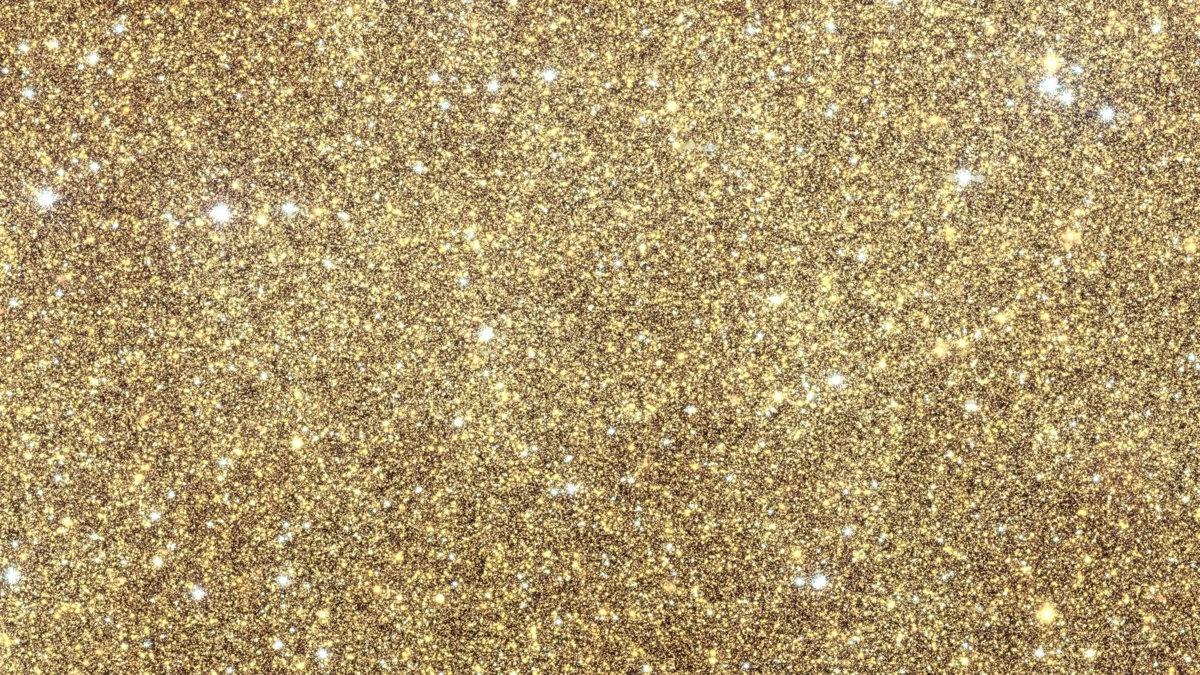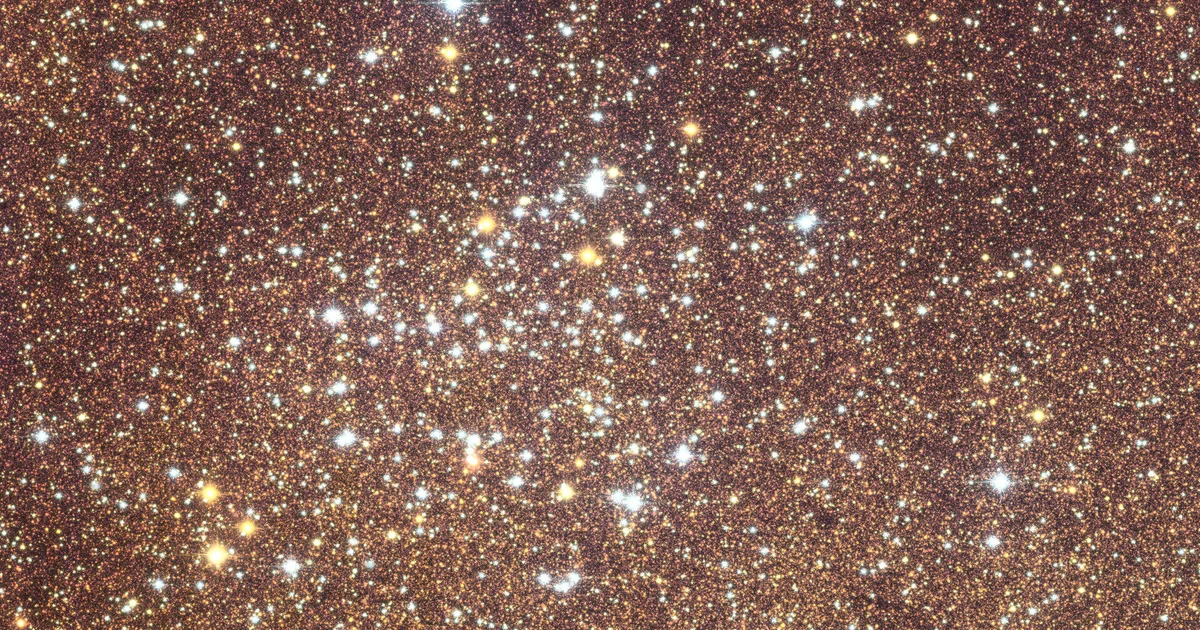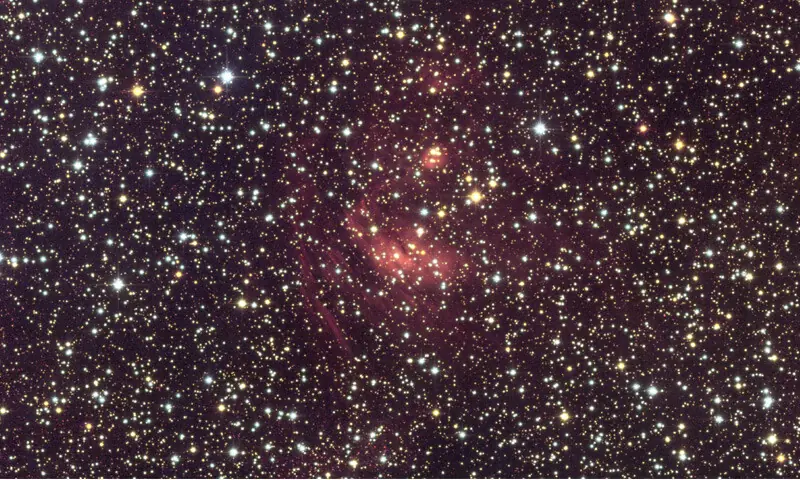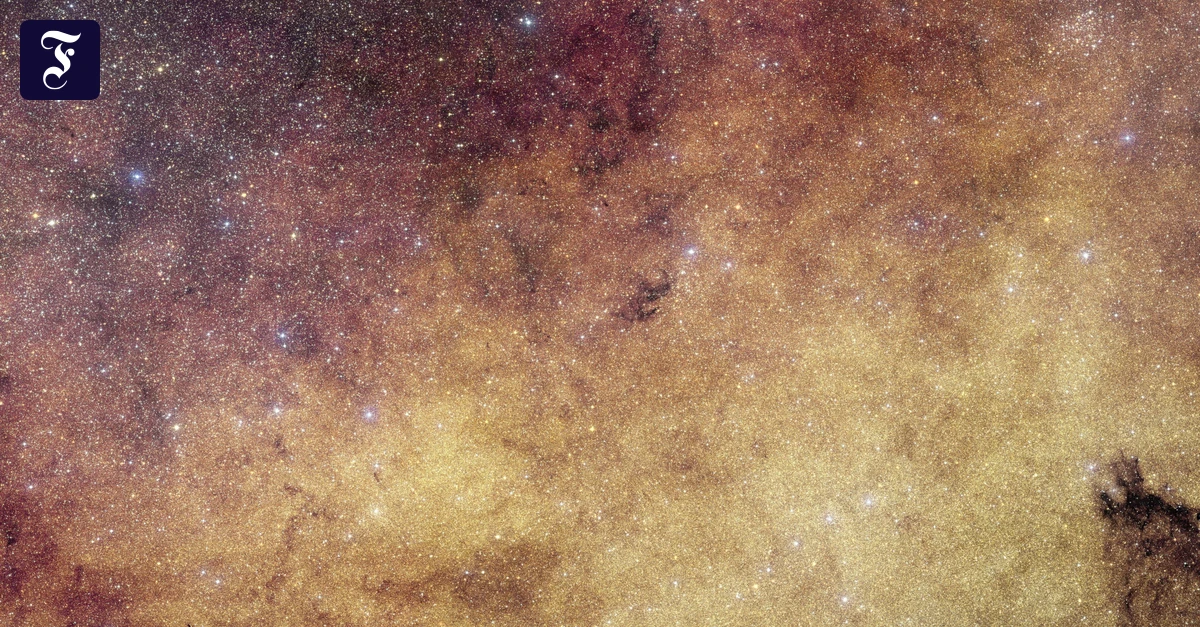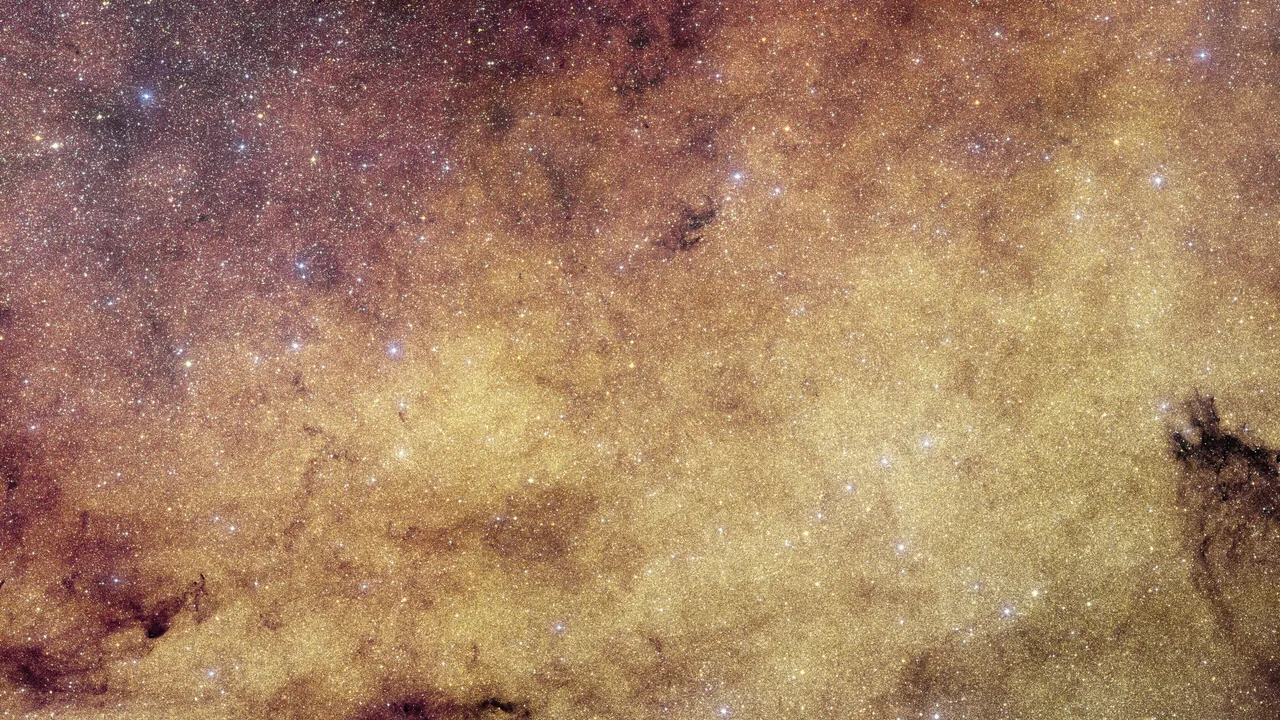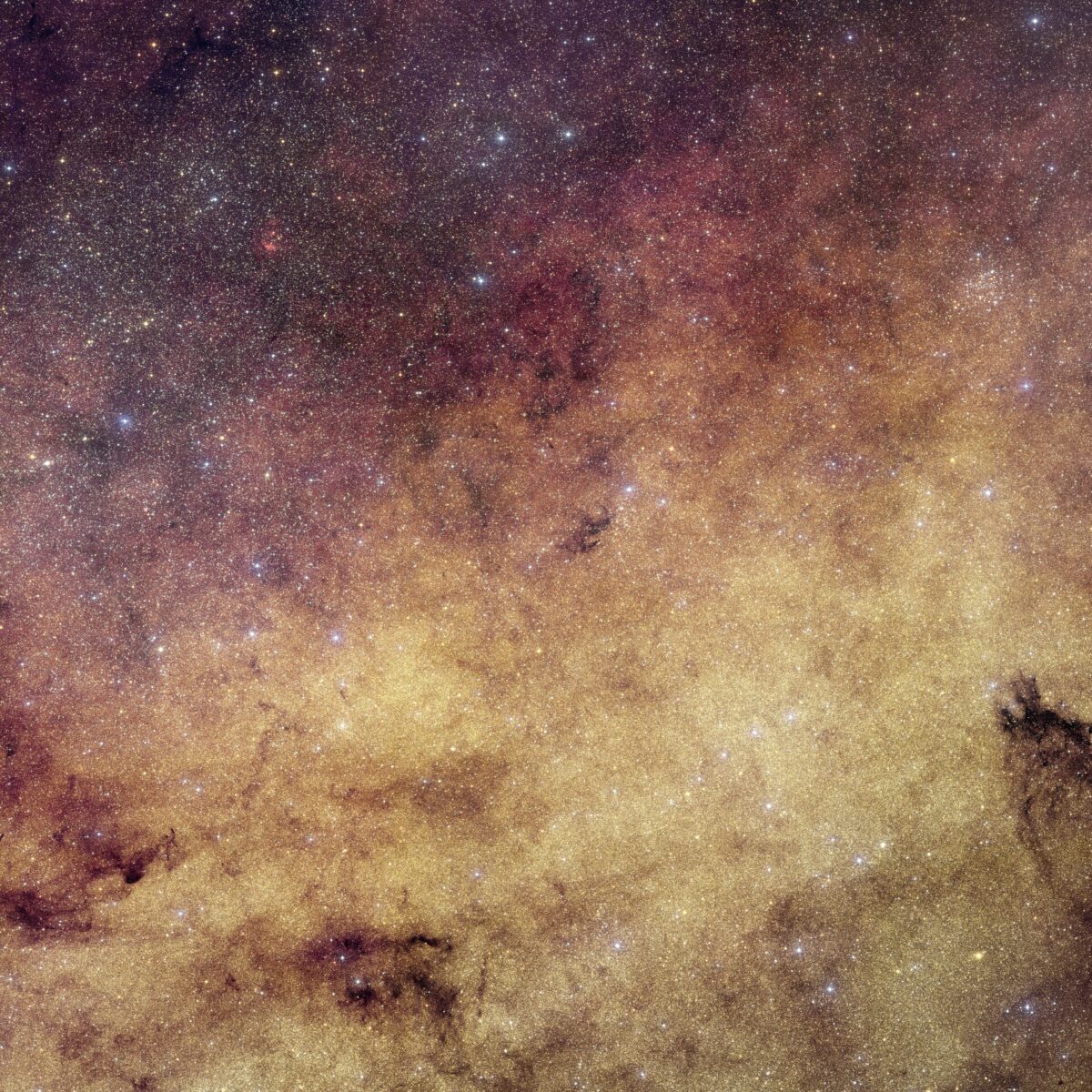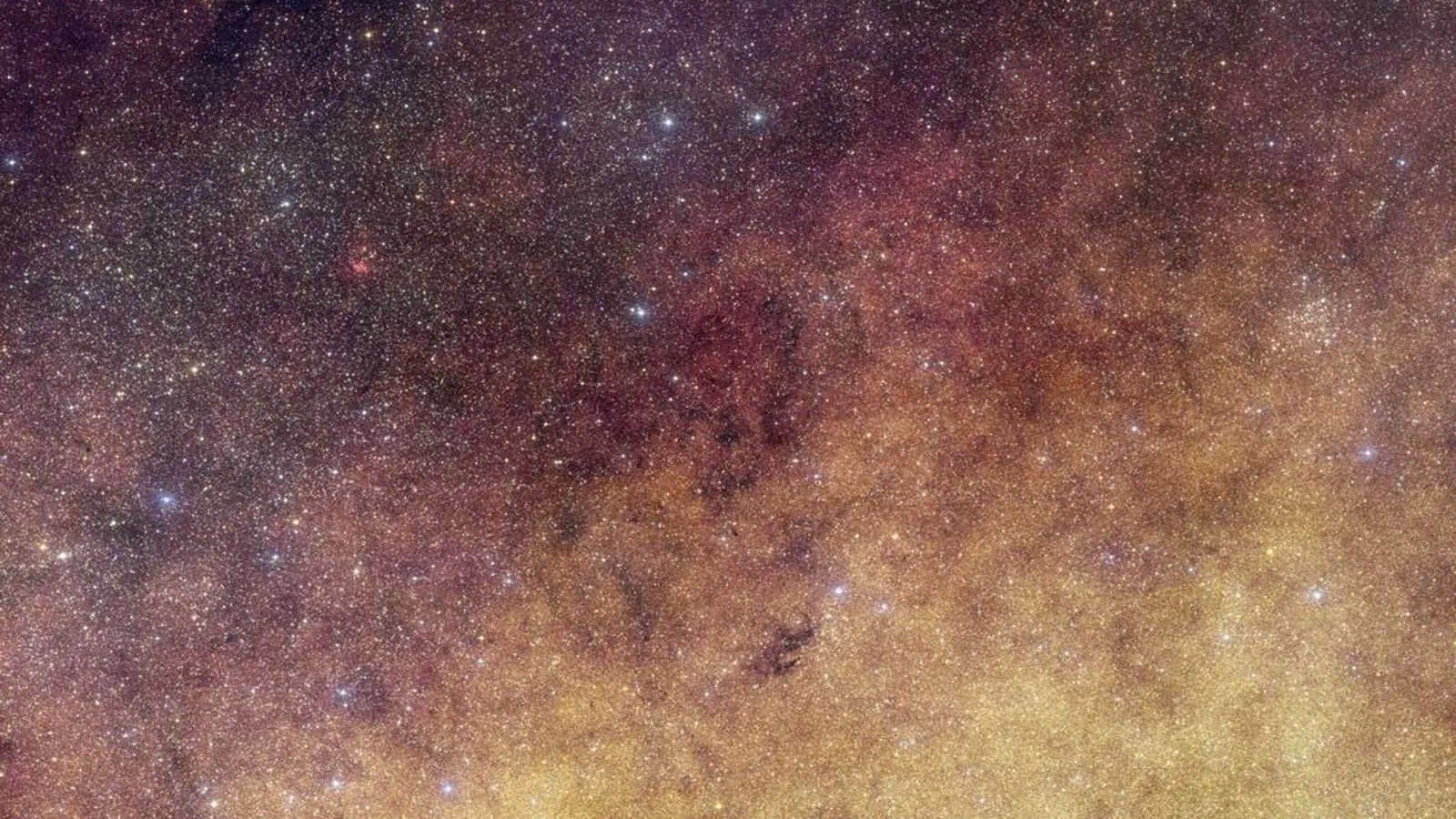
The European Space Agency just delivered the ultimate galactic glamour shot: the largest, most detailed view yet of the Milky Way’s center in visible light, featuring 60 million stars, along with nebulae and star clusters. The crisply detailed canvas of light and color is far more than just cosmic razzle-dazzle. It could help astronomers search for exoplanets in the Milky Way’s “crowded heart,” as the ESA calls the region. “Visually, it has the emotional impact of a great astronomical artwork. Scientifically, every star in the frame is data,” Dan Zafra, co-founder of Capture the Atlas, which specializes in astrophotography education and travel, said in an interview. “It is beautiful at first glance, but the longer you look at it, the more you realize that its real value is not only aesthetic. It is a tool for understanding our galaxy and the planets hidden within it.”To capture the six-gigapixel image, the ESA’s Euclid space telescope turned its visible-light camera toward the bright inner area of our galaxy known as the galactic bulge, which is located about 26,000 light-years from Earth and packed with stars. The telescope’s camera can differentiate between individual stars in the densely populated region without being blinded by their combined light, and that ability could also help scientists search for exoplanets in the bulge in a bid to better understand and map our galaxy. Here, in full, is the largest high-resolution photo ever made of our Milky Way galaxy's center in visible light.ESA/Euclid/Euclid Consortium/NASA, CFHT, image processing by J.-C. Cuillandre and E. Bertin (CEA Paris-Saclay)MORE FOR YOUThe ESA launched the Euclid Mission in 2023 to unlock the mysteries of dark energy and dark matter, parts of the cosmos that remain invisible to our eyes and telescopes. To do that, the mission aims to map more than one-third of the celestial realm during its six-year run. But the telescope’s highly sensitive camera is also uniquely suited to studying planets beyond our solar system. How Microlensing WorksScientists hope the image of the galactic bulge will lend itself to Milky Way exoplanet hunting via an observational effect called microlensing. The technique relies on the near-perfect chance alignment of two stars, with the gravity of the star in the foreground functioning like a magnifying glass by bending and brightening the light of the one in the back. “During the last 20 years, almost 300 exoplanets have been discovered using this technique, all with ground-based telescopes and all towards the center of our galaxy,” Jean-Philippe Beaulieu of the Institut d’Astrophysique de Paris in France, and Australia’s University of Tasmania, said in a statement. “This image from Euclid includes 51 known planetary systems, and it will assist in studying many more that will be found.” The newly released galactic bulge image, captured in 26 hours in March 2025, is a mosaic of nine patches of the sky, each larger than the full moon and 270 times bigger than the field of view of NASA’s Hubble Space Telescope, launched more than 35 years ago. The ESA shared the image with the public on Wednesday. When Zafra first saw the shot, he said he couldn’t disbelief the density.“As Milky Way photographers, we spend a lot of time under dark skies trying to reveal structure and detail in the galactic core, but this image almost flips that experience,” he said. It removes the romantic distance and shows the center of our galaxy as an overwhelming collection of individual stars.”Data from the Euclid telescope will serve as a reference for NASA’s Nancy Grace Roman Space Telescope, which, once it launches, will repeatedly observe the galactic bulge in years to come. The telescope is central to NASA’s Galactic Bulge Time-Domain Survey to monitor for planets, small icy objects, small black holes and other celestial objects.
New 60-Million-Star View Of Milky Way Opens Window For Exoplanet Hunting
The ESA shares the most detailed image of the Milky Way's galactic bulge in visible light. "Every point of light matters scientifically," one astrophotographer notes.
626 words~3 min read