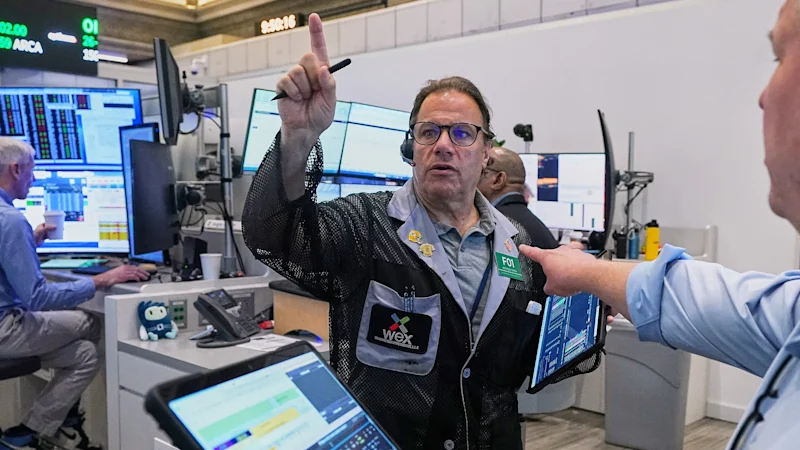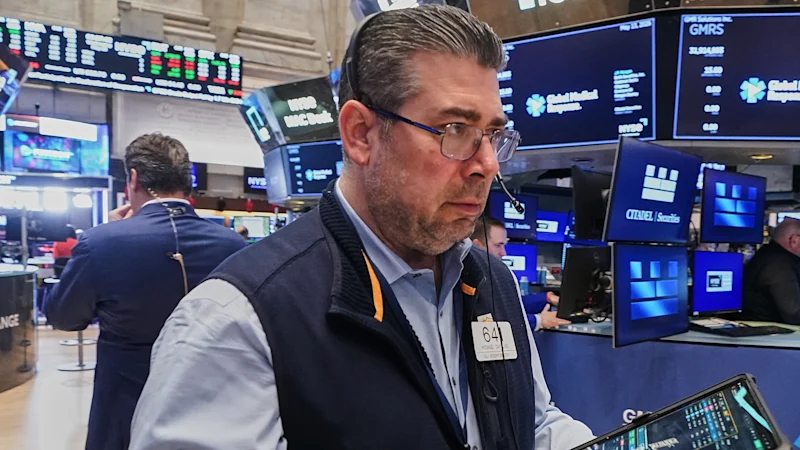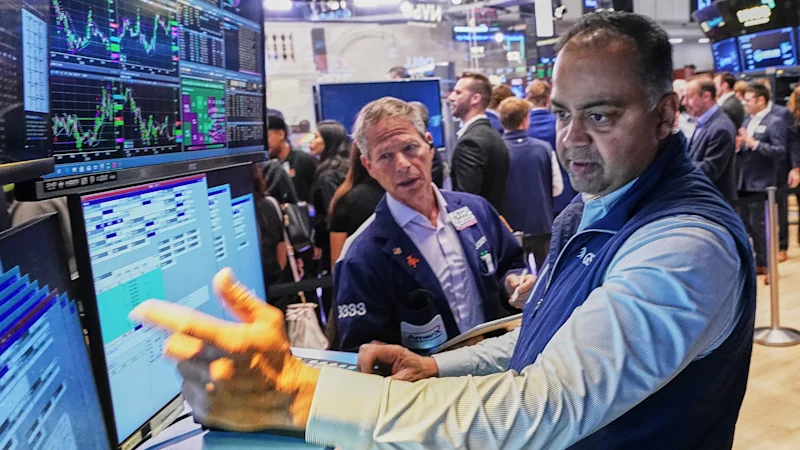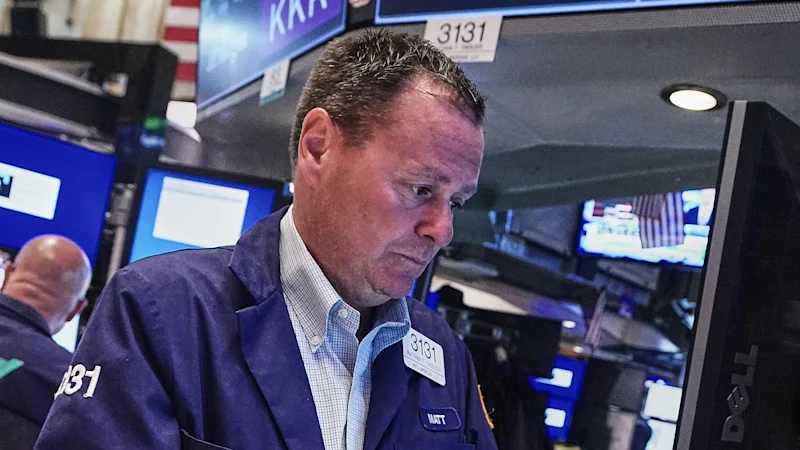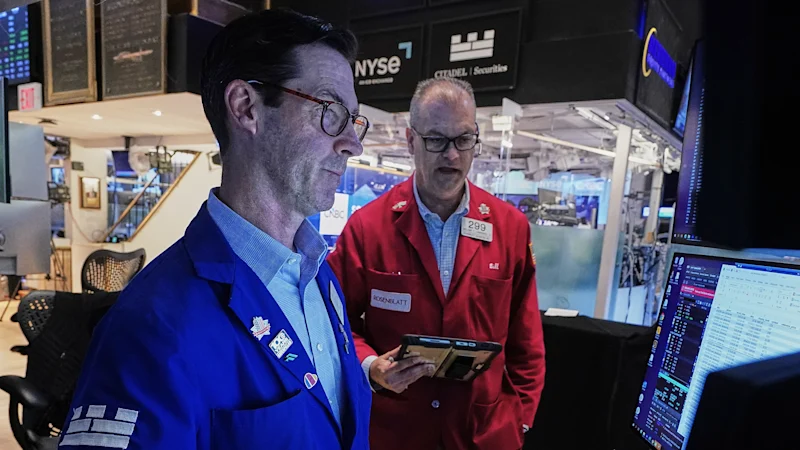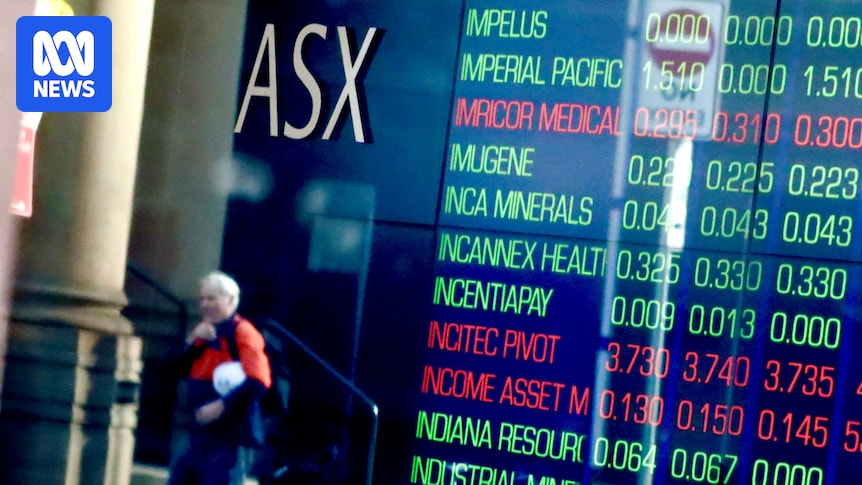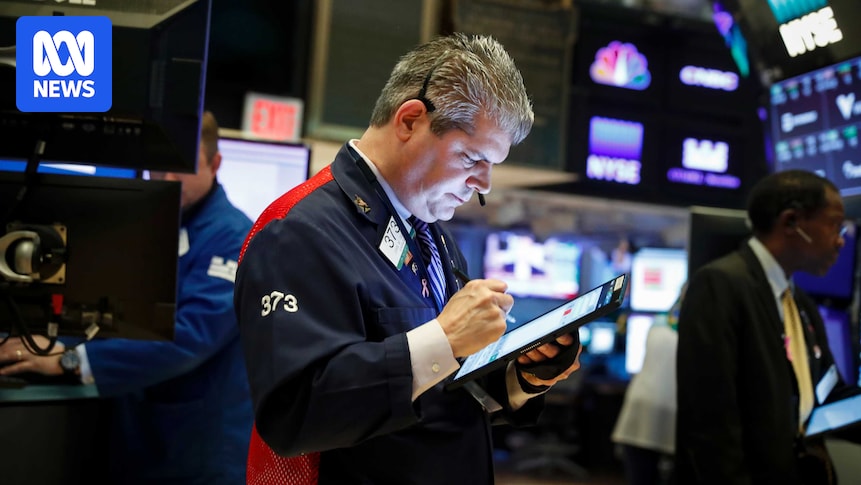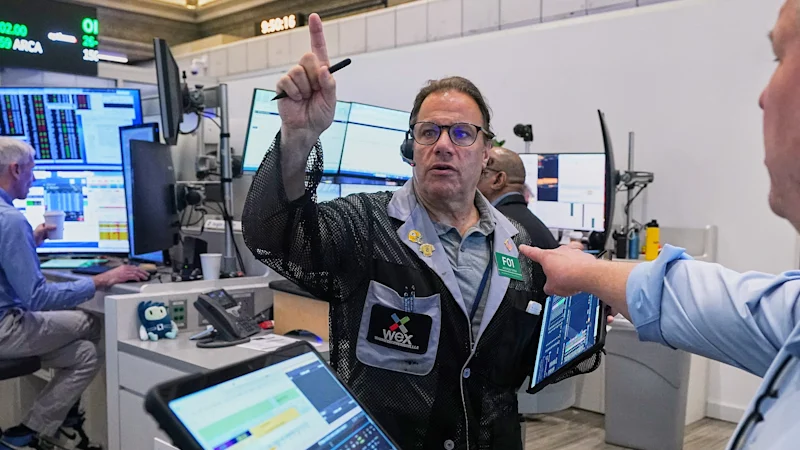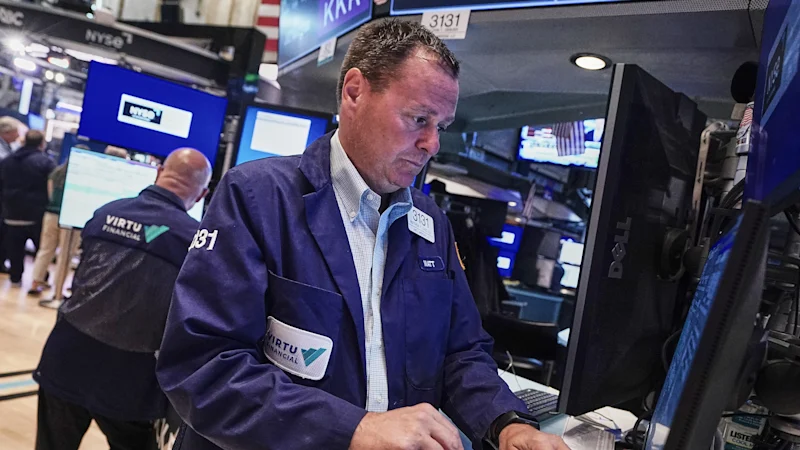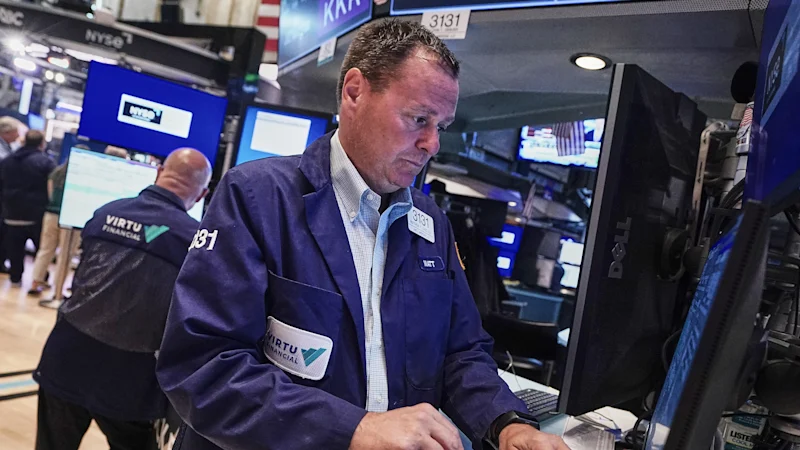
Staff writersUpdated June 25, 2026 — 10:10am,first published June 25, 2026 — 5:17amThe Australian sharemarket slid lower at the open ahead of the latest unemployment figures while Wall Street wavered to a mixed close as technology stocks once again weighed down the market.The S&P/ASX 200 was down 32.6 points or 0.4 per cent to 8775.8 in early trade. Unemployment figures for May will be released at 11.30am AEST.Wall Street was unsteady on Wednesday but futures jumped after the closing bell on the release of robust results from Micron.APTechnology stocks weighed on Wall Street again, but an upbeat outlook from semiconductor company Micron Technology after the closing bell on Wall Street boosted US futures as confidence in the artificial-intelligence trade was reignited.The largest US maker of computer memory chips forecasted revenue of approximately $US50 billion ($73.2 billion) in the fiscal fourth quarter, which runs through August. Analysts estimated $US43.2 billion on average.Overnight, prior to Micron’s results, declines for several influential tech heavyweights, including Microsoft, pulled Wall Street lower even though most stocks in the S&P 500 gained ground.The S&P 500 fell 0.1 per cent. The Dow Jones, which is less weighted with tech stocks, rose 0.4 per cent, in mid-afternoon trade. The Nasdaq composite fell 0.4 per cent.A 2.3 per cent drop in Microsoft was the heaviest weight on Wall Street. Oracle slumped 4.6 per cent.Google’s parent company Alphabet slipped 0.2 per cent. The company is replacing Verizon in the Dow on Monday. The company’s inclusion in the S&P 500 means more to investors, however, because 401(k) accounts are much more likely to include an S&P 500 index fund than anything tied to the Dow.Alphabet will become the fifth Magnificent 7 company to join the Dow. The others are Apple, Amazon, Microsoft and Nvidia.Oil prices continued slipping as the US and Iran negotiate a possible end to their war. Brent crude, the international standard, fell 3.8 per cent to $US73.87 a barrel. It has been trading below $US80 in recent days but is still above the roughly $US70 per barrel it was trading at in late February before the war began. US crude prices fell 3.9 per cent to $US70.34 a barrel.Oil companies had some of the biggest losses. Exxon Mobil fell 2 per cent and Chevron lost 2.6 per cent.Some of the bigger winners on Wall Street included homebuilders following approval of legislation beneficial to the industry. KB Home surged 16.7 per cent and D.R. Horton jumped 6.7 per cent.Treasury yields mostly fell, removing some pressure from stocks. The yield on the 10-year Treasury fell to 4.40 per cent from 4.50 per cent late Tuesday. The yield on the 2-year Treasury eased to 4.15 per cent from 4.16 per cent.Treasury yields are still elevated from earlier in the year, especially the 2-year Treasury, which more closely tracks anticipated action from the Federal Reserve. The central bank has signalled that it is considering raising its benchmark interest rate by the end of the year. Wall Street is forecasting at least one hike to interest rates by December, according to data from CME Group.The Fed is worried about stubborn inflation, which had been rising throughout the year as tariffs raised the costs for a wide range of goods. A shock to energy prices because of the US war with Iran worsened inflation. Gasoline prices surged and shipping costs rose. The impact is expected to linger even as oil and gasoline prices fall.The central bank will get an update on inflation Thursday, when its preferred measure for prices is released. Economists expect the Personal Consumption Expenditures price index, or PCE, to show that prices rose 4.1 per cent in May. That would be the highest level in three years.“Thursday’s PCE is set to take on greater importance for markets, especially since Federal Reserve Chair (Kevin) Warsh was emphatic in last week’s meeting about the central bank’s desire to achieve price stability,” wrote Rick Gardner, chief investment officer at RGA Investments, in a research note.Gold prices fell 3.4 per cent to settle at $US4,008.80 an ounce. Earlier in the day, gold briefly traded below $US4,000, and hasn’t settled below that level since November. Gold was above $US5,000 an ounce earlier in the year. The precious metal is often seen as a barometer of the appetite for risk among investors, with more buying at times of increased anxiety and more selling as anxiety eases.Markets were mixed in Europe.With AP, BloombergThe Market Recap newsletter is a wrap of the day’s trading. Get it each weekday afternoon.From our partners
ASX slides ahead of jobs data, US futures jump after AI company’s results
The Australian sharemarket slid lower at the open ahead of the latest unemployment figures while Wall Street wavered to a mixed close, but an upbeat outlook from semiconductor company Micron Technology after the closing bell boosted US futures.
752 words~3 min read