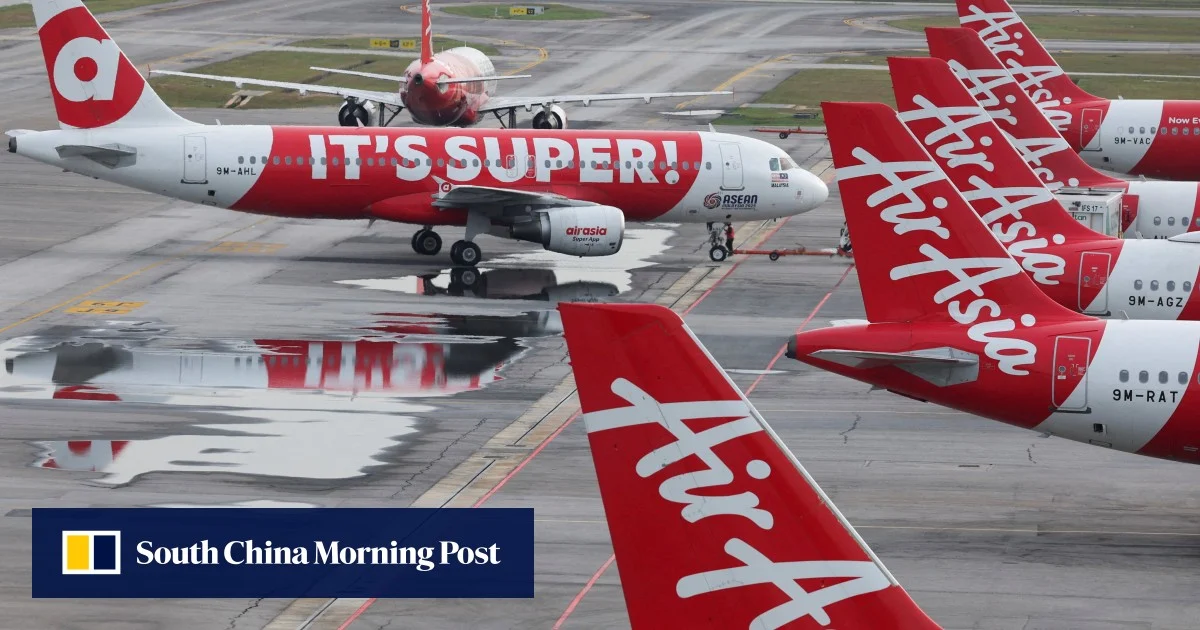
Asian travellers could see some relief from high air fares in the coming weeks as jet fuel prices ease after signs of cooling US-Iran tensions. But analysts predict cheaper tickets will emerge unevenly, with budget carriers likely to move faster than full-service airlines.More Asian low-cost carriers are expected to follow AirAsia Group’s lead after it announced fare reductions on Monday, although the response is likely to be gradual, according to experts.The reductions came after global jet fuel prices fell from a March peak of US$242 per barrel to around US$112 following the announcement of an interim US-Iran peace deal, stirring hopes that shipping traffic would gradually resume through the Strait of Hormuz, a key route for Asia’s oil imports.Aviation fuel, one of the costliest items for airlines, surged in the wake of the Iran war, forcing carriers to raise fares, impose fuel surcharges, suspend routes or trim capacity.The Malaysia-based budget airline had cut 10 per cent of its flight capacity and suspended underperforming routes because of soaring fuel costs but now expects to fully restore capacity by the end of August.AirAsia, Cathay Pacific and HK Express aircraft line the taxiways of Hong Kong International Airport in July 2024. Photo: May Tse“AirAsia’s move is a significant signal to the market, but I would expect the pricing response to be asymmetric and gradual rather than a broad industry-wide reset,” said Mayur Patel, regional commercial and industry affairs leader for Asia-Pacific, Middle East and Africa at OAG, a travel data and aviation analytics firm.
Asian airfares look set to fall as jet fuel prices ease on US-Iran deal
Budget carriers will lead the charge but the pace is likely to be gradual as airlines wait for more clarity on the Iran war, experts say.
251 words~1 min read