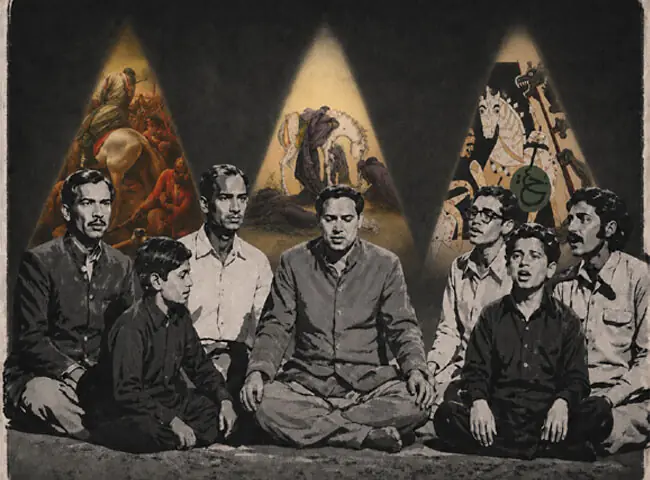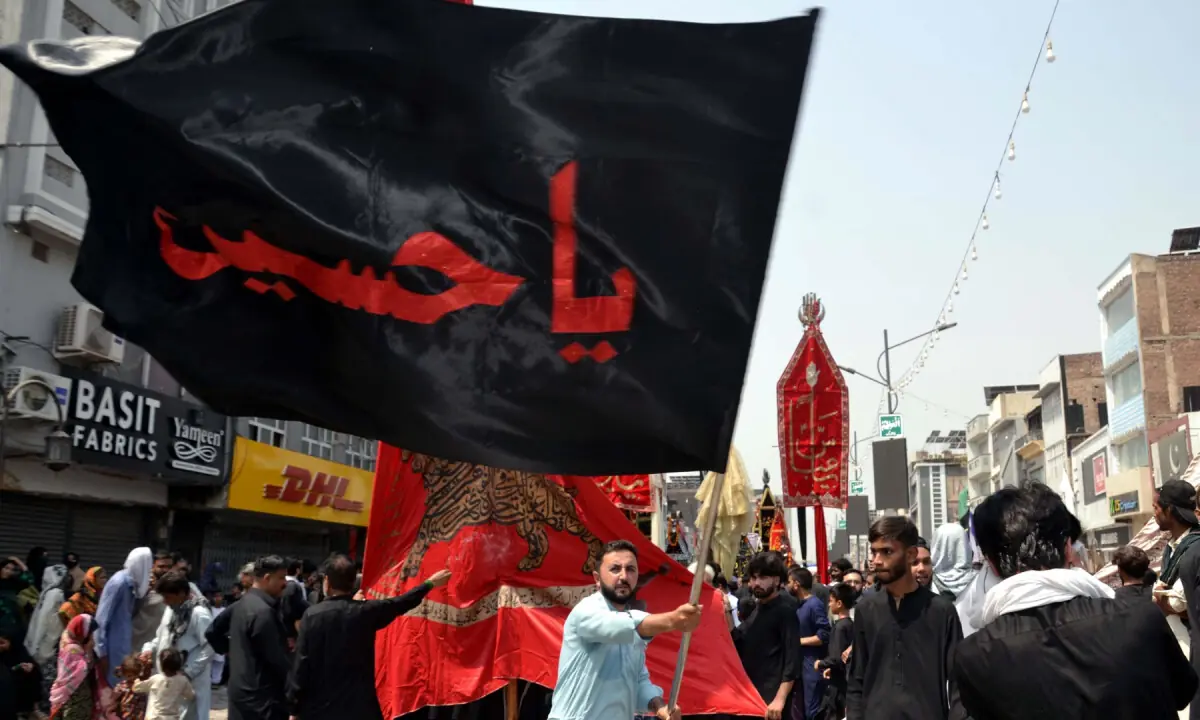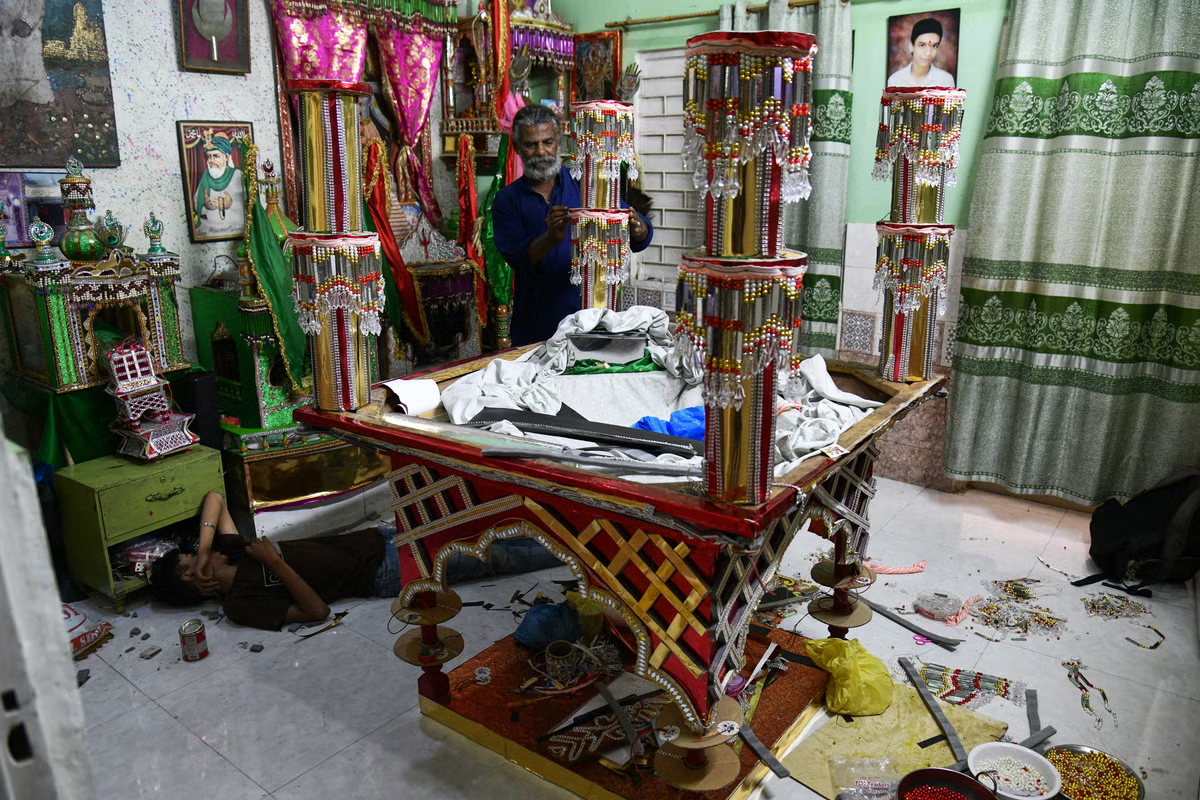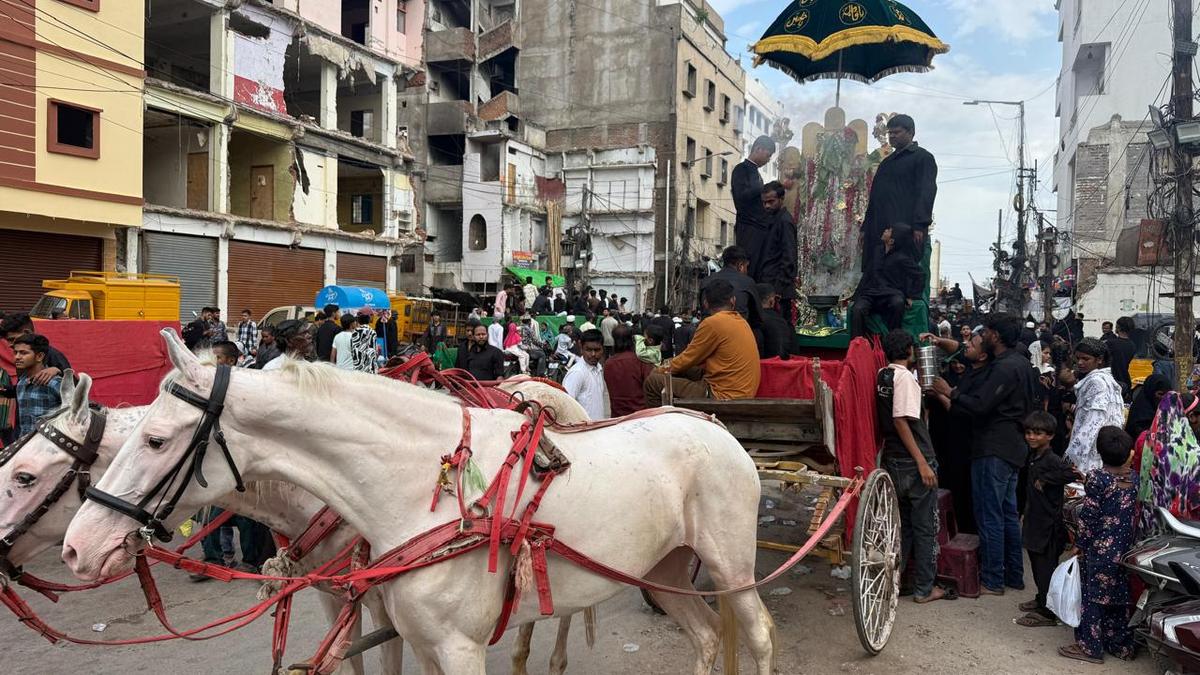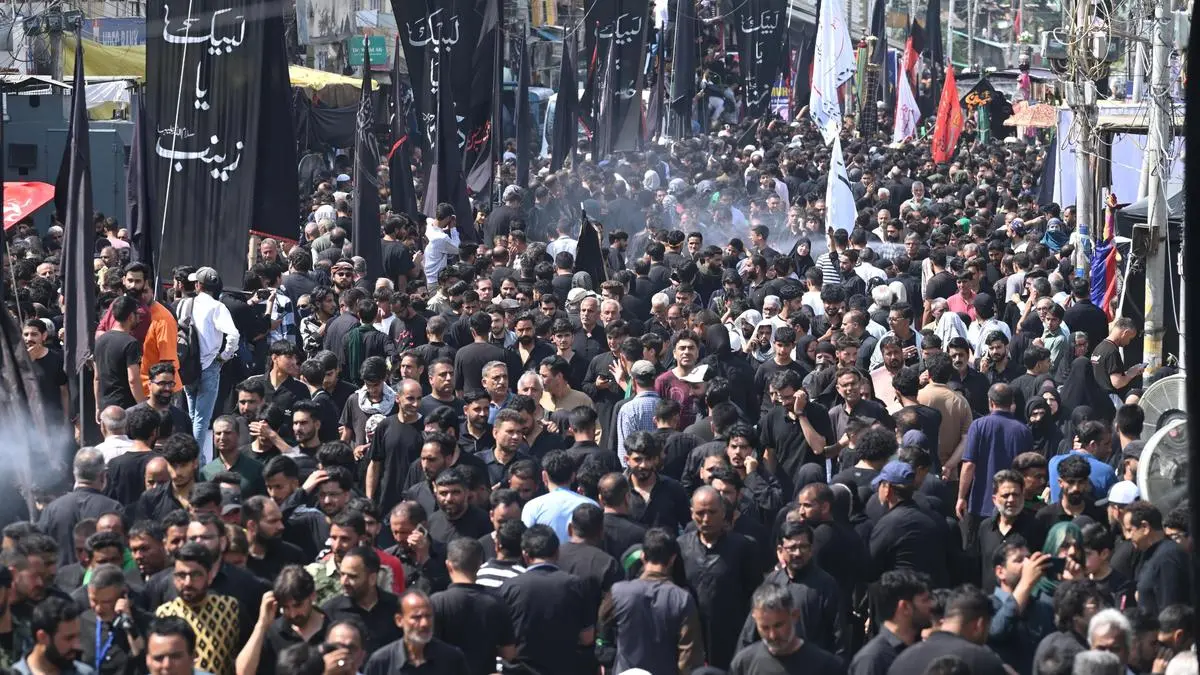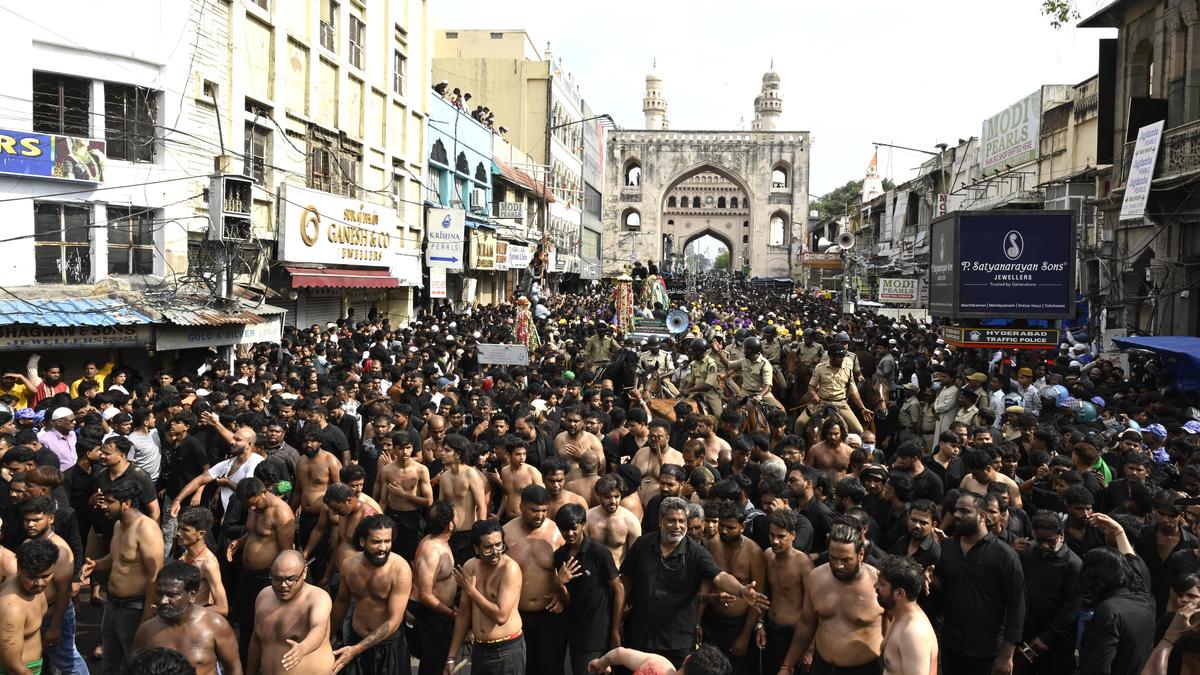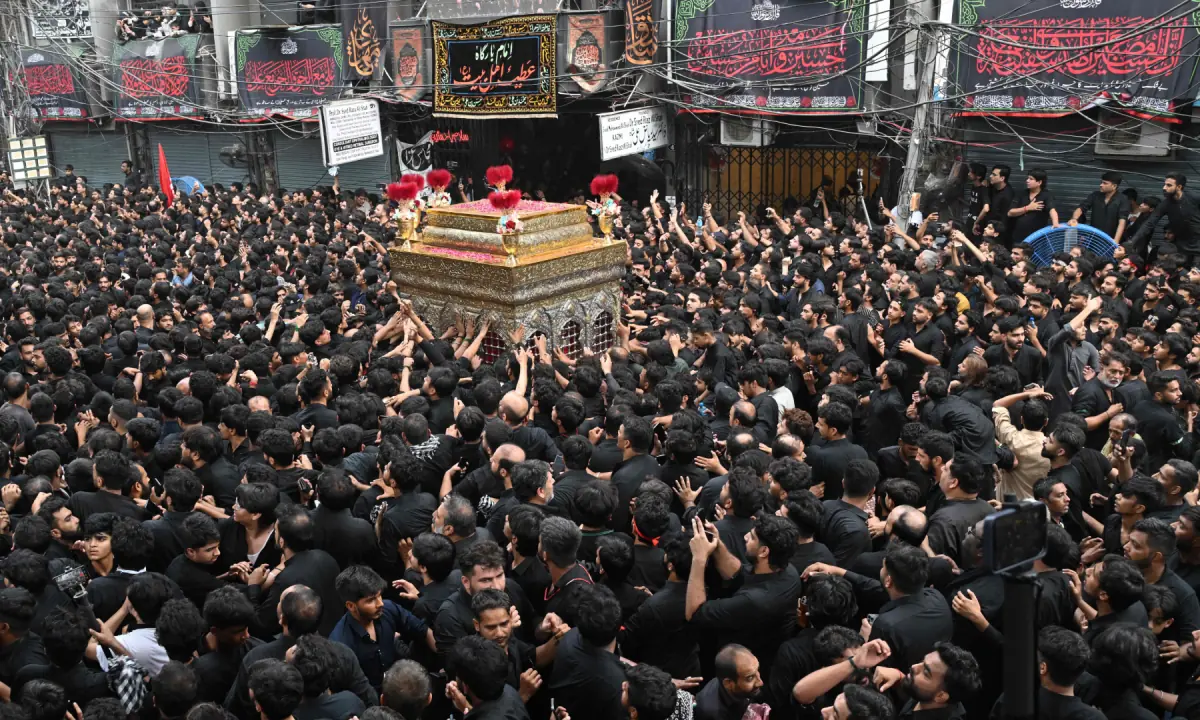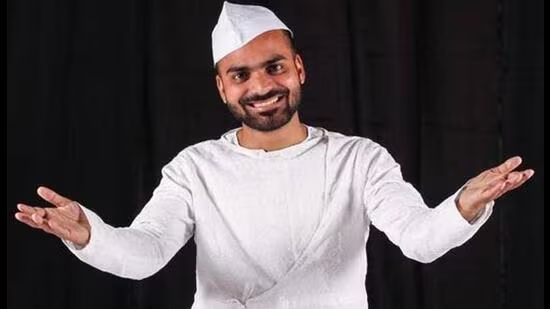
As dusk settles over Lucknow’s old neighbourhoods during Muharram, the sounds of marsia and majlis drift through narrow lanes lined with centuries-old Imambadas. In courtyards filled with remembrance of Karbala, people from different faiths sit side by side, listening to stories of sacrifice, justice and humanity. The scene, repeated year after year, reflects a tradition that has become inseparable from the city’s enduring tehzeeb, where shared grief, literature and cultural bonds often transcend religious identities.Dastango Himanshu Bajpai. (Sourced)In a city often celebrated for its tehzeeb (culture and refined social conduct), Muharram remains one of the most enduring examples of a shared heritage nurtured across generations. While the gatherings are rooted in the remembrance of Imam Hussain and the tragedy of Karbala, they have also evolved into spaces where poetry, storytelling and ethical reflection connect people beyond the boundaries of faith.The participation of Hindus in majlis (religious gatherings held in remembrance of Karbala) is not a recent phenomenon. Rather, it is a continuation of a tradition deeply woven into Lucknow’s social fabric. Through marsia (elegiac poetry on the tragedy of Karbala), sozkhwani (the recitation of mournful devotional verses) and dastangoi (the art of oral storytelling), generations of residents have found common ground in narratives that speak of courage, sacrifice, dignity and resistance to injustice.Among the contemporary voices carrying forward this tradition is poet Sanjay Mishra, better known by his pen name “Shauq.” Born into a Hindu Brahmin family, he has over the years become a familiar and respected presence in Muharram majlis gatherings not only in Lucknow but also in cities such as Jaunpur, Rampur and Hyderabad.For Mishra, his participation is not an exception but a reflection of the city he calls home. “For me, this is the essence of Lucknow’s cultural unity. The moral teachings across religions are fundamentally similar,” he said.Another prominent figure contributing to this shared cultural landscape is acclaimed Dastango Himanshu Bajpai. Known for reviving the traditional art of Dastangoi, Bajpai has become a familiar presence in Muharram gatherings across the city.His rendition of “Janabe Ali Akbar ka bayan” is particularly popular among majlis audiences. Through a seamless blend of Hindi and Urdu, he transforms historical episodes and emotional narratives of Karbala into engaging oral performances. “I hope my contribution will revive oral storytelling traditions while connecting audiences to the emotional narratives of Karbala in accessible Hindi-Urdu expression,” Bajpai said.The continuity of these traditions is also sustained by community organisers whose association with Muharram spans generations. Among them is Ashu Jaiswal, a builder by profession, who has been conducting Muharram majlis gatherings near Imambada Ladokhanam in Nakkhas on the 12th of Muharram for more than four decades. “These majlis are not new for us. They have been held in my family since my grandfather’s time,” he said.Beyond literature and tradition, many participants find in Karbala lessons that remain relevant in contemporary society. Bhuvan Bhaskar Srivastava, a physics professor at Shia College, is among those who regularly engage with majlis teachings despite having limited knowledge of Urdu.For him, language is secondary to the message. “The core message is humanity. It is about how to become a better human being,” he said.Noted Shia cleric Maulana Yasoob Abbas believes the participation of individuals from different communities reflects the living nature of Lucknow’s cultural traditions. Abbas noted that while majlis traditions were once largely associated with scholars from Iran, Iraq and established Shia clerical circles, the participation of Hindus today reflects the evolving yet continuous nature of Lucknow’s cultural landscape.Cultural commentator Prof Parvez Mallikzada sees this participation as part of a much older literary tradition. The values expressed through Karbala’s narratives, he said, resonate across communities because they speak to universal human concerns rather than sectarian identities.
Shared grief, shared heritage: How Lucknow’s Muharram reflects its tehzeeb
In a city often celebrated for its tehzeeb (culture and refined social conduct), Muharram remains one of the most enduring examples of a shared heritage nurtured across generations. While the gatherings are rooted in the remembrance of Imam Hussain and the tragedy of Karbala, they have also evolved into spaces where poetry, storytelling and ethical reflection connect people beyond the boundaries of faith.
616 words~3 min read