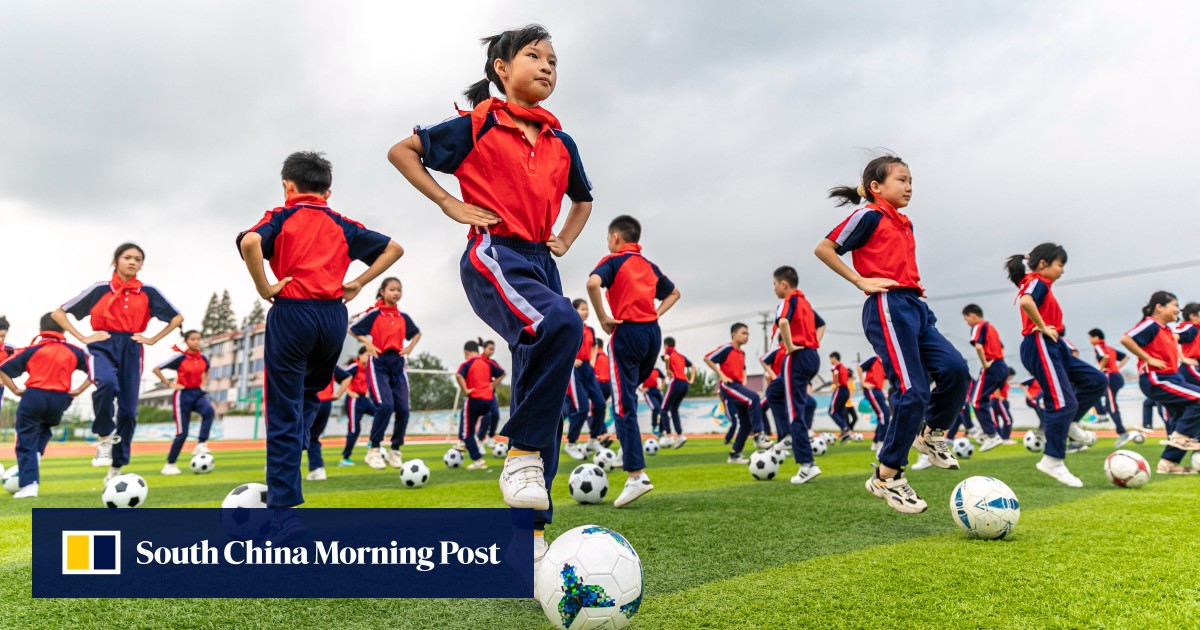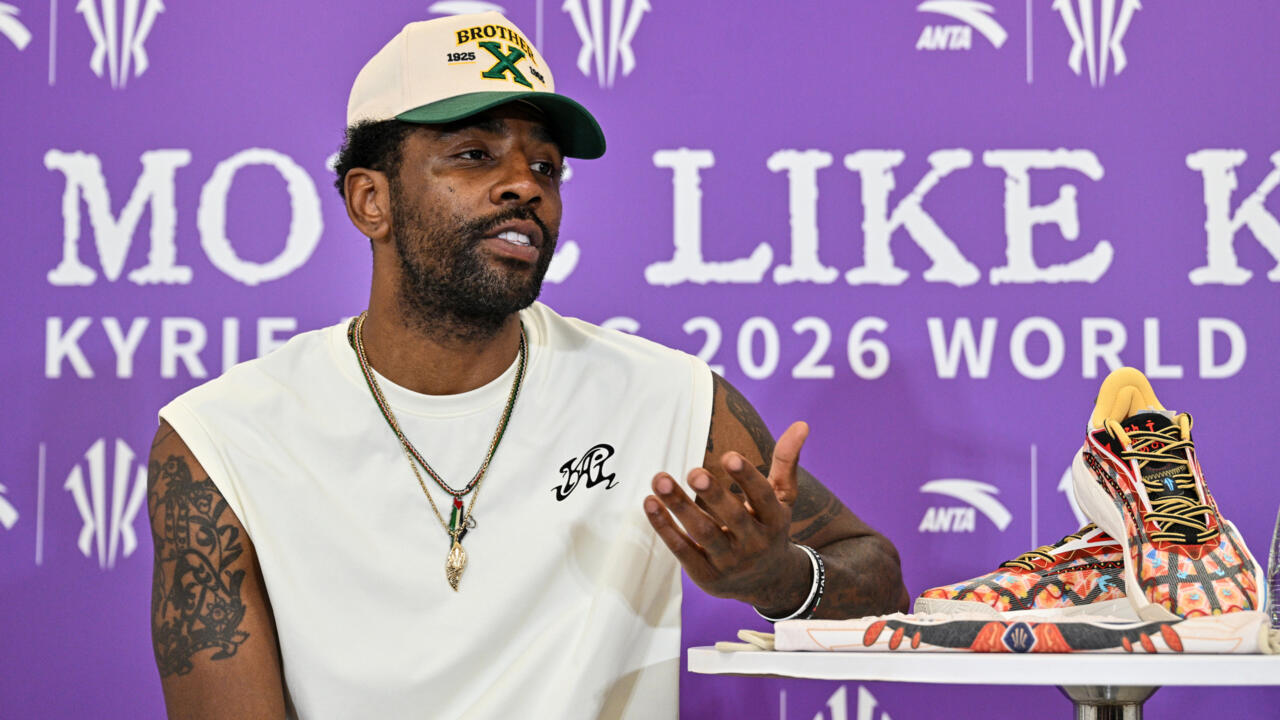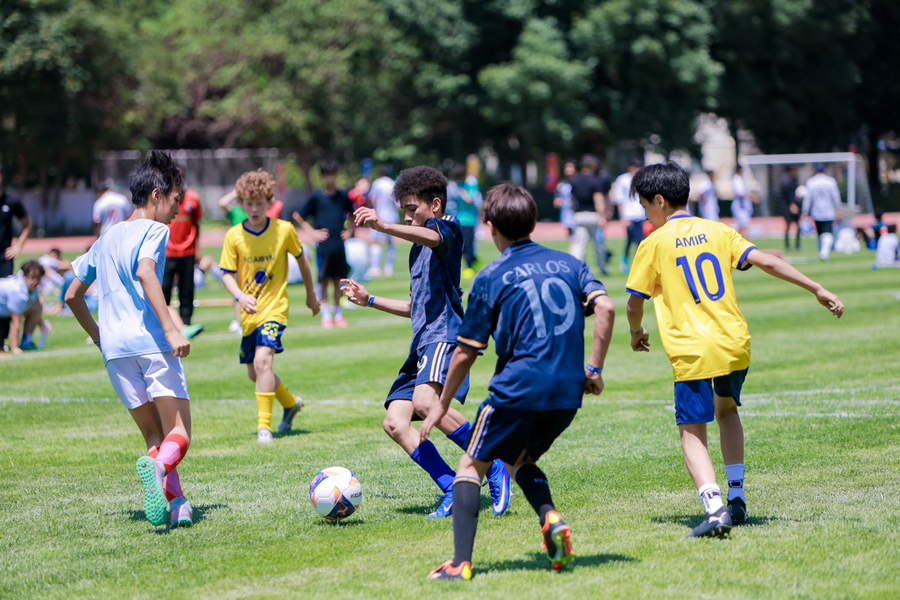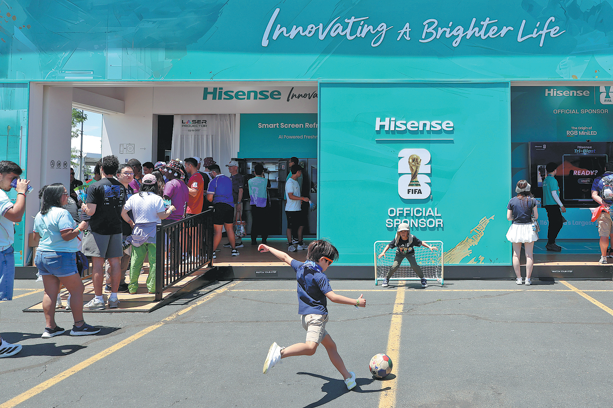
China’s sports industry generated roughly 3.7 trillion yuan (US$547 billion) in economic output in 2023, according to EMW Global. Spurred by a massive consumer desire for active experiences, sport has evolved into one of the most powerful brand engagement tools in the market.For younger Chinese consumers, fitness and outdoor pursuits are now inextricably tied to lifestyle and identity. This marks a decisive break from the past decade, when sport was largely spectated rather than lived – forcing brands to rethink their approach entirely.“Brands are simply following the consumer – and the consumer has made sport and exercise a part of their daily life in a way that wasn’t true five or 10 years ago,” says Jack Porteous, commercial director at Tong Global, a marketing agency specialising in connecting global brands with Chinese audiences.Traditionally limited to sponsorships and logo placement, sports marketing now focuses on becoming part of the experiences and communities that consumers actively choose. Experiential events, creator partnerships, social media campaigns and fan activations – interactive experiences designed to deepen participation – are now central to marketing strategies. Rather than advertising alongside sport, brands are embedding themselves within sports culture.NBA star Giannis Antetokounmpo with fans at Southorn Stadium in June as part of The Antetokounmpo Brothers Hong Kong Tour. Photo: Elson LiNike’s After Dark Tour in Shanghai is an example. The April edition of the women’s running event quickly sold out, demonstrating that today participation can build stronger consumer relationships than sponsorship alone. Beyond grass roots participation, the prestige of major competitive events has skyrocketed.
Sports marketing ditches billboards for culture
From NBA x K-pop collaborations to interactive experiences, brands are moving past simple sponsorships to embed themselves in sports culture.
256 words~1 min read