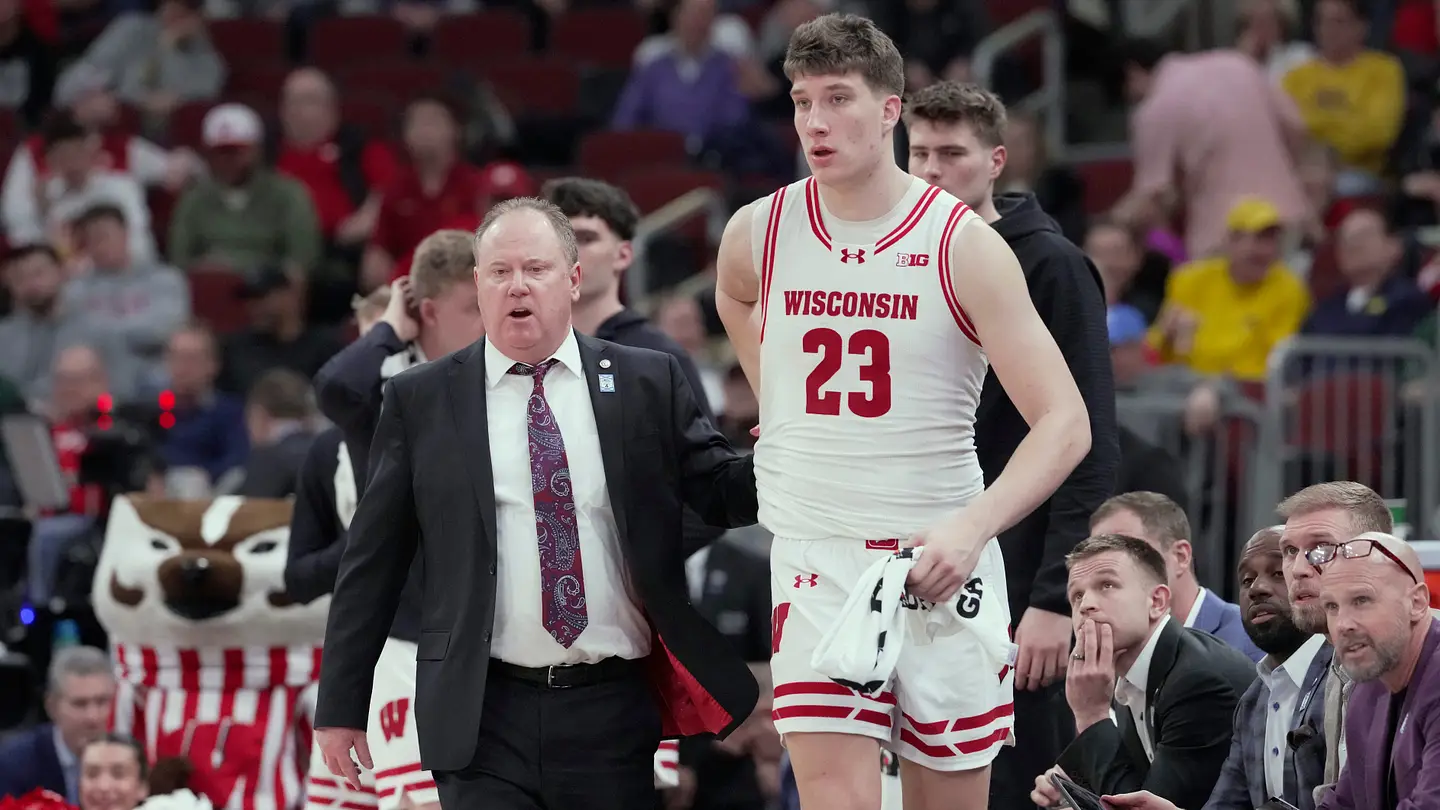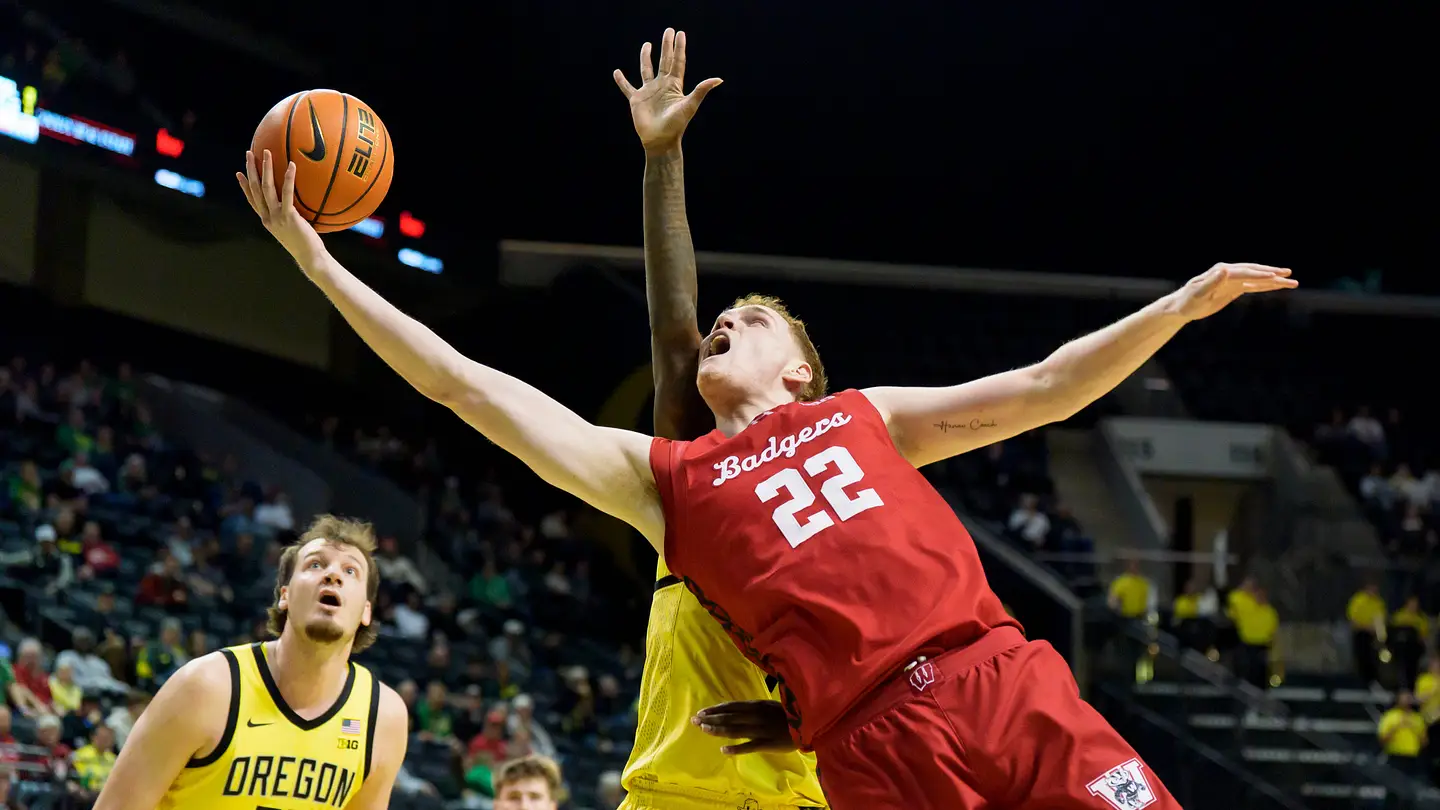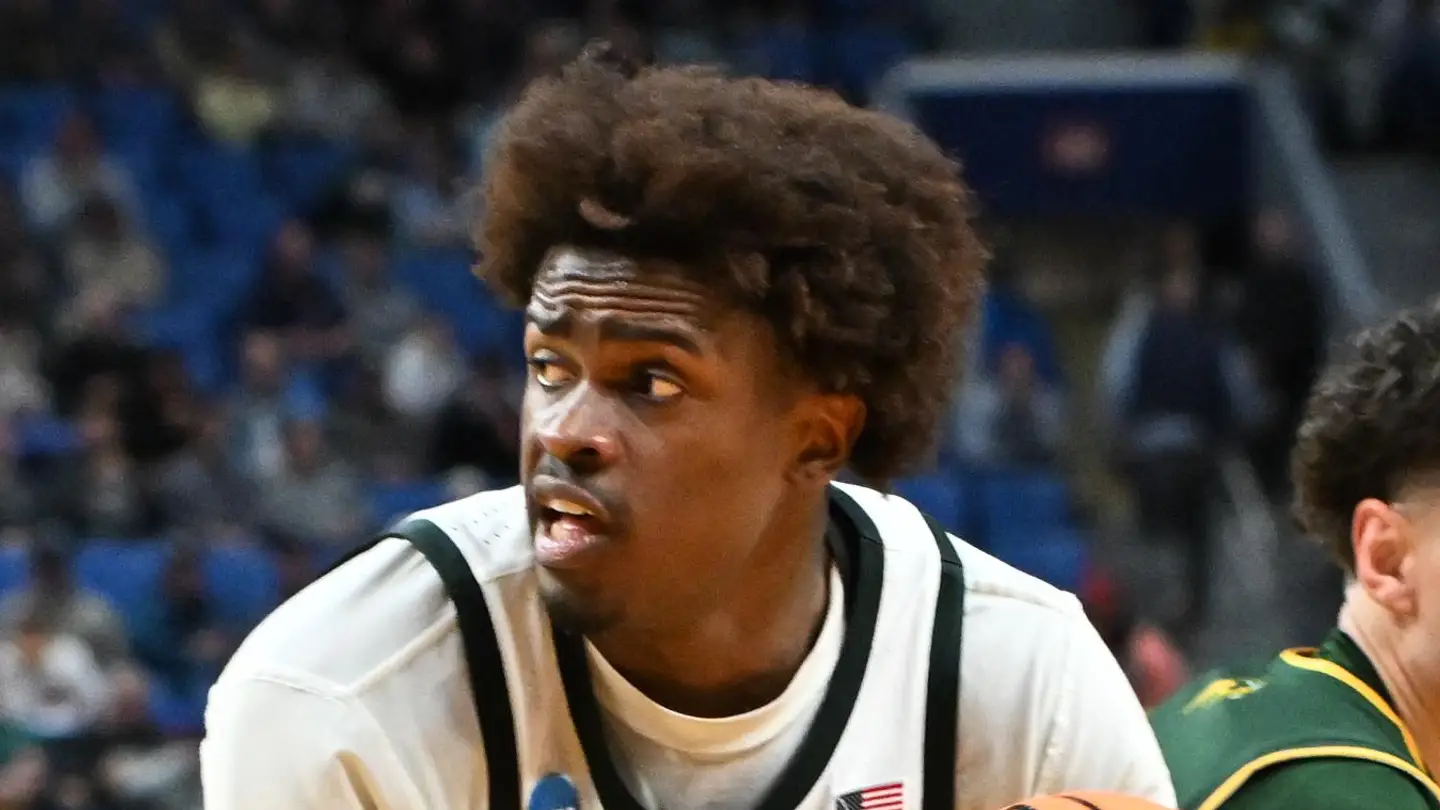
Many of Wisconsin's top football and basketball stars are suddenly primed for an extra year in Madison. In a seismic, landmark ruling Tuesday afternoon, the Division-I cabinet unanimously voted to approve the age-based eligibility model, which states that athletes have five years to play five seasons in their sport. The Division I Cabinet has unanimously voted to approve the age-based eligibility model. Additional details to follow. The Cabinet’s decision is not final until its meeting concludes Wednesday.— NCAA News (@NCAA_PR) June 23, 2026It's a big shift from the old model, which essentially gave athletes four seasons of competition across five years. Current college athletes are allowed to choose the old rules or the new rules in terms of eligibility, whichever is more beneficial to them. Under the new model, an athlete's five year eligibility clock now begins at either their full-time enrollment in college or the academic year following their 19th birthday, whichever comes first. The major takeaway is this: athletes now have five years of eligibility regardless of injuries or redshirts, the latter of which essentially looks like a thing of the past. Players will get five full seasons when many used to only get four, but the catch is there's no wiggle room — whatever happens in those five seasons happens, and then your eligibility is exhausted. Let's take a look at how this could affect some of the top stars on Wisconsin's football and basketball programs:Wisconsin Basketball Eligibility UpdatesWisconsin forward Nolan Winter. | Mark Hoffman/Milwaukee Journal Sentinel / USA TODAY NETWORK via Imagn ImagesIt's hard to imagine this ruling didn't elicit some cheers from within the offices of the Kohl Center. Almost every Wisconsin basketball player just got an additional season of eligibility. Of course, it's up to them if they choose to use it and/or spend it in Madison, but the Badgers' senior class essentially just became, for all intents and purposes, juniors again. Rising seniors who've played three full years (Nolan Winter, Eian Elmer, Trey Autry and potentially Victory Onuetu, although his status is less clear) now have two more seasons to compete. Considering that's three projected starters and a critical bench forward, that's absolutely enormous for Wisconsin. It also means rising junior such as Austin Rapp and Jack Janicki have three years of eligibility remaining, while rising sophomores Hayden Jones, Zach Kinziger and Will Garlock have four years more years. The main and immediate takeaway is that if players want to stick around in Madison and the Badgers can retain them, the 2027-28 squad just got a whole lot more dangerous. Wisconsin Football Eligibility Updates Former Iowa State Cyclones running back Abu Sama. | Ron Chenoy-Imagn ImagesNo, Old Dominion transfer Colton Joseph doesn't get an extra year of eligibility — he still has two seasons remaining. But plenty of other big time players just got granted another season in Madison should they elect to stick around. A handful of projected starters who were set to be on their final season of eligibility including tailback Abu Sama, tight end Jacob Harris, left tackle PJ Wilkins and safety Marvin Burks Jr. now have two years to play with. Others, such as wideout Jaylon Domingeaux and defensive tackle Junior Poyser, are now potentially no longer one-year rentals as well. Several juniors, who were set to have two more years, now have three, including tailback Darrion Dupree and defensive lineman Dillan Johnson. The ruling feels slightly less impactful for football, as more players have taken a redshirt and thus exhausted a year of eligibility already. Nonetheless, the potential to have players like Sama, Harris and others on campus for another two seasons is massive for the Badgers. Add us as a preferred source on GoogleFollow
Nolan Winter, Abu Sama, More top Badgers Stars Just Got Another Year of Eligibility
The age-based eligibility ruling should grant most Badgers another year of eligibility.
617 words~3 min read