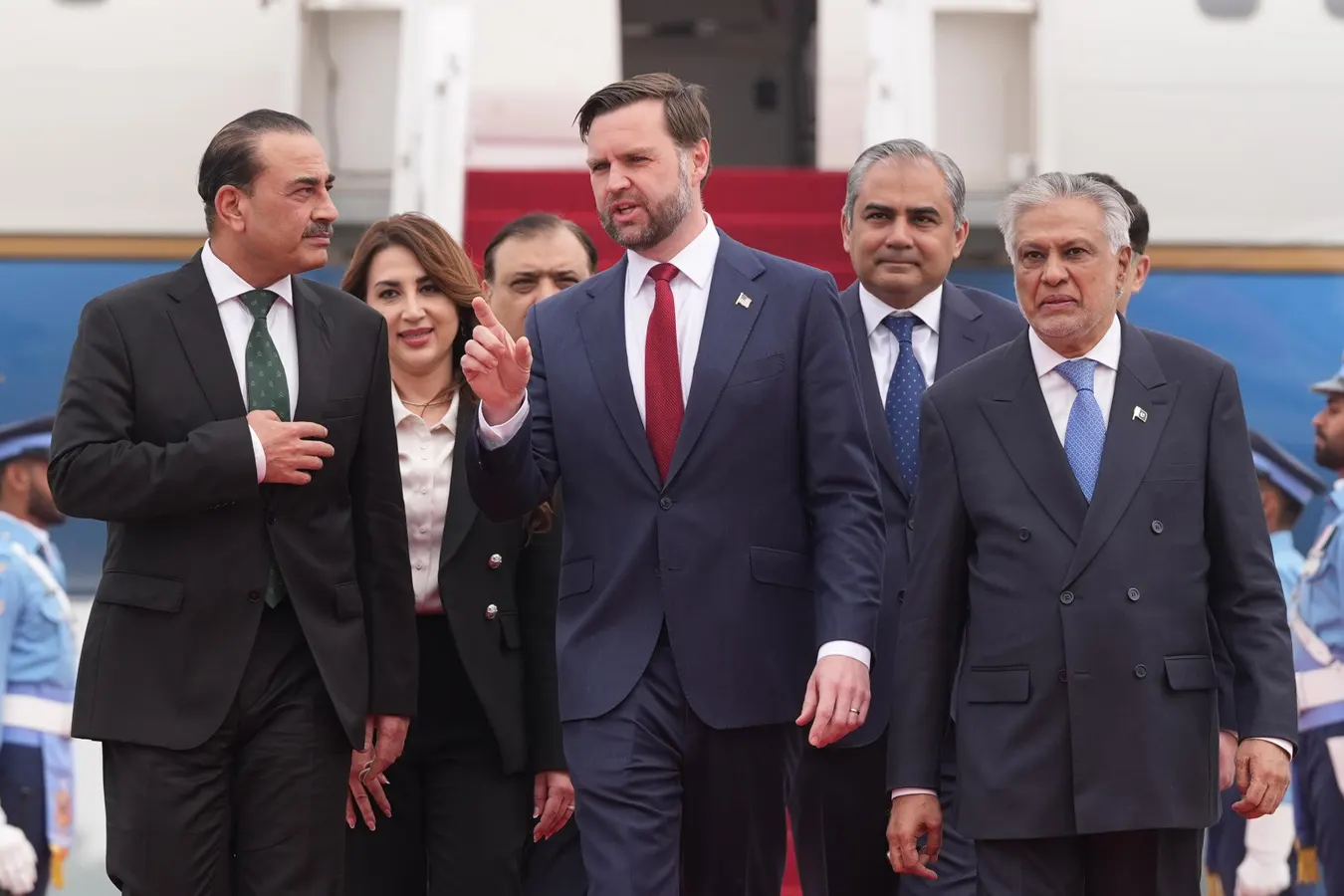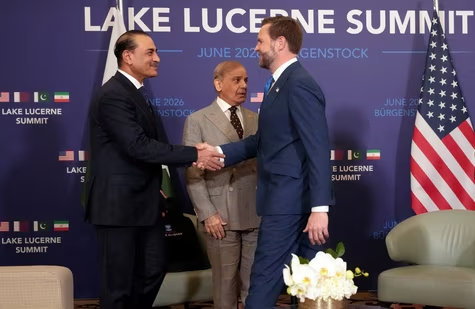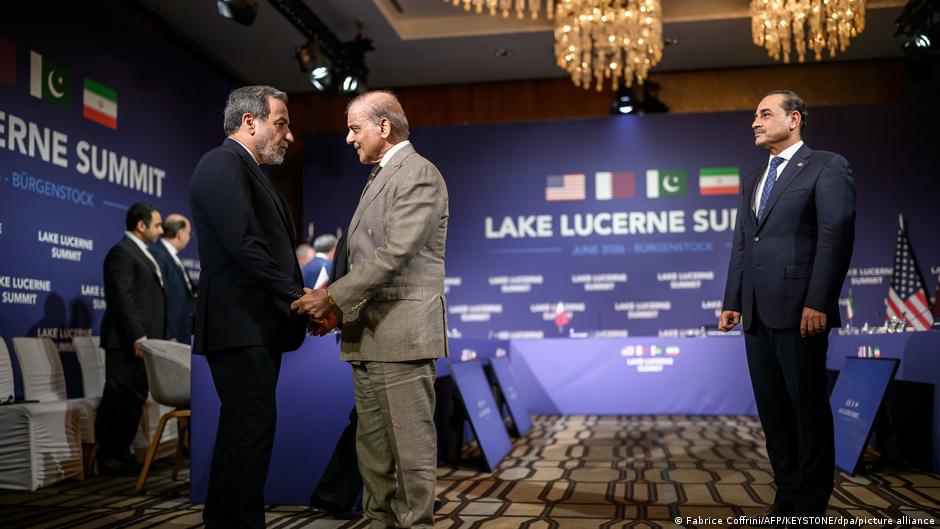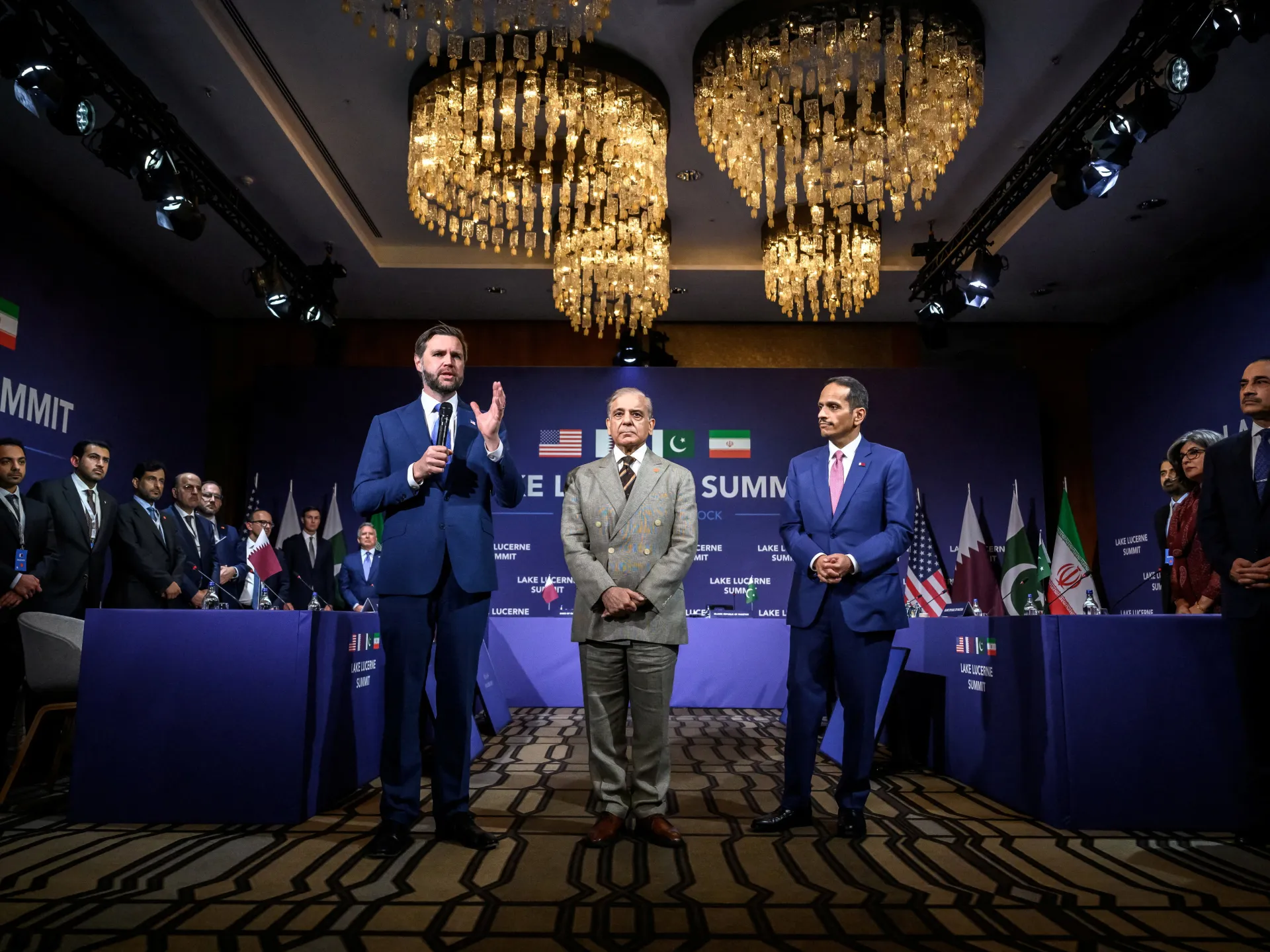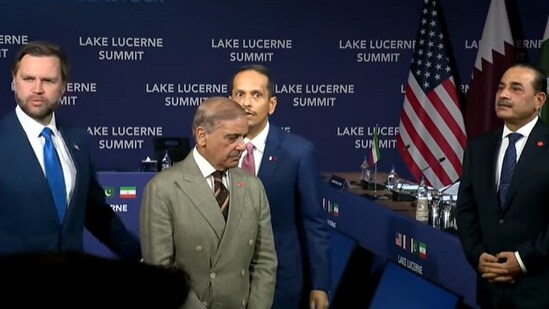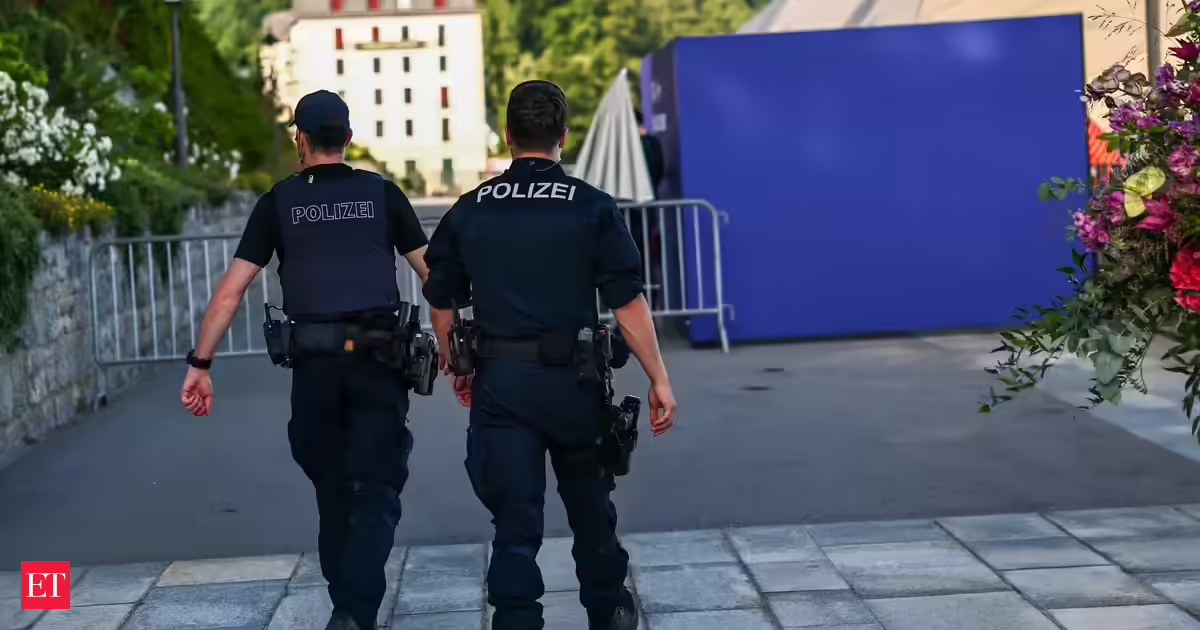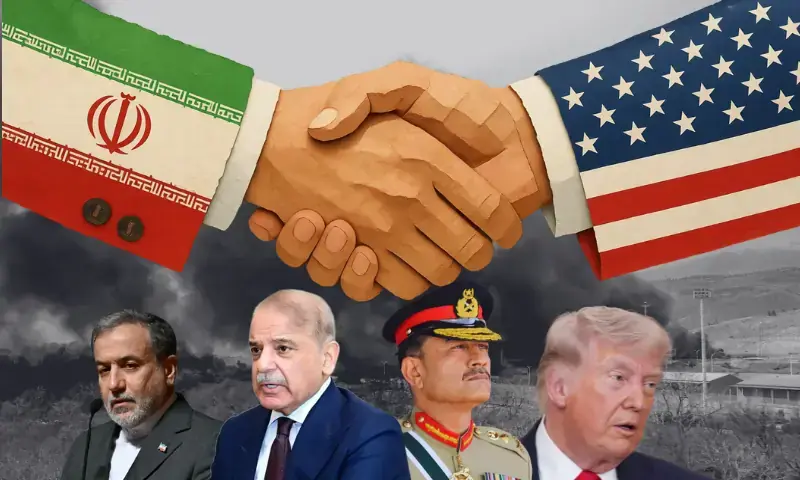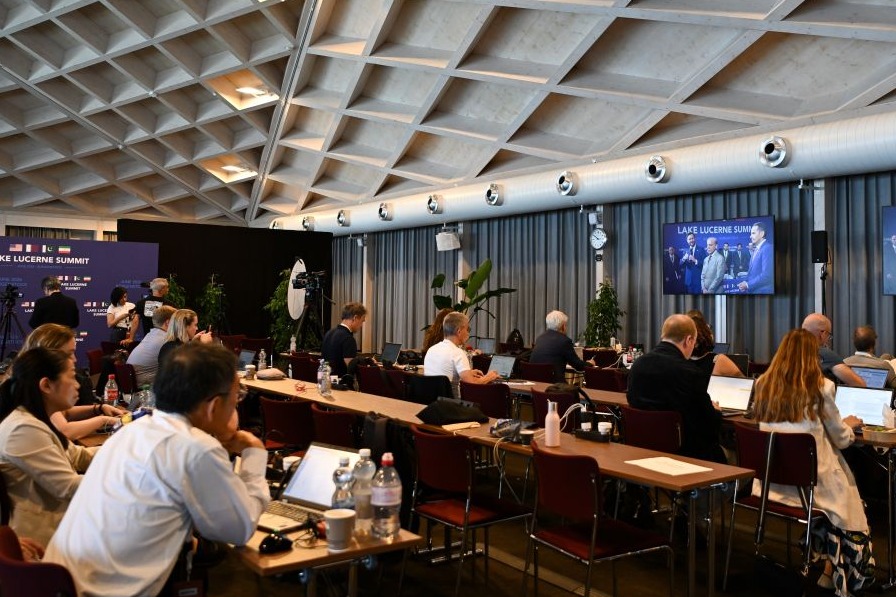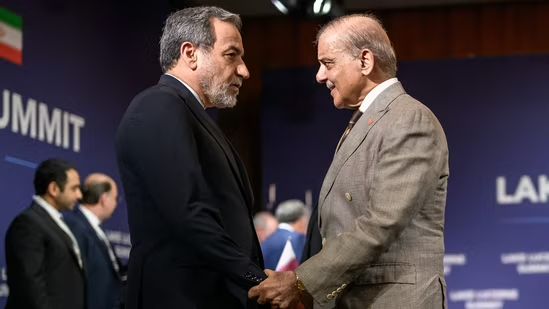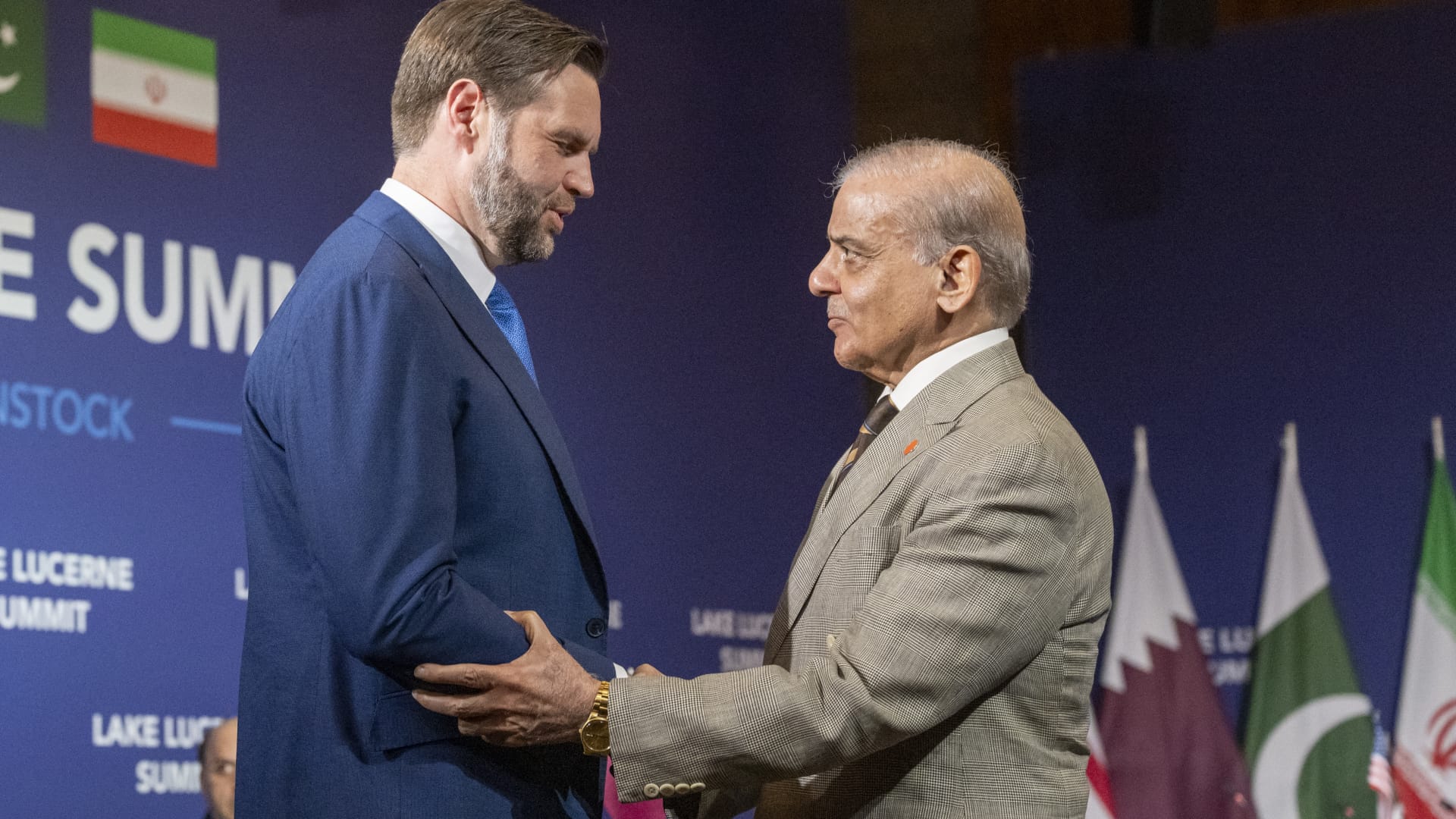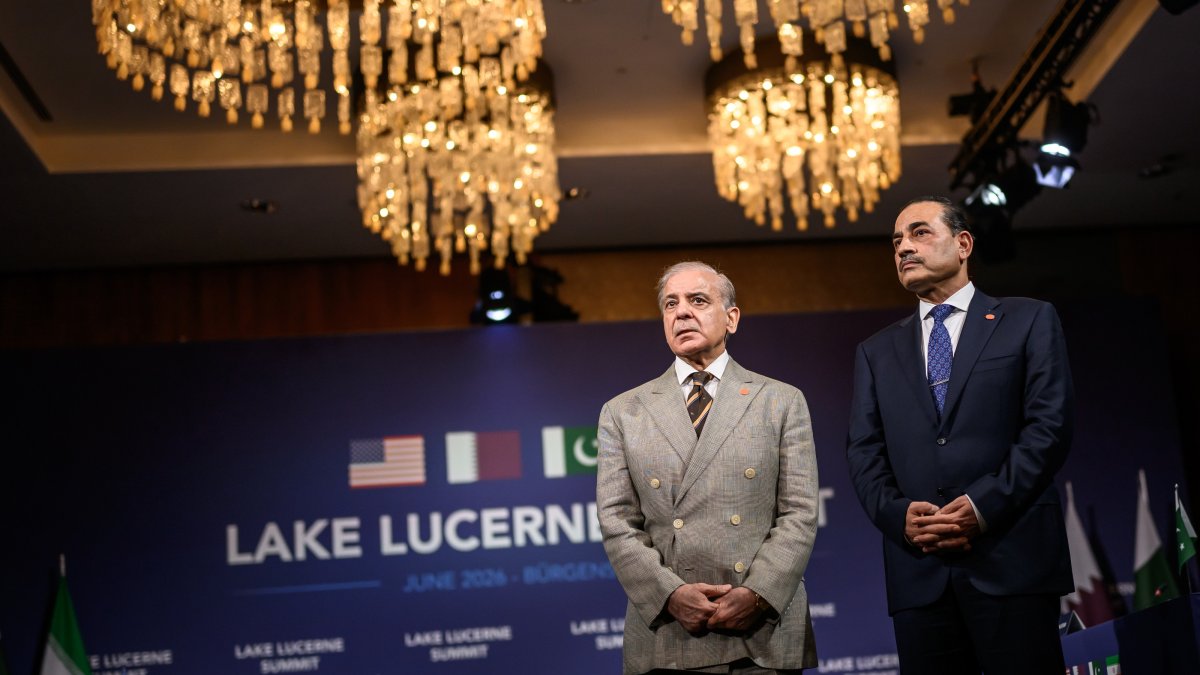
When U.S. Vice President JD Vance arrived in Switzerland this week for the highest-level direct American-Iranian engagement ever held on foreign soil, he paused before the cameras and confessed that few in Washington would have predicted a year ago.
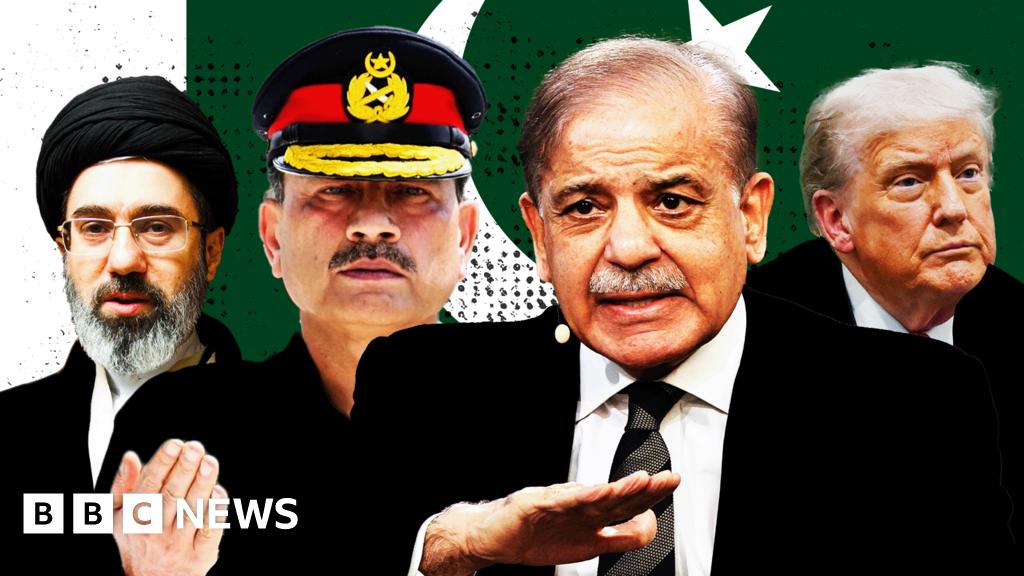
"I have joked that I have two very important people in my life," he told reporters at the Bürgenstock Resort overlooking Lake Lucerne. "An Indian and a Pakistani. The Indian is my wife, and the Pakistani is Field Marshal Munir." He added that he had "probably talked to Field Marshal Munir more than anyone else over the last few months."
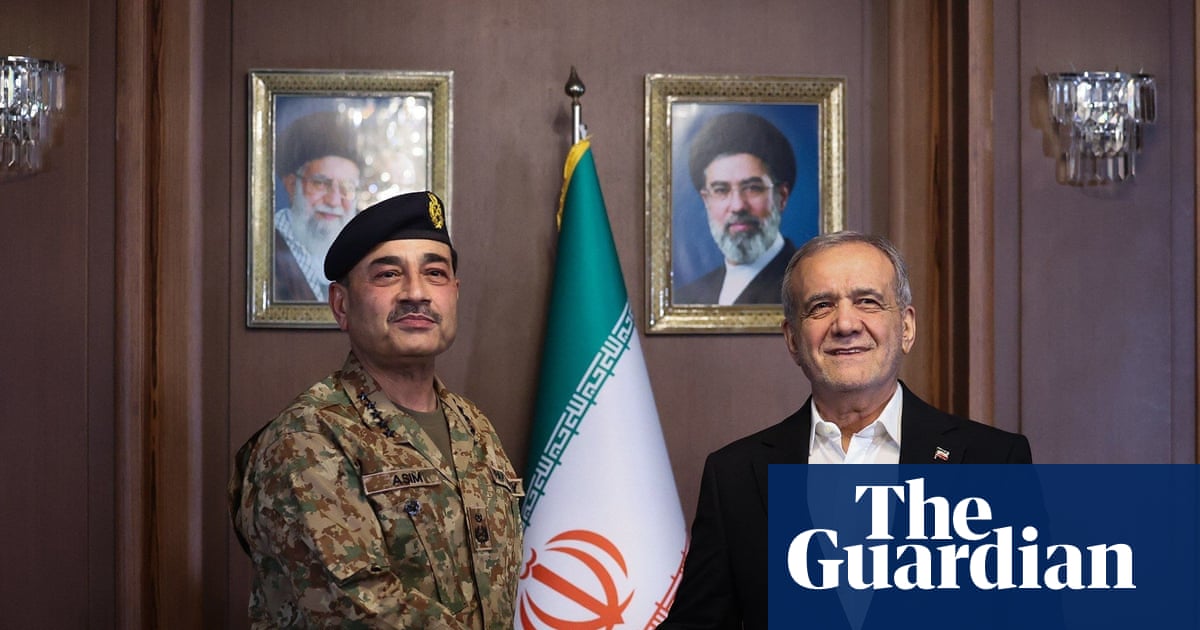
It was a remarkable tribute, and it told the story of how a conflict that began with assassinations and airstrikes has ended, for now, with a peace deal engineered almost entirely by a single Pakistani General, backed by the full weight of the nation he represented.
The memorandum of understanding (MoU) signed on June 17 by the U.S. and Iran extends the current cease-fire by 60 days, reopens the Strait of Hormuz, lifts the U.S. naval blockade on Iranian ports, delivers partial sanctions relief to Tehran and opens a dedicated nuclear negotiation track.
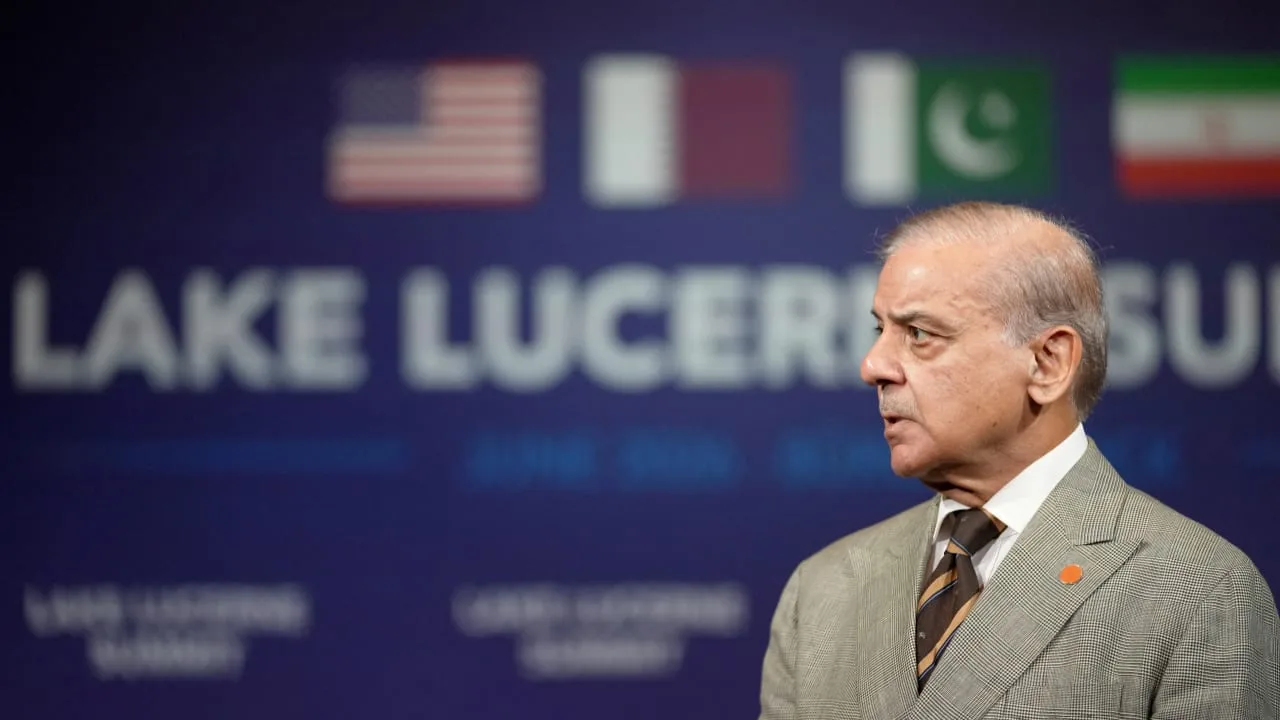
Mediators Pakistan and Qatar said both sides agreed to establish a high-level committee to provide political oversight, with negotiating groups focused on nuclear issues, sanctions and implementation. Pakistan's role was not incidental; it was structural. As the only country in the region that carried credibility with both Washington and Tehran, and that had no diplomatic baggage either side could object to, Pakistan was the table on which this deal was built. The war, for now, is over, and at the center of everything was Field Marshal Asim Munir.