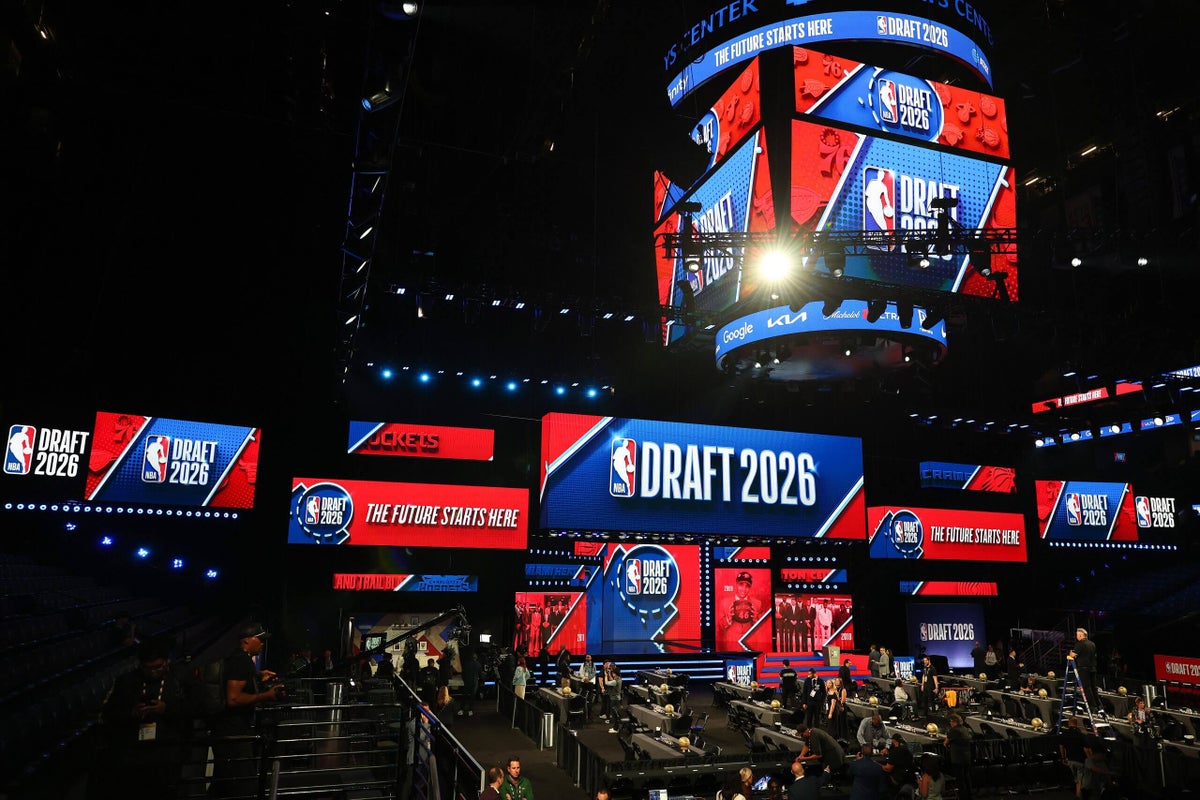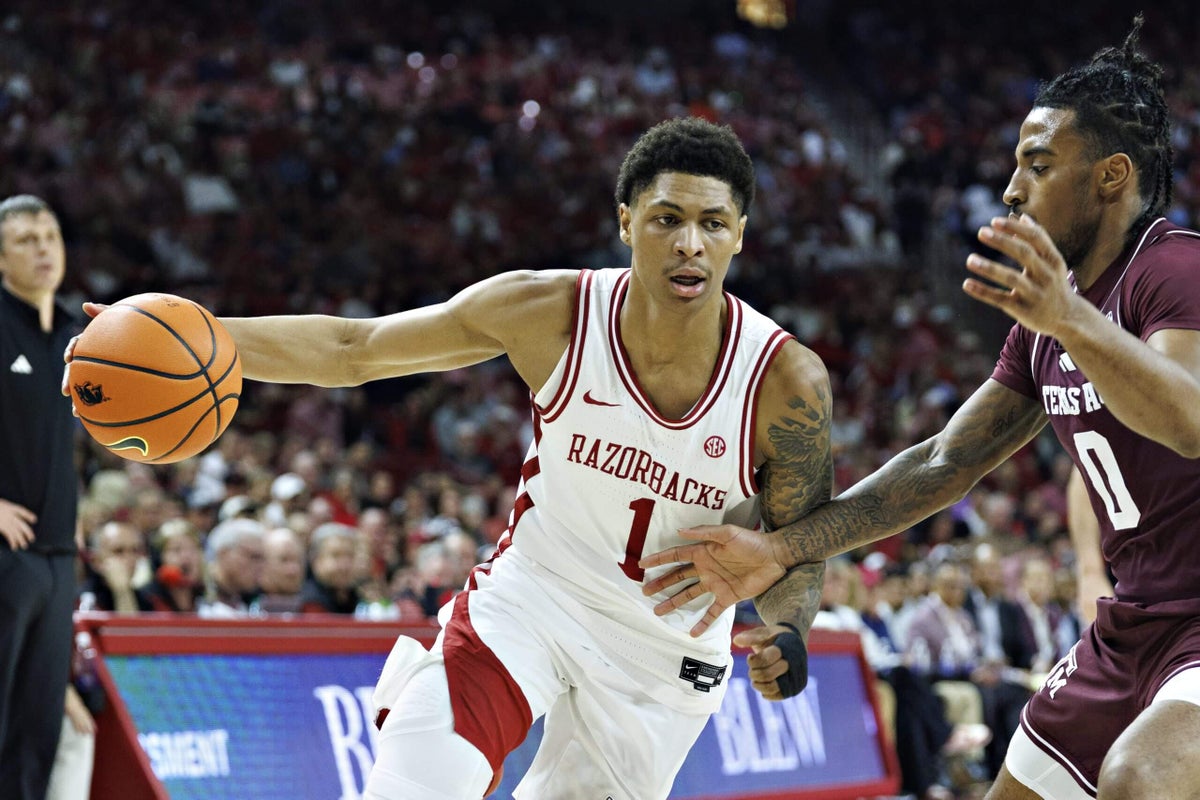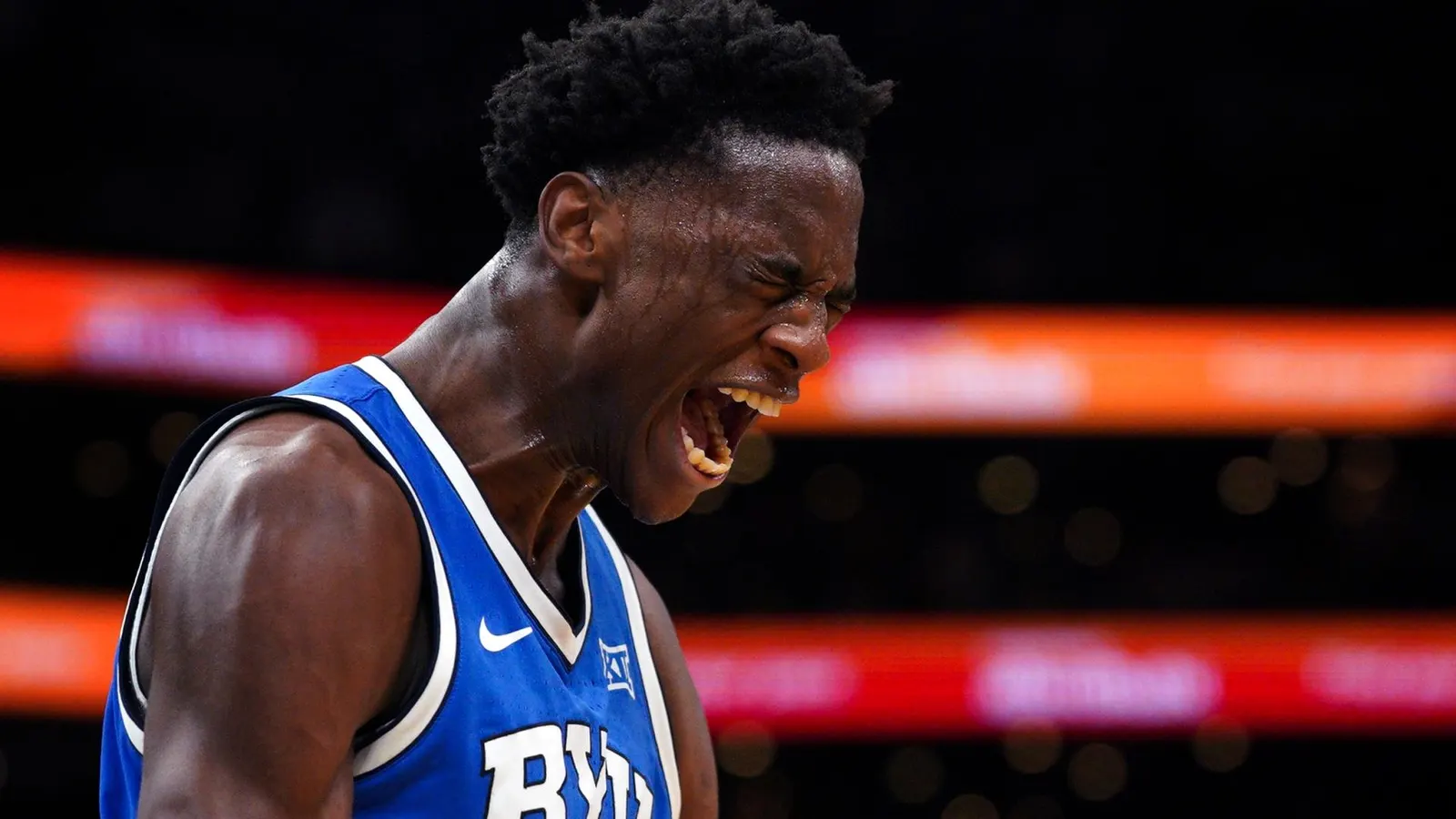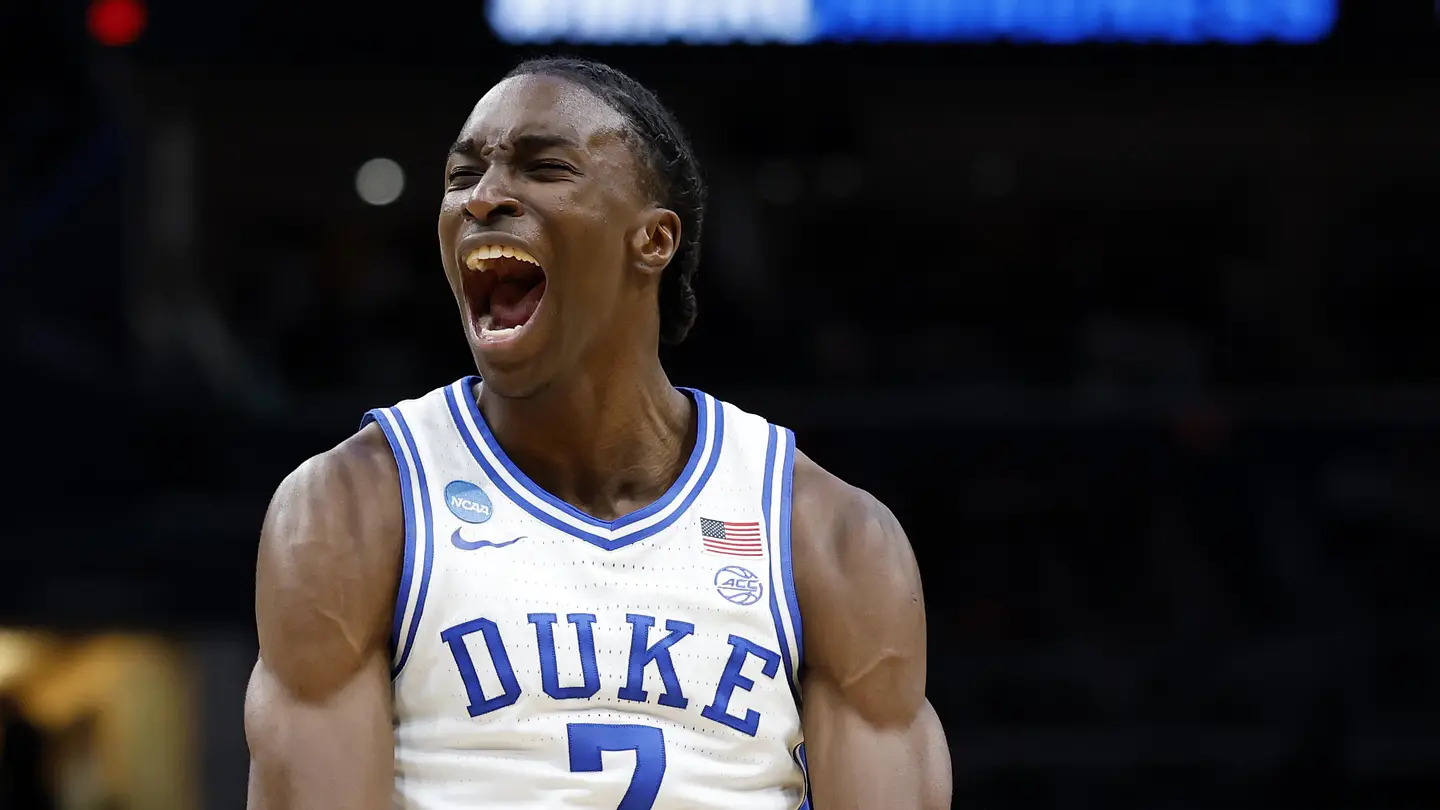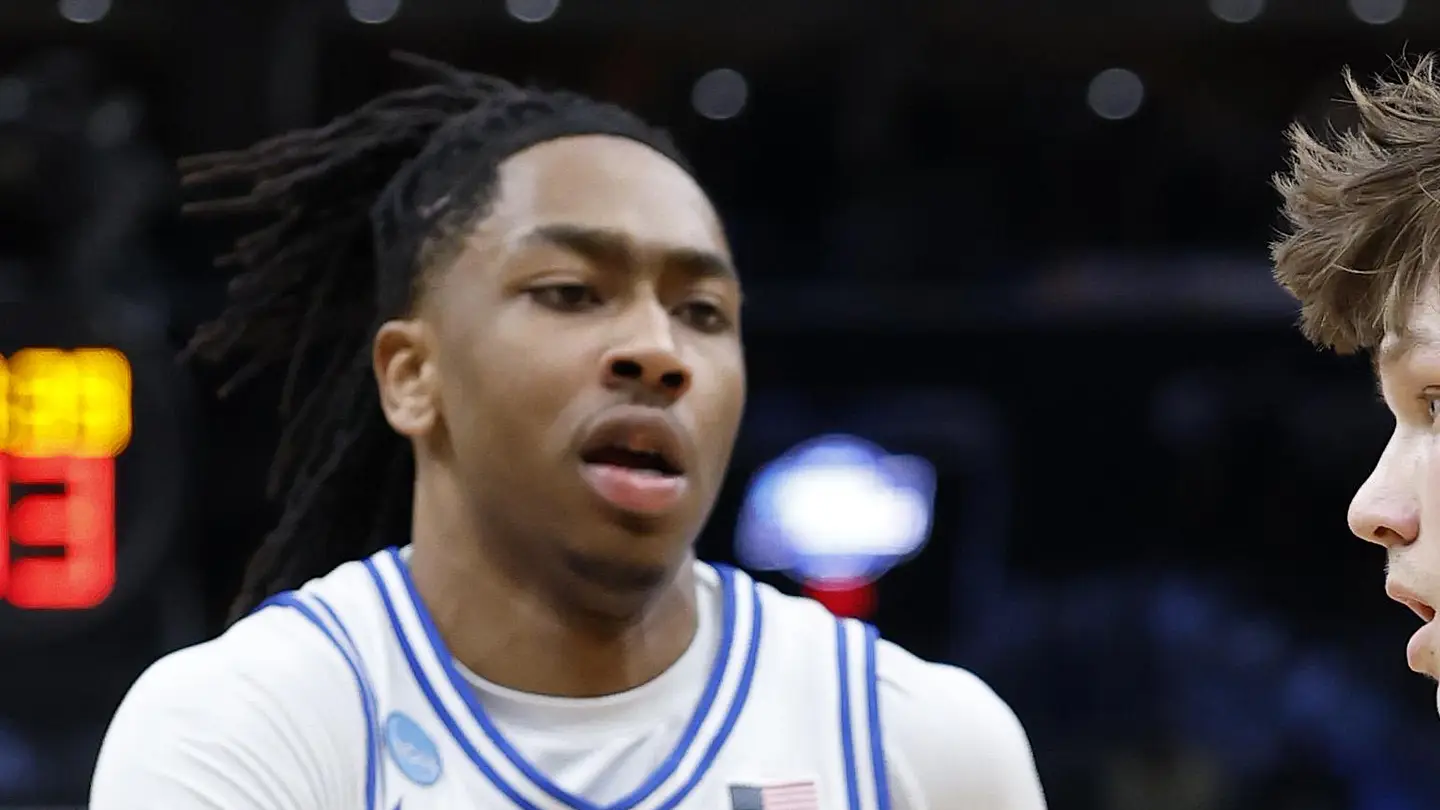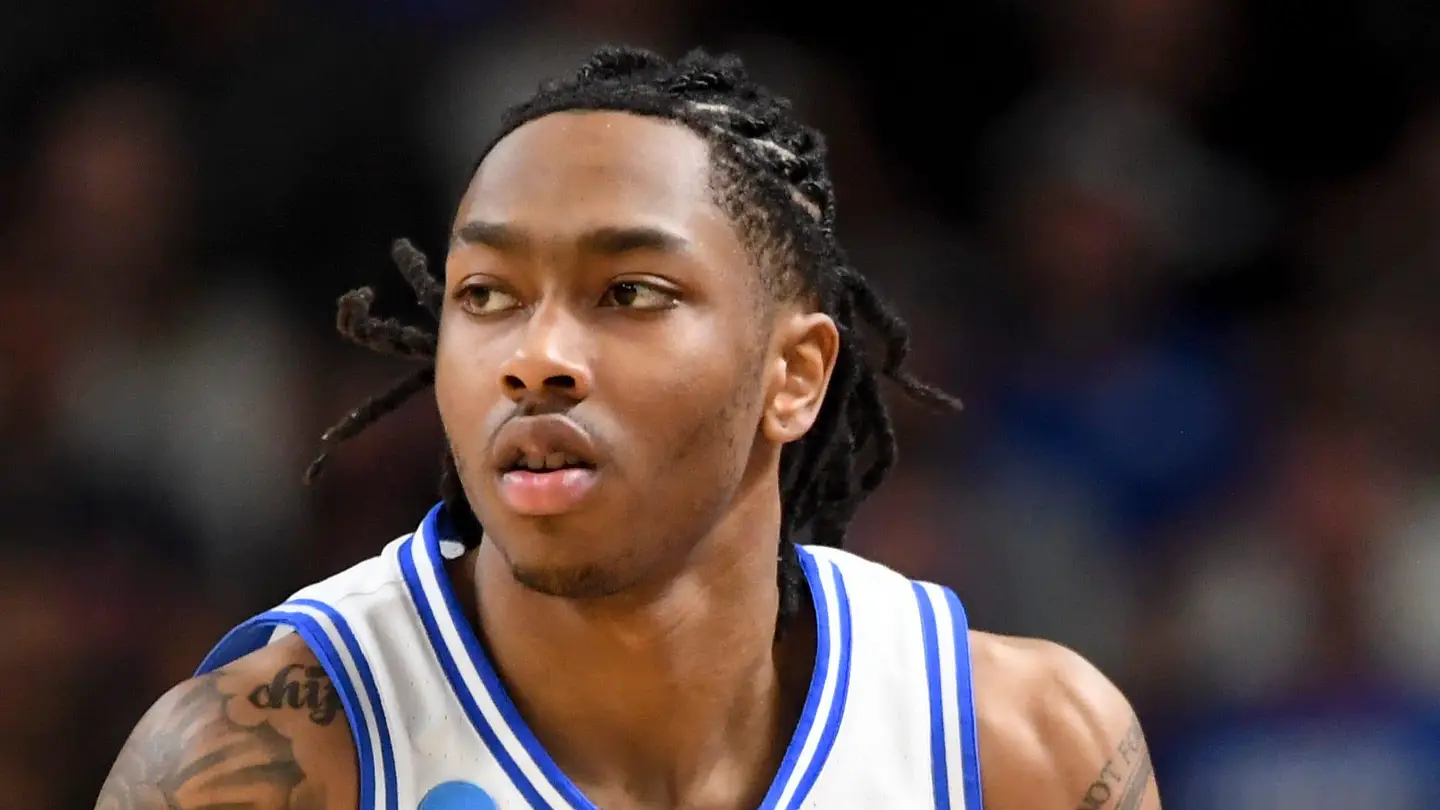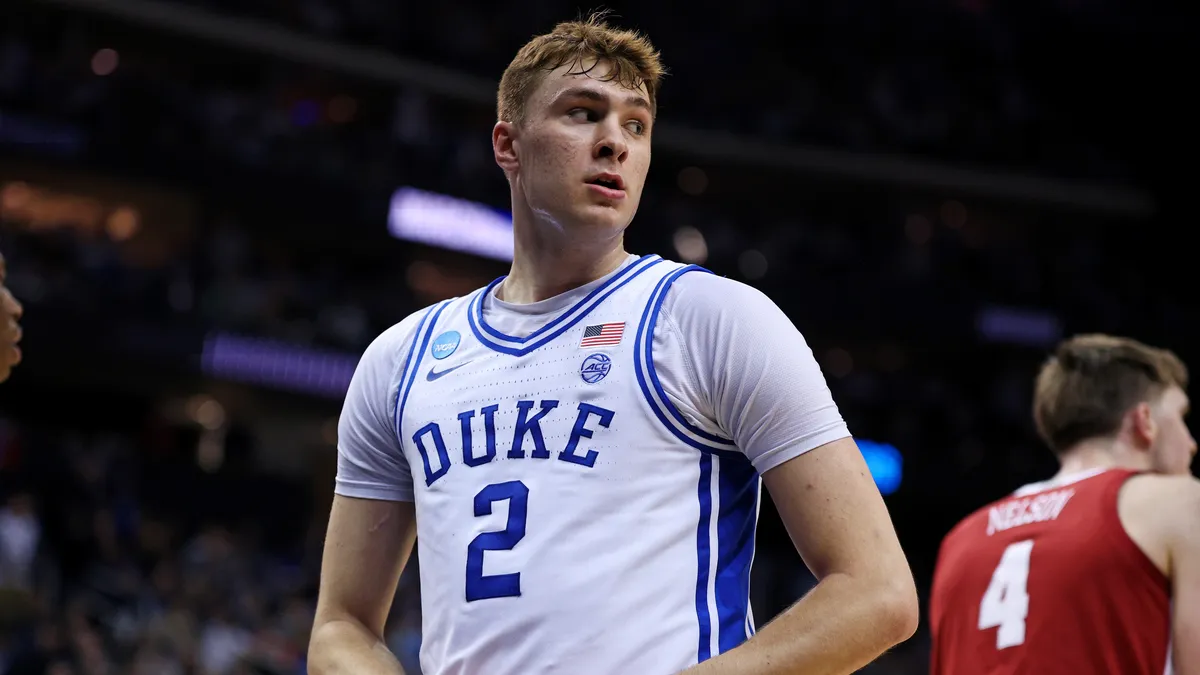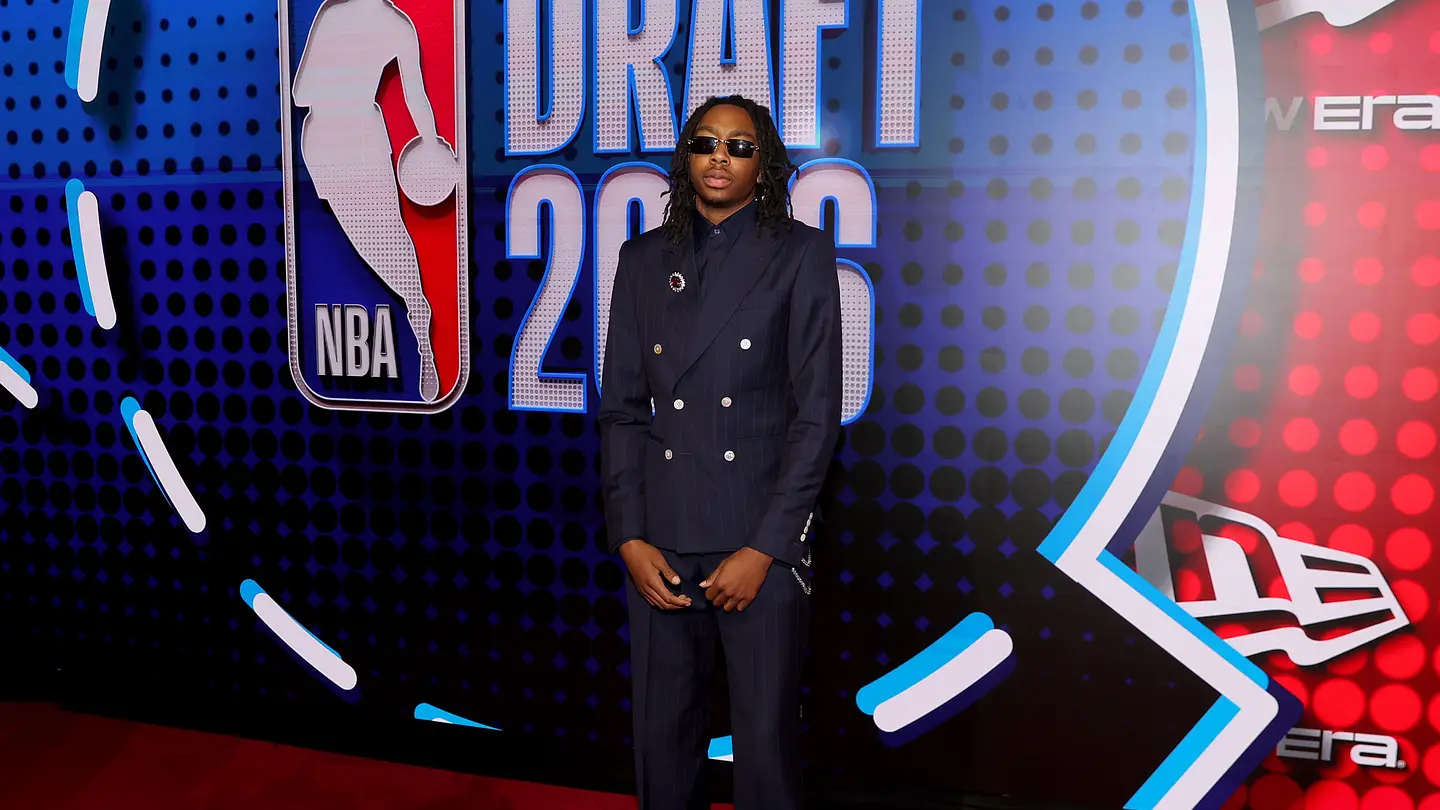
Isaiah Evans spent more than three hours waiting around the NBA draft green room—sunglasses on toward the end to help shield his emotion from the cameras, waiting for Adam Silver to call his name in the first round. The call never came.The former Duke star became one of three college players with eligibility remaining who missed out on being first round picks Tuesday night, along with North Carolina big Henri Veesaar and Arkansas guard Meleek Thomas. All three will likely be selected very early in the second round Wednesday, but that one-day delay in officially joining the NBA ranks can be costly: If they sign for the rookie minimum, as expected, they will make $1.36 million in their first season, rather than the nearly $3 million slotted for the last pick of the first round. Falling to the second also means less long-term security: First rounders get four-year deals with the first two years guaranteed, while second-rounders sometimes get shorter deals with fewer guarantees.It’s not for me, or anyone else for that matter, to say whether Evans, Veesaar or Thomas made the wrong decision to head to the NBA now. These are personal decisions, not decided on a spreadsheet. All three dreamed their whole lives of playing in the NBA, and all three will be draft picks in the coming hours. But from a financial standpoint, there’s little doubt all three guys, and even some late first-rounders, left significant money on the table by going pro now instead of staying in college.Milan Momcilovic, who starred at Iowa State and would have likely been an early second-rounder, elected to head back to school and transfer to Kentucky. Next season he will make somewhere in the $6 million to $7 million range, more than No. 30 pick Koa Peat’s guaranteed money over the next two years. Tounde Yessoufou, a fringe first-rounder, got north of $5 million to play 2026-27 at St. John’s, according to sources around college basketball. Conservatively, there are somewhere around 40 college players slated to make at or above the $2.9 million Peat will get as the No. 30 pick this season… and it’s safe to say the three underclassmen who didn’t go in the first round could’ve gotten at least that much in college this season.It’s not a stretch to say that there will be college players that make enough money that they could retire from basketball with eight-figure net worths before playing an NBA game. That’s especially true now that players will have a fifth year of college earning potential thanks to the NCAA’s new age-based eligibility proposal. The NIL market may not keep exploding with 30%-50% increases in value every year, but it seems unlikely to contract substantially, either. Someone like Evans, with three more years of college, could’ve easily made $10 million to $15 million before entering the NBA.The financial case for leaving college earlier is getting to a potential second NBA contract sooner. College money can’t compete with the $125 million extension Christian Braun signed in Denver last October or the potential $30 million-plus Walker Kessler could command annually in free agency this summer. But chasing that is a major dice roll. From the 2022 draft, when Braun and Kessler were picked in the 20s, seven of the 11 players picked from 20–30 have been waived at least once and will be battling for roster spots next season now that their rookie contracts have come to completion.And the NBA’s aversion to drafting older players with first-round picks has faded (or if nothing else, the league’s collective hand has been forced by so many college stars lingering in school longer). Tuesday night, nine first-rounders had spent at least three seasons in college, including 23-year-olds Yaxel Lendeborg (Michigan) and Alex Karaban (UConn).Karaban is a good example of making the current landscape work for him. He had a predraft promise for a sizable guaranteed second-round contract had he stayed in the 2024 draft. Instead, he came back to school, made similar money with the Huskies as he would have in the NBA, got his jersey retired on Senior Day and snuck into the first round at No. 29 this year.I’m all for betting on yourself. All the guys we’re discussing here (Peat, Evans, Veesaar and Thomas) have already been college stars. All four played into at least the NCAA tournament second weekend in their careers. It’s not unreasonable to want to start chasing the new challenge, even if there’s risk at play.But the money to be had as a college superstar right now has gotten to the point where it’s really, really hard to walk away. This is generational wealth without the risk of getting cut as a 22-year-old. Evans could’ve returned to college, had a horrible shooting season, and still gotten a multimillion-dollar deal in 2027-28. Take Tahaad Pettiford, a fringe first-rounder in 2025 who went back to school for a massive payday. He shot less than 40% from the field as a sophomore, his team missed the NCAA tournament… and yet Pettiford is still in the $3 million-and-up club for 2026-27, according to multiple SEC sources. In an ideal world, Pettiford can rebuild his stock and at some point get drafted in the first round. But even if he doesn’t, and has to grind his way into the NBA as a later second-round pick or two-way guy, he’d be doing so in 2028 or 2029, with eight figures in career earnings. He’ll have made NBA-level money already, just with the checks coming from Auburn instead of Atlanta.You can think of a long college career in this current environment as an insurance policy on your career. Ideally, those extra college seasons make the prospect more physically and emotionally ready for their one shot at sticking in the NBA. But if a long NBA career is a 50/50 proposition (as the numbers say it is for players drafted in the 20–40 range), wouldn’t you rather take that change with millions already in the bank?Maybe Evans will make Tuesday’s snub an afterthought in an outstanding career. Take the case of Max Christie, another slender sharpshooter from the 2022 draft mentioned above. Christie later signed a $32 million extension and emerged as a starter this year in Dallas. No one should be surprised if Evans ends up on a similar trajectory. But a few picks before Christie in that draft was Caleb Houstan, who spent his fourth NBA season on a two-way deal with Atlanta. In four years as a pro, he has made about as much money as Momcilovic will make in one season at Kentucky. That seems pretty much impossible to pass up.So for all the college players who watched Tuesday night’s first round and might be in a similar position to Evans or Veesaar this time next year, a word of advice: If you can make NBA money without NBA risk, you should probably take it.More NBA Draft From Sports IllustratedListen to SI’s NBA podcast, Open Floor, below or on Apple and Spotify. Watch the show on SI’s YouTube channel.Add us as a preferred source on GoogleFollow
Several NBA Draft Prospects Are Leaving Millions on the Table by Jumping Early
For fringe NBA first-rounders who slipped into Round 2, college basketball could have offered a good fail-safe for the risks of turning pro.
1,181 words~5 min read