This piece was adapted from The Ad Hoc Group’s newsletter, The Gist.
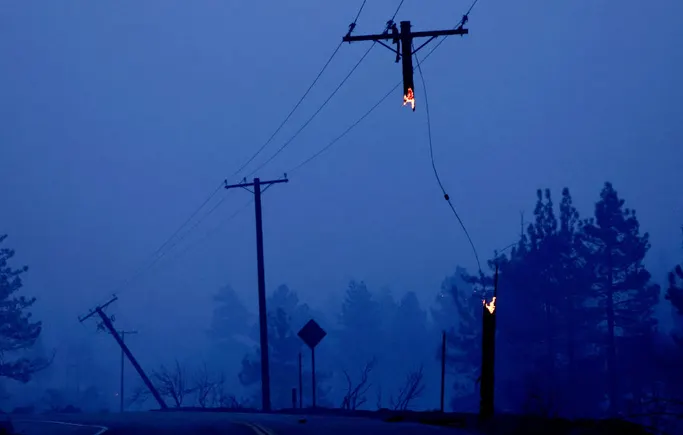
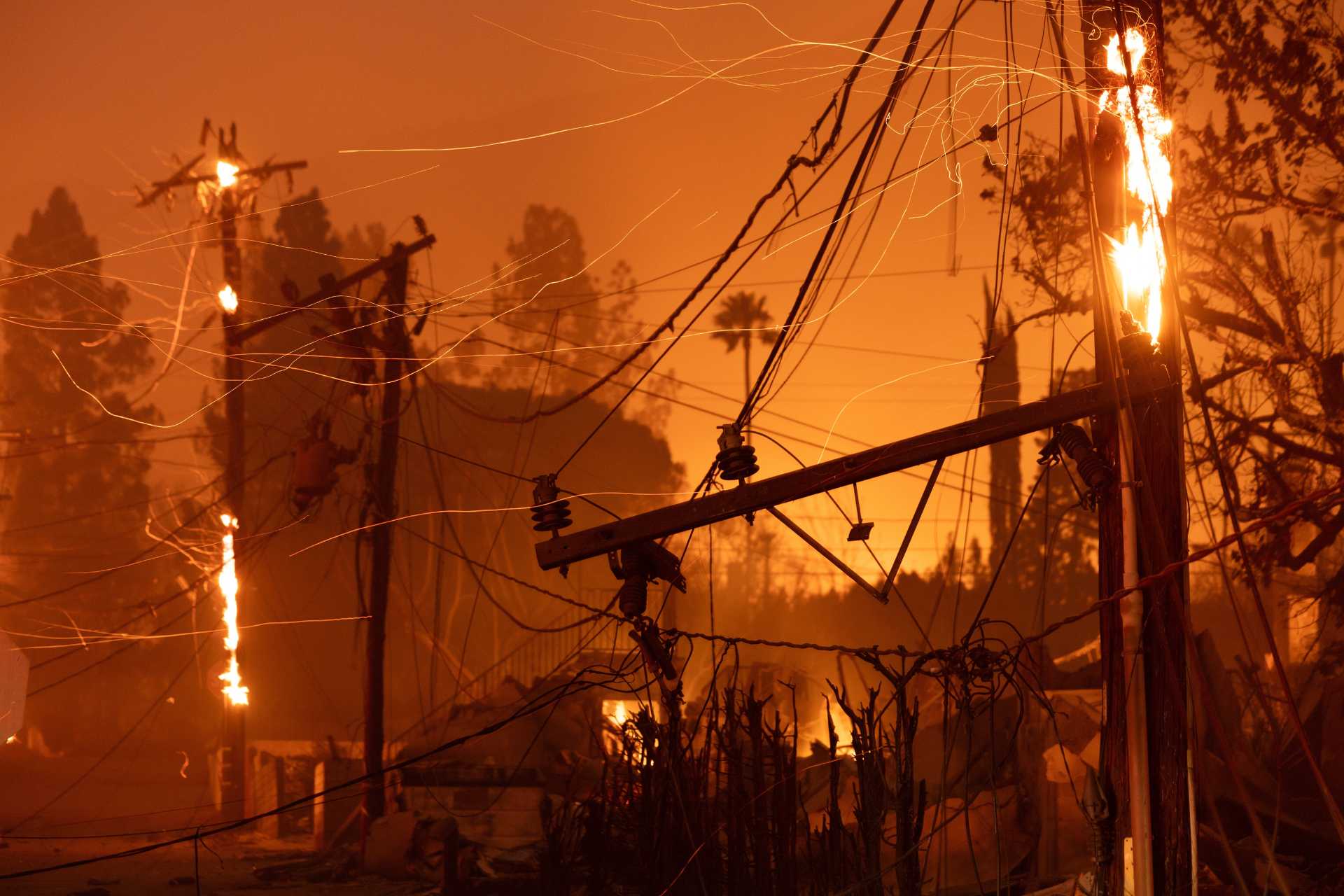
Over the past several years, electric utilities have heard from their regulators — and their own boards — to stop wildfires before they start. In response, they have buried and covered lines, installed weather stations, upgraded equipment, trimmed vegetation, built risk models, and shut off power when the weather turned dangerous. Much of that work was overdue. Much of it has helped.
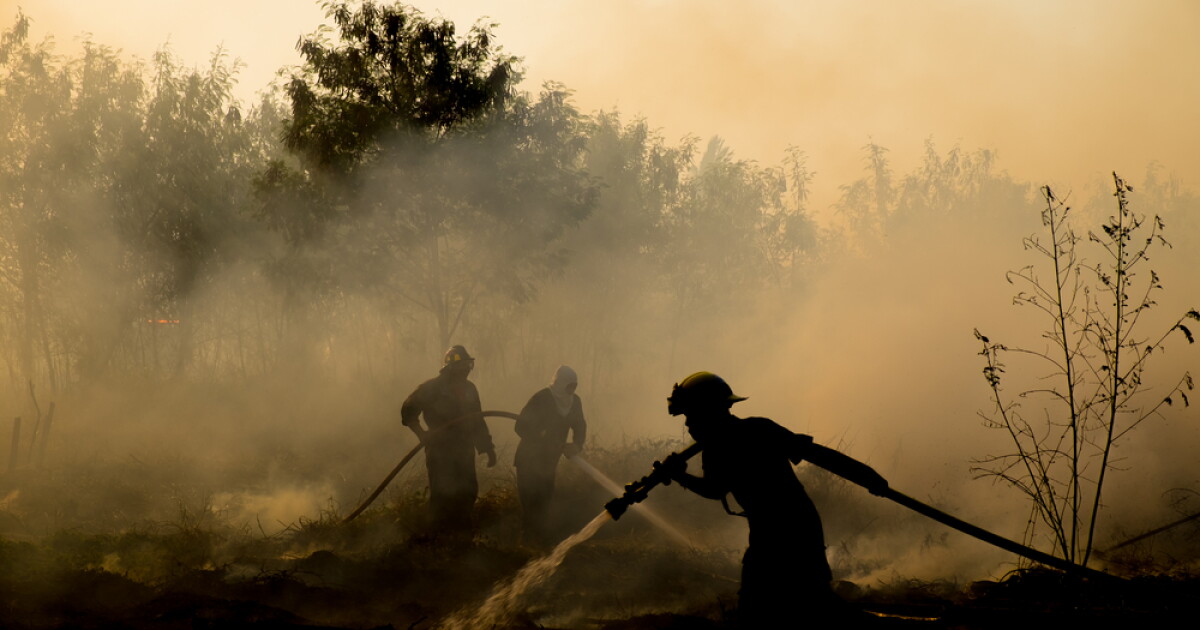
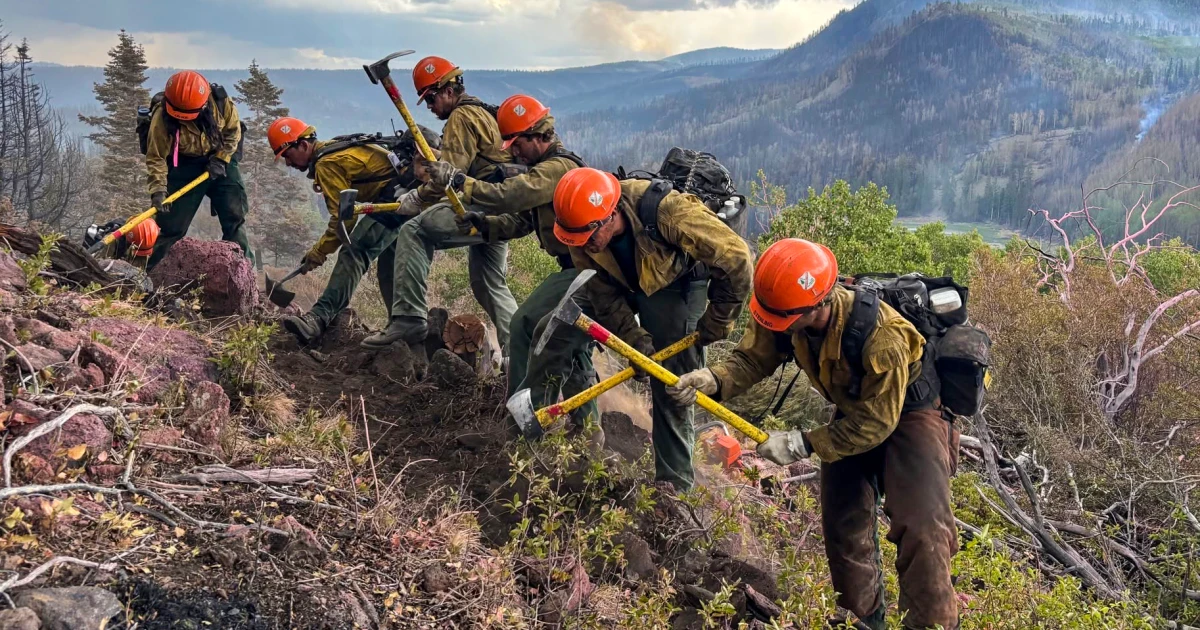
But even the best prevention strategy has limits. Trees come down. Embers travel. Lightning strikes. Equipment fails. Utilities can lower ignition risk, but they cannot make it disappear. The gap that remains is how to ensure that when an ignition occurs, crews can move quickly enough to keep it small.
Why utility-funded suppression is controversial
There are good reasons why investing in fire suppression makes some utility lawyers, executives, and regulators uncomfortable. Utilities across the West have already committed billions to wildfire mitigation.