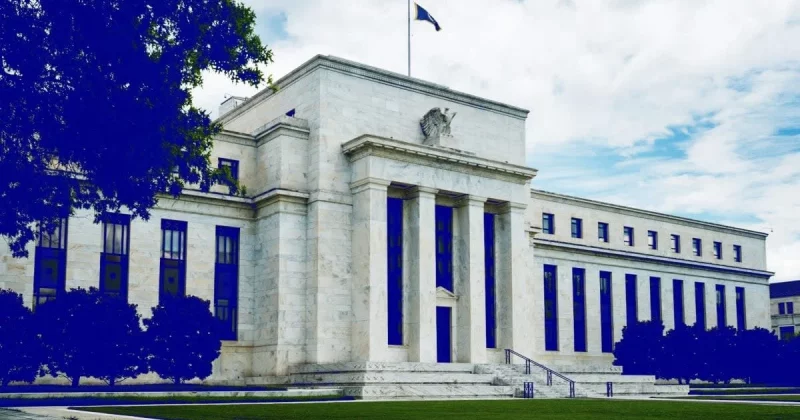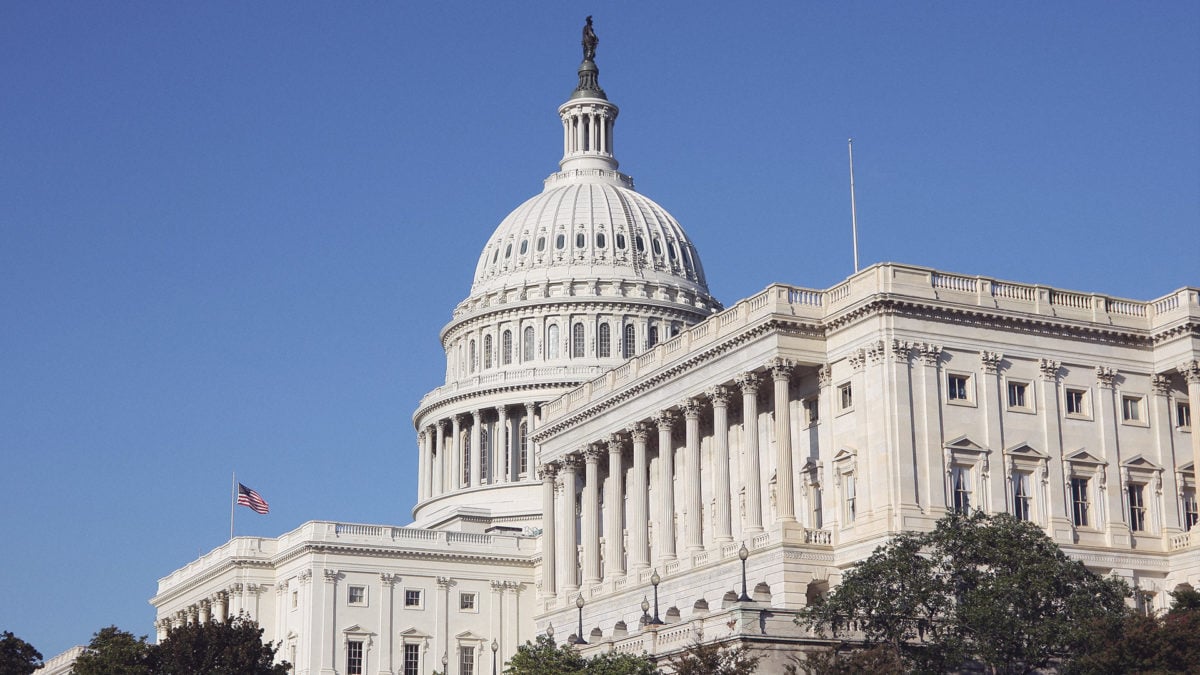
As the Federal Reserve considers granting digital-asset and fintech firms limited access to the central bank through so-called "skinny" accounts, lawmakers debated how much access — and influence — those companies should have in the U.S. payments system.
On Wednesday, during a House Financial Services Committee hearing to discuss the changing role of banks and fintechs, particularly a new idea from the Federal Reserve that would allow certain crypto-focused banks to have direct access to the central bank.
That raises important questions about safety and soundness, said Rep. Dan Meuser, R-Penn.
"Access to the Federal Reserve payment system is not a small issue," Meuser said, adding, "Who should be allowed direct access to these critical payment rails?"
Fed Governor Christopher Waller first publicly floated the idea in October for a "skinny master account." That master account allows institutions direct access to the Fed's payment systems and provides the most direct access to the U.S. money supply available to financial institutions. Those without master accounts are often forced to rely on partner banks with master accounts to provide services.